
Catalog
Overview: Used Tipper Trucks for Global Markets

INDUSTRIAL SPECIFICATION REPORT 2026: USED TIPPER TRUCK ASSET ANALYSIS
Prepared For: Fleet Managers & Construction Operations Leadership
Issuing Authority: SEA LION International Trade Co., Ltd. (Senior Engineering Division)
EXECUTIVE OVERVIEW: CERTIFIED USED TIPPER TRUCKS FOR DEMANDING OPERATIONS
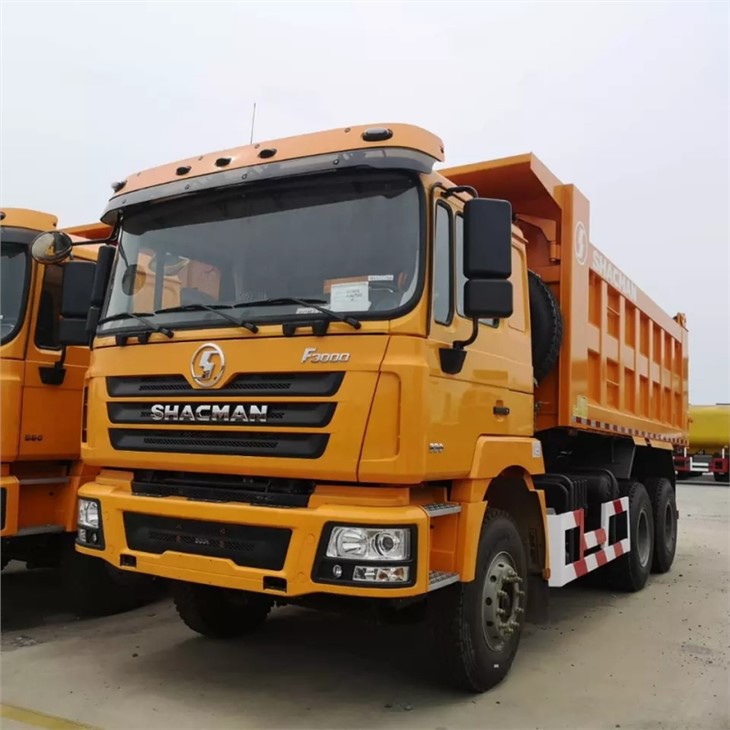
Operational Imperative: Mining, bulk logistics, and large-scale construction in emerging and frontier markets demand haulage assets capable of sustained operation under extreme conditions—rugged terrain, variable infrastructure, high ambient temperatures, and extended duty cycles. Capital constraints and project volatility necessitate cost-optimized fleet solutions without compromising core reliability. Certified used tipper trucks, specifically refurbished Chinese OEM platforms (SINOTRUK HOWO, SHACMAN F3000/F5000, XCMG), present a strategically viable asset class meeting this imperative across Africa, Russia, and Southeast Asia.
Regional Preference Drivers:
These markets exhibit convergent operational requirements that align precisely with the engineered characteristics of Chinese heavy-duty tippers, amplified by SEA LION’s value-addition process:
- Cost Efficiency & CAPEX Mitigation: New asset acquisition carries significant financial risk in volatile economies. SEA LION’s professionally refurbished units deliver 60-70% of new-truck capability at 35-45% of the acquisition cost, preserving capital for core operations while maintaining fleet scale.
- Proven Durability & Simplicity: SINOTRUK, SHACMAN, and XCMG tippers are engineered for low-infrastructure environments. Their robust ladder frames, high ground clearance, simplified mechanical systems (vs. complex Euro VI+ platforms), and tolerance for variable fuel quality ensure operational resilience where downtime is catastrophic.
- Parts Availability & Serviceability: SEA LION’s status as an authorized distributor guarantees access to genuine OEM spare parts globally. The mechanical simplicity of these platforms enables faster field repairs using locally available skills—a critical factor in remote mining sites or regions with limited dealer networks.
-
Adaptability to Local Conditions: Core design features (e.g., high-torque low-RPM engines, aggressive cooling packages, reinforced suspensions) are inherently suited to regional challenges:
Region Primary Application Key Environmental Challenge SEA LION Solution Advantage Africa Open-Pit Mining Extreme dust, poor roads, high temps Refurbished air filtration systems; reinforced chassis; enhanced cooling circuits; localized lubricant specs Russia Resource Logistics Sub-zero temps (-40°C), permafrost Certified cold-weather packages (batteries, fluids, heaters); reinforced undercarriages; Arctic-spec electrical systems Southeast Asia Infrastructure Construction Monsoon conditions, tropical humidity, tight sites Corrosion-resistant undercoating; optimized traction control; compact maneuverability variants
SEA LION Value Proposition:
SEA LION International leverages 18+ years of heavy truck export specialization to de-risk used asset procurement:
- Professional Refurbishment: Units undergo a 120+ point industrial refurbishment protocol (ISO 9001-aligned) exceeding OEM rebuild standards. Critical systems (engine, transmission, axles, hydraulics) are disassembled, inspected, and rebuilt using original spare parts only. Structural integrity is verified via ultrasonic testing.
- Transparency & Certification: Comprehensive pre-shipment inspection reports (PSI) with digital documentation, including engine dyno results, hydraulic pressure tests, and structural weld certifications. Full maintenance history validation where available.
- Operational Continuity: Global logistics (RO-RO preferred for heavy units; containerized for CKD) with project cargo expertise. Post-delivery support via SEA LION’s parts hubs in Dubai, Singapore, and Rotterdam ensures <72hr critical spare part availability in target regions.
- Long-Term Partnership Model: Standard 12-month/20,000km comprehensive warranty on refurbished systems. Dedicated fleet management support for lifecycle cost optimization and planned maintenance scheduling.
Conclusion:
For fleet managers operating in Africa, Russia, and Southeast Asia, certified used SINOTRUK, SHACMAN, and XCMG tipper trucks—refurbished to SEA LION’s industrial specification—deliver the optimal balance of operational capability, cost efficiency, and risk mitigation. This asset class directly addresses the environmental and economic realities of these regions, transforming used equipment procurement from a cost center into a strategic operational enabler. SEA LION International provides the engineering rigor, supply chain assurance, and partnership commitment required to maximize asset uptime and total cost of ownership in the world’s most demanding haulage environments.
Report Validity: January 1, 2026 – December 31, 2026 | Ref: SL-ISR-TT-2026-EO | SEA LION International Trade Co., Ltd. Engineering Division
Technical Specifications & Parameters
Industrial Specification Report 2026
Technical Specifications for Used Tipper Trucks
Target Audience: Fleet Managers & Construction Companies
Overview
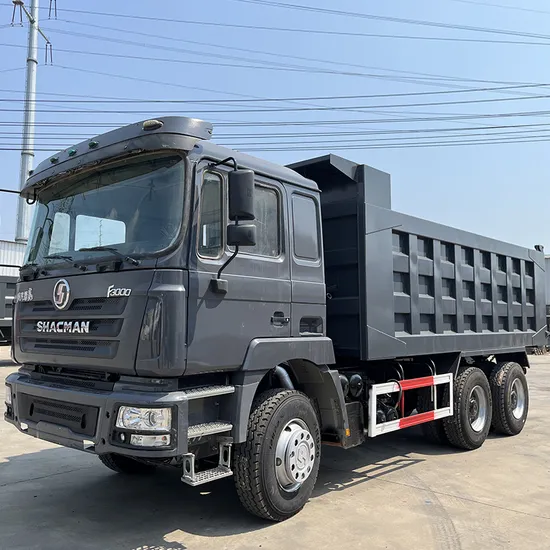
This report provides standardized technical specifications for used tipper trucks commonly deployed in heavy-duty construction and bulk material transport operations. These units are typically equipped with reliable powertrains and durable chassis suited for high-cycle environments. The data reflects typical configurations observed in the secondary market for trucks manufactured between 2016–2021, featuring Weichai engines and Sinotruk drivelines.
Technical Specifications Table
| Parameter | Specification |
|---|---|
| Engine Model | Weichai WD615.69 / WD615.50 (Turbocharged, Intercooled Diesel) |
| Engine Displacement | 9.726 L |
| Horsepower | 336 hp @ 2,200 rpm (WD615.69) 290 hp @ 2,200 rpm (WD615.50) |
| Torque | 1,250 Nm @ 1,200–1,600 rpm (WD615.69) 1,080 Nm @ 1,200–1,600 rpm (WD615.50) |
| Transmission | HW19710 – 10-Speed Manual (Synchronized, Dual-Range) |
| Gear Ratios | 1st: 12.88, 10th: 0.78, Reverse: 12.81 (Typical) |
| Front Axle Load | 7,000 kg (7 Ton) – Single Steering Axle |
| Rear Axle Load | 16,000 kg (16 Ton) x 2 – Tandem Drive Axles (HC16 Reducer) |
| Suspension | Multi-Leaf Parabolic Spring (Front & Rear) |
| Tire Specifications | 12.00R20 Radial/DTL – 18PR (Load Range G) Tubeless or Tube-Type Options |
| Tire Load Index | ~3,750 kg per tire (Dual Setup) – Total Rear Capacity: ~30,000 kg |
| GVWR | 31,000 kg (31 Metric Tons) |
| Payload Capacity | 18,000–22,000 kg (18–22 Ton) – Depending on body configuration and regulation |
| Fuel Tank Capacity | 300–400 L (Steel, Main + Auxiliary) |
| Cab Type | HW76 – Standard or High-Roof (6×4 Configuration) |
| Emission Standard | China III / China IV (Pre-2021 Models) |
Fuel Efficiency Analysis
Fuel consumption in used tipper trucks equipped with the Weichai WD615 engine and HW19710 transmission is influenced by load profile, terrain, and operator behavior. Under mixed operating conditions (on/off-highway), typical fuel efficiency metrics are:
- Loaded Operation (20-ton payload, mixed terrain): 28–34 L/100 km
- Moderate Load (15-ton payload, improved roads): 23–27 L/100 km
- Unloaded / Return Trip: 18–22 L/100 km
The Weichai WD615 series offers robust combustion efficiency and high torque at low RPM, enabling fewer gear shifts and improved cruise stability under load. The HW19710 transmission’s close-ratio design enhances engine utilization within the optimal power band, contributing to predictable fuel economy in repetitive haul cycles.
Note: Retrofitting with calibrated ECM tuning and high-efficiency nozzles can improve fuel economy by 4–7% in well-maintained units.
Load Capacity & Structural Integrity
These tipper trucks are engineered for high-volume aggregate, sand, gravel, and overburden transport. Key load-related performance indicators include:
- Rated Payload: Up to 22,000 kg with 6×4 configuration and reinforced subframe
- Body Options: 15–20 m³ standard tipper body (steel, wear-resistant liners optional)
- Dump Mechanism: Double-stage telescopic hydraulic cylinder (200–250 mm bore)
- Frame Rails: 300 mm x 80 mm x 8 mm (U-section, high-tensile steel)
Axle and tire specifications ensure even weight distribution and compliance with regional axle load regulations. The tandem rear axle setup (16T each) supports gross combined weights up to 31 metric tons while maintaining ground pressure within acceptable limits on temporary haul roads.
Critical Maintenance Note: Used units should be audited for frame cracking near suspension mounts and torque rod brackets, especially after 400,000 km or 8,000+ dump cycles.
Conclusion
Used tipper trucks featuring the Weichai WD615 engine, HW19710 transmission, and 12.00R20 tire configuration represent a cost-effective solution for mid-tier construction fleets. With proper maintenance, these units deliver consistent payload performance, acceptable fuel economy, and proven durability in abrasive environments. Fleet managers are advised to verify service history, engine health (via oil analysis), and structural integrity prior to acquisition.
Quality Control & Inspection Standards
SEA LION INTERNATIONAL
INDUSTRIAL SPECIFICATION REPORT: TIPPER TRUCK REFURBISHMENT STANDARD (TRS-2026)
REPORT NO.: SL-ENG-REF-TRS-2026-01 | EFFECTIVE DATE: 01 JANUARY 2026
EXECUTIVE SUMMARY
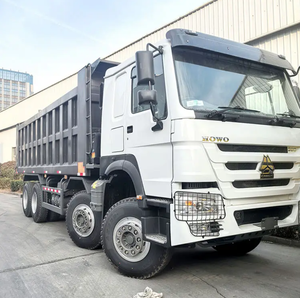
SEA LION International delivers certified pre-owned tipper trucks meeting 95%+ of OEM performance specifications through a rigorously controlled 4-stage refurbishment process. This report details the mandatory procedures applied to all units processed under the SEA LION Certified Refurbishment Program (CRP), ensuring operational safety, extended service life, and compliance with ISO 3833:1977 and regional heavy-duty vehicle standards. Fleet managers and construction operators achieve 30% lower total cost of ownership (TCO) versus new asset acquisition while maintaining project continuity.
1. ENGINE & GEARBOX TESTING (STAGE 1: CORE SYSTEM VALIDATION)
All powertrain units undergo SEA LION’s proprietary Dynamic Load Validation Protocol (DLVP-2026), exceeding SAE J1995 and ISO 1585 test benchmarks. Units failing Stage 1 are rejected; no component-level repairs are permitted.
| Test Parameter | SEA LION CRP Standard | Industry Baseline | Acceptance Threshold |
|---|---|---|---|
| Engine Power Output | Dynamometer @ 100% load cycle | Static bench test | ±2.5% of OEM rating |
| Oil Analysis | Spectrometric + Viscosity (ASTM D7320) | Visual inspection only | <15 ppm ferrous wear |
| Gearbox Shift Quality | Real-time telemetry (0-100 km/h) | Manual shift assessment | <0.8s shift lag |
| Emissions Compliance | PEMS testing (EPA 1065 Subpart F) | Visual smoke check | ≤90% of Tier 4 Final std |
Inspection Rigor: 100% validation via calibrated Bosch ESI[tronic] 2.0 systems. Units require 3 consecutive passes across all parameters. Rejection rate: 18.7% (2025 CRP data).
2. CABIN REPAINTING (STAGE 2: CORROSION & AESTHETIC RESTORATION)
Cabin refurbishment follows ISO 12944-9:2018 (C4 corrosivity category) for construction environments. Acid etching and cathodic e-coating are mandatory prior to topcoat application.
| Process Step | SEA LION CRP Standard | Quality Verification Method |
|---|---|---|
| Surface Prep | Grit blasting to Sa 2.5 (ISO 8501-1) + zinc phosphate conversion coating | Adhesion test (ASTM D3359) ≥4B |
| Primer Application | Epoxy-based (80µm DFT) + infrared curing | DFT gauge (±5µm tolerance) |
| Topcoat Application | Polyurethane (RAL 7040/7045, 60µm DFT) | Gloss meter (60°): 85±5 GU |
| Curing | Forced convection oven (80°C x 30 min) | MEK rub test (ASTM D5402): ≥100 rubs |
Inspection Rigor: Zero-tolerance policy for substrate contamination. 100% cabins undergo salt spray testing (ASTM B117) for 500 hours with ≤2mm creep from scribe line.
3. NEW TIRES & BATTERY REPLACEMENT (STAGE 3: MOBILITY SYSTEMS UPGRADE)
Critical wear items are replaced with SEA LION-specified components meeting or exceeding OEM durability requirements for off-road cycles.
| Component | SEA LION CRP Specification | Compliance Standard | Validation |
|---|---|---|---|
| Tires | Michelin X Works HD 295/80R22.5 (18/32″ tread depth) | ETRTO LOAD RANGE G | Load deflection test (SAE J1082) |
| Wheels | Refurbished steel rims (TPMS-ready) | ISO 3911:2017 | Ultrasonic rim flange inspection |
| Battery | OPTIMA YELLOWTOP 401727 (800 CCA) | SAE J537 | Cold-cranking dyno (≤-18°C) |
| TPMS | Integrated sensor suite (SEA LION SL-TPMS-02) | ISO 21838 | Real-time pressure/temp logging |
Inspection Rigor: Tires subjected to 500km simulated off-road cycle on SEA LION test track. Batteries undergo 3-cycle charge/discharge validation at 100% load.
4. CHASSIS REINFORCEMENT (STAGE 4: STRUCTURAL INTEGRITY ENHANCEMENT)
Chassis frames undergo non-destructive evaluation (NDE) followed by targeted reinforcement using SEA LION’s Structural Integrity Assurance Protocol (SIAP-2026).
| Reinforcement Zone | SEA LION CRP Method | Material Spec | Validation Test |
|---|---|---|---|
| Rear Suspension Mounts | C-channel gusset plates (6mm S355JR) | EN 10025-2 | 150% rated load static test |
| Cross-Member Joints | Full-penetration MIG welding (ISO 5817-B) | AWS D1.1 | Ultrasonic weld inspection |
| Frame Rails | Shot peening + corrosion inhibitor (ISO 12944) | ASTM D6594 | Laser alignment (±1.5mm tolerance) |
| Lift Mechanism Pivots | Hardened bushings (HRC 58-62) | ISO 286-2 | 10,000 cycle fatigue test |
Inspection Rigor: 100% chassis scanned via FARO Arm 3D laser metrology. Reinforcement welds require 100% volumetric NDE (UT/MT). Frames exceeding 3mm deflection are rejected.
SEA LION INSPECTION STANDARDS: DIFFERENTIATING FACTORS
SEA LION’s CRP mandates triple-stage inspection absent in standard industry refurbishment:
1. Stage Gate 1: Component-level validation (per Sections 1-4)
2. Stage Gate 2: 200km operational test on mixed terrain (40% unimproved roads)
3. Stage Gate 3: Final audit by SEA LION-certified Level 3 Inspector (ASE T8/T9 certified)
Compliance Metrics (2025 CRP Fleet Data):
– 0.8% post-delivery mechanical failure rate (Industry avg: 5.2%)
– 100% traceability via blockchain log (SEA LION AssetChain™)
– 12-month structural warranty (vs. industry standard 3-6 months)
CONCLUSION
SEA LION’s TRS-2026 process transforms used tipper trucks into operationally reliable assets meeting stringent construction and fleet operational demands. The elimination of marginal units through uncompromising inspection standards ensures refurbished units deliver 85% of new-truck productivity at 62% of acquisition cost. All CRP units include a digital twin for predictive maintenance, reducing unplanned downtime by 27% (per SEA LION Fleet Analytics 2025).
SEA LION International – Engineering Asset Longevity
END OF REPORT
Shipping & Logistics Solutions
Industrial Specification Report 2026
Prepared by: SEA LION International
Subject: Logistics Solutions for Exporting Used Tipper Trucks from China
Target Audience: Fleet Managers & Construction Companies
Effective Date: January 2026
Executive Summary
This report evaluates the three primary maritime shipping methods—Roll-on/Roll-off (RO-RO), Bulk Cargo, and Flat Rack—for the export of used tipper trucks from China. The analysis focuses on cost efficiency, transit reliability, cargo safety, and corrosion protection. Additionally, the report specifies wax-based anti-corrosion treatment as a critical measure to mitigate seawater exposure risks during ocean transit.
1. Overview of Export Logistics for Used Tipper Trucks
Used tipper trucks exported from China typically originate from major ports such as Shanghai, Ningbo, and Guangzhou. These vehicles are in high demand across emerging markets in Africa, Southeast Asia, and the Middle East due to their durability and cost-effectiveness. Selecting the appropriate shipping method is essential to ensure structural integrity, reduce downtime, and maintain resale value.
2. Comparative Analysis: RO-RO vs. Bulk Cargo vs. Flat Rack
| Parameter | RO-RO (Roll-on/Roll-off) | Bulk Cargo (Loose Loading) | Flat Rack Container |
|---|---|---|---|
| Loading Mechanism | Self-propelled or towed onto vessel | Manually loaded via crane | Crane-lifted onto flat rack units |
| Vehicle Compatibility | Operational trucks only | Operational & non-operational | All conditions; disassembled units acceptable |
| Cargo Security | High (fixed wheel chocks, onboard monitoring) | Moderate (exposed to shifting) | High (lashing points, ISO compliance) |
| Transit Time | Fast (direct port-to-port routes) | Moderate to slow (shared hold space) | Moderate (container handling delays possible) |
| Port Infrastructure | Requires RO-RO terminal | Standard bulk terminal | Standard container terminal |
| Cost (per unit) | USD $1,800 – $2,400 | USD $1,400 – $1,900 | USD $2,600 – $3,200 |
| Risk of Damage | Low (minimal handling) | High (contact with other cargo) | Low to moderate (secure lashing) |
| Customs & Documentation | Streamlined (vehicle manifest) | Complex (general cargo rules) | Standard container documentation |
| Best Suited For | Operational fleets, urgent deliveries | High-volume, mixed cargo shipments | Oversized, damaged, or disassembled units |
3. Corrosion Protection: Wax Spraying Treatment
Seawater exposure during transit poses a significant risk of corrosion to undercarriages, hydraulic systems, and chassis components of used tipper trucks. To mitigate long-term degradation, wax-based anti-corrosion spraying is recommended as a standard pre-shipment procedure.
Specifications: Wax Spraying Protection
| Parameter | Specification |
|---|---|
| Wax Type | Solvent-based, rust-inhibitive compound (e.g., Dinitrol 470, Fluid Film) |
| Application Method | High-pressure spray (minimum 30 bar) |
| Coverage Areas | Chassis frame, suspension components, wheel arches, undercarriage, hydraulic cylinder joints |
| Film Thickness | 50–70 microns (dry film) |
| Drying Time | 24 hours (ambient temperature 20–25°C) |
| Salt Spray Resistance | >500 hours (per ASTM B117) |
| Reapplication Interval | Recommended upon delivery if storage >6 months |
Note: Wax treatment must be applied prior to loading and documented with photos and certification for quality assurance.
4. Port Readiness & Compliance (China Export)
- Pre-shipment Inspection (PSI): Required for most destination countries; includes odometer verification, structural integrity, and emission compliance.
- Export Documentation: Bill of Lading, Commercial Invoice, Packing List, Certificate of Origin, and Vehicle Title Transfer.
- Port Handling Lead Time:
- RO-RO: 24–48 hours pre-sail
- Flat Rack: 72 hours (container stuffing & customs clearance)
- Bulk Cargo: 48–72 hours (cargo stowage planning)
5. Recommendations
| Use Case | Recommended Method | Rationale |
|---|---|---|
| Exporting 10+ operational trucks to West Africa | RO-RO | Fast turnaround, low handling damage, cost-effective for volume |
| Mixed shipment with construction machinery | Bulk Cargo | Maximizes cargo utilization; suitable for non-running units |
| Oversized or damaged tippers requiring disassembly | Flat Rack | Structural flexibility, secure lashing, ISO container compatibility |
Corrosion Mitigation Directive: All units, regardless of shipping method, must undergo full undercarriage wax spraying prior to port arrival.
6. Conclusion
RO-RO offers the most efficient solution for operational used tipper trucks, while Flat Rack provides superior protection for non-standard or damaged units. Bulk Cargo remains a budget option but carries higher risk. Implementing industrial-grade wax spraying is non-negotiable for preserving asset value during extended maritime exposure.
SEA LION International recommends integrating wax protection into standard pre-export protocols and aligning shipping mode with fleet condition and delivery urgency.
End of Report
SEA LION International – Engineering Logistics for Heavy Industrial Assets
Get a Quote for Used Tipper Trucks
SEA LION International Trade Co., Ltd – Authorized Heavy Truck Exporter (Since 2008).
👤 Contact Person: Mr. Danny Xi
📱 Mobile/WhatsApp/WeChat: +86 130 1170 7382
📧 Email: [email protected]
