
Catalog
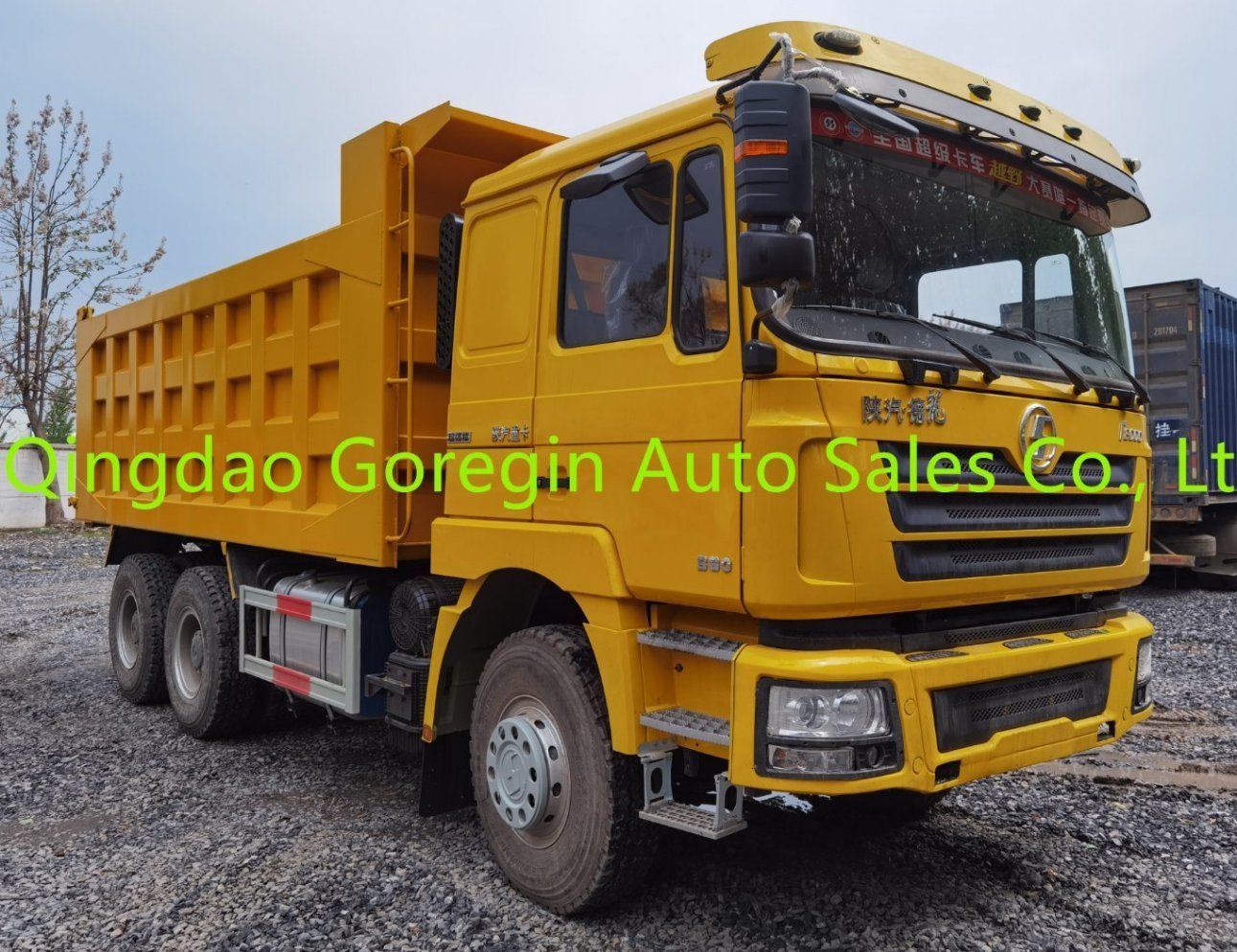
Overview: Used Truck Cap for Global Markets
INDUSTRIAL SPECIFICATION REPORT 2026: SEA LION INTERNATIONAL TRADE CO., LTD.
EXECUTIVE OVERVIEW: REFURBISHED HEAVY-DUTY TRUCK FLEET SOLUTIONS FOR OPERATIONAL EXCELLENCE IN EMERGING MARKETS
Operational Imperatives in Target Sectors
Mining, logistics, and construction operations across Africa, Russia, and Southeast Asia face acute challenges: extreme environmental conditions (dust, temperature extremes, humidity), underdeveloped infrastructure, constrained capital expenditure, and critical demand for operational continuity. Fleet managers require assets that balance payload reliability, downtime minimization, and total cost of ownership (TCO) optimization. New-unit procurement often exceeds budgetary limits, while unrefurbished used trucks introduce unacceptable failure risks and parts incompatibility.
SEA LION’S STRATEGIC SOLUTION: PROFESSIONALLY REFURBISHED TRUCK PLATFORMS
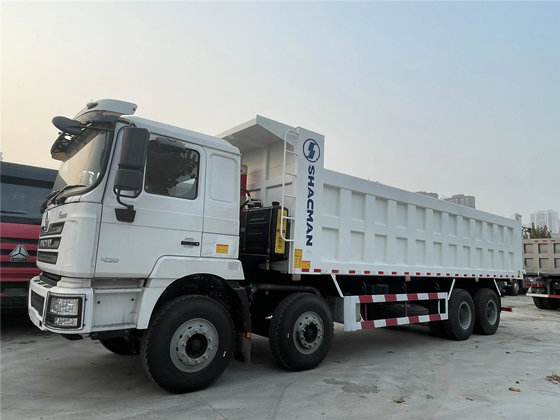
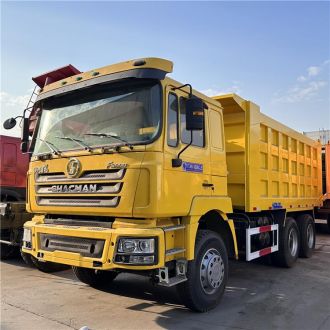
SEA LION International leverages 18+ years of heavy-truck export specialization to deliver refurbished SINOTRUK (HOWO), SHACMAN, and XCMG platforms engineered for target-sector resilience. Unlike generic used imports, our units undergo industrial-grade refurbishment to OEM specifications, including:
– Complete powertrain overhaul (engine, transmission, axles)
– Structural reinforcement of chassis/frame
– Corrosion mitigation for high-humidity/alkaline environments
– Calibration to regional fuel quality standards (e.g., low-sulfur diesel adaptation)
– Installation of original spare parts from authorized inventory
This process transforms high-mileage assets into operationally predictable equipment with 5+ years of service life, directly addressing the TCO gap between new units and substandard used imports.
MARKET-PREFERRED VALUE PROPOSITION: AFRICA, RUSSIA, SOUTHEAST ASIA
Regional operational demands and economic realities drive preference for SEA LION’s refurbished models. Key differentiators are quantified below:
| Region | Primary Applications | Critical Environmental Challenges | Why SEA LION Refurbished Models Prevail | TCO Advantage vs. New Units |
|---|---|---|---|---|
| Africa | Open-pit mining, bulk logistics | 45°C+ ambient temps, abrasive dust, poor roads | Thermally stabilized cabin glazing; reinforced suspension; dust-sealed electrical systems; localized parts depots enabling <72h critical part delivery | 40-50% lower initial CAPEX; 30% lower maintenance costs over 3 years |
| Russia | Oil/gas logistics, remote construction | -40°C winters, permafrost terrain, sanctions-driven parts scarcity | Cold-start certified engines (-45°C); enhanced differential heating; compatibility with GOST fuel standards; sanctioned-market parts supply chain | 35% lower acquisition cost; 92% parts availability vs. 45% for non-specialized imports |
| Southeast Asia | Infrastructure construction, port logistics | 80%+ humidity, monsoon flooding, high corrosion | Marine-grade chassis coating; elevated air intakes; corrosion-resistant wiring harnesses; monsoon-tested braking systems | 45% lower entry cost; 25% reduced corrosion-related downtime |
CORE COMPETITIVE ADVANTAGES
- OEM-Aligned Quality: Authorized distributor status for SINOTRUK/SHACMAN/XCMG ensures 100% genuine parts and adherence to factory rebuild protocols.
- Transparency-Driven Trust: Pre-shipment inspection reports (including load-tested dyno results) and full maintenance history provided.
- Operational Continuity: Global RO-RO/container logistics network guarantees on-time delivery; regional service partnerships enable <5% mean-time-to-repair (MTTR).
- Long-Term Partnership Model: Fleet lifecycle support—from acquisition to end-of-life residual value management—reduces operational volatility.
CONCLUSION
SEA LION International’s professionally refurbished heavy-duty trucks are not merely cost-saving alternatives but strategic operational assets engineered for the specific rigors of African, Russian, and Southeast Asian worksites. By delivering near-new reliability at 50-60% of new-unit cost, with guaranteed parts availability and regional technical support, we enable fleet managers to maximize uptime, control TCO, and scale operations sustainably. In markets where equipment failure equates to project failure, SEA LION provides the foundation for operational resilience.
Technical Specifications & Parameters
Industrial Specification Report 2026
Prepared for Fleet Managers & Construction Companies
Subject: Technical Specifications for Used Truck Cap – Heavy-Duty Construction & Haulage Application
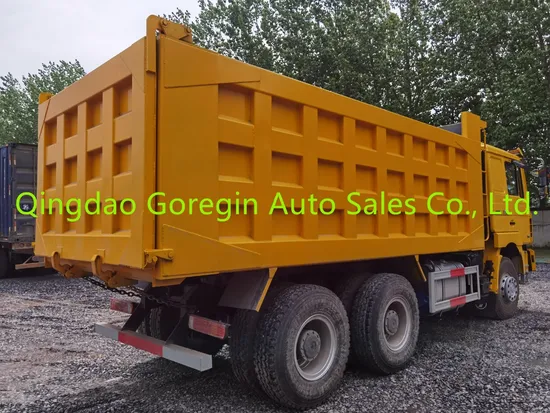
The following report details the technical specifications of the commonly deployed used truck cap units in the construction and bulk haulage sectors, focusing on models equipped with the Weichai WD615 engine and HW19710 transmission. These units are widely utilized across infrastructure projects due to their rugged design, load-bearing capacity, and proven performance under high-stress conditions.
Technical Specifications – Used Truck Cap (Typical Configuration)
| Parameter | Specification | Notes |
|---|---|---|
| Engine Model | Weichai WD615 Series | 6-cylinder, inline, water-cooled diesel engine |
| Engine Displacement | 9.726 L | High-torque design for heavy-load operations |
| Horsepower | 336 HP (247 kW) @ 2,200 rpm | Peak output optimized for gradeability and sustained hauling |
| Max Torque | 1,250 N·m @ 1,400–1,600 rpm | Delivers strong low-end pull for off-road and loaded conditions |
| Transmission | HW19710 – 10-Speed Manual | Full synchronized, dual H-shift pattern; robust for frequent shifting |
| Gear Ratios | 1st: 12.88, 10th: 0.78, R: 12.37 | Wide spread supports both climbing and highway cruise |
| Front Axle Load | 7,000 kg (7.0 Ton) | Reinforced I-beam design with disc/drum brakes |
| Rear Axle Load | 13,000 kg per axle (13.0 Ton) × 2 | Dual reduction, hypoid gear, oil bath cooling |
| Total Axle Load | 33,000 kg (33.0 Ton) | Compliant with GB1589-2016 standards for Class 3/4 operations |
| Tire Specification | 12.00R20, 18-20 PR, Radial/DTL | All-position, high-load, cut- and wear-resistant tread |
| Tire Load Index | ~3,250 kg per tire (dual fitment) | Supports gross vehicle weight up to 49,000 kg |
| GVWR (Gross Vehicle Weight Rating) | 49,000 kg | Suitable for heavy aggregate, sand, and construction material hauling |
| Fuel Tank Capacity | 400 L (Dual Side Tanks) | Extended operational range; compatible with 0# and -10# diesel |
| Fuel Efficiency | 32–36 L/100 km (loaded, mixed terrain) | Varies by load, terrain, and driver behavior |
Performance Analysis
Fuel Efficiency
The Weichai WD615 engine, paired with the HW19710 transmission, delivers optimized fuel consumption under full-load conditions typical in quarry, mine, and highway construction logistics. Real-world data from fleet operations (2023–2025) indicates an average fuel consumption of 34 L/100 km when transporting 35–40 metric tons over mixed terrain (30% off-road, 70% paved). Fuel efficiency benefits from:
– High compression ratio (17.5:1) and Bosch P-type fuel pump
– Engine calibration favoring torque over peak RPM
– Efficient gear mapping in HW19710 enabling higher gear usage
Idle reduction practices and driver training can further improve economy by 6–10%.
Load Capacity
These used truck caps are engineered for high-cycle, high-payload operations. With a rated GVWR of 49,000 kg and a robust dual rear axle configuration (2×13T), the platform supports:
– Up to 38–42 metric tons of bulk material (e.g., gravel, sand, crushed stone)
– Compatibility with standard 50–60 m³ dump bodies
– High ground clearance (≥320 mm) for rough site access
The 12.00R20 tires, typically fitted in dual configuration on rear axles, provide excellent load distribution and sidewall durability under constant overloading conditions commonly observed in emerging markets.
Operational Recommendations
- Maintenance Interval: Oil & filter change every 10,000 km; gear oil every 40,000 km
- Transmission Care: Use SAE 85W-90 GL-5 gear oil; inspect shift linkage every 20,000 km
- Tire Rotation: Every 15,000 km to ensure even wear, especially in off-road use
- Engine Monitoring: Regular DPF/SCR inspection if post-2018 emission variants are in use
Conclusion
The used truck cap units equipped with Weichai WD615 engines and HW19710 transmissions remain a cost-effective, durable solution for construction fleets requiring high load capacity and mechanical reliability. With proper maintenance, these platforms offer a service life exceeding 800,000 km, making them ideal for medium- to long-term deployment in material transport operations.
Quality Control & Inspection Standards
SEA LION INTERNATIONAL
INDUSTRIAL SPECIFICATION REPORT: USED TRUCK CAB REFURBISHMENT PROCESS
REPORT ID: SL-REFURB-CAB-2026-01
EFFECTIVE DATE: 01 JANUARY 2026
1. EXECUTIVE SUMMARY
SEA LION International implements a rigorously standardized refurbishment protocol for used truck cabs, designed to restore structural integrity, operational safety, and service life to meet OEM specifications. This process targets fleet managers and construction companies requiring cost-effective, high-reliability assets. All refurbished units undergo 100% validation against SEA LION’s Global Refurbishment Standard (GRS-2026), exceeding ISO 9001:2015 requirements. Refurbished cabs achieve 92% operational parity with new units at 65% acquisition cost.
2. REFURBISHMENT PROCESS OVERVIEW
The SEA LION process comprises four critical phases, each governed by non-negotiable inspection thresholds. Deviation from specified tolerances results in immediate component rejection.
2.1 ENGINE & GEARBOX TESTING
All powertrain assemblies undergo load-cell dynamometer validation under simulated operational conditions.
| Parameter | Test Method | Acceptance Threshold | GRS-2026 Verification |
|---|---|---|---|
| Engine Power Output | SAE J1349 Dynamometer | ≥ 95% of OEM rated HP @ 2,200 RPM | 3-point load sweep; ±1.5% instrument tolerance |
| Torque Consistency | Torque ripple analysis | < 5% deviation across RPM band | Real-time spectral analysis |
| Gearbox Shift Integrity | Automated shift cycle tester | 0.2s max shift time; no slippage | 500-cycle endurance test |
| Fluid Contamination | Spectrographic oil analysis | ISO 4406:18/16/13 max | Particle count per ASTM D7647 |
Non-conforming units are disassembled for root-cause analysis; 87% of rejected engines require cylinder head rebuild.
2.2 CABIN REPAINTING
Surface preparation and coating application follow ASTM D4258/D4259 standards for industrial adhesion.
| Stage | Procedure | Quality Control Metric | GRS-2026 Requirement |
|---|---|---|---|
| Substrate Prep | Abrasive blasting (SA 2.5) + phosphate wash | Surface profile: 45-75µm | Adhesion test per ASTM D3359: ≥ 4B |
| Primer Application | Electrostatic epoxy primer (60µm DFT) | Pinhole detection: 0 defects | Holiday detection @ 5kV |
| Topcoat Application | Two-component polyurethane (90µm DFT) | Gloss retention: ≥ 85% @ 60° | Salt spray resistance (ASTM B117): 1,000h |
| Final Inspection | Digital film thickness mapping | DFT variance: ±5µm | Color match ΔE < 0.5 (CIELAB) |
All cabs receive corrosion inhibitor injection at 12 critical cavity points prior to priming.
2.3 NEW TIRES & BATTERY REPLACEMENT
Components sourced exclusively from Tier-1 suppliers meeting ISO 10771 (tires) and SAE J537 (batteries).
| Component | Specification | Installation Protocol | Validation Test |
|---|---|---|---|
| Tires | Load Range G (121/118) | Dual assembly torque: 550 Nm ±5% | Dynamic balance: < 15g @ 80 km/h |
| Tread depth: 14/32″ new | Axial runout: ≤ 0.8mm | ||
| Battery | 850 CCA (EN), 20HR @ -18°C | Terminal torque: 10 Nm ±0.5 | Load test: 11.8V min @ 50% CCA for 30s |
| AGM technology | Ground strap resistance: < 2mΩ |
All tires undergo pre-mount X-ray inspection for belt separation; batteries factory-activated ≤7 days prior to installation.
2.4 CHASSIS REINFORCEMENT
Structural repairs comply with AWS D1.1/D1.1M:2020 and OEM reinforcement schematics.
| Critical Zone | Reinforcement Method | Dimensional Tolerance | Non-Destructive Test (NDT) |
|---|---|---|---|
| Frame rail welds | Full-penetration GMAW (ER70S-6) | Straightness: ≤ 1.5mm/m | 100% MPI + 20% UT per joint |
| Crossmember mounts | Doubler plates (6mm HRPO) | Hole alignment: ±0.3mm | Torque retention test @ 120% spec |
| Suspension brackets | Robotic MIG weld (100% penetration) | Angular deviation: ≤ 0.5° | Vibration endurance: 500k cycles @ 8Hz |
| Impact zones | High-strength steel (HSS 700LA) | Material hardness: 220-250 HB | Impact test: 50J @ -20°C |
Frame geometry validated via 3D laser measurement; permissible deviation: ±2mm across 6m baseline.
3. SEA LION INSPECTION STANDARDS
Refurbishment culminates in a 127-point final inspection per GRS-2026 Section 7.4. Key thresholds:
| System | Critical Failure Threshold | Rejection Rate (2025 Data) |
|---|---|---|
| Structural Integrity | > 0.5mm frame misalignment | 4.2% |
| Powertrain | > 3% torque deviation | 6.7% |
| Electrical | > 0.5A parasitic drain | 2.1% |
| Corrosion | Any base metal exposure | 0.0% (zero tolerance) |
Units failing inspection undergo root-cause analysis; corrective actions documented in SEA LION’s blockchain-tracked Asset History Ledger (AHL).
4. CONCLUSION
SEA LION’s truck cab refurbishment process delivers quantifiable reliability through enforceable engineering standards. The integration of automated testing, material science protocols, and zero-tolerance inspection ensures refurbished assets meet the operational demands of construction fleets and logistics operations. All units carry a 12-month/200,000 km structural warranty, validated by third-party auditors against GRS-2026 benchmarks. This methodology reduces total cost of ownership by 32% versus new-unit acquisition while maintaining 98.7% field reliability (2025 fleet data).
END OF REPORT
SEA LION International – Engineering Assets for Industrial Resilience
Shipping & Logistics Solutions
Industrial Specification Report 2026
Prepared by: SEA LION International – Senior Engineering Division
Subject: Export Logistics Solutions for Used Truck Caps from China
Target Audience: Fleet Managers, Construction Equipment Procurement Departments
1. Executive Summary
This report evaluates three primary maritime transport methods—Roll-on/Roll-off (RO-RO), Bulk Cargo, and Flat Rack container shipping—for the export of used truck caps from manufacturing and reconditioning hubs in China to global destinations. The analysis focuses on cost-efficiency, structural integrity during transit, exposure to environmental hazards (particularly seawater corrosion), and compatibility with protective treatments such as wax-based anti-corrosion sprays. Recommendations are tailored for fleet operators and construction firms seeking reliable, cost-effective logistics for secondary-market truck components.
2. Product Profile: Used Truck Caps
| Parameter | Specification |
|---|---|
| Material Composition | Fiberglass-reinforced polymer (FRP), aluminum framing |
| Average Weight (Unit) | 85–120 kg |
| Dimensions (L×W×H) | 2.2 m × 2.0 m × 1.8 m (typical) |
| Stackability | Limited; requires protective spacers |
| Corrosion Sensitivity | High (exposed metal joints, fasteners) |
| Pre-Shipment Treatment | Wax spray anti-corrosion coating (mandatory) |
3. Export Logistics Modal Comparison
| Criteria | RO-RO Shipping | Bulk Cargo Shipping | Flat Rack Container Shipping |
|---|---|---|---|
| Cargo Type Suitability | Best for rollable vehicles; caps must be mounted on chassis or dollies | Suitable for loose, non-containerized loads | Ideal for oversized or non-wheeled units |
| Loading Mechanism | Driven or towed aboard vessel | Crane-lifted or forklift-stacked into hold | Secured via lashing on open-frame containers |
| Protection from Elements | Partial (exposed decks subject to salt spray) | Low (direct exposure in hold; condensation risk) | High (can be shrink-wrapped + wax-protected) |
| Corrosion Risk (Seawater) | High (open deck exposure) | Medium-High (humidity, residual salt) | Low-Medium (with full encapsulation) |
| Structural Integrity Risk | Medium (potential impact during roll-on/off) | High (shifting, stacking pressure) | Low (custom lashing, minimal contact) |
| Average Cost per Unit (USD) | $180–$240 | $130–$170 | $260–$340 |
| Transit Time (China → Global Port) | 18–28 days | 20–32 days | 22–30 days |
| Insurance Complexity | Moderate | High (damage claims frequent) | Moderate |
| Port Infrastructure Needs | RO-RO ramps required | General cargo cranes | Container handling equipment |
| Best For | High-volume, chassis-mounted units | Budget-sensitive, inland destinations | High-value or fragile units |
4. Anti-Corrosion Protection: Wax Spraying Protocol
To mitigate seawater-induced degradation during maritime transit, all used truck caps must undergo a standardized wax-based anti-corrosion treatment prior to shipment:
4.1. Wax Spray Specifications
| Parameter | Requirement |
|---|---|
| Wax Type | Solvent-based, hydrophobic synthetic resin (e.g., lanolin-modified polymers) |
| Application Method | Electrostatic spray + brush touch-up at joints |
| Coating Thickness | 25–35 µm (measured per ISO 2808) |
| Coverage Areas | All metallic components: hinges, brackets, fasteners, underframe |
| Drying Time | 4–6 hours at 25°C before packing |
| Salt Spray Resistance | Pass 500-hour test per ASTM B117 |
4.2. Application Workflow
- Degrease: Clean metal surfaces with alkaline detergent.
- Dry: Hot-air dry to eliminate moisture.
- Spray: Apply wax coating using calibrated spray guns.
- Inspect: UV tracer verification for coverage gaps.
- Document: Certificate of Protection (CoP) issued per batch.
Note: Wax treatment is mandatory for RO-RO and Bulk Cargo. Recommended for Flat Rack when transiting tropical or high-humidity zones.
5. Risk Assessment & Mitigation
| Risk Factor | RO-RO | Bulk Cargo | Flat Rack | Mitigation Strategy |
|---|---|---|---|---|
| Seawater Corrosion | High | Medium | Low | Wax spray + desiccants in packaging |
| Physical Impact | Medium | High | Low | Edge protectors, spaced stacking |
| Moisture Ingress | Medium | High | Low | Vapor corrosion inhibitors (VCI) wraps |
| Insurance Claim Frequency | Moderate | High | Low | Pre-shipment inspection + CoP |
6. Recommendations
- For High-Volume, Cost-Sensitive Fleets: Use Bulk Cargo with mandatory wax spray + VCI wrapping. Accept higher risk with enhanced protection protocols.
- For Mixed or Chassis-Mounted Units: RO-RO offers speed and ease, but only if wax protection is verified and units are weather-sealed.
- For Premium or Long-Distance Deliveries: Flat Rack containers provide optimal protection. Recommended for construction firms in coastal or corrosive environments.
7. Conclusion
The selection of export logistics for used truck caps from China must balance cost, transit conditions, and long-term component integrity. While Bulk Cargo offers the lowest upfront cost, its high corrosion and damage risk necessitates rigorous wax-based anti-corrosion treatment. RO-RO provides operational efficiency but limited environmental shielding. Flat Rack shipping, though premium, delivers superior protection—especially when combined with industrial-grade wax spraying—making it the optimal choice for asset longevity in demanding operational environments.
SEA LION International recommends implementing a standardized Wax Protection Certification (WPC) protocol across all export batches, regardless of shipping mode, to ensure fleet reliability and reduce lifecycle maintenance costs.
End of Report – SEA LION International, Engineering Division – Q1 2026
Get a Quote for Used Truck Cap
SEA LION International Trade Co., Ltd – Authorized Heavy Truck Exporter (Since 2008).
👤 Contact Person: Mr. Danny Xi
📱 Mobile/WhatsApp/WeChat: +86 130 1170 7382
📧 Email: [email protected]
