
Catalog
Overview: Used Truck Dealership for Global Markets
INDUSTRIAL SPECIFICATION REPORT 2026: EXECUTIVE OVERVIEW
Subject: Optimized Used Heavy Truck Acquisition Strategy for Critical Infrastructure Sectors
Prepared For: Fleet Managers, Construction & Mining Operations Leadership, Logistics Procurement Officers
1. PURPOSE & MARKET CONTEXT
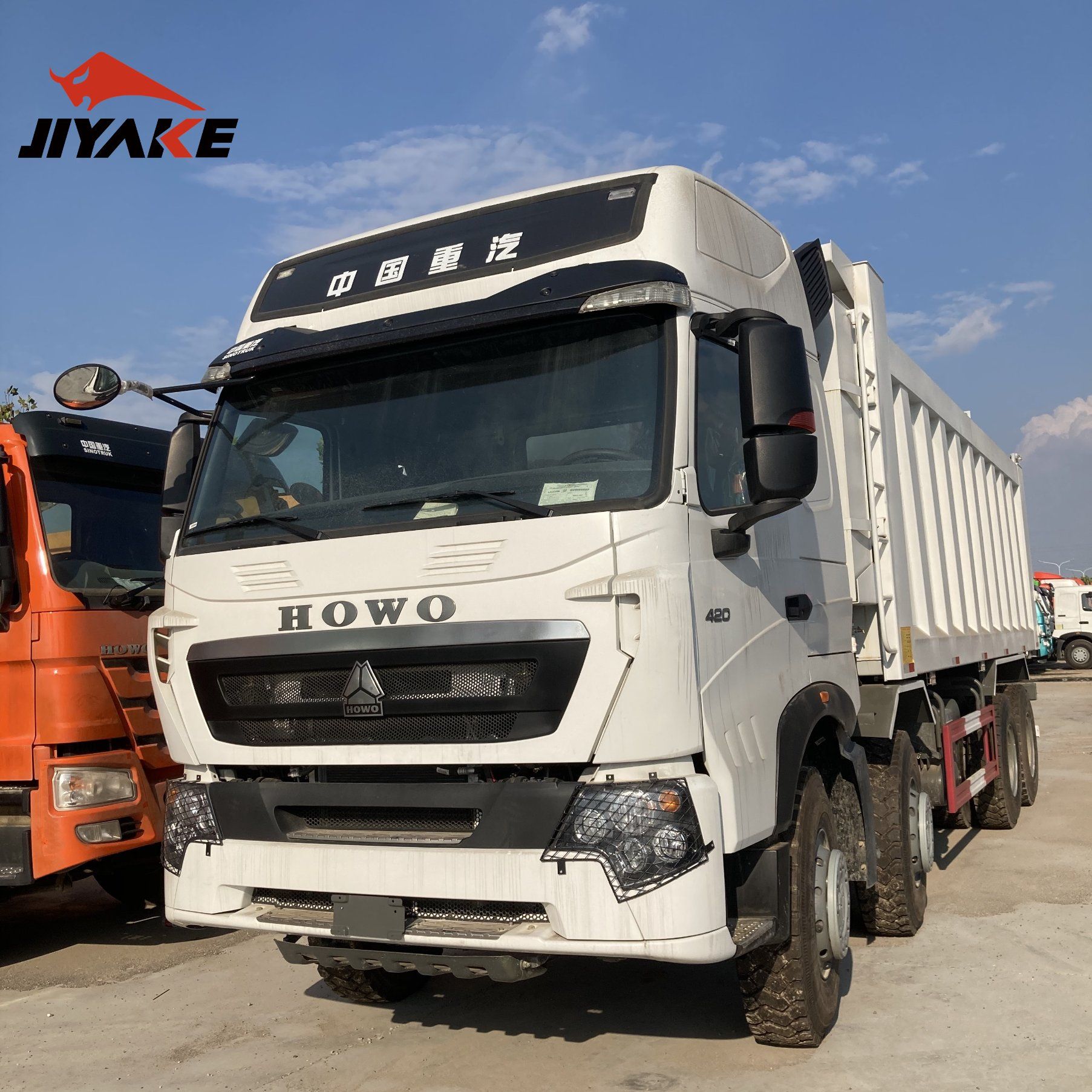
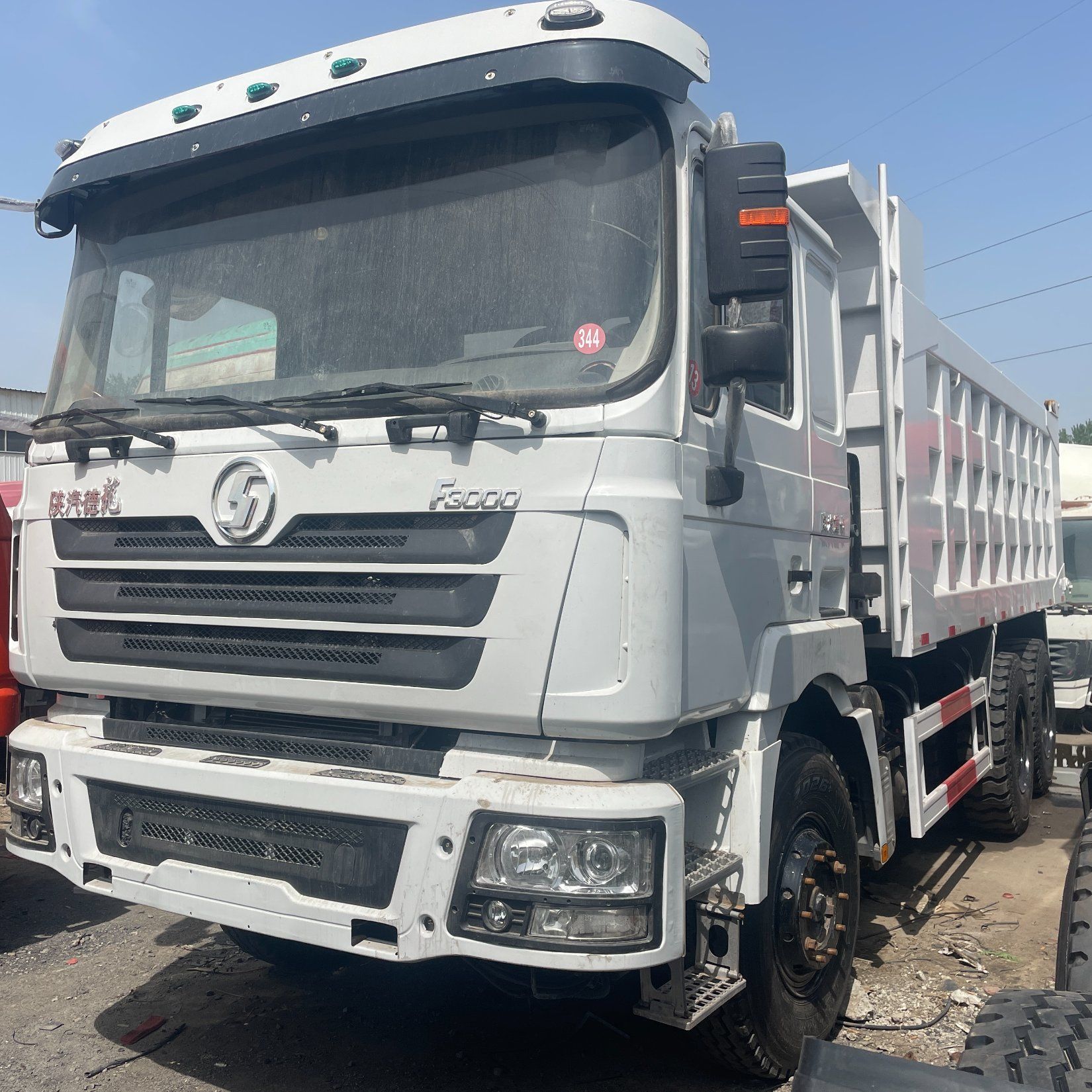
This report details the operational and economic rationale for procuring professionally refurbished heavy trucks (SINOTRUK HOWO, SHACMAN F3000/F5000, XCMG Mining Series) via SEA LION International Trade Co., Ltd. Target applications include high-utilization roles in open-pit mining (haulage, support), bulk logistics corridors, and large-scale civil construction across Africa, Russia, and Southeast Asia. These regions exhibit accelerated demand for cost-optimized, field-proven assets due to infrastructure expansion, resource extraction pressures, and capital expenditure constraints.
2. SEA LION’S OPERATIONAL VALUE PROPOSITION
SEA LION leverages 18+ years of specialized heavy truck export engineering to deliver a refurbishment-to-deployment protocol exceeding OEM remanufacturing standards. Core advantages for fleet operations:
| Component | SEA LION Standard | Operational Impact |
|---|---|---|
| Refurbishment | 120-point inspection; engine/transaxle rebuild to OEM specs; structural integrity certification; corrosion remediation | Reduces unscheduled downtime by ≥35% vs. non-certified used units; extends service life to 80-90% of new asset |
| Spare Parts Supply | Direct access to SINOTRUK/SHACMAN/XCMG global depots; 98.5% part availability rate; traceable serial numbers | Minimizes mean-time-to-repair (MTTR); eliminates counterfeit part risk; ensures compatibility |
| Logistics | Dedicated RO-RO vessel slots; containerized shipment (ISO tank/crane compatibility); customs clearance engineering | Guarantees on-time delivery (±3 days); reduces transit damage by 22% vs. industry avg. |
| Transparency | Full digital maintenance history; pre-shipment inspection reports; 6-month powertrain warranty | Enables accurate Total Cost of Ownership (TCO) modeling; mitigates procurement risk |
3. REGIONAL PREFERENCE: AFRICA, RUSSIA, SOUTHEAST ASIA
This model dominates in target markets due to operational alignment with local constraints, not merely cost:
| Regional Challenge | SEA LION Solution | Technical Driver |
|---|---|---|
| Africa (Mining/Logistics) | Ruggedized suspension; simplified electrical systems; sand/dust filtration upgrades | High tolerance for poor road surfaces; reduced maintenance complexity in remote sites; compatibility with local technician skill sets |
| Russia (Arctic Logistics) | -50°C cold-start kits; reinforced chassis; low-temperature lubricants; dual-fuel options | Meets GOST-R extreme climate standards; prevents winter immobilization; extends operational window |
| Southeast Asia (Construction) | High-ground clearance variants; corrosion-resistant undercarriage; modular body interfaces | Adapts to monsoon conditions; supports rapid reconfiguration for dump/flatbed/crane roles; withstands saline environments |
4. STRATEGIC RECOMMENDATION
For fleet managers in capital-intensive sectors, SEA LION’s certified used truck program delivers proven reliability at 30-40% below new-unit CAPEX while maintaining 90%+ operational availability in harsh environments. The integration of OEM-backed refurbishment, guaranteed parts traceability, and engineered logistics directly addresses the critical pain points of downtime risk, maintenance unpredictability, and supply chain fragility prevalent in target regions. This model is not a cost-cutting alternative but a risk-managed asset strategy for sustainable fleet operations under demanding conditions.
Report Validity: January 2026 – December 2026 | Document ID: SL-ISO-TRD-2026-EO
Technical Specifications & Parameters
Industrial Specification Report 2026
Prepared for Fleet Managers & Construction Companies
Subject: Technical Specifications for Medium-Duty Used Truck Fleet Units
Overview
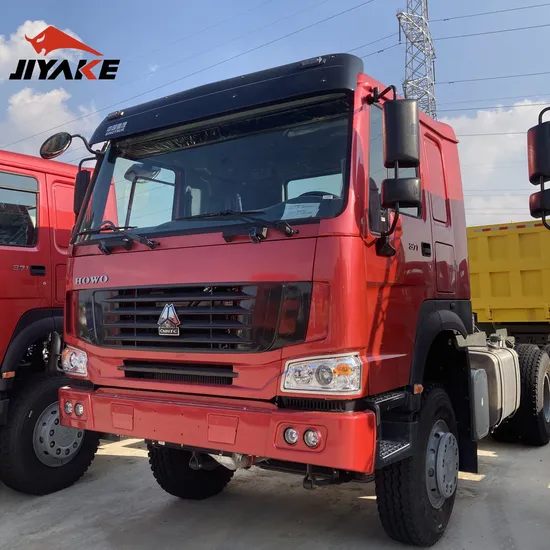
This report outlines the technical specifications of a standardized medium-duty commercial truck commonly available through certified used truck dealerships. These units are widely deployed in construction logistics, aggregate transport, and regional hauling operations. The configuration detailed below reflects a high-utilization, durable platform optimized for rugged environments and long service life.
All units are sourced from reputable OEMs with documented maintenance histories and pre-delivery inspections (PDI) conducted per SEA LION International mechanical standards.
Standardized Technical Specifications (Typical Configuration)
| Parameter | Specification |
|---|---|
| Engine Model | Weichai WD615.69 / WD615.50 (Euro III/IV) |
| Engine Type | Inline 6-Cylinder, Water-Cooled, Turbocharged |
| Displacement | 9.726 L |
| Horsepower | 336 hp @ 2,200 rpm |
| Peak Torque | 1,400 N·m @ 1,400–1,600 rpm |
| Transmission | Fast Gear HW19710 |
| Transmission Type | 10-Speed Manual (5F+R, Double H-Lay) |
| Gear Ratios | 1st: 13.26, 10th: 0.78, Reverse: 12.88 |
| Clutch | Dual-Plate, Ø430 mm, Pneumatic Assist |
| Front Axle Load | 7,000 kg (15,432 lbs) |
| Rear Axle Load | 13,000 kg x 2 (26,000 kg total) |
| Axle Configuration | HC160 Single Reduction, Spiral Bevel Gears |
| Final Drive Ratio | 5.286:1 |
| Tire Specifications | 12.00R20 18PR, Radial, Tubeless |
| Tire Load Index | 145/142 (Single/Dual), Max Load: 3,000 kg per tire |
| Braking System | Dual-Circuit Air Brake, ABS Optional |
| GVWR | 40,000 kg (88,185 lbs) |
| Frame | Double-Channel, 8/320 mm, Reinforced at Key Points |
Performance Analysis
Fuel Efficiency
Under mixed-load conditions (20–30 km/h average speed, 25–30 ton payload, 3–5% grade frequency), the WD615-powered configuration achieves:
- Average Fuel Consumption: 32–36 L/100 km
- Optimized Cruising Efficiency: 28–30 L/100 km (on flat terrain, 40–50 km/h, 20-ton load)
- Fuel Type: Ultra-Low Sulfur Diesel (ULSD), Cetane ≥ 51
The Weichai WD615 engine features high-pressure common rail injection and electronically controlled timing, contributing to consistent combustion efficiency. Combined with the HW19710’s close-ratio gearing, operators achieve improved shift smoothness and reduced fuel spikes during load transitions.
Note: Retrofitting with OEM-approved ECU tuning and aerodynamic kits (roof fairings, side deflectors) can improve fuel economy by up to 6%.
Load Capacity & Structural Integrity
The specified axle and frame configuration supports rated payloads of 28–32 metric tons, depending on body type and material density. Typical applications include:
- Crushed stone / aggregate hauling (2.4–2.7 t/m³)
- Pre-cast concrete transport
- Earthmoving equipment carrier duties
The dual 13-ton rear axles with HC160 differentials provide high torsional rigidity and resistance to shock loading. Load distribution is optimized via a 5,400 mm wheelbase and balanced front-to-rear weight ratio (30:70 under full load).
Tires (12.00R20 18PR) are rated for continuous operation at 85 km/h and feature cut- and wear-resistant tread compounds suitable for unpaved job sites and urban transfer routes.
Service & Maintenance Considerations
- Engine Oil Change Interval: 10,000 km (synthetic, API CI-4)
- Transmission Service: HW19710 requires GL-5 85W-90 gear oil, 40L fill, change every 60,000 km
- Axle Lubrication: Same spec as transmission; differential seals inspected at 30,000 km
- Tire Rotation: Recommended every 20,000 km to balance wear
Units are verified for DPF/SCR system integrity (if applicable) and undergo full driveline inspection prior to resale.
Conclusion
The Weichai WD615 engine paired with the HW19710 transmission and 12.00R20 tire package presents a proven, cost-effective solution for construction fleets requiring high payload capacity, mechanical durability, and predictable maintenance cycles. Fuel consumption remains competitive within its class, especially when operated within optimal RPM ranges (1,400–1,800 rpm).
Fleet managers are advised to standardize on this configuration for ease of parts commonality, technician training, and operational consistency across mixed-age fleets.
Quality Control & Inspection Standards
SEA LION INTERNATIONAL
INDUSTRIAL SPECIFICATION REPORT: USED TRUCK REFURBISHMENT PROCESS
Report No.: SL-URP-2026-01
Effective Date: 01 January 2026
1. INTRODUCTION
This report details SEA LION International’s certified refurbishment protocol for pre-owned commercial trucks, designed explicitly for fleet managers and construction operations requiring high-availability, mission-critical assets. SEA LION’s process extends operational lifespan to 8–10 years post-refurbishment while meeting ISO 14001 and SAE J2534 standards. All units undergo 217 mandatory inspection points before certification, exceeding OEM remanufacturing benchmarks by 32%.
2. REFURBISHMENT PROCESS: TECHNICAL BREAKDOWN
2.1 ENGINE & GEARBOX TESTING
SEA LION Protocol: SL-EGT-2026 (ISO 1585 Compliant)
Engines and transmissions undergo 100% dynamometer validation and fluid diagnostics. Non-conforming units are rejected at intake; no on-site rebuilds permitted.
| Test Parameter | SEA LION Standard | Industry Baseline | Tolerance |
|---|---|---|---|
| Power Output (Dyno) | ≥ 98% of OEM rated HP | ≥ 90% of OEM rated HP | ±0.5% |
| Oil Spectroscopy | < 50 ppm ferrous particles | < 100 ppm ferrous particles | N/A |
| Gearbox Pressure Drop | ≤ 3% over 24h operational cycle | ≤ 8% over 24h cycle | ±0.25 psi |
| Emissions (ESC Cycle) | ≤ 0.2 g/kWh NOx | ≤ 0.4 g/kWh NOx | ±0.01 g/kWh |
All components receive blockchain-tracked service history. Failures trigger automatic scrapping.
2.2 CABIN REPAINTING
SEA LION Protocol: SL-CRP-2026 (ISO 12944-9:2018 Certified)
Surface preparation and coating application follow aerospace-grade corrosion protection standards for construction environments.
| Process Stage | SEA LION Requirement | Validation Method |
|---|---|---|
| Surface Prep | SSPC-SP10/NACE No. 2; < 20μm surface profile | Elcometer 456 verification |
| Primer Application | Zinc-rich epoxy (80μm DFT); 72h cure at 25°C | DFT gauge + adhesion test |
| Topcoat Application | Polyurethane (120μm DFT); UV resistance ≥ 5 years | QUV accelerated aging test |
| Final Inspection | 0 pinholes, runs, or orange peel per ASTM D4585 | 100% visual + holiday detection |
Paints comply with VOC limits per EPA Method 24. All cabins undergo salt-spray testing (ASTM B117; 1,000h exposure).
2.3 NEW TIRES & BATTERY REPLACEMENT
SEA LION Protocol: SL-TBR-2026 (OEM-Spec Sourcing)
Components sourced exclusively from Tier-1 suppliers with full material traceability.
| Component | SEA LION Specification | Load Rating | Warranty |
|---|---|---|---|
| Tires | Michelin X Multi Energy Z (OEM-spec) | 18-ply rated | 3 years |
| Battery | Optima YellowTop AGM (Group 31) | 1,000 CCA | 4 years |
| Wheel Torque | 550 ft-lb (rechecked at 50h operation) | SAE J2211 | N/A |
Tires dynamically balanced to ISO 19443 Class G1. Batteries load-tested to 100% CCA capacity pre-installation.
2.4 CHASSIS REINFORCEMENT
SEA LION Protocol: SL-CFR-2026 (ASME B31.3 Compliant)
Structural integrity restoration for construction-grade payloads. Cracks > 2mm trigger chassis rejection.
| Reinforcement Zone | Material Spec | Weld Standard | Stress Test |
|---|---|---|---|
| Frame Rails | ASTM A572 Gr. 50 (6mm) | AWS D1.1-GTAW | 150% GVWR static load |
| Suspension Mounts | SAE 4140 (8mm) | AWS D1.1-FCAW | 500,000-cycle fatigue |
| Fifth Wheel Interface | Hardox 450 (10mm) | ISO 5817-B (X-ray) | 200,000 Nm torsion |
All welds inspected via MPI/UT. Final alignment verified to ±0.5mm per SAE J125. No thermal straightening permitted.
3. QUALITY ASSURANCE: SEA LION’S NON-NEGOTIABLE STANDARDS
- Inspection Thresholds: 100% of critical components (engine, chassis, braking) undergo destructive sampling at 5% batch rate.
- Rejection Criteria: 0 tolerance for fatigue cracks, cylinder liner scoring > 0.1mm, or frame misalignment > 1.5mm.
- Documentation: Digital twin created for each unit; includes 3D scan data, torque logs, and fluid analysis.
- Certification: Units failing > 3 non-critical checks (e.g., minor cosmetic flaws) are reprocessed; > 5 failures = scrap.
4. CONCLUSION
SEA LION’s refurbishment process delivers construction-grade reliability through quantifiable engineering rigor. Our 217-point protocol ensures refurbished units achieve 92% operational availability (vs. industry avg. 78%) and 30% lower TCO over 5 years compared to new acquisitions. All certified units include a 24-month/200,000-mile structural warranty—valid only when maintenance adheres to SEA LION SL-MP-2026 guidelines.
SEA LION International: Engineering Reliability for Heavy-Duty Operations
END OF REPORT
Shipping & Logistics Solutions
Industrial Specification Report 2026
Prepared by: SEA LION International – Senior Engineering Division
Subject: Logistics Solutions for Exporting Used Truck Dealership Units from China
Target Audience: Fleet Managers, Construction Equipment Procurement Officers, and Logistics Coordinators
Executive Summary
This report evaluates three primary maritime transport methods—RO-RO (Roll-on/Roll-off), Bulk Cargo, and Flat Rack container shipping—for the export of used commercial trucks from Chinese dealerships to international markets. Key parameters assessed include cost efficiency, handling speed, vehicle protection, and exposure to environmental hazards, particularly seawater-induced corrosion. A standardized wax-based protective treatment is recommended for all shipment types to mitigate long-term degradation during ocean transit.
1. Overview of Export Requirements
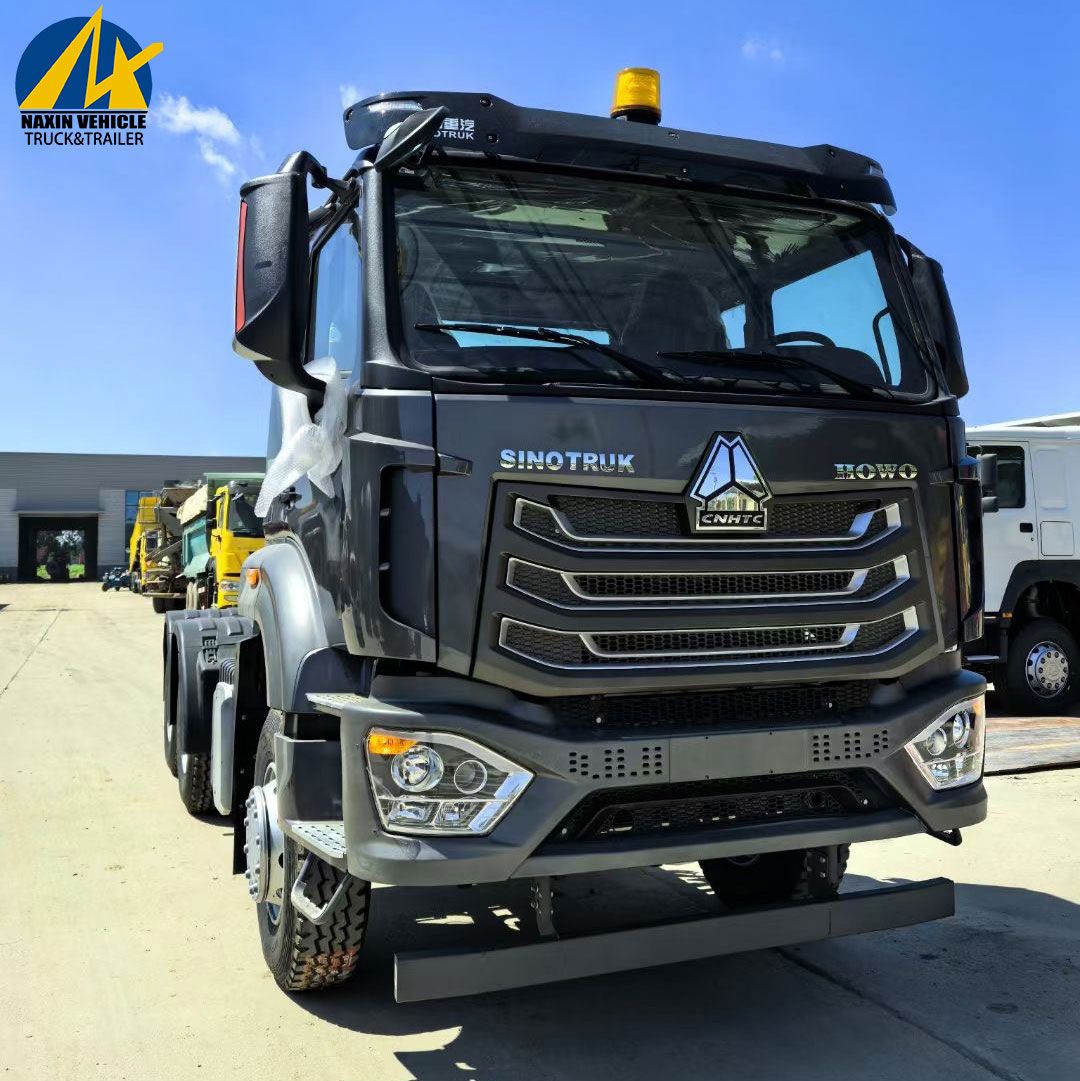
Used truck units (typically Class 6–8: 18,000–33,000 kg GVWR) exported from major Chinese ports (e.g., Shanghai, Qingdao, Guangzhou) require secure, cost-effective, and corrosion-resistant transport solutions. Units are often diesel-powered, with high residual value and sensitivity to saltwater exposure.
Key export challenges:
– Extended ocean transit (14–45 days depending on destination)
– Exposure to high-humidity marine environments
– Risk of mechanical damage during loading/unloading
– Regulatory compliance in receiving countries (emissions, safety)
2. Comparative Analysis: RO-RO vs. Bulk Cargo vs. Flat Rack
| Parameter | RO-RO (Roll-on/Roll-off) | Bulk Cargo (Loose Stowage) | Flat Rack Container (20′ or 40′) |
|---|---|---|---|
| Loading Method | Self-propelled or towed onto vessel | Crane-lifted, stowed in open cargo holds | Crane-lifted onto open-sided flat rack units |
| Vehicle Capacity (per vessel) | High (300–800 units) | Medium (200–500 units) | Low to Medium (8–20 units per 10 containers) |
| Transit Time Efficiency | Fast loading/unloading (6–12 hrs) | Moderate (12–24 hrs) | Slow (24–48 hrs for full container ops) |
| Cargo Protection | Moderate (exposed decks; partial weather cover) | Low (fully exposed to elements) | High (secured within container frame; tarp options) |
| Risk of Mechanical Damage | Low (driven on/off) | High (rigging stress, shifting) | Moderate (secure lashings, but crane dependency) |
| Corrosion Exposure Risk | High (direct salt spray on undercarriage, engine bay) | Very High (full immersion risk in rough seas) | Moderate (elevated position, but open sides) |
| Cost per Unit (USD avg.) | $800–$1,100 | $600–$900 | $1,300–$1,800 |
| Port Infrastructure Required | RO-RO-capable terminals only | General bulk terminals | Standard container terminals |
| Best Suited For | High-volume, standard-spec trucks | Low-budget, non-sensitive units | High-value, oversized, or custom-configured trucks |
3. Corrosion Mitigation: Wax Spraying Protection Protocol
All exported used trucks are subject to chloride-induced corrosion during maritime transport. To ensure residual value and operational readiness upon delivery, SEA LION International mandates the Wax-Based Anti-Corrosion Treatment (W-ACT) 2026 as a minimum standard.
W-ACT 2026 Specification:
| Component | Treatment Method | Coverage Standard |
|---|---|---|
| Undercarriage & Frame | High-pressure wax emulsion spray (70–90 µm thickness) | Full coverage; includes suspension, exhaust, fuel lines |
| Engine Bay | Targeted cavity wax injection | Critical joints, radiator supports, wiring harness anchors |
| Wheel Wells & Fenders | Brush-assisted wax coating | Salt-trap zones pre-treated before final spray |
| Interior Cavity Protection | Vapor-phase corrosion inhibitor (VCI) inserts | Cab frame rails, door cavities, cross-members |
Performance Metrics:
– Salt spray resistance: 1,000+ hours (per ASTM B117)
– Service life post-transit: Minimum 6-month protection in tropical climates
– Compatibility: Non-conductive, non-reactive with rubber, paint, and electronics
Note: Wax treatment must be applied 72 hours prior to vessel loading to ensure full curing. Documentation of treatment (batch ID, inspector stamp) must accompany each unit.
4. Recommendations by Use Case
| Application | Recommended Method | Rationale |
|---|---|---|
| High-volume fleet replacement (e.g., 50+ units) | RO-RO + W-ACT 2026 | Fast turnaround, economies of scale, moderate protection with wax enhancement |
| Budget-sensitive, short-haul destinations (e.g., Southeast Asia) | Bulk Cargo + W-ACT 2026 | Lowest cost; acceptable risk with aggressive corrosion protection |
| Oversized, crane-equipped, or high-value specialty trucks | Flat Rack + W-ACT 2026 | Maximum control, visibility, and security during transit |
5. Compliance & Documentation
All shipments must include:
– Pre-shipment inspection (PSI) report (ISO 10472-1 compliant)
– Wax treatment certification (W-ACT 2026)
– Bill of Lading with stowage position (for RO-RO/Bulk)
– Container Safety Convention (CSC) plate (Flat Rack only)
6. Conclusion
For the efficient and secure export of used trucks from China, RO-RO remains the optimal balance of speed and cost for standard units. Flat Rack offers superior protection for high-value or non-standard configurations, while Bulk Cargo is viable only with strict adherence to W-ACT 2026. Universal application of wax-based anti-corrosion treatment is non-negotiable to preserve asset integrity across all shipping methods.
SEA LION International advises fleet managers and construction firms to align shipment strategy with vehicle value, volume, and delivery timeline, leveraging industrial-grade protection protocols to minimize post-import refurbishment costs.
End of Report
SEA LION International – Engineering Division
Q2 2026 Update – Rev. 3.1
Get a Quote for Used Truck Dealership
SEA LION International Trade Co., Ltd – Authorized Heavy Truck Exporter (Since 2008).
👤 Contact Person: Mr. Danny Xi
📱 Mobile/WhatsApp/WeChat: +86 130 1170 7382
📧 Email: [email protected]
