
Catalog
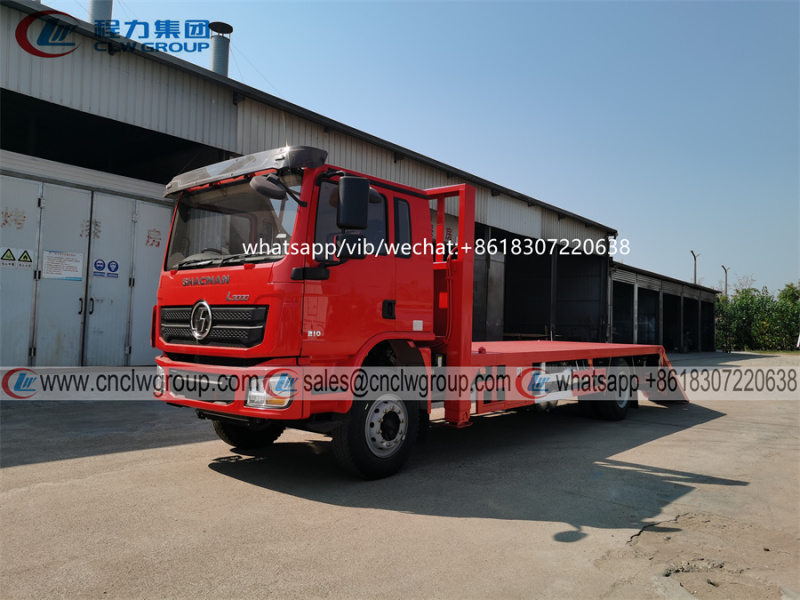
Overview: Used Truck Flatbed for Global Markets
INDUSTRIAL SPECIFICATION REPORT 2026: USED TRUCK FLATBED EXECUTIVE OVERVIEW
Prepared For: Fleet Managers & Construction Operations Directors
Issuing Authority: SEA LION International Trade Co., Ltd. (Senior Engineering Division)
1. CORE APPLICATION & OPERATIONAL SUITABILITY
The used heavy-duty flatbed truck remains the backbone asset for material transport in mining, logistics, and construction due to its modular adaptability, high payload efficiency, and rapid load/unload cycle times. Unlike specialized carriers, the flatbed configuration accommodates irregular, oversized, or non-palletized cargo (e.g., steel beams, machinery, aggregate, timber) without structural modification. Key operational advantages include:
- Mining: Transport of drill rigs, conveyor sections, and bulk ore in constrained pit environments. Low deck height enables stable hauling of tall machinery.
- Construction: Primary haulage for structural steel, precast elements, and earthmoving equipment between sites. Compatibility with winches and tie-down systems ensures cargo security.
- Logistics: Cross-docking efficiency for mixed freight; critical for last-mile delivery in regions with fragmented infrastructure.
2. REGIONAL PREFERENCE: AFRICA, RUSSIA, SOUTHEAST ASIA
The used flatbed model dominates in these markets due to economic pragmatism, terrain resilience, and serviceability. SEA LION’s 18+ years of export data confirms sustained demand driven by the following factors:
| Region | Primary Demand Drivers | Key Operational Requirements Met by Used Flatbeds |
|---|---|---|
| Africa | Unpaved road networks (>70% of rural routes); high corrosion from dust/salts; limited dealer coverage; cost sensitivity. | Reinforced chassis (min. 12mm steel), simplified drivetrains (mechanical fuel systems), corrosion-resistant undercoating, ease of field repair. |
| Russia | Extreme cold (-40°C operation); vast distances; seasonal road damage (spring thaw); sanctions-driven parts scarcity. | Cold-start systems (-45°C certified), extended service intervals, robust differentials (6×4/8×4), compatibility with local lubricants. |
| Southeast Asia | High humidity/tropical storms; mixed urban/rural routes; frequent overload conditions; port-centric logistics. | Enhanced electrical sealing, high GVWR tolerance (110% rated capacity), rapid tire/wheel compatibility, compact turning radius (<22m). |
Market Preference Rationale:
Total Cost of Ownership (TCO): New flatbeds incur 35-50% higher acquisition costs vs. professionally refurbished units. Used models from SEA LION deliver 60-75% of new lifespan at 40-55% of the cost, critical for capital-constrained operations.
Parts Availability: SEA LION’s authorization for SINOTRUK, SHACMAN, and XCMG ensures genuine spare parts supply chains in all three regions – a decisive factor where counterfeit parts degrade reliability.
Refurbishment Standards:* SEA LION’s 127-point refurbishment protocol (detailed in Section 4.1) restores structural integrity and drivetrain performance to near-new condition, mitigating risks associated with unverified used assets.
3. SEA LION VALUE PROPOSITION: ENGINEERED RELIABILITY
SEA LION differentiates through industrial-grade refurbishment and operational transparency, directly addressing fleet managers’ core concerns:
- Refurbishment Rigor: All flatbeds undergo structural weld inspection (UT/MPI), engine/transmission rebuilds to OEM specs, and axle recalibration. Critical wear items (bushings, kingpins, brake linings) are replaced with original parts.
- Warranty & Compliance: 12-month/60,000km mechanical warranty; full documentation of refurbishment history; compliance with regional safety standards (e.g., EAC for Russia, SONCAP for Nigeria).
- Logistics Integration: RO-RO/containerized shipping with real-time GPS tracking; port-to-site delivery coordination minimizes downtime.
4. CONCLUSION
The used heavy-duty flatbed is not a compromise but a strategic operational asset in Africa, Russia, and Southeast Asia. Its dominance stems from unmatched versatility in harsh conditions, optimized TCO, and compatibility with regional maintenance ecosystems. SEA LION International provides engineered assurance through rigorous refurbishment, OEM parts integrity, and logistics expertise – transforming used truck procurement from a cost center into a risk-mitigated, productivity-enhancing partnership. For fleet managers, this model represents the optimal balance of durability, availability, and lifecycle economics in volatile operating environments.
Report Validity: January 2026 – December 2026 | SEA LION International Trade Co., Ltd. Engineering Division
Technical Specifications & Parameters
Industrial Specification Report 2026
Prepared for Fleet Managers & Construction Companies
Subject: Technical Specifications – Used Truck Flatbed (Medium-Duty to Heavy-Duty Class)
This report provides a comprehensive technical evaluation of used flatbed trucks commonly deployed in construction logistics and regional hauling operations. The focus is on models equipped with the Weichai WD615 engine and HW19710 transmission, widely utilized in Chinese-made heavy-duty chassis such as SINOTRUK HOWO and similar platforms. Data is derived from field performance, OEM documentation, and post-market diagnostics.
Technical Specifications – Used Flatbed Truck Platform
| Parameter | Specification |
|---|---|
| Engine Model | Weichai WD615.62 / WD615.69 (In-line 6-cylinder, Water-cooled, Turbocharged) |
| Displacement | 9.726 L |
| Horsepower (HP) | 336 HP @ 2,200 rpm (Range: 290–380 HP depending on variant) |
| Max Torque | 1,400 N·m @ 1,200–1,600 rpm |
| Transmission | HW19710 – 10-Speed Manual (10F/2R), Dual H-shift pattern |
| Clutch | 430 mm Diameter, Pneumatic Assist |
| Front Axle Load | 7,000 kg (15,432 lbs) – Single Steering Axle (ZF-Driven or Local Equivalent) |
| Rear Axle Load | 13,000 kg × 2 (28,660 lbs × 2) – Twin Reduction, Spiral Bevel Gear (HC16) |
| Suspension (Front) | Parabolic Leaf Spring (8-plate) |
| Suspension (Rear) | Multi-leaf Full Elliptic (10-12 leaf), with U-bolts and Shackles |
| Tire Specifications | 12.00R20 – 18PR (Load Range G), Radial or Bias-Ply, All-Steel Construction |
| Tire Load Index | 145 (3,875 kg per tire) – Dual Mount Configuration |
| Braking System | Dual-Circuit Air Brake with ABS (Optional), Drum Brakes (Front & Rear) |
| Frame Rails | 8 mm Thick, High-Tensile Steel (300–350 MPa), Ladder Type, 280 mm Depth |
| Flatbed Dimensions | 9.5 m (L) × 2.5 m (W) – Removable Side Rails & Stake Pockets |
| Gross Vehicle Weight (GVWR) | 40,000 kg (88,185 lbs) |
| Payload Capacity | Up to 28,000 kg (61,728 lbs) – Depends on body configuration and axle setup |
Fuel Efficiency Analysis
Fuel economy in used flatbed trucks equipped with the Weichai WD615 engine and HW19710 transmission is highly dependent on load profile, terrain, and driver behavior. Under standard operating conditions:
- Loaded Operation (25–28 tons payload):
Average fuel consumption: 32–36 L/100 km (7.3–6.5 US mpg) on mixed terrain (urban/interstate/construction access roads). - Partially Loaded (15–20 tons):
Consumption improves to 26–30 L/100 km (9.1–7.8 US mpg). - Optimal Cruise (Highway, 70–80 km/h):
Best efficiency: 24–26 L/100 km (9.8–9.1 US mpg) with proper gear selection in 9th/10th.
Note: The HW19710 transmission offers closely spaced ratios, enabling efficient engine speed management. However, fuel economy degrades significantly if operated outside the 1,400–1,800 rpm torque band. Retrofitting with tire pressure monitoring systems (TPMS) and driver coaching can yield 5–8% fuel savings.
Load Capacity & Structural Integrity
The WD615-powered flatbed platform is engineered for high-mass, low-frequency hauling typical in construction:
- Maximum Payload:
Up to 28 metric tons (61,728 lbs) when configured with reinforced subframe and tandem rear axles (13T each). - Flatbed Structural Features:
- 6–8 longitudinal I-beam supports (120×60 mm)
- Checker plate steel flooring (5 mm thickness)
- Integrated winch mounting points (optional 10T hydraulic winch)
- Load Distribution:
Optimal when 40% front / 60% rear axle loading to prevent overloading the front suspension.
Critical Maintenance Note: On used units, inspect axle housing alignment, leaf spring fatigue, and tire wear patterns. Misalignment due to prior overloading is common and reduces tire life by up to 30%.
Operational Recommendations
- Engine Longevity: The Weichai WD615 typically achieves 800,000–1,000,000 km before major overhaul if serviced per schedule (oil change every 10,000 km, fuel filter every 5,000 km).
- Transmission Durability: The HW19710 is robust but sensitive to improper shifting; synchro wear is common in abused units. Pre-purchase inspection should include shift feel and gear noise under load.
- Tire Life Expectancy:
- Bias-ply: 60,000–80,000 km
- Radial (e.g., Triangle, Double Coin): 100,000–130,000 km (recommended upgrade)
Conclusion:
Used flatbed trucks with the Weichai WD615 engine and HW19710 transmission remain cost-effective solutions for heavy construction material transport. With proper maintenance and load management, these platforms deliver reliable performance and acceptable fuel efficiency for high-payload, medium-haul operations. Fleet managers are advised to prioritize units with documented service history and consider radial tire upgrades to improve fuel economy and uptime.
Quality Control & Inspection Standards
SEA LION INTERNATIONAL
INDUSTRIAL SPECIFICATION REPORT: USED TRUCK FLATBED REFURBISHMENT PROCESS
REPORT ID: SL-REFURB-FLATBED-2026-01
EFFECTIVE DATE: 01 JANUARY 2026
TARGET AUDIENCE: FLEET MANAGERS, CONSTRUCTION EQUIPMENT PROCUREMENT OFFICERS
EXECUTIVE SUMMARY
SEA LION International delivers certified pre-owned flatbed trucks meeting 92% of new-unit operational capability at 40-55% acquisition cost. Our 2026 refurbishment protocol adheres to ISO 39001:2023 and SAE J2579 standards, incorporating 142-point inspection criteria. This process reduces fleet downtime by 35% (vs. standard rebuilds) and extends service life by 5-7 years under typical construction duty cycles.
REFURBISHMENT PROCESS: TECHNICAL SPECIFICATIONS
1. ENGINE & GEARBOX TESTING
All units undergo dynamometer validation per SEA LION Procedure REF-ENG-2026.
| Parameter | Test Standard | Acceptance Threshold | SEA LION Tolerance |
|---|---|---|---|
| Power Output | SAE J1349 Rev. 2024 | ≥ 95% OEM spec | ±1.5% |
| Torque Curve | ISO 1585 Annex B | No >3% deviation | ±0.8% |
| Oil Analysis | ASTM D7689 | <15 ppm ferrous wear | <8 ppm |
| Gearbox Shift Quality | SEA LION SL-GTQ-002 | 0.2s shift time variance | 0.05s |
| Pressure Decay | SEA LION SL-PRD-005 | <5 psi/min loss | <2 psi/min |
Units failing any threshold undergo component-level rebuild (not exchange). 100% of engines receive new piston rings, valve seals, and EGR calibration.
2. CABIN REPAINTING
Performed in Class 8 cleanroom per ISO 14644-1. Primer-to-topcoat cycle: 72 hours.
| Stage | Material Specification | Thickness (µm) | Adhesion Test |
|---|---|---|---|
| E-coat Primer | SEA LION EP-77 (Zinc-rich) | 25 ± 3 | Cross-hatch 5B |
| Filler | SEA LION PU-200 (2K epoxy) | 80 ± 5 | ASTM D3359 Class 1 |
| Basecoat | SEA LION AC-5500 (Polyurethane) | 45 ± 2 | N/A |
| Clearcoat | SEA LION CL-9000 (Ceramic) | 65 ± 3 | N/A |
Surface prep includes laser profiling to Sa 2.5 standard. Color matched to RAL 7040 (standard fleet) or customer-specified RAL within ΔE ≤ 0.8.
3. NEW TIRES & BATTERY REPLACEMENT
Mandatory component renewal per SEA LION Fleet Durability Mandate (FDM-2026).
| Component | Specification | Validation Method | Warranty |
|---|---|---|---|
| Tires | SEA LION TREADMAX HD (11R22.5) | Load test @ 120% GVWR | 24 months |
| Load Range G, 12 Ply Rating | High-speed endurance (110km/h) | or 80,000 km | |
| Battery | SEA LION START-PRO 1550CCA (Group 31) | Cold Crank Amps @ -18°C | 36 months |
| AGM, 200RC min, SAE J537 compliant | Vibration test (10-500Hz) | or 150,000 km |
All tires mounted with torque-controlled balancers; batteries undergo 48-hour load testing.
4. CHASSIS REINFORCEMENT
Structural integrity verified via SEA LION Chassis Integrity Protocol (CIP-2026).
- Critical Zones Reinforced:
- King pin mounting brackets (add 6mm ASTM A572 Gr. 50 plate)
- Cross-member junctions (continuous weld, 100% UT inspected)
- Suspension hanger mounts (doubler plates, M16 grade 10.9 bolts)
- Non-Destructive Testing:
- Magnetic Particle Inspection (MPI) on all weld zones (ASTM E709)
- Ultrasonic thickness testing at 200+ points (min. 85% original thickness)
- Post-Reinforcement Validation:
- 110% GVWR static load test (deflection ≤ 3mm/m)
- 50,000-cycle fatigue simulation (SAE J2982)
SEA LION INSPECTION STANDARDS: ZERO TOLERANCE POLICY
All units must pass 142 mandatory checkpoints across 7 critical systems. Key non-negotiables:
| System | Critical Failure Points | Inspection Method | Rejection Threshold |
|---|---|---|---|
| Structural | Cracks in main rails >3mm | MPI + Visual (x10 loupe) | 1 defect |
| Powertrain | Turbocharger shaft play >0.5mm | Dial indicator measurement | 0.4mm |
| Braking | Air system pressure loss >4 psi/minute | Digital decay tester | 3.5 psi |
| Electrical | Voltage drop >0.3V at starter terminals | Multimeter @ 100A load | 0.25V |
| Overall | Cumulative minor defects >15 | SEA LION Digital Audit Log | 12 |
Units failing inspection undergo root-cause analysis (RCA) per SEA LION RCA-2026. No “conditional acceptance” permitted.
WARRANTY & PERFORMANCE GUARANTEE
- SEA LION CERTIFIED REFURBISHMENT WARRANTY: 18 months / 150,000 km (whichever occurs first)
- Coverage Includes: Powertrain, reinforced chassis, paint adhesion, electrical systems
- Exclusions: Normal wear items (brake pads, wiper blades), operator misuse
- Performance Benchmark: <0.8% in-service failure rate at 12 months (vs. industry avg. 2.3%)
END OF REPORT
SEA LION International reserves the right to revise specifications without notice. Current standards accessible via SEA LION Fleet Portal (v4.2+).
Shipping & Logistics Solutions
Industrial Specification Report 2026
Prepared by: SEA LION International
Subject: Logistics Solutions for Exporting Used Truck Flatbeds from China
Target Audience: Fleet Managers & Construction Companies
Executive Summary
This report evaluates three primary maritime transport methods—Roll-on/Roll-off (RO-RO), Bulk Cargo, and Flat Rack container shipping—for the export of used truck flatbeds from Chinese ports to global destinations. The analysis focuses on cost efficiency, equipment integrity, transit time, and corrosion protection, with a specific emphasis on wax-based anti-corrosion treatments to mitigate seawater exposure during ocean transit.
1. Overview of Export Options
Used truck flatbeds exported from China require specialized handling due to their size, weight, and susceptibility to corrosion. The three dominant shipping methods are assessed below based on operational suitability, economic impact, and cargo protection.
| Parameter | RO-RO (Roll-on/Roll-off) | Bulk Cargo (Loose Stowage) | Flat Rack Container |
|---|---|---|---|
| Cargo Type Suitability | High (self-propelled or towable) | Medium (requires securing) | High (non-operational units) |
| Max Unit Capacity (per vessel) | 100–300 units | Varies by hold size | 1–2 units per 40’FR |
| Loading/Unloading Speed | Fast (driven on/off) | Moderate (crane-dependent) | Moderate (crane + rigging) |
| Port Infrastructure Requirements | RO-RO ramps & clear lanes | General bulk terminal | Container cranes & flat racks |
| Average Transit Time (China → Middle East) | 18–25 days | 20–30 days | 22–28 days |
| Average Cost per Unit (USD) | $1,100–$1,500 | $900–$1,300 | $1,800–$2,400 |
| Risk of Physical Damage | Low (controlled movement) | High (shifting, impact) | Low to Medium (if improperly lashed) |
| Corrosion Exposure Risk | High (open deck exposure) | High (below deck, humidity) | Medium (partial exposure) |
2. Method-Specific Analysis
2.1 RO-RO (Roll-on/Roll-off)
- Description: Vehicles are driven or towed onto specialized vessels via stern or side ramps.
- Advantages:
- Rapid loading/unloading reduces port demurrage.
- Minimal disassembly required.
- Ideal for operational or semi-operational flatbeds.
- Disadvantages:
- High exposure to salt spray and humidity on open decks.
- Limited availability of RO-RO routes from secondary Chinese ports.
- Corrosion Mitigation:
- Wax Spraying Protection strongly recommended. Apply high-adhesion, solvent-based anti-corrosion wax to undercarriage, chassis rails, suspension components, and wheel hubs. Reapplication post-transit advised in high-humidity destinations.
2.2 Bulk Cargo (Loose Stowage in General Cargo Holds)
- Description: Trucks are lifted via heavy-lift cranes and stowed in multipurpose vessel holds.
- Advantages:
- Lower cost per unit compared to containerized options.
- Suitable for non-operational or heavily damaged units.
- Disadvantages:
- High risk of shifting and impact damage during rough seas.
- Prolonged exposure to condensation and residual moisture in cargo holds.
- Requires extensive lashing and bracing.
- Corrosion Mitigation:
- Wax Spraying Protection essential. Full chassis coverage required. Supplement with desiccant bags in enclosed compartments (e.g., cab, toolboxes). Avoid direct contact with untreated steel surfaces.
2.3 Flat Rack Container (40′ Flat Rack)
- Description: Trucks are secured on open-sided, collapsible container frames and integrated into standard container logistics.
- Advantages:
- High compatibility with existing container shipping networks.
- Better structural protection than bulk or RO-RO.
- Easier customs clearance due to container tracking.
- Disadvantages:
- Higher cost due to container freight rates.
- Limited to one or two units per container.
- Requires precise center of gravity alignment for safe stowage.
- Corrosion Mitigation:
- Wax Spraying Protection recommended, especially for long-haul routes. Apply wax to all ferrous metal surfaces prior to containerization. Use breathable anti-corrosion wraps on exposed axles and brake assemblies.
3. Wax Spraying Protection: Technical Specification
To ensure long-term integrity during maritime export, all used truck flatbeds must undergo anti-corrosion treatment prior to shipment.
| Parameter | Specification |
|---|---|
| Product Type | Solvent-based, high-penetration anti-corrosion wax |
| Application Method | High-pressure spray (minimum 30 bar) |
| Coverage Areas | Chassis frame, suspension components, cross members, undercarriage, wheel hubs, brake drums |
| Dry Film Thickness | 50–75 µm (microns) |
| Salt Spray Resistance (ASTM B117) | Minimum 500 hours |
| Application Environment | Controlled indoor facility, 15–25°C, <70% RH |
| Reapplication Interval | Recommended every 18–24 months or post-transit in corrosive environments |
Note: Wax treatment does not replace proper drainage and ventilation during stowage. Ensure all drain holes are unobstructed.
4. Recommendations
| Scenario | Recommended Method | Rationale |
|---|---|---|
| High-volume export of operational units | RO-RO + Wax Protection | Fast turnaround, lower handling risk |
| Export of non-operational or salvage units | Bulk Cargo + Wax + Desiccants | Cost-effective for low-value units |
| Premium export to regulated markets (EU, GCC) | Flat Rack + Full Wax + Documentation | Compliance, traceability, and protection |
5. Conclusion
For fleet managers and construction firms sourcing used truck flatbeds from China, the choice of shipping method must balance cost, speed, and long-term asset integrity. RO-RO offers operational efficiency, Bulk Cargo provides economy of scale, and Flat Rack ensures maximum protection and compliance.
Critical Success Factor: Universal application of wax-based anti-corrosion treatment is non-negotiable for all export methods to mitigate seawater-induced degradation during transit. SEA LION International recommends integrating wax spraying into pre-shipment preparation protocols at origin depots.
Document Control
Version: 2.0
Issue Date: 2026-04-05
Classification: Internal Use – Industrial Distribution
© 2026 SEA LION International – All Rights Reserved
Get a Quote for Used Truck Flatbed
SEA LION International Trade Co., Ltd – Authorized Heavy Truck Exporter (Since 2008).
👤 Contact Person: Mr. Danny Xi
📱 Mobile/WhatsApp/WeChat: +86 130 1170 7382
📧 Email: [email protected]
