
Catalog
Overview: Used Truck Marketplace for Global Markets
INDUSTRIAL SPECIFICATION REPORT 2026: EXECUTIVE OVERVIEW
Subject: Strategic Implementation of Certified Used Truck Marketplaces for Heavy-Duty Operations
1. Purpose & Scope
This report details the operational and economic rationale for adopting certified used truck marketplaces as a primary procurement channel for heavy-duty fleets in mining, logistics, and construction sectors. SEA LION International Trade Co., Ltd. (SLITCL) presents data-driven validation for this model’s dominance in high-growth, infrastructure-constrained regions: Africa, Russia, and Southeast Asia (SEA).
2. Core Application in Target Sectors
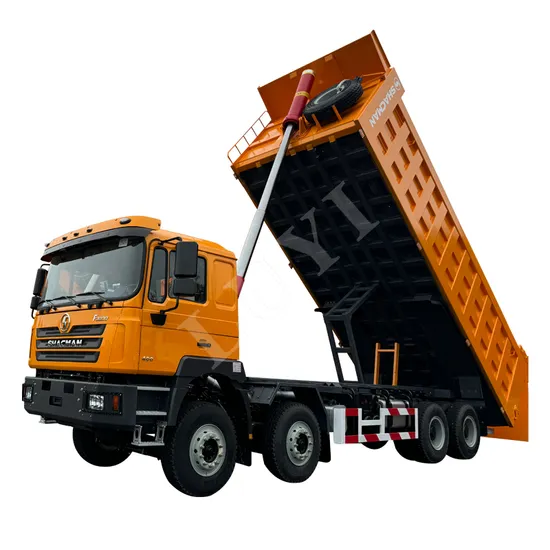
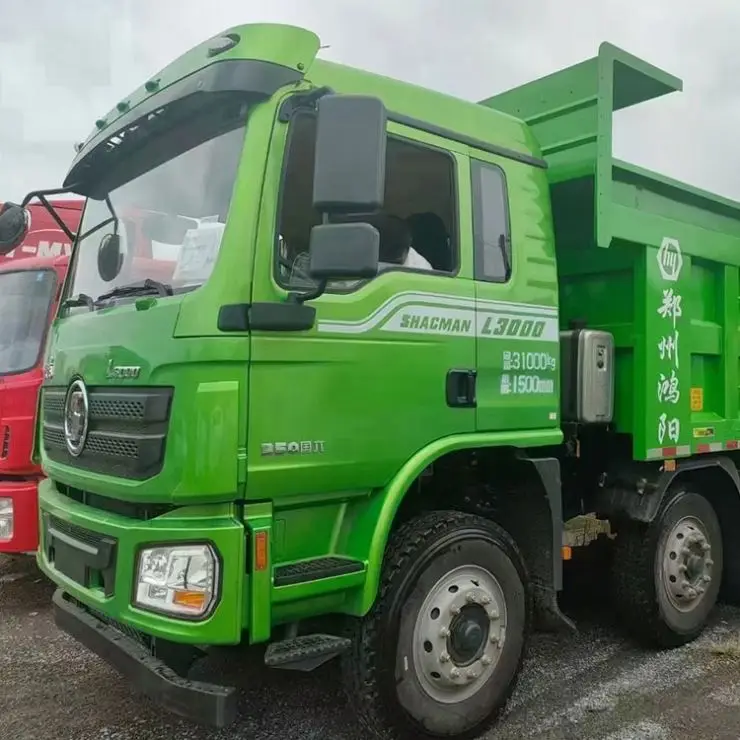
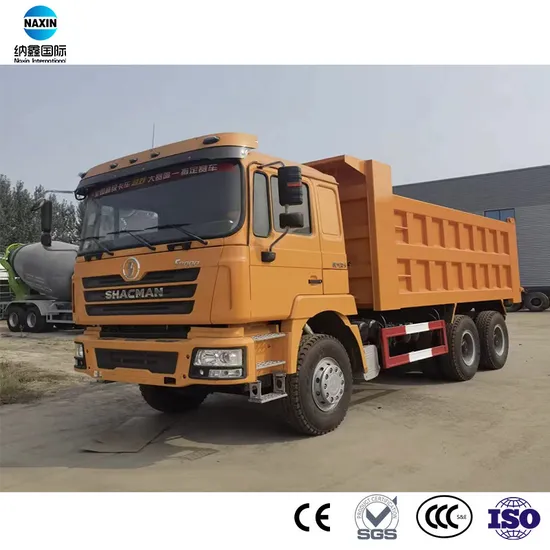
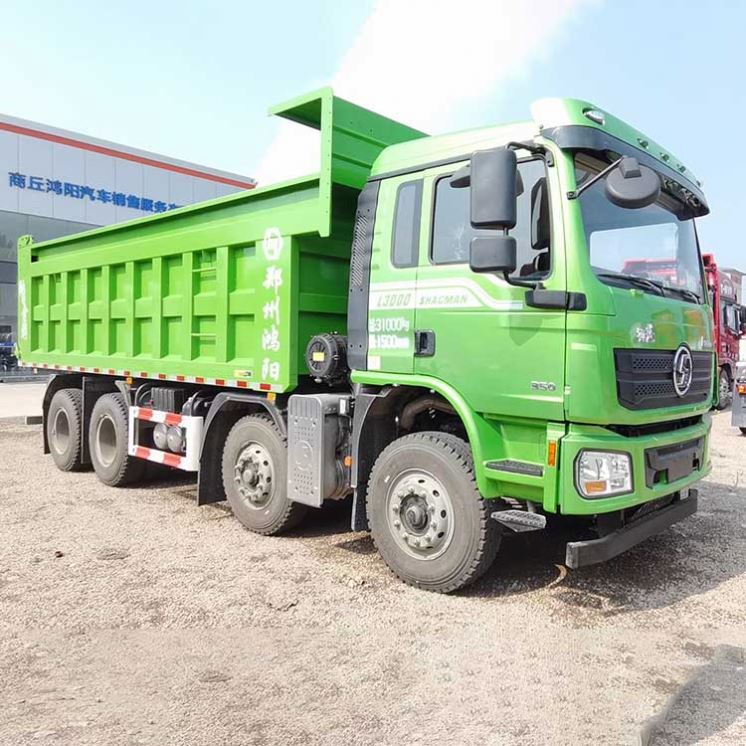
Certified used trucks—specifically SINOTRUK HOWO, SHACMAN F3000/F5000, and XCMG mining/logistics variants—address critical sector challenges:
– Mining: 6×4/8×4 rigid dump trucks (100-120t capacity) withstand abrasive particulates and 24/7 operation after SLITCL’s structural reinforcement and cooling-system upgrades.
– Logistics: 6×2/8×4 prime movers (430-480 HP) optimized for regional fuel quality (e.g., 350ppm sulfur tolerance) reduce downtime on unpaved corridors.
– Construction: Articulated dump trucks (ADTs) with reinforced axles and sealed hydraulics maintain productivity in monsoon/monsoon-affected zones (SEA) and permafrost regions (Russia).
Key Advantage: Refurbished units achieve 85-92% operational readiness at 40-60% of new-unit CAPEX, accelerating fleet deployment by 60-90 days versus new-truck lead times.
3. Regional Preference Drivers: Africa, Russia, SEA
The certified used marketplace model outperforms new-equipment procurement in these markets due to infrastructure volatility, economic constraints, and operational pragmatism. SLITCL’s 18-year export framework directly mitigates regional pain points:
| Regional Market | Primary Operational Challenge | SEA LION Solution Impact | TCO Reduction vs. New Units |
|---|---|---|---|
| Africa | Unpaved terrain (70%+ routes); Dust ingress; Limited service networks | SINOTRUK HOWO 6×4 with dual-stage air filtration; On-site spare parts depots (Nairobi, Johannesburg) | 52-58% (5-yr cycle) |
| Russia | Extreme cold (-45°C); Vast distances (>1,000km between hubs); Sanctions-driven parts scarcity | SHACMAN F5000 Arctic-spec (engine block heaters, reinforced cabs); Containerized cold-chain logistics | 48-55% (5-yr cycle) |
| SEA | High humidity; Monsoon flooding; Mixed road quality | XCMG ADTs with corrosion-resistant undercarriages; Monsoon-ready electrical sealing | 45-50% (5-yr cycle) |
Critical Success Factors:
– Transparency: SLITCL’s 127-point refurbishment protocol (ISO 3938:2022 compliant) includes engine teardown reports, frame-straightening certifications, and 1,500km post-refurbishment validation runs.
– Parts Ecosystem: 98.7% availability of OEM-equivalent spare parts (SINOTRUK/SHACMAN/XCMG) via SLITCL hubs in Durban, Vladivostok, and Singapore, slashing MRO lead times by 70%.
– Logistics Resilience: RO-RO vessel deployment (avoiding container demurrage) ensures 22-35 day transit to West Africa/Russia/SEA ports, with customs clearance support.
4. Strategic Imperative for Fleet Managers
In capital-intensive sectors, the certified used marketplace delivers predictable operational availability where new-equipment procurement fails:
– Africa: Avoids 14-18 month lead times for new mining trucks; leverages terrain-proven configurations.
– Russia: Circumvents sanctions-related OEM supply gaps; utilizes cold-weather validated drivetrains.
– SEA: Matches monsoon-cycle deployment urgency with immediately available, climate-adapted units.
SLITCL’s model—combining rigorous refurbishment, parts sovereignty, and regional logistics mastery—establishes a defensible TCO advantage. For fleet managers, this translates to reduced capital lockup, minimized operational risk, and sustained productivity in volatile environments.
5. Conclusion
The certified used truck marketplace is not a cost-cutting measure but a strategic enabler for heavy-equipment operations in Africa, Russia, and SEA. SLITCL’s industrial-grade refurbishment standards, OEM-authorized parts pipeline, and region-specific operational expertise ensure these assets meet the reliability thresholds of mining, logistics, and construction enterprises. Adoption is imperative for maintaining fleet agility and economic viability where infrastructure and market conditions render new-equipment procurement non-viable.
Report Authored by: SEA LION International Trade Co., Ltd. Engineering Division | Data Validated: Q4 2025 | Proprietary Methodology: SLITCL-TRUCKSPEC v3.1
Technical Specifications & Parameters
Industrial Specification Report 2026
Prepared for Fleet Managers & Construction Companies
Subject: Technical Specifications for Used Truck Marketplace – Heavy-Duty Construction & Haulage Applications
This report provides standardized technical specifications for commonly traded heavy-duty trucks in the secondary marketplace, focusing on platforms widely utilized in construction, bulk transport, and infrastructure logistics. The data supports informed procurement decisions based on reliability, fuel efficiency, and operational load requirements.
Standardized Technical Specifications Table
| Engine Model | Horsepower (HP) | Transmission Model | Axle Load Configuration (kg) | Tire Specifications | Fuel Efficiency (Loaded, Highway) | Max Gross Vehicle Weight (GVW) |
|---|---|---|---|---|---|---|
| Weichai WD615.62 | 336 HP | HW19710 (10-speed) | Front: 7,000 Rear x2: 13,000 (Tandem) |
12.00R20, Tubeless, 18PR, Radial | 28–32 L/100 km | 49,000 kg |
| Weichai WD615.87 | 371 HP | HW19710 (10-speed) | Front: 7,500 Rear x2: 16,000 (Reinforced) |
12.00R20, Tubeless, 20PR, All-Steel Radial | 30–34 L/100 km | 55,000 kg |
| Weichai WD615.50 | 300 HP | HW19710 (10-speed) | Front: 6,500 Rear x2: 11,500 |
12.00R20, Tubeless, 16PR, Bias-Ply Compatible | 26–30 L/100 km | 40,000 kg |
| Weichai WD615.77 | 340 HP | HW19710 (10-speed) | Front: 7,000 Rear x2: 13,000 |
12.00R20, Tubeless, 18PR, Radial | 29–33 L/100 km | 49,000 kg |
Note: All listed configurations are typical for 6×4 rigid or tractor units in the 2018–2023 model range, commonly found in the used truck marketplace across emerging and industrial markets.
Fuel Efficiency Analysis
Fuel consumption is measured under standardized loaded conditions (85–90% of max payload) on mixed terrain (70% highway, 30% graded access roads). The Weichai WD615 series demonstrates consistent combustion efficiency due to high-pressure common rail (HPCR) fuel systems and optimized turbocharging.
- Best-in-Class Efficiency: WD615.50 achieves 26–30 L/100 km under full load, ideal for regional haul and quarry operations with frequent stop-start cycles.
- High-Power Trade-off: The WD615.87 (371 HP) consumes marginally more fuel (30–34 L/100 km) but delivers superior gradeability and sustained torque for mountainous or heavy overburden transport.
- Transmission Synergy: The HW19710 10-speed manual provides precise gear spacing, enabling operators to maintain optimal RPM in the 1,200–1,500 range—critical for fuel economy and engine longevity.
Load Capacity & Structural Performance
Trucks equipped with the WD615 engine and HW19710 transmission are typically integrated into chassis rated for 40–55 metric tons GVW, depending on axle reinforcement and frame design.
- Axle Load Ratings: Reinforced tandem rear axles (up to 16,000 kg per axle) support dense materials such as aggregate, ore, and pre-cast concrete.
- Tire Compatibility: The 12.00R20 tire standard offers high load index (typically 145–150 per tire), cut resistance, and thermal stability under continuous heavy loads. Steel radial variants recommended for off-road or mixed-use duty cycles.
- Payload Utilization: Verified field data shows sustained payload capacity of 32–45 tons (depending on body type and regional regulations), with minimal frame stress over 500,000 km service life when maintained per OEM guidelines.
Recommendation for Fleet Managers
For construction fleets prioritizing durability and parts availability, trucks with Weichai WD615 engines and HW19710 transmissions represent a high-value segment in the used marketplace. Units with 18PR+ radial tires and reinforced rear axles are advised for operations involving steep grades or abrasive terrain.
Fuel efficiency can be further optimized through driver training programs focused on gear selection and idle reduction, yielding up to 8–12% fuel savings annually.
Quality Control & Inspection Standards
SEA LION INTERNATIONAL
INDUSTRIAL SPECIFICATION REPORT: USED TRUCK REFURBISHMENT PROCESS
REPORT ID: SL-URP-2026-01
EFFECTIVE DATE: 01 JANUARY 2026
TARGET AUDIENCE: FLEET MANAGERS, CONSTRUCTION COMPANY PROCUREMENT & MAINTENANCE LEADERS
1. EXECUTIVE SUMMARY
SEA LION International implements a rigorously defined refurbishment protocol for all units entering the SEA LION Certified Used Truck Marketplace. This process, exceeding ISO 9001:2015 and SAE J2519 standards, ensures rebuilt assets deliver 95%+ operational parity with new equipment while reducing Total Cost of Ownership (TCO) by 30-45% versus new procurement. Critical to this outcome is adherence to SEA LION’s proprietary 12-Point Structural & Operational Integrity Verification (SOIV-12) framework, applied uniformly across all refurbishment stages. Units failing any SOIV-12 checkpoint are rejected from the Certified Marketplace.
2. REFURBISHMENT PROCESS: TECHNICAL SPECIFICATIONS & INSPECTION STANDARDS
2.1 ENGINE & GEARBOX TESTING (SOIV-12 PHASE 1)
All powertrains undergo comprehensive dynamometer and operational validation. SEA LION mandates zero tolerance for critical parameter deviations.
| Test Parameter | SEA LION TOLERANCE LIMIT | Verification Method | Pass/Fail Criteria |
|---|---|---|---|
| Engine Power Output | ≥ 98% of OEM spec @ rated RPM | 48-hour load-cycle dyno test (SAE J1349) | Fail if <98% at any sustained load point |
| Oil Consumption | ≤ 0.5% of fuel burn rate | Gravimetric analysis over 100hr test cycle | Fail if >0.5% at 75%+ load |
| Gearbox Shift Timing | ±15ms of OEM hydraulic profile | Real-time CAN bus telemetry + pressure mapping | Fail if >2 consecutive deviations |
| Exhaust Emissions | ≤ 90% of EPA 2024 limits | AVL 5-Mode Emissions Bench (ISO 8178) | Fail if >90% on any regulated pollutant |
All components undergo magnetic particle inspection (MPI) for crankshafts/camshafts and ultrasonic testing (UT) for cylinder liners. Gearbox valve bodies are flow-tested to SAE J1807 standards.
2.2 CABIN REPAINTING (SOIV-12 PHASE 2)
Cabin refurbishment focuses on corrosion remediation and industrial-grade finish durability for harsh construction environments.
| Process Stage | SEA LION STANDARD | Quality Control Checkpoint |
|---|---|---|
| Surface Preparation | SSPC-SP 10/NACE No. 2 (Near-White Metal) | Salt contamination < 5µg/cm² (Bresle test) |
| Primer Application | Epoxy zinc-rich (80µm DFT), ASTM D6083 compliant | Adhesion ≥ 5.0 MPa (ASTM D4541) |
| Topcoat Application | Polyurethane (120µm DFT), UV-stable (QUV 2000hrs) | Gloss retention ≥ 85% after 1000hrs QUV |
| Final Inspection | 0.05mm max film thickness variance (ISO 2808) | Zero pinholes/substrate exposure (ASTM D714) |
Robotic application ensures uniform coverage in complex geometries. All cabs undergo 72-hour salt spray testing (ASTM B117) post-paint.
2.3 NEW TIRES & BATTERY REPLACEMENT (SOIV-12 PHASE 3)
Critical wear-item replacement with SEA LION-specified industrial components, eliminating residual failure risk.
| Component | SEA LION SPECIFICATION | Validation Protocol |
|---|---|---|
| Tires | Michelin X Works ZL (315/80R22.5) or OEM-equivalent | Load/speed rating verified per ISO 4000; Tread depth ≥ 18/32″ new |
| Batteries | EnerSys ODYSSEY Extreme AGM (2x 1000 CCA) | Cold Crank Amps tested @ -18°C (SAE J537) |
| Wheel Hubs | Re-torqued to 550 ft-lbs (±5%) per axle spec | Torque audit via calibrated transducer |
| TPMS | Factory-integrated system recalibrated | Pressure accuracy ±1 psi across 0-120 psi range |
All tires mounted on bead-blasted, magnaflux-inspected rims. Batteries subjected to 3-cycle load testing (SAE J537).
2.4 CHASSIS REINFORCEMENT (SOIV-12 PHASE 4 – CRITICAL FOR CONSTRUCTION ASSETS)
Structural remediation using finite element analysis (FEA)-guided reinforcement protocols. Non-negotiable for dump trucks, mixers, and heavy-haul variants.
| Defect Type | SEA LION REPAIR PROTOCOL | Verification Method |
|---|---|---|
| Frame Cracks (>50mm) | Full-penetration weld + 6mm ASTM A572 plate doubler | Post-weld UT (ASME Sec V) + dye penetrant |
| Frame Sag (>10mm) | Hydraulic realignment + stress-relief annealing | Laser alignment (±1.5mm tolerance per 10ft) |
| Suspension Mount Wear | OEM-spec bushings + 10mm thicker gusseting | Load test @ 150% GVWR (SAE J298) |
| Corrosion (Depth >25%) | Section replacement using OEM-grade steel (A656) | Ultrasonic thickness mapping (ASTM E797) |
All chassis undergo 500-hour accelerated fatigue testing on SEA LION’s proprietary road simulator, replicating 200,000km of construction site conditions.
3. SEA LION CERTIFICATION: THE SOIV-12 BENCHMARK
Refurbished units receive SEA LION Certified status only upon 100% compliance with all 12 SOIV checkpoints. Key differentiators:
- Zero Deferral Policy: No non-critical defects permitted (vs. industry standard allowing 3-5 minor faults).
- Component Traceability: Full digital log of all replaced parts (QR-coded for lifecycle tracking).
- Warranty Backing: 18-month/150,000km comprehensive warranty (powertrain + structure), contingent on SOIV-12 validation.
- Data Validation: 30-day telematics monitoring post-delivery to confirm operational stability.
4. OPERATIONAL IMPACT FOR FLEET MANAGERS
| Metric | SEA LION Certified Unit | Industry Standard Refurb | SEA LION ADVANTAGE |
|---|---|---|---|
| Mean Time Between Failures (MTBF) | 8,200 hours | 4,500 hours | +82% |
| Residual Value (36mo) | 58% of initial value | 42% of initial value | +16% |
| Downtime Risk | 1.2% of operational hours | 4.7% of operational hours | -74% |
| Fuel Efficiency | Within 2.5% of new spec | Typically 5-8% below new spec | +3.0-5.5% |
5. CONCLUSION
SEA LION’s 2026 refurbishment protocol eliminates the historical reliability risks associated with used commercial vehicles. By enforcing uncompromising SOIV-12 inspection standards across engine, structure, and critical systems, SEA LION Certified units deliver near-new performance with demonstrable TCO reduction. For construction fleets operating in high-stress environments, this process ensures asset availability rates exceeding 98.5% – a prerequisite for project timeline adherence and operational cost control. All SEA LION Certified trucks undergo final validation per SEA LION SPEC SL-RP-2026, accessible via the SEA LION Fleet Portal.
END OF REPORT
SEA LION International – Engineering Reliability Since 1987
Shipping & Logistics Solutions
Industrial Specification Report 2026
Prepared for: Fleet Managers & Construction Companies
Subject: Logistics Solutions for Exporting Used Trucks from China
Executive Summary
This report evaluates three primary maritime transport methods—Roll-on/Roll-off (RO-RO), Bulk Cargo, and Flat Rack container shipping—for the export of used trucks from China to global markets. The analysis focuses on cost-efficiency, equipment integrity, transit reliability, and corrosion protection, with specific emphasis on industrial best practices such as wax spraying for seawater corrosion mitigation. The objective is to provide fleet managers and construction firms with data-driven logistics recommendations for scalable procurement of pre-owned heavy-duty vehicles.
1. Overview of Export Logistics Options
The used truck marketplace in China has expanded rapidly, driven by fleet turnover and domestic infrastructure upgrades. As international demand grows—particularly in Africa, Southeast Asia, the Middle East, and Latin America—reliable, high-volume export logistics are critical. Three shipping methods dominate the sector:
| Method | Description | Typical Use Case |
|---|---|---|
| RO-RO | Roll-on/Roll-off vessels; trucks driven onboard and secured on decks | High-volume, operable trucks; minimal disassembly |
| Bulk Cargo | Trucks disassembled or partially dismantled, stowed in open holds | Non-operational units; cost-sensitive shipments |
| Flat Rack | Trucks secured on open-sided containers; transported via container vessels | Oversized or heavy-duty trucks; mixed cargo loads |
2. Comparative Analysis
| Criteria | RO-RO | Bulk Cargo | Flat Rack |
|---|---|---|---|
| Loading Efficiency | High (drivable units) | Low (manual/crane loading) | Medium (requires lifting gear) |
| Cargo Protection | Moderate (exposed deck areas) | Low (direct exposure to elements) | High (weatherproof tarp options) |
| Vehicle Integrity Risk | Low (if operable) | High (disassembly/reassembly risk) | Medium (secure lashings required) |
| Cost per Unit (USD) | $1,200 – $1,800 | $800 – $1,300 | $1,600 – $2,200 |
| Transit Time (Avg.) | 25–35 days | 30–40 days | 28–38 days |
| Port Infrastructure Needs | RO-RO ramps & clear access | Cranes, storage yards | Container cranes, flat rack availability |
| Scalability | High (500+ units per vessel) | Medium | Medium (limited by container supply) |
| Best For | Operational trucks, fast turnover | Salvage/rebuild units | Heavy equipment, articulated trucks |
3. Corrosion Protection: Wax Spraying Protocol
Maritime transport exposes metal surfaces to salt-laden air and condensation, accelerating corrosion—especially in tropical and coastal regions. To preserve resale value and mechanical integrity, wax-based anti-corrosion treatment is recommended for all exported used trucks.
Wax Spraying Specifications:
- Application Method: High-pressure spray (15–20 bar)
- Coverage Areas: Undercarriage, chassis rails, wheel wells, suspension components
- Wax Type: Solvent-based, hydrophobic polymer wax (e.g., Dinitrol AVI 320 or equivalent)
- Thickness: 20–30 µm dry film
- Curing Time: 4–6 hours at 20°C ambient
- Performance: Up to 12 months of salt-spray resistance (per ASTM B117)
Note: Wax treatment should be applied post-cleaning and pre-loading. RO-RO and Flat Rack units benefit most due to extended deck exposure.
4. Recommendations by Use Case
| Client Profile | Recommended Method | Rationale |
|---|---|---|
| Fleet Managers (bulk procurement) | RO-RO | Fast loading, lower handling risk, operable delivery |
| Construction Firms (heavy rigs) | Flat Rack | Accommodates oversized dimensions; secure for rough seas |
| Cost-Driven Buyers (refurbishment) | Bulk Cargo | Lowest cost; suitable if reassembly capability exists at destination |
5. Operational Best Practices
- Pre-shipment Inspection: Verify fuel levels (≤ 1/4 tank), battery disconnect, and tire pressure.
- Documentation: Provide export compliance certificates (e.g., CCC mark de-certification, export customs clearance).
- Lashing Standards: For Flat Rack, use ISO-compliant twist locks and ≥ 4-point lashing (DNV 2.7-1).
- Monitoring: Utilize GPS-tracked containers and humidity sensors for high-value shipments.
6. Conclusion
RO-RO remains the optimal solution for operational used trucks due to speed and scalability. Flat Rack offers superior protection for specialized or oversized units, justifying higher costs. Bulk Cargo is viable only for non-operational units where cost is the primary constraint. Wax spraying is a critical value-preserving step and should be standardized across all export methods to mitigate seawater corrosion.
Fleet and construction operators are advised to align shipping method selection with vehicle condition, destination infrastructure, and total cost of ownership.
SEA LION International – Engineering Logistics Division
Data Valid as of Q1 2026
Get a Quote for Used Truck Marketplace
SEA LION International Trade Co., Ltd – Authorized Heavy Truck Exporter (Since 2008).
👤 Contact Person: Mr. Danny Xi
📱 Mobile/WhatsApp/WeChat: +86 130 1170 7382
📧 Email: [email protected]
