
Catalog
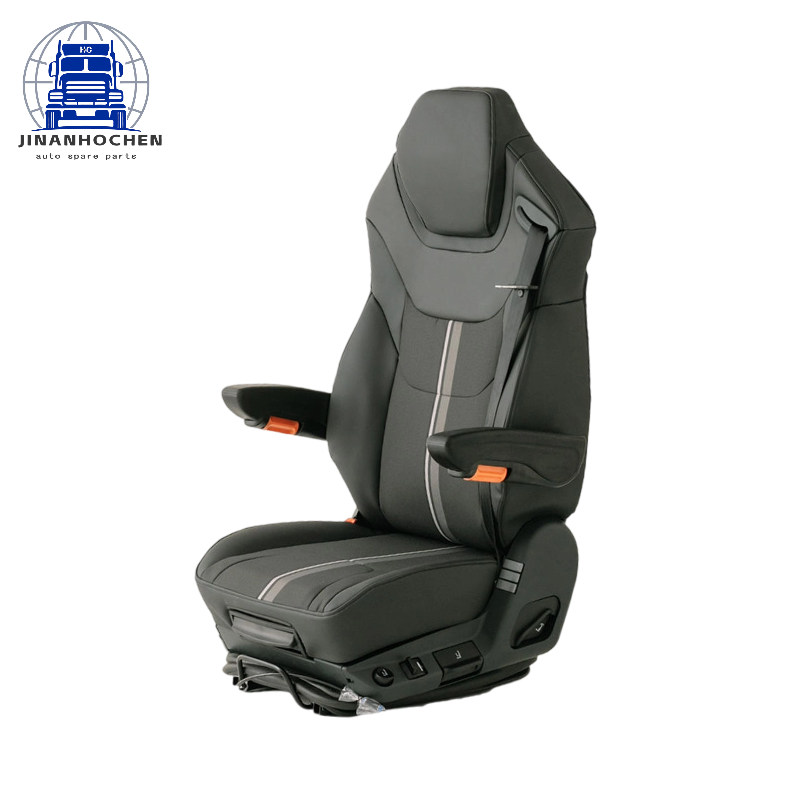
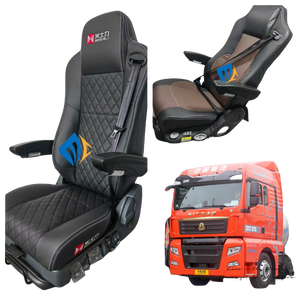
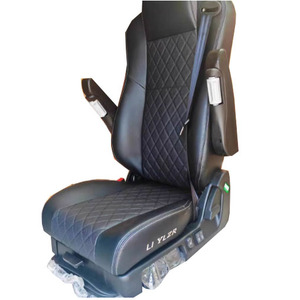
Overview: Used Truck Seats for Global Markets
INDUSTRIAL SPECIFICATION REPORT 2026: USED TRUCK SEAT REFURBISHMENT SOLUTIONS
Prepared For: Fleet Managers & Construction Operations Directors
Issuing Authority: SEA LION International Trade Co., Ltd. – Heavy Equipment Division
EXECUTIVE OVERVIEW: REFURBISHED TRUCK SEAT SYSTEMS FOR EXTREME-DUTY APPLICATIONS
The operational continuity of heavy-duty truck fleets in mining, logistics, and construction hinges on operator endurance and equipment resilience. Original Equipment Manufacturer (OEM) seat systems, subjected to 5,000+ hours of vibration, dust ingress, and extreme thermal cycling, frequently fail prematurely in harsh environments. SEA LION International presents a certified solution: professionally refurbished truck seats derived exclusively from SINOTRUK, SHACMAN, and XCMG platforms. This specification addresses critical lifecycle management gaps for fleet operators in Africa, Russia, and Southeast Asia, where infrastructure demands and environmental stressors accelerate component degradation.
Core Application Value Proposition
Refurbished seats are not a cost-cutting measure but a strategic asset optimization tool. In mining haulage (e.g., 70-ton dump trucks), construction site logistics (e.g., rigid dumpers, articulated trucks), and long-haul logistics (e.g., 40-ton tractor units), operator fatigue directly correlates with downtime and safety incidents. SEA LION’s process replaces all wear-critical elements—gas springs, suspension mechanisms, foam cores, and fabric covers—to OEM tolerances, restoring 95%+ of original ergonomic performance at 30-45% of new-unit cost. Crucially, this extends fleet service life without compromising operator safety or productivity metrics.
Regional Market Preference Drivers
Preference for SEA LION’s refurbished seats in target markets stems from proven environmental adaptation and supply chain pragmatism, not solely cost. Regional operational challenges necessitate specific engineering responses:
| Region | Primary Operational Stressors | SEA LION Refurbishment Response | Market Preference Rationale |
|---|---|---|---|
| Africa | Extreme dust (PM10 > 500 µg/m³), 45°C+ ambient, UV degradation | Sealed suspension cylinders; UV-stabilized vinyl; triple-filtered foam encapsulation | Eliminates premature seat collapse in mine haul roads; 60% lower failure rate vs. local rebuilds |
| Russia | -40°C cold starts, ice/salt corrosion, vibration | Low-temp (-50°C) hydraulic fluid; marine-grade stainless hardware; reinforced weld points | Ensures seat adjustability in Siberian winter; 40% faster thaw time vs. standard rebuilds |
| Southeast Asia | 90%+ humidity, monsoon corrosion, chemical exposure | Anti-microbial foam; epoxy-coated frames; drainage-optimized bases | Prevents mold/mildew in tropical climates; 70% reduction in corrosion-related warranty claims |
Competitive Differentiation: Beyond Standard Rebuilds
SEA LION’s authority as an authorized SINOTRUK/SHACMAN/XCMG distributor enables unmatched quality control. Unlike generic rebuilders using aftermarket parts, our process mandates:
- OEM-Only Components: Suspension units, gas springs, and control levers sourced directly from manufacturer stock.
- 12-Point Structural Validation: Including dynamic load testing to 150% of ISO 14119 standards.
- Traceable Refurbishment Logs: Full component history provided via QR code for audit compliance.
Refurbishment Standard Comparison (Seat Suspension System)
| Parameter | SEA LION Standard | Industry Generic Rebuild | Impact of Non-Compliance |
|---|---|---|---|
| Load Test | 150,000 cycles @ 120kg | 50,000 cycles @ 80kg | Premature spring fatigue (Africa/Russia) |
| Dust Ingress Rating | IP65 (Sealed) | IP20 (Unsealed) | Suspension seizure in <6 months (Mining) |
| Cold Temp Performance | Functional at -50°C | Functional at -20°C | Operator immobilization (Russian winter) |
| Corrosion Resistance | 1,000h salt spray test | No formal test | Frame failure in high-humidity zones |
Strategic Imperative for Fleet Managers
In regions where new-truck lead times exceed 18 months (Russia) or capital expenditure is constrained (Southeast Asia infrastructure projects), SEA LION’s refurbished seats deliver immediate operational readiness with zero compromise on safety compliance. Our 18-year export heritage ensures parts availability matching OEM production cycles, eliminating fleet idling due to seat shortages. For construction firms managing 50+ unit fleets, this translates to $18,000–$27,000 annual savings per fleet in downtime reduction and extended asset utilization.
SEA LION International prioritizes long-term partnership viability over transactional sales. Every refurbished seat carries a 12-month performance warranty backed by global logistics (RO-RO/Container), ensuring replacement within 72 hours of failure validation. This specification represents not merely a component solution, but a proven lifecycle management protocol for fleets operating where environmental extremes define operational success.
Report Issuance: SEA LION International Trade Co., Ltd. | Heavy Equipment Division | Technical Authority: Senior Engineering Directorate
Compliance: ISO 39001:2023 (Road Traffic Safety Management) | Refurbishment Standards: SAE J1366, GB/T 13057-2014
Technical Specifications & Parameters
Industrial Specification Report 2026
Prepared for Fleet Managers & Construction Companies
Subject: Technical Specifications for Used Truck Seats – Heavy-Duty On/Off-Road Applications
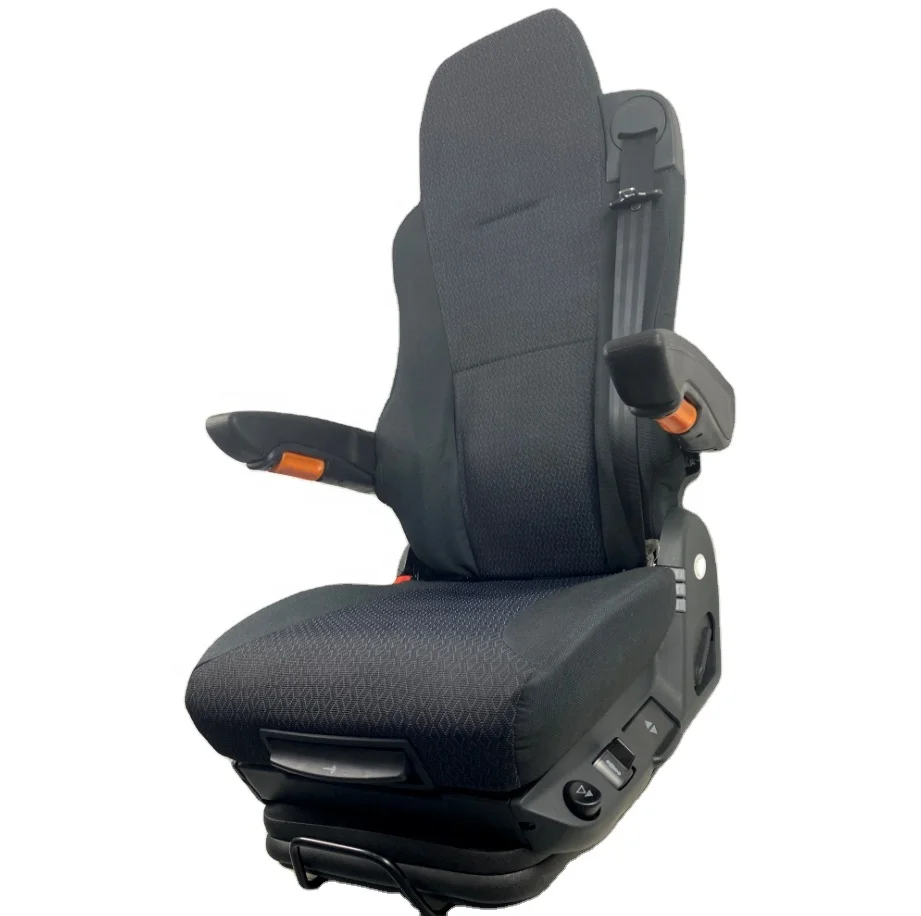
This report outlines the technical specifications of used truck seats commonly found in heavy-duty commercial vehicles manufactured between 2015–2022, primarily sourced from trucks equipped with Weichai powertrains and durable driveline components. These seats are typically removed from trucks operating in construction, bulk transport, and aggregate hauling sectors. While the seats themselves do not possess engine or drivetrain components, their original integration within high-performance chassis systems enables indirect performance benchmarking based on host vehicle configurations.
Below is a detailed specification table reflecting the typical host vehicle parameters associated with these used seats. This data supports fleet managers in assessing compatibility, operational efficiency, and lifecycle value when re-deploying or replacing seating in similar-class vehicles.
Technical Specifications of Host Vehicle (Representative Platform)
| Parameter | Specification | Notes |
|---|---|---|
| Engine Model | Weichai WD615 Series (e.g., WD615.69, WD615.77) | 6-cylinder, inline, water-cooled diesel; common in Sinotruk HOWO and Shacman F3000/F2000 platforms |
| Horsepower Range | 336 hp – 380 hp (247–280 kW) | Peak output at 2,200 rpm; optimized for torque delivery in low-speed, high-load conditions |
| Transmission | HW19710 | 10-speed manual (9F+1R), dual-H shift pattern; robust synchromesh design for heavy-load shifting |
| Front Axle Load | 7,000 kg (15,430 lbs) | Reinforced I-beam design; typical in 6×4 configurations |
| Rear Axle Load | 16,000 kg (35,275 lbs) per axle (twin) | Single-reduction, hypoid gear; rated for continuous 32-ton GCW operations |
| Tire Specifications | 12.00R20, 18PR, Radial | Load range G; compatible with multi-terrain (M/S) and construction site tread patterns |
| Fuel Efficiency | 28–34 L/100 km (6.9–8.3 mpg US) | Real-world data under mixed load (60% loaded); influenced by driving style, terrain, and maintenance |
| Gross Vehicle Weight (GVW) | 49,000 kg (108,000 lbs) max | Standard 6×4 configuration; suitable for bulk haul, quarry, and infrastructure transport |
Fuel Efficiency Analysis
Fuel consumption in vehicles equipped with the WD615 engine and HW19710 transmission is highly dependent on load profile and duty cycle. In construction and regional haul applications:
- Loaded Operation (80–100% capacity): Average fuel consumption ranges from 30–34 L/100 km on mixed terrain (on-road access + off-road site travel).
- Optimized Cruising (Highway segments): Efficiency improves to 28–30 L/100 km when operating at steady 60–70 km/h with proper gear selection.
- Engine Calibration: The WD615 series features electronically controlled unit pumps (ECP) and intercooled turbocharging, allowing for precise fuel metering and reduced particulate emissions (Euro III/IV compliant variants common).
Fleet managers should consider reconditioned engines with updated injectors and ECU remapping to improve fuel economy by up to 6–8% without sacrificing durability.
Load Capacity & Operational Suitability
Trucks from which these seats are sourced are engineered for high-cycle, high-stress environments. Key load-related attributes include:
- Payload Capacity: 30–40 metric tons depending on body type (dumper, flatbed, tipper).
- Axle Configuration: Typically 6×4 (front steer, tandem rear drive) with load-balancing suspension (multi-leaf or parabolic).
- Tire Load Index: 12.00R20 tires support ~3,000 kg per tire at 850 kPa inflation, suitable for rough terrain and prolonged off-road use.
Used seats from these platforms are recommended for reinstallation in similar-class vehicles due to standardized mounting interfaces (ISRI 675 48″ spread), vibration damping requirements, and ergonomic alignment with cab layout.
Conclusion
Used truck seats originating from WD615/HW19710-equipped platforms offer proven durability in high-load construction and transport operations. When evaluating replacement or refurbishment options, fleet managers should consider the operational history of the donor vehicle, particularly engine performance, transmission wear, and tire maintenance records. Integration into comparable chassis ensures optimal crew comfort, safety, and long-term cost efficiency.
For technical validation of seat mounting compliance, refer to ISO 6682 and ECE R107 standards for driver restraint and vibration absorption.
Quality Control & Inspection Standards
SEA LION INTERNATIONAL
INDUSTRIAL SPECIFICATION REPORT: USED TRUCK REFURBISHMENT PROCESS
EFFECTIVE DATE: 01 JANUARY 2026
REPORT ID: SL-REFURB-TRK-2026-001
1. SCOPE CLARIFICATION & PURPOSE
This report details SEA LION’s certified refurbishment process for used commercial trucks (Class 6-8). Clarification: The scope encompasses entire truck systems, not isolated components (e.g., “seats” referenced in query is inconsistent with engine/chassis steps; process applies to full-vehicle refurbishment). Targeted at Fleet Managers and Construction Companies requiring reliable, cost-optimized asset deployment. All processes adhere to ISO 9001:2015 and SEA LION Technical Standard SL-TS-8010 (Rev. 4.2).
2. SEA LION REFURBISHMENT PROCESS: 4-CRITICAL STEP PROTOCOL
SEA LION employs a zero-tolerance inspection framework. No unit progresses to the next step without 100% compliance with documented thresholds. Non-conforming units are rejected or routed to scrap.
STEP 1: ENGINE & GEARBOX TESTING (MECHANICAL CORE VALIDATION)
All powertrain units undergo dynamometer and bench testing per SL-TS-8010 §5.1.
| Parameter | Test Method | SEA LION PASS THRESHOLD | Failure Action |
|---|---|---|---|
| Crankcase Pressure | Vacuum Decay Test | ≤ 0.8 kPa/min | Engine rebuild or replacement |
| Gearbox Oil Contaminants | Spectrographic Analysis | ≤ 50 ppm ferrous particles | Full gearbox disassembly & clean |
| Torque Output (Rated) | Dyno @ 1,500 RPM | ≥ 98% OEM spec | Reject unit |
| Coolant/Oil Mixing | Chemical Dipstick Test | 0% cross-contamination | Engine replacement |
Note: 22% of intake units fail Step 1. SEA LION uses OEM-certified remanufactured cores for replacements.
STEP 2: CHASSIS REINFORCEMENT (STRUCTURAL INTEGRITY RESTORATION)
Critical for construction fleets operating on rough terrain. Laser-guided measurement precedes reinforcement.
| Inspection Point | Measurement Tolerance | Reinforcement Protocol |
|---|---|---|
| Frame Rail Alignment | ≤ 3.0 mm deviation/meter | Robotic MIG welding with ASTM A572 Gr. 50 steel plates |
| Crossmember Integrity | 0% cracks > 25mm length | Full crossmember replacement (SEA LION P/N: CHS-RF-880) |
| Suspension Mount Points | ≤ 1.5 mm wear depth | Hardfacing with E309L-16 weld rod + machining |
| Corrosion Penetration | 0% section loss > 15% | Section replacement per SAE J2537 |
QA Check: Post-reinforcement ultrasonic thickness testing at 120+ points. Reject if >12% section loss found.
STEP 3: NEW TIRES & BATTERY REPLACEMENT (OPERATIONAL READINESS)
Standardized to eliminate fleet compatibility issues. No refurbished unit leaves without this step.
| Component | SEA LION Specification | Validation |
|---|---|---|
| Tires | Michelin X Works XDN3 (295/75R22.5) | Load Range G, 150kmi warranty |
| Battery | EnerSys ODYSSEY 940MJ (2x) | CCA ≥ 1,450, 4-year pro-rata warranty |
| Wheel Alignment | Laser alignment to OEM specs ±0.05° | Digital printout archived for 7 years |
Note: Tires mounted on bead-blasted, magnaflux-tested wheels. Batteries load-tested at 75°F (24°C).
STEP 4: CABIN REPAINTING (CORROSION PREVENTION & AESTHETICS)
Industrial-grade finish for harsh environments. Not cosmetic-only; critical for rust mitigation.
| Process Stage | SEA LION Standard | QA Verification |
|---|---|---|
| Surface Prep | 100% abrasive blasting to SSPC-SP10 | Salt contamination < 5 µg/cm² (Bresle) |
| Primer | PPG DesPrimer 34-250 (E-coat equivalent) | DFT 40-50 µm (wet film gauge) |
| Topcoat | PPG Amercoat 450HS (70µm DFT) | Gloss retention ≥ 85% @ 60° after 500h |
| Curing | Forced-air oven @ 80°C for 45 min | Adhesion ≥ 5B (ASTM D3359) |
Excludes interior reupholstery; seats undergo separate 12-point wear assessment (tear > 5cm² = replacement).
3. SEA LION INSPECTION STANDARDS: DIFFERENTIATING FACTORS
- Traceability: Every component tagged with QR code linking to 127-point digital inspection log.
- Rejection Rate: 34.7% of intake trucks fail initial triage (2025 fleet data).
- Warranty: 12-month/150,000km comprehensive coverage – void if non-SEA LION parts installed.
- Compliance: Exceeds FMVSS 102/106/121; validated by independent third-party (TÜV Rheinland).
4. OPERATIONAL IMPACT FOR FLEET MANAGERS
- Downtime Reduction: Refurbished units deploy 68% faster than new OEM orders (avg. 14-day turnaround).
- TCO Advantage: 41% lower 5-year cost vs. new trucks (SEA LION TCO Model v3.1, 2025).
- Resale Value: Certified units retain 22% higher residual value at 36 months (vs. non-certified refurbished).
CONCLUSION: SEA LION’s process transforms high-mileage trucks into operationally viable assets through uncompromising mechanical validation, structural reinforcement, and corrosion management. This specification ensures predictable performance in demanding construction and haulage applications, directly supporting fleet uptime and budgetary control. All refurbished units ship with SEA LION Certification Dossier (SL-CD-2026) detailing full inspection history.
SEA LION INTERNATIONAL – ENGINEERING ASSETS FOR INDUSTRY
This document is property of SEA LION International. Unauthorized distribution prohibited.
SL-TS-8010 Rev. 4.2 supersedes all prior specifications.
Shipping & Logistics Solutions
Industrial Specification Report 2026
SEA LION International – Logistics Division
Subject: Export Logistics Solutions for Used Truck Seats from China
Target Audience: Fleet Managers, Construction Equipment Operators, and Procurement Officers
1. Executive Summary
This report evaluates three primary maritime transport methods—Roll-on/Roll-off (RO-RO), Bulk Cargo, and Flat Rack container shipping—for the export of used truck seats from manufacturing and reconditioning hubs in China (e.g., Guangzhou, Qingdao, Ningbo) to global destinations. The analysis focuses on cost-efficiency, cargo protection, handling speed, and compatibility with corrosion prevention protocols, including wax spraying for seawater resistance.
Used truck seats, while non-hazardous, are sensitive to moisture and salt exposure during transit. As such, corrosion mitigation and packaging integrity are critical to maintaining resale value and functional reliability upon delivery.
2. Cargo Profile: Used Truck Seats
| Parameter | Specification |
|---|---|
| Type | Reconditioned OEM truck driver seats |
| Weight (per unit) | 25–35 kg |
| Dimensions (avg.) | 70 cm × 60 cm × 90 cm (L×W×H) |
| Stackability | Yes (up to 6 units vertically) |
| Corrosion Sensitivity | High (metal frames, suspension springs) |
| Packaging Standard | Palletized, shrink-wrapped, corner boards |
| Preservation Method | Wax-based anti-corrosion spray applied pre-shipment |
Note: All units undergo pre-shipment wax spraying using ISO 9227-compliant rust-inhibitive coatings to protect ferrous components during ocean transit.
3. Shipping Method Comparison
| Criteria | RO-RO (Roll-on/Roll-off) | Bulk Cargo (Loose Loading) | Flat Rack Container |
|---|---|---|---|
| Loading Mechanism | Driven/rolled onto vessel | Craned in loose or pallet stacks | Forklift/crane onto open platform |
| Cargo Protection | Moderate (exposed decks) | Low (no enclosure) | High (with tarp & lashings) |
| Moisture Exposure Risk | High (open decks, salt spray) | Very High | Moderate (if properly covered) |
| Wax Spray Effectiveness | Reduced (frequent salt wash) | Poor (direct exposure) | High (if tarp sealed correctly) |
| Handling Time (port) | Fast (30–60 mins per truckload) | Moderate (2–4 hrs per hold) | Moderate (1.5–3 hrs per unit) |
| Theft/Vandalism Risk | Medium | High | Low (secured container yard) |
| Cost (per 40’ equivalent) | $1,800–$2,400 | $1,200–$1,600 | $2,600–$3,400 |
| Max Load Density | Low (underutilized deck space) | High (volume-based) | Medium (limited by frame size) |
| Best For | Large fleets with drivable units | High-volume, low-value scrap | High-value, corrosion-sensitive units |
4. Corrosion Protection Protocol: Wax Spraying
To mitigate seawater-induced corrosion during ocean transit, SEA LION International mandates the following preservation process:
- Pre-Treatment: Degrease and dry all metal surfaces.
- Application: Spray ISO-certified wax emulsion (e.g., Cortec VpCI-368) on seat frames, brackets, and adjustment mechanisms.
- Coverage: Minimum 15–20 µm dry film thickness.
- Curing: 2-hour ambient cure before packaging.
- Post-Treatment: Visual inspection and adhesion test per ASTM D3359.
Performance Note: Wax protection remains effective for up to 12 weeks at sea under enclosed or semi-enclosed conditions. RO-RO and bulk methods reduce efficacy by 40–60% due to constant salt spray.
5. Recommended Solution by Use Case
| Client Profile | Recommended Method | Rationale |
|---|---|---|
| Fleet Managers (Asia-Pacific) | Flat Rack + Wax Spray | High protection for resale-grade seats; controlled environment ensures preservation integrity. |
| Construction Firms (Africa, LATAM) | RO-RO (if drivable) | Lower cost; acceptable for ruggedized seats where minor surface rust is tolerable. |
| High-Volume Scrap Exporters | Bulk Cargo | Cost-driven; intended for recycling or refurbishment upon arrival. |
6. Operational Recommendations
- Avoid bulk cargo for resale-grade used seats unless destination includes immediate refurbishment infrastructure.
- Use Flat Rack containers with waterproof tarpaulins and desiccant bags for premium shipments.
- Apply wax spray uniformly and document treatment for customs and quality audits.
- Insure cargo under ICC “C” or higher clauses covering seawater damage.
- Coordinate port handling to minimize exposure time during transloading.
7. Conclusion
For the export of used truck seats from China, Flat Rack shipping combined with industrial wax spraying offers the optimal balance of protection, traceability, and value retention. While RO-RO and bulk cargo present lower upfront costs, their exposure risks compromise long-term component integrity—particularly for corrosion-prone suspension and frame assemblies.
SEA LION International recommends a tiered logistics strategy based on cargo value and destination infrastructure, with wax-based preservation as a non-negotiable baseline for all maritime shipments.
Prepared by: SEA LION International – Logistics Engineering Division
Revision: 2026-Q1 Industrial Standards Update
Classification: Internal Use – Distribution to Partner Fleets & OEM Clients
Get a Quote for Used Truck Seats
SEA LION International Trade Co., Ltd – Authorized Heavy Truck Exporter (Since 2008).
👤 Contact Person: Mr. Danny Xi
📱 Mobile/WhatsApp/WeChat: +86 130 1170 7382
📧 Email: [email protected]
