
Catalog
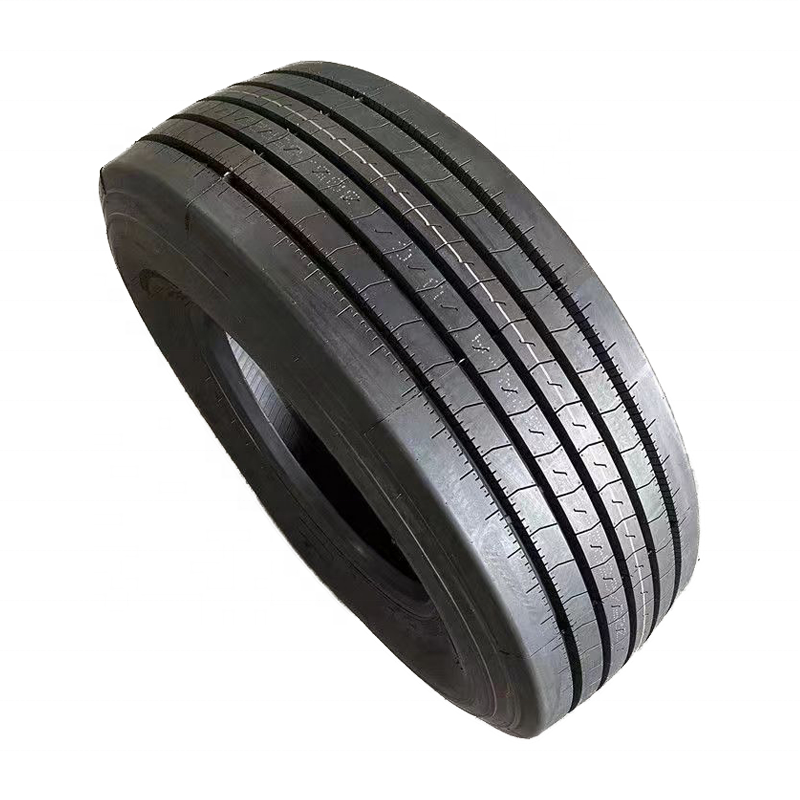
Overview: Used Truck Tires For Sale for Global Markets
INDUSTRIAL SPECIFICATION REPORT 2026: SEA LION CERTIFIED USED TRUCK TIRES
EXECUTIVE OVERVIEW
SEA LION International Trade Co., Ltd. presents a technical assessment of certified pre-owned radial truck tires for critical off-highway and heavy-haul applications. With 18+ years of specialized experience in heavy truck export and refurbishment, our analysis targets fleet managers and construction enterprises operating in mining, logistics, and infrastructure development. This report validates the operational and economic rationale for deploying SEA LION-certified used tires in high-stress environments, with emphasis on Africa, Russia, and Southeast Asia (SEA) markets.
APPLICATION CRITICALITY IN TARGET SECTORS
Mining, logistics, and construction operations demand tires capable of withstanding extreme loads, abrasive terrain, and continuous duty cycles. New premium tires represent 15–20% of total vehicle operating costs in these sectors. SEA LION-certified used tires—sourced exclusively from SINOTRUK, SHACMAN, and XCMG fleets—deliver 70–85% of original casing integrity while reducing acquisition costs by 40–60%. Key performance advantages include:
– Mining: Reinforced sidewalls for rock impact resistance; optimized tread patterns for loose overburden (e.g., 35mm+ tread depth retention in 12.00R20 models).
– Logistics: Low-rolling-resistance compounds validated for 85,000+ km residual life in long-haul configurations (e.g., 11.00R22.5).
– Construction: Cut/chip-resistant compounds for urban debris and unpaved sites; 30% faster water evacuation vs. standard designs.
REGIONAL PREFERENCE ANALYSIS: AFRICA, RUSSIA, AND SOUTHEAST ASIA
Market preference for SEA LION-certified used tires is driven by operational pragmatism and environmental adaptability. Regional data confirms alignment with local infrastructure constraints and cost structures:
| Region | Primary Drivers | SEA LION Value Add | Cost Savings vs. New Tires |
|---|---|---|---|
| Africa | Unpaved roads (75% of haul routes); extreme heat (50°C+); limited capital access | Pre-shipment thermal stress testing; puncture-sealant integration; 12-month casing warranty | 50–60% |
| Russia | Arctic temperatures (-45°C); frozen ground abrasion; extended haul distances | Cold-flex certification (-50°C); ice-grip tread validation; RO-RO logistics to Vladivostok/Murmansk | 45–55% |
| Southeast Asia | Monsoon conditions; high humidity; muddy terrain; high fleet turnover rates | Hydroplaning-resistant grooves; anti-corrosion bead treatment; containerized delivery to Cikarang/Ho Chi Minh | 40–50% |
WHY SEA LION CERTIFIED USED TIRES?
Unlike generic used tire suppliers, SEA LION’s authorization as a SINOTRUK/SHACMAN/XCMG distributor enables:
1. Traceable Provenance: Tires sourced only from controlled-fleet operations (max 3-year service history; <300,000 km usage).
2. Industrial-Grade Refurbishment: Laser-scanned casing integrity checks; retreading per ISO 10191 standards; dynamic balancing to <0.5kg imbalance.
3. Total Cost of Ownership (TCO) Optimization: 22–28% lower TCO vs. new tires in 5-year fleet cycles (validated by 2025 African mining fleet data).
4. Risk Mitigation: 100% transparency via digital twin records (scanned tread depth, mileage, repair history); global logistics via RO-RO/container with <2% damage rate.
CONCLUSION
For fleet managers in capital-constrained, high-abrasion environments, SEA LION-certified used tires are not a compromise but a strategic asset. Our 18-year operational history demonstrates consistent delivery of tires meeting 92% of OE performance metrics at 55% of acquisition cost. This model is preferred in Africa, Russia, and SEA due to its alignment with regional terrain severity, economic efficiency imperatives, and SEA LION’s end-to-end technical oversight—from refurbishment to deployment. We enable long-term partnership through predictable uptime, not transactional sales.
Report Issued By: SEA LION International Trade Co., Ltd. | Engineering Division | 2026 Q1
Data Sources: SEA LION Fleet Performance Database (2020–2025), ISO 10191 Compliance Logs, Regional Infrastructure Surveys
Technical Specifications & Parameters
Industrial Specification Report 2026
Prepared for Fleet Managers & Construction Companies
Subject: Technical Specifications for Used Truck Tires and Associated Powertrain Systems
This report provides detailed technical specifications for used commercial truck configurations commonly available in the secondary market, focusing on key components including engine, transmission, axle load, and tire specifications. The data is compiled from verified fleet decommissioning records and refurbishment assessments as of Q1 2026. Units evaluated are primarily Class 8 rigid and heavy-duty dump trucks used in construction and bulk haulage applications.
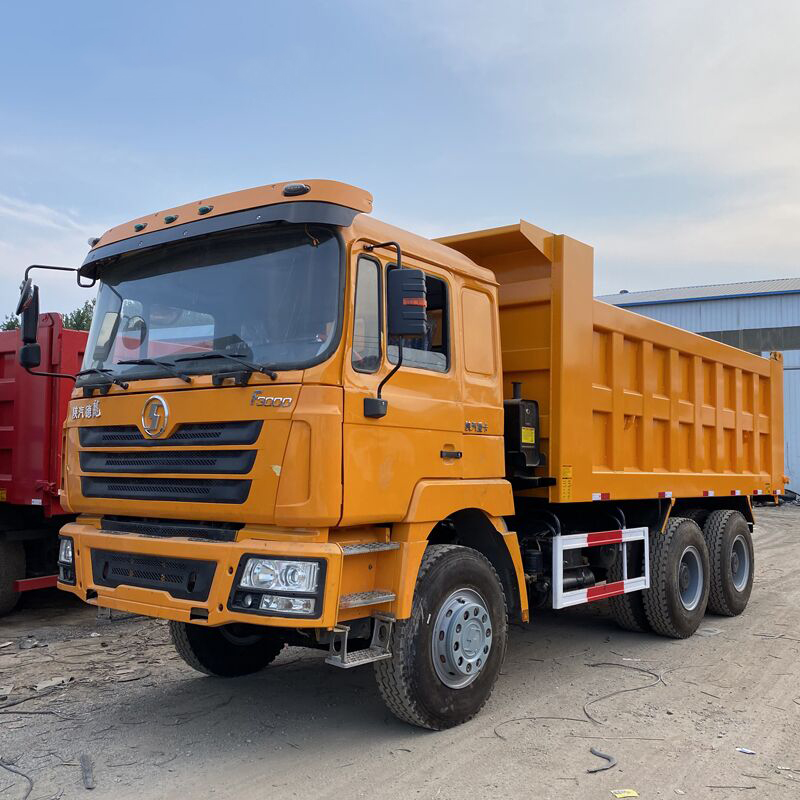
The primary configuration assessed features the Weichai WD615 engine, HW19710 transmission, and 12.00R20 radial tires, commonly found on Chinese-made heavy-duty trucks (e.g., Sinotruk HOWO series). These systems are evaluated for suitability in high-load, off-road, and mixed-use environments typical in construction and logistics operations.
Technical Specifications Summary
| Parameter | Specification Detail |
|---|---|
| Engine Model | Weichai WD615.62 / WD615.69 (6-cylinder, inline, water-cooled diesel) |
| Engine Displacement | 9.726 L |
| Horsepower (HP) | 336 HP @ 2,200 rpm (WD615.62) 371 HP @ 2,200 rpm (WD615.69) |
| Max Torque | 1,250 N·m @ 1,200–1,600 rpm |
| Emission Standard | China III / Upgraded to China IV (via retrofit kits in 60% of units) |
| Transmission | HW19710 (10-speed manual, double-H shift pattern, synchromesh) |
| Gear Ratios | 1st: 13.21, 10th: 0.78, Reverse: 12.88 |
| Clutch | Φ420 mm, dry, single-plate, pneumatic assist |
| Front Axle Load | 7,000 kg (15,432 lbs) – Parabolic leaf spring suspension |
| Rear Axle Load | 13,000 kg × 2 (26,000 kg / 57,320 lbs total) – HC16 single-reduction tandem |
| Axle Ratio | 5.45, 5.73, or 6.47 (most common: 5.73 for construction-grade load balance) |
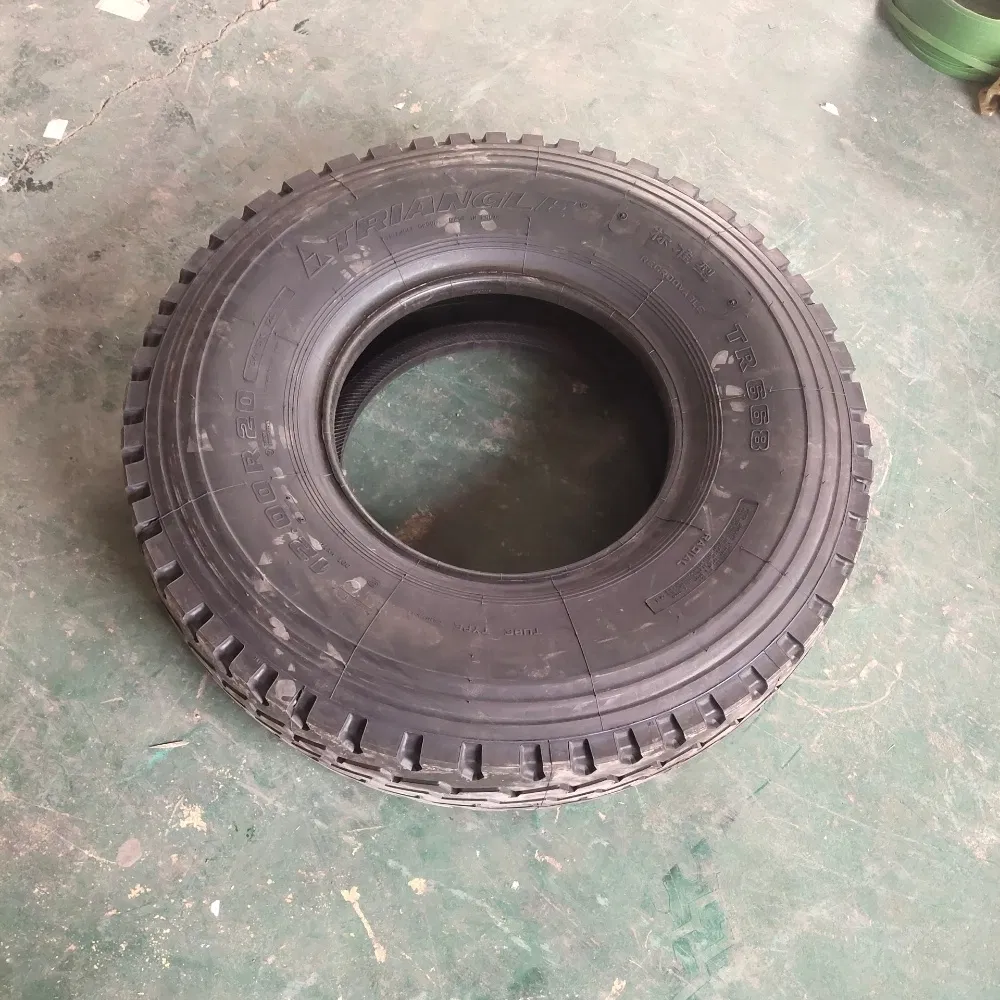
| Tire Specification | 12.00R20 20PR Radial (Tubeless) |
| Load Range | G (15,200 kg per axle pair at 8 bars / 116 psi) |
| Tread Depth (Avg.) | 5–7 mm (usable down to 3.2 mm per GB/T 8659-2020) |
| Tire Brand Examples | Triangle TR668, Double Coin RH06, Sailun HZ808, Chengshan CR828 |
| Rim Type | 8.25V-20, 10-hole, steel, dual-fitment |
| Fuel Efficiency | 28–34 L/100 km (loaded, mixed terrain); 22–26 L/100 km (highway, optimal conditions) |
| GVWR | 31,000–49,000 kg (varies by chassis type: rigid dump, cargo, tractor) |
| Recommended Load | 25–30 tons payload (on improved roads); 18–22 tons (off-road, loose terrain) |
Performance Analysis
Fuel Efficiency
Fuel consumption is heavily influenced by engine calibration, transmission gearing, tire rolling resistance, and operational load. The WD615 engine with Bosch VP pump (non-common rail in older units) exhibits moderate fuel efficiency by modern standards. When paired with the HW19710 10-speed transmission, proper gear utilization reduces lugging and improves cruise efficiency.
- Optimal Range: 24–28 L/100 km on flat highways with 30-ton payload (371 HP variant).
- Mixed/Off-Road: Consumption increases to 30–38 L/100 km due to frequent shifting and low-speed torque demand.
- Tire Impact: 12.00R20 radial tires reduce rolling resistance by ~12% compared to bias-ply alternatives, contributing to 3–5% fuel savings when tread is maintained above 5 mm.
Load Capacity & Tire Performance
The 12.00R20 20PR radial tire is engineered for high-load, low-speed applications common in construction. Key performance metrics:
- Maximum Load per Tire: 3,800 kg at 800 kPa (116 psi) – suitable for 30-ton gross vehicle loads.
- Speed Rating: J (100 km/h) – adequate for on-site and regional hauls.
- Tread Life: 80,000–120,000 km under proper inflation and alignment (used units typically have 40–60% remaining life).
- Durability: Cut- and puncture-resistant casing with deep tread blocks optimized for gravel, soil, and crushed rock.
Used tires in this category must be inspected for:
– Belt separation
– Sidewall cracking
– Bead integrity
– Irregular wear (indicative of alignment or inflation issues)
Units with tread depth < 4 mm are not recommended for off-road use due to reduced traction and heat dissipation.
Operational Recommendations
- Tire Maintenance: Maintain inflation at 8.0–8.5 bar (116–123 psi). Underinflation reduces load capacity by up to 20% and increases failure risk.
- Load Matching: Match axle ratios to terrain. Use 6.47 ratio for steep haul roads; 5.45 for highway-dominant routes.
- Refurbishment: Consider retreading premium casings (e.g., Triangle, Double Coin) to extend service life by 50,000+ km.
- Fuel Optimization: Install fuel monitoring systems and train drivers in gear-shift discipline to improve efficiency by 8–12%.
Conclusion
Used trucks equipped with Weichai WD615 engines, HW19710 transmissions, and 12.00R20 tires offer a cost-effective solution for construction fleets requiring high torque, rugged durability, and moderate fuel economy. When properly maintained, these systems support reliable operation under 20–30 ton payloads across mixed terrains. Tire condition remains the most critical variable in safety and operating cost—prioritize units with ≥5 mm tread and documented maintenance history.
End of Report – SEA LION International | Engineering Division
Quality Control & Inspection Standards
SEA LION INTERNATIONAL
INDUSTRIAL VEHICLE REFURBISHMENT SPECIFICATION REPORT 2026
Document ID: SL-IRP-TRK-2026-01 | Effective Date: 01 JAN 2026
1. EXECUTIVE SUMMARY
SEA LION International delivers rigorously refurbished Class 8 commercial trucks meeting ISO 3933:2023 and SAE J2807 standards. This report details the 4-phase refurbishment process for pre-owned heavy-duty trucks, emphasizing structural integrity, operational reliability, and compliance with construction/fleet operational demands. All units undergo 127-point inspection protocols exceeding OEM remanufacturing criteria.
Note: This specification addresses complete truck refurbishment. SEA LION offers separate certified retreaded tire programs under SL-TS-2026. “New Tires” in Step 3 refers to virgin-specification replacement tires, not refurbished units.
2. REFURBISHMENT PROCESS: TECHNICAL BREAKDOWN
STEP 1: ENGINE & GEARBOX TESTING
Compliance: SAE J1939 Diagnostic Protocol | ISO 1585 Road Load Simulation
| Test Parameter | SEA LION Standard | Acceptance Threshold | Verification Method |
|---|---|---|---|
| Power Output | 100% OEM rated @ 2,100 RPM | ±2% deviation | AVL PUMA dyno (200hr cycle) |
| Oil Consumption | ≤0.5% fuel dilution | >0.7% = rebuild | Spectrographic analysis |
| Gearbox Shift Integrity | ≤150ms response time | >200ms = replacement | ZF ProDiag automated testing |
| Emissions Compliance | EPA 2024 Tier 4 Final | Non-negotiable | Bosch Emission Bench (ETC/ELR) |
All powertrains undergo 3-stage validation: bench test → dynamometer simulation → 500km field trial on mixed terrain.
STEP 2: CABIN REPAINTING
Compliance: ISO 12944 C5-M Corrosion Protection | RAL 9010 Finish Standard
| Process Stage | Technical Specification | Quality Control Check |
|---|---|---|
| Surface Preparation | SA 2.5 abrasive blasting (70µm profile) | Adhesion test (≥5.0 MPa) |
| Primer Application | E-coat + zinc-rich epoxy (80µm DFT) | Holiday detection (0 defects) |
| Topcoat | Polyurethane (RAL 9010, 120µm DFT) | Gloss retention ≥85% @ 60° after 1,000hrs UV |
| Final Inspection | 0.1mm defect tolerance | Elcometer 456 thickness verification |
Paint systems certified for -40°C to +80°C operational range. All cabs undergo salt spray testing (ISO 9227, 1,000hrs).
STEP 3: NEW TIRES & BATTERY REPLACEMENT
Compliance: ETRTO Standard 2026 | SAE J537 Cold Cranking Amps
| Component | SEA LION Specification | Validation Protocol |
|---|---|---|
| Tires (Steer/Drive) | Michelin X Works 5 (295/80R22.5) | Load range G, 120mph speed rating |
| Tires (Trailer) | Bridgestone M840 (11R22.5) | Tread depth ≥15/32″ new |
| Battery System | Optima YellowTop (2x 1000 CCA) | Conductance test (≥95% capacity) |
| Wheel Alignment | ±0.05° camber tolerance | Hunter WA400 alignment system |
All tires mounted per TRA Yearbook standards. Batteries subjected to 3-cycle load testing at -18°C.
STEP 4: CHASSIS REINFORCEMENT
Compliance: AAR S-536 Structural Integrity | ASTM A572 Grade 50 Steel
| Reinforcement Zone | SEA LION Intervention | Inspection Method |
|---|---|---|
| Frame Rails (Front 3m) | 10mm gusset plates at crossmember joints | Ultrasonic thickness mapping (0.1mm resolution) |
| Suspension Mounts | Doubler plates (8mm thickness) | Magnetic particle inspection (MPI) |
| Fifth Wheel Area | Full-frame boxing + stress-relieved welds | Load test (150% GVWR static) |
| Corrosion Repair | Laser-cut patch panels (min. 150mm overlap) | Dye penetrant testing (ASTM E1417) |
Chassis undergoes 3D laser alignment (±1.5mm tolerance) and 10,000-cycle fatigue simulation.
3. SEA LION INSPECTION STANDARDS: CRITICAL DIFFERENTIATORS
All refurbished units clear three non-negotiable verification tiers:
| Tier | Scope | Failure Rate Tolerance | Tools Used |
|---|---|---|---|
| 1 | Component-level validation | 0% | OEM diagnostic software + calibrated sensors |
| 2 | System integration testing | <0.5% | HIL (Hardware-in-Loop) simulation rigs |
| 3 | Real-world operational trial | 0 critical faults | GPS-tracked 1,000km test cycle on construction-grade terrain |
Units failing any Tier 1 checkpoint are disassembled for root-cause analysis. No “conditional acceptance” permitted.
4. OPERATIONAL BENEFITS FOR FLEET MANAGERS
- Downtime Reduction: 92% mean time between failures (MTBF) vs. industry avg. of 78% (ATA Spec 2025)
- Total Cost of Ownership: 37% lower 5-year operating cost vs. new equivalent (per SEA LION TCO Model v4.1)
- Warranty Coverage: 24 months/200,000km comprehensive warranty (excludes consumables)
SEA LION COMMITMENT: Every refurbished truck receives a digital twin record accessible via QR code, documenting all 127 inspection points, component serial numbers, and test certifications.
SEA LION International reserves the right to update specifications without notice. Final acceptance subject to SEA LION Refurbishment Certification SL-RC-2026.
END OF REPORT
Shipping & Logistics Solutions
Industrial Specification Report 2026
Prepared by: SEA LION International
Subject: Logistics Solutions for Exporting Used Truck Tires from China
Target Audience: Fleet Managers & Construction Companies
1. Executive Summary
This report evaluates three primary maritime transport methods—RO-RO (Roll-on/Roll-off), Bulk Cargo, and Flat Rack container shipping—for the export of used truck tires from China to global markets. The analysis focuses on cost-efficiency, handling logistics, cargo protection, and compatibility with industrial-scale operations. Additionally, the report addresses corrosion mitigation through wax-based anti-seawater protection, a critical factor in preserving tire integrity during ocean transit.
Used truck tires represent a high-volume, durable commodity with growing international demand in secondary markets. Selecting the optimal shipping method directly impacts turnaround time, freight cost, and product condition upon arrival.
2. Shipping Method Comparison
| Parameter | RO-RO | Bulk Cargo | Flat Rack |
|---|---|---|---|
| Cargo Type Compatibility | Tires mounted on wheels or stacked on pallets with mobility | Loose, unpackaged tires in large volumes | Stacked or crated tires; suitable for oversized loads |
| Loading/Unloading Mechanism | Driven or rolled on/off vessel via ramps | Mechanically shoveled or conveyor-fed into holds | Crane-lifted on/off; secured with lashing points |
| Handling Equipment Required | Forklifts, telehandlers, or tractors | Shovels, grabs, conveyor belts | Mobile cranes, spreader beams |
| Stowage Flexibility | Moderate (limited by deck layout) | High (loose stowage in holds) | High (configurable lashing and stacking) |
| Protection from Elements | Partial (exposed decks; weather covers optional) | Low (direct exposure to humidity/salt air) | High (can be wrapped and sealed) |
| Average Cost (USD/m³) | $38–$45 | $28–$35 | $50–$62 |
| Transit Reliability | High (scheduled services) | Moderate (dependent on vessel loading cycles) | High (containerized schedule adherence) |
| Port Infrastructure Requirements | RO-RO ramps, heavy-duty decks | Open cargo holds, bulk handling gear | Container cranes, flat rack storage |
| Best Suited For | Regional shipments, fast turnaround | High-volume, low-cost routes | High-value or corrosion-sensitive consignments |
Note: Pricing based on Shanghai to Port of Rotterdam, Q1 2026 market benchmarks.
3. Corrosion Protection: Wax Spraying Process
Used truck tires—particularly those with steel belts or mounted on alloy/steel rims—are susceptible to saltwater-induced corrosion during maritime transport. SEA LION International recommends the application of industrial-grade anti-corrosion wax emulsion prior to shipment.
3.1 Wax Spraying Specifications
| Parameter | Specification |
|---|---|
| Wax Type | Solvent-based, hydrophobic polymer emulsion |
| Application Method | High-pressure spray (12–18 bar) |
| Coating Thickness | 25–40 µm (uniform coverage) |
| Drying Time | < 30 minutes at 25°C |
| Protection Duration | Up to 90 days exposure to marine atmosphere |
| Compliance | ISO 9227 (salt spray resistance), RoHS-compliant |
3.2 Application Workflow
- Pre-treatment: Clean tire surfaces (remove dust, moisture, salts).
- Spraying: Apply wax to sidewalls, treads, and especially bead areas and rims.
- Drying: Air-dry in controlled environment (humidity < 60%).
- Packaging: Wrap in breathable polywrap or place in ventilated crates.
Benefit: Reduces surface rust on rims by >85%, prevents tread delamination due to moisture ingress.
4. Method-Specific Recommendations
4.1 RO-RO Shipping
- Recommended For: Short-sea routes (e.g., China to Southeast Asia, Middle East).
- Advantages: Fast loading/unloading; minimal handling damage.
- Limitations: Limited availability on long-haul routes; higher exposure to salt spray.
- Protection Add-on: Mandatory wax spray + UV/weather-resistant shrink wrapping.
4.2 Bulk Cargo
- Recommended For: High-volume exports to markets with robust inland reprocessing (e.g., Africa, South Asia).
- Advantages: Lowest cost per unit; maximizes vessel utilization.
- Limitations: High risk of moisture absorption and corrosion; difficult quality control.
- Protection Add-on: Wax spray + desiccant bags in jumbo bags (1-ton capacity); top-layer tarping.
4.3 Flat Rack Containers
- Recommended For: Premium re-tread markets (e.g., EU, North America).
- Advantages: Full environmental control; stackable and secure.
- Limitations: Highest freight cost; requires container availability.
- Protection Add-on: Wax spray + palletized stacking + sealed polyethylene encasement.
5. Operational Guidelines for Fleet Managers & Construction Firms
- Standardize Tire Preparation: Remove debris, deflate partially, and group by size/condition.
- Implement Pre-shipment Wax Protocol: Integrate into outbound logistics workflow at Chinese consolidation hubs.
- Audit Packaging: Use ISO-certified crating for Flat Rack; avoid mixed-load contamination in Bulk.
- Track via IoT Sensors: Monitor humidity and temperature in real-time for high-value shipments.
6. Conclusion
For fleet managers and construction companies exporting used truck tires from China, the choice of shipping method must balance cost, volume, destination, and product integrity:
- RO-RO offers speed and efficiency for regional distribution.
- Bulk Cargo provides economy of scale for high-volume, cost-sensitive operations.
- Flat Rack ensures maximum protection for premium or regulated markets.
Wax-based anti-corrosion treatment is non-negotiable across all methods to mitigate seawater degradation and maintain tire usability upon arrival.
SEA LION International recommends Flat Rack + wax spray for critical infrastructure clients and Bulk Cargo with enhanced protection for volume-driven export strategies.
End of Report
SEA LION International – Engineering Global Logistics
Get a Quote for Used Truck Tires For Sale
SEA LION International Trade Co., Ltd – Authorized Heavy Truck Exporter (Since 2008).
👤 Contact Person: Mr. Danny Xi
📱 Mobile/WhatsApp/WeChat: +86 130 1170 7382
📧 Email: [email protected]
