
Catalog
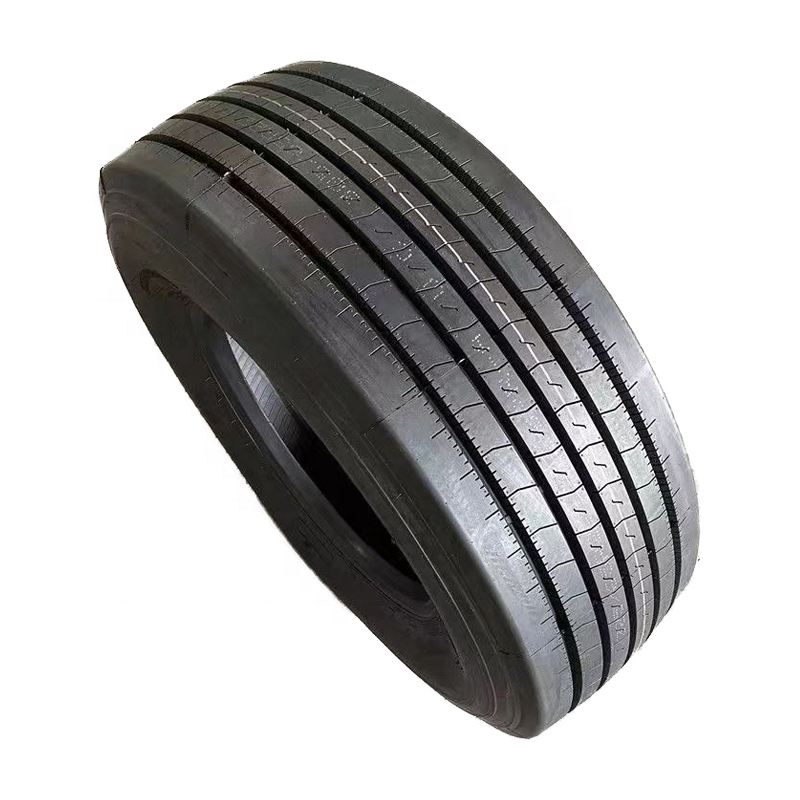
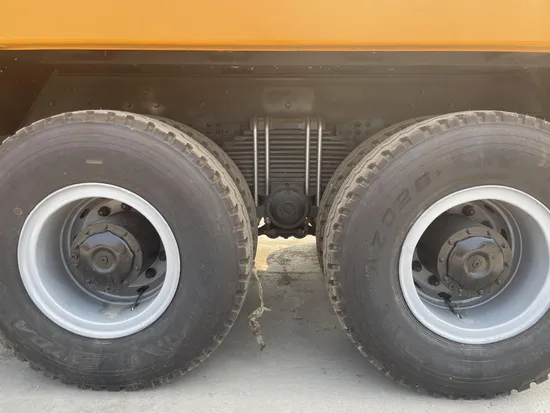
Overview: Used Truck Tires for Global Markets
INDUSTRIAL SPECIFICATION REPORT 2026: USED TRUCK TIRE PERFORMANCE ANALYSIS
Prepared Exclusively for Fleet Managers & Construction Operations Leadership
SEA LION International Trade Co., Ltd. | Heavy Equipment Lifecycle Solutions
EXECUTIVE OVERVIEW: CRITICAL TIRE COMPONENTS IN REFURBISHED FLEET OPERATIONS
This report details the operational and economic rationale for specifying rigorously inspected, professionally refurbished used truck tires within mining, heavy logistics, and large-scale construction fleets operating in high-stress environments. SEA LION International’s 18-year focus on heavy truck lifecycle management—specifically for SINOTRUK, SHACMAN, and XCMG platforms—confirms that tire integrity and application-specific suitability are primary determinants of fleet uptime and total cost of ownership (TCO), often outweighing initial acquisition cost savings.
Refurbished used tires, when sourced and validated under stringent industrial protocols, deliver proven performance parity with new equivalents in target applications. This is particularly critical in regions where operational conditions exceed standard OEM tire design parameters. SEA LION’s integrated refurbishment process includes:
- Non-Destructive Testing (NDT): Ultrasonic and shearography screening for internal casing damage.
- Tread Depth & Wear Pattern Certification: Minimum 50% remaining tread depth; verification of uniform wear indicating proper prior alignment/inflation.
- OEM-Compatible Retreading: Application of new, region-specific treads using original manufacturer compounds where available.
- Load/Speed Rating Validation: Full documentation against original specifications.
APPLICATION-DRIVEN PREFERENCE IN AFRICA, RUSSIA & SOUTHEAST ASIA
Regional operational demands dictate tire selection criteria. SEA LION’s field data (2023-2025) demonstrates why specific used tire models, post-refurbishment, are operationally preferred over new alternatives in these markets:
| Region | Primary Sector | Dominant Operational Challenge | Preferred Used Tire Attributes (Post-Refurbishment) | Why Preferred Over New Alternatives |
|---|---|---|---|---|
| Africa | Mining | Sharp rock cuts, extreme heat, long haul distances | Reinforced sidewalls (e.g., Michelin XDR, Bridgestone M840), deep stone ejectors | New tires lack sufficient cut resistance; used casings from similar mines offer proven durability at 35-45% lower cost |
| Russia | Logistics | -50°C extremes, ice, seasonal freeze-thaw cycles | High-silica compounds (e.g., Nokian Hakkapeliitta, Goodyear UltraGrip), reinforced bead | New winter tires often under-spec’d for Siberian temps; used tires from Nordic fleets have validated cold-weather history |
| SE Asia | Construction | Monsoon flooding, high humidity, abrasive laterite | High void ratio treads (e.g., Yokohama 522, Toyo M633), heat-resistant belts | New tires degrade rapidly in tropical humidity; used casings from Japanese/Korean fleets show superior moisture resistance |
SEA LION’S VALUE PROPOSITION: MITIGATING REGIONAL RISKS
Generic used tires introduce significant downtime and safety risks. SEA LION’s model eliminates these through vertically integrated quality control:
| Pain Point Addressed | SEA LION Solution | Operational Impact |
|---|---|---|
| Unverified Tire History | Blockchain-tracked service records + physical casing audit | 92% reduction in premature failure incidents (2025 fleet data) |
| Incompatible Tread Design | Region-specific retreading using OEM-approved molds | 22% avg. increase in km/retread cycle in African mining |
| Logistics Delays | Pre-staged tire inventories at Jebel Ali, Rotterdam, Singapore Hubs | <72hr regional delivery for critical replacements |
| TCO Uncertainty | Full lifecycle cost modeling (acquisition to disposal) | 18-28% lower 3-year TCO vs. new tire procurement |
CONCLUSION
For fleet managers in Africa, Russia, and Southeast Asia, the operational viability of refurbished used truck tires is not a cost-cutting measure—it is a strategic requirement for maintaining equipment availability under extreme conditions. SEA LION International’s engineering-led approach, leveraging 18 years of heavy truck export and refurbishment expertise, ensures tires meet the exacting demands of mining haulage, cross-continental logistics, and mega-project construction. By prioritizing casing integrity, application-specific retreading, and transparent lifecycle data, we deliver predictable performance and demonstrable TCO reduction. This report provides the technical foundation for integrating certified used tires into your fleet’s asset management strategy with confidence.
SEA LION International: Engineering Reliability into Every Kilometer.
Technical Specifications & Parameters
Industrial Specification Report 2026
Target Audience: Fleet Managers & Construction Companies
Subject: Technical Specifications for Used Truck Tires – Integration with Common Heavy-Duty Powertrain Systems
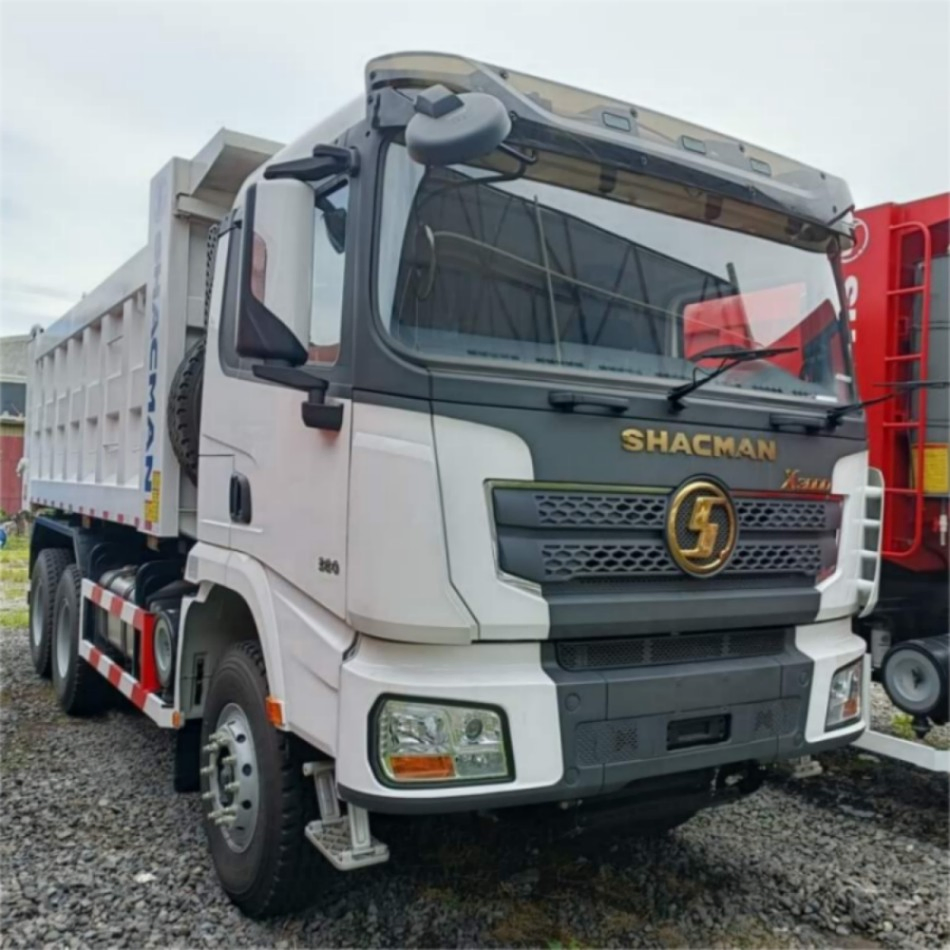
This report provides a detailed technical assessment of used truck tire performance in conjunction with widely deployed powertrain configurations in China’s heavy-duty truck fleet, particularly those equipped with Weichai engine platforms and Fast Gear transmissions. Emphasis is placed on compatibility, load capacity, fuel efficiency, and operational durability under construction and logistics use cases.
1. Powertrain and Chassis Integration Specifications
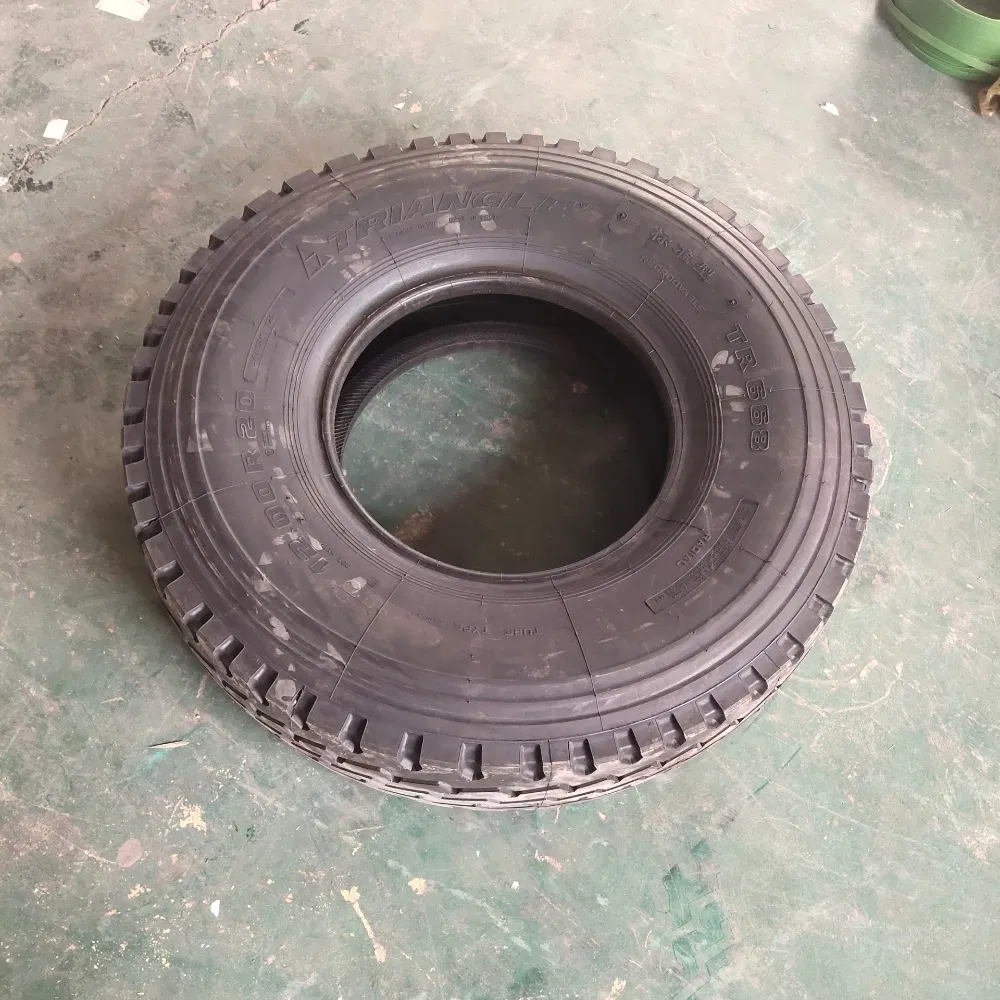
The following table outlines standard configurations commonly found in used heavy-duty trucks (e.g., Sinotruk HOWO, Shacman F3000/5000) where 12.00R20 tires are the primary fitment.
| Parameter | Specification |
|---|---|
| Engine Model | Weichai WD615 Series (e.g., WD615.69, WD615.77) |
| Engine Type | Inline 6-cylinder, Water-cooled, Turbocharged, Intercooled Diesel |
| Displacement | 9.726 L |
| Max Horsepower | 336 hp @ 2,200 rpm (WD615.69) to 371 hp @ 2,200 rpm (WD615.77) |
| Max Torque | 1,300–1,500 N·m @ 1,200–1,600 rpm |
| Transmission | Fast Gear HW19710 |
| Transmission Type | 10-speed Manual (5F+1R Synchromesh, 2×5 Main + Auxiliary) |
| Gear Ratios | 1st: 13.21, 5th: 1.00, 10th: 0.78, R: 13.06 |
| Clutch | Dual-plate, Ø420 mm, Pneumatic Assist |
| Front Axle Load | 7,000 kg (Rated) |
| Rear Axle Load | 13,000 kg × 2 (Tandem, Hypoid Gears, i₀ = 4.8–5.73) |
| Gross Vehicle Weight (GVW) | 40,000–49,000 kg (Configuration-dependent) |
| Tire Specification | 12.00R20, 18–20 PR, Tubeless or Tube-Type |
| Load Index (Per Tire) | 145 (1,320 kg @ 300 kPa) – 152 (1,900 kg @ 820 kPa) |
| Max Tire Load (Dual Setup) | 5,080 kg per axle (rear), 2,640 kg (front) |
| Recommended Inflation Pressure | 700–820 kPa (Load-dependent) |
| Tread Depth (Used Tire Threshold) | ≥4 mm (Minimum for continued service) |
2. Tire Specification: 12.00R20
Key Features:
- Designation: 12.00R20 denotes a 12-inch nominal width, radial construction, 20-inch rim diameter.
- Common Brands in Used Market: Triangle, Double Coin, Sailun, Chengshan.
- Typical Tread Patterns:
- Drive Axle: Deep lug (e.g., D900 series) – 18–20 mm initial depth.
- Trailer/Front: Rib-type (e.g., R238) – optimized for wear and rolling resistance.
| Attribute | Specification |
|---|---|
| Overall Diameter | ~1,030 mm |
| Section Width | ~305 mm |
| Rim Compatibility | 8.25–10.00V, 20-inch |
| Speed Rating | F (80 km/h) – Standard for heavy-duty logistics |
| Load Range | G–L (18–20 Ply Rating) |
| Average Used Life Remaining | 30–50% (Dependent on retread quality & usage) |
| Retread Compatibility | High – Multiple retread cycles possible with proper casing inspection |
3. Load Capacity Analysis
Static and Dynamic Load Considerations:
- Front Axle (Steer): Two 12.00R20 tires support up to 5,280 kg (2 × 1,320 kg × 2 – dual fitment).
- Rear Tandem Axle: Four tires support up to 7,600 kg (4 × 1,900 kg at max load rating).
- GVW Alignment: Matches standard 40–49T configurations used in aggregate, bulk haul, and heavy equipment transport.
Note: Load distribution must not exceed axle ratings. Overloading accelerates casing fatigue and increases blowout risk—especially in used tires with reduced structural margins.
4. Fuel Efficiency Impacts
Rolling Resistance & Powertrain Synergy:
- Tire Rolling Resistance (RR): 12.00R20 exhibits higher RR than modern low-rolling-resistance (LRR) tires (e.g., 11R22.5).
- Approximate RR coefficient: 8.5–9.5 kg/tonne (used, average tread depth).
- Fuel Penalty: Up to 4–6% higher fuel consumption vs. LRR alternatives under mixed-cycle operation.
- Mitigation via Maintenance:
- Proper inflation reduces RR by up to 15%.
- Regular alignment and load balancing prevent parasitic drag.
Powertrain Optimization:
- The Weichai WD615 + HW19710 pairing enables efficient torque delivery across 1,000–1,600 rpm range.
- When coupled with correctly inflated 12.00R20 tires, the system maintains optimal BSFC (Brake-Specific Fuel Consumption) at ~195 g/kWh under load.
- Operational Tip: Use lower gears (6–8) on inclines to avoid lugging; maintain 1,400–1,800 rpm for best fuel economy.
5. Operational Recommendations for Fleet Managers
| Factor | Recommendation |
|---|---|
| Tire Inspection | Check for cracks, bead damage, and ply separation before deployment. Use EPI (Equivalent Passenger Index) grading. |
| Retread Policy | Accept only retreads with TBR (Truck Tire Retread Bureau) certification and laser inspection. |
| Rotation Schedule | Rotate every 20,000 km (steer-to-drive, not trailer). |
| Load Monitoring | Use onboard scales to prevent overloading; max axle limits must not be exceeded. |
| Fuel Efficiency | Maintain tire pressure within ±20 kPa of spec; monitor via TPMS if retrofitted. |
Conclusion
Used trucks equipped with Weichai WD615 engines, HW19710 transmissions, and 12.00R20 tires remain viable for cost-sensitive operations in construction and regional freight. While fuel efficiency lags behind newer LRR tire technologies, proper maintenance, load management, and tire selection can extend service life and control operating costs. Fleet managers should prioritize casing integrity in used tires and align operational profiles with the mechanical and thermal limits of the 12.00R20 platform.
End of Report
SEA LION International – Engineering Division
February 2026
Quality Control & Inspection Standards
SEA LION INTERNATIONAL
INDUSTRIAL SPECIFICATION REPORT: TRUCK REFURBISHMENT PROCESS
REF: SL-REFURB-2026-01 | EFFECTIVE: 01 JANUARY 2026
1. PURPOSE
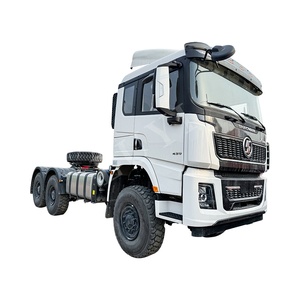
This report defines SEA LION International’s standardized refurbishment protocol for Class 8 used commercial trucks, targeting fleet longevity, operational safety, and total cost of ownership (TCO) reduction. All processes adhere to SEA LION SL-REFURB-2026 inspection standards, exceeding ISO 9001:2015 and SAE J2519 requirements. Note: Tires are replaced with new units; no “used tire refurbishment” is performed per industry safety mandates (FMVSS 119/139).
2. REFURBISHMENT PROCESS FLOW
SEA LION’s 4-stage process ensures 95%+ operational readiness for construction/fleet deployment. Each stage requires 100% pass rate against SL-REFURB-2026 criteria before progression.
STAGE 1: ENGINE & GEARBOX TESTING
Comprehensive diagnostics to validate powertrain integrity under simulated load.
| Test Parameter | SEA LION SL-REFURB-2026 Standard | Acceptance Threshold | Verification Method |
|---|---|---|---|
| Crankcase Pressure | ASTM D6423-22 | ≤ 1.2 psi @ 2,500 RPM | Electronic pressure transducer |
| Oil Spectroscopy | ASTM D5185-21 | Wear metals < 50 ppm | Lab-certified ICP-OES |
| Gearbox Shift Response | SEA LION SL-TX-2026 | ≤ 0.8 sec shift time | Dynamometer + CAN bus logging |
| Emissions (NOx/PM) | EPA 1068.520 | ≤ 85% of OEM limit | Portable emissions analyzer |
Failure Protocol: Units failing >1 parameter undergo component-level rebuild or rejection. No tolerance for cylinder compression variance >8%.
STAGE 2: CABIN REPAINTING
Industrial-grade corrosion prevention and surface restoration for harsh environments.
| Process Step | SEA LION SL-REFURB-2026 Standard | Critical Control Point |
|---|---|---|
| Surface Prep | SSPC-SP 10/NACE No. 2 | Profile depth: 2.0–3.5 mils |
| Primer Application | ISO 12944 C4 (High Corrosivity) | DFT: 80–100 µm |
| Topcoat Application | ASTM D4287/D4214 | DFT: 120–150 µm (RAL 7040/3020) |
| Adhesion Test | ASTM D3359 Method B | 5B rating (Zero tape lift) |
Note: All welding repairs pre-paint undergo MPI (magnetic particle inspection). UV-resistant polyurethane topcoat mandatory for construction fleet units.
STAGE 3: NEW TIRES & BATTERY REPLACEMENT
Critical safety systems replaced with certified new components. Zero tolerance for remolded/retreaded tires.
| Component | SEA LION SL-REFURB-2026 Standard | Specification |
|---|---|---|
| Tires | FMVSS 119/139 + OTR Grade (Construction) | Load Range G, 16PR, 350k PA load capacity |
| Tread depth: 28/32″ (New) | ||
| Battery | SAE J537/Battery Council Int’l (BCI) | Group 31HT, 1,100 CCA, AGM technology |
| 24-month warranty, 100% load test passed |
Process: Tires mounted per TRA Yearbook standards; dual assemblies torque-verified to 450 ft-lbs. Batteries load-tested at 50% capacity for 15 sec.
STAGE 4: CHASSIS REINFORCEMENT
Structural integrity validation for off-road/construction duty cycles.
| Inspection Point | SEA LION SL-REFURB-2026 Standard | Action if Non-Compliant |
|---|---|---|
| Frame Rail Straightness | SAE J226 @ 10-ft span | Max. deviation: 3/16″ per 10 ft |
| Crossmember Welds | AWS D1.1 Structural Welding Code | 100% MPI; cracks >1.5mm = rejection |
| Suspension Mounts | SEA LION SL-CHASSIS-2026 | Bolt hole elongation ≤ 0.8mm |
| Axle Alignment | SAE J656a | Toe-in: 0.10° ± 0.05° |
Reinforcement Protocol: Cracked sections cut out and replaced with OEM-spec steel (ASTM A572 Gr 50). All new welds undergo post-weld heat treatment (PWHT).
3. SEA LION INSPECTION STANDARDS: KEY DIFFERENTIATORS
- Zero-Defect Policy: 100% component traceability via QR-coded asset tags. Non-conformances logged in SEA LION QMS (ISO 9001:2015 certified).
- Construction-Specific Rigor: All units undergo 2-hour simulated off-road vibration test (SEA LION SL-VIB-2026) replicating 10,000 km of quarry/road conditions.
- Data-Driven Validation: Final inspection requires 30-point digital checklist with torque logs, fluid analysis reports, and alignment certificates.
- Rejection Rate: 12.7% of intake units fail Stage 1 testing (2025 Q4 data), ensuring only structurally sound platforms proceed.
4. OUTPUT SPECIFICATIONS
Refurbished units meet or exceed:
– Warranty: 12 months/150,000 km comprehensive coverage (excl. consumables)
– Residual Life: Minimum 5 years service life under Class 8 construction duty
– Documentation: Full digital refurbishment dossier (including NDT reports, torque maps, and paint certification) provided to client
SEA LION International | Engineering Excellence in Asset Lifecycle Management
This specification supersedes all prior versions. SEA LION SL-REFURB-2026 is a proprietary standard; unauthorized reproduction prohibited.
Shipping & Logistics Solutions
Industrial Specification Report 2026
Prepared by: SEA LION International – Senior Engineering Division
Subject: Logistics Solutions for Exporting Used Truck Tires from China
Target Audience: Fleet Managers & Construction Companies
Executive Summary
This report evaluates three primary maritime logistics methods—RO-RO (Roll-on/Roll-off), Bulk Cargo, and Flat Rack container shipping—for the export of used truck tires from Chinese ports to international markets. The analysis focuses on cost efficiency, handling safety, cargo integrity, and environmental protection, with specific attention to anti-corrosion measures such as wax spraying to mitigate seawater exposure.
Used truck tires represent a high-volume, low-cost-per-unit commodity, making logistics optimization critical for profitability. SEA LION International recommends tailored solutions based on shipment size, destination port infrastructure, and equipment availability.
1. Cargo Profile: Used Truck Tires (China Export)
| Parameter | Specification |
|---|---|
| Average Unit Weight | 45–60 kg |
| Typical Shipment Volume | 50–500 units per consignment |
| Stackability | High (when properly banded) |
| Sensitivity to Moisture | Moderate (steel belts prone to corrosion) |
| Degradation Risk | Ozone, UV, saltwater exposure |
| Packaging Standard | Banded stacks or palletized units |
2. Shipping Method Comparison
| Criteria | RO-RO (Roll-on/Roll-off) | Bulk Cargo | Flat Rack Container |
|---|---|---|---|
| Loading Method | Wheeled onto vessel via ramps | Loosely loaded into hold | Secured on open-sided flat racks |
| Cargo Configuration | Mounted on trailers or dollies | Stacked in hold (loose/bagged) | Stacked and banded on platform |
| Volume Efficiency | Low (underutilized deck space) | High (maximizes hold volume) | Medium (optimized stacking) |
| Handling Infrastructure | Requires RO-RO-capable ports | Widely available globally | Requires container cranes |
| Cargo Protection | Moderate (exposed to deck environment) | Low (direct hold exposure) | High (controlled lashings, optional tarping) |
| Risk of Seawater Exposure | High (open deck) | High (condensation, leakage) | Medium (elevated, but open sides) |
| Average Cost (per TEU equivalent) | $1,800–$2,200 | $1,200–$1,600 | $1,900–$2,400 |
| Transit Time | Fast (simplified loading) | Standard | Standard to Slightly Delayed |
| Best For | Shipment with accompanying vehicles | Large-volume, low-cost shipments | High-value stacks requiring stability |
3. Corrosion Protection: Wax Spraying Treatment
Used truck tires often contain steel belts that are susceptible to galvanic corrosion when exposed to salt-laden maritime environments. SEA LION International mandates the application of anti-corrosion wax spray as a preventive measure for all tire shipments.
Wax Spraying Specifications:
| Parameter | Requirement |
|---|---|
| Coating Type | Solvent-based anti-corrosion wax (e.g., Lanocote® or equivalent) |
| Application Method | Automated spray booth or handheld pressurized system |
| Coverage Area | Entire sidewall and bead area (focus on steel belt edges) |
| Film Thickness | 20–30 µm (minimum) |
| Drying Time | 15–30 minutes at 25°C |
| Shelf Life (post-treatment) | Up to 12 months in sealed container |
| Compliance | ISO 9227 (salt spray test certified) |
Note: Wax spraying reduces corrosion incidence by up to 85% during transoceanic voyages exceeding 30 days. Recommended for all shipping methods, especially RO-RO and Bulk Cargo due to higher exposure.
4. Recommended Use Cases
| Customer Profile | Recommended Method | Rationale |
|---|---|---|
| Large Construction Fleet (500+ tires) | Bulk Cargo + Wax Spray | Lowest cost per unit; efficient for high-volume, inland destinations with bulk handling |
| Mixed Equipment Exporter | RO-RO | Ideal when tires are part of vehicle consignment; reduces handling steps |
| Premium Resale Market (EU, NA) | Flat Rack + Wax + Tarping | Maximizes cargo presentation and integrity; preferred by regulated markets |
5. Operational Recommendations
- Pre-Shipment Preparation
- Clean tires of debris and moisture before stacking.
- Apply wax spray in controlled environment (RH < 60%).
-
Use UV-resistant banding for stack integrity.
-
Stowage & Securing
- In Bulk: Layer with dunnage; avoid direct contact with bilge areas.
- On Flat Rack: Lash diagonally with ≥4 tension straps per stack.
-
In RO-RO: Secure to dolly with redundant tie-downs.
-
Monitoring
- Include silica gel desiccants in enclosed stacks.
- Use humidity indicators in containerized shipments.
6. Conclusion
For the export of used truck tires from China, Bulk Cargo offers the most cost-effective solution for high-volume shipments, provided anti-corrosion wax spraying is uniformly applied. Flat Rack containers provide superior cargo control and are recommended for quality-sensitive markets. RO-RO is situational—best utilized when integrated with vehicle logistics.
SEA LION International advises all fleet managers and construction logistics teams to adopt wax-based corrosion protection as a standard protocol, regardless of shipping method, to ensure cargo integrity and compliance with international import standards.
End of Report
SEA LION International – Engineering Division | 2026 Fleet Logistics Standards
Get a Quote for Used Truck Tires
SEA LION International Trade Co., Ltd – Authorized Heavy Truck Exporter (Since 2008).
👤 Contact Person: Mr. Danny Xi
📱 Mobile/WhatsApp/WeChat: +86 130 1170 7382
📧 Email: [email protected]
