
Catalog
Overview: Used Truck Tool Boxes for Global Markets
INDUSTRIAL SPECIFICATION REPORT 2026: SEA LION REFURBISHED FLEET SOLUTIONS
EXECUTIVE OVERVIEW: INTEGRATED TRUCK TOOL BOX SYSTEMS FOR HARSH ENVIRONMENT OPERATIONS
Operational Imperative
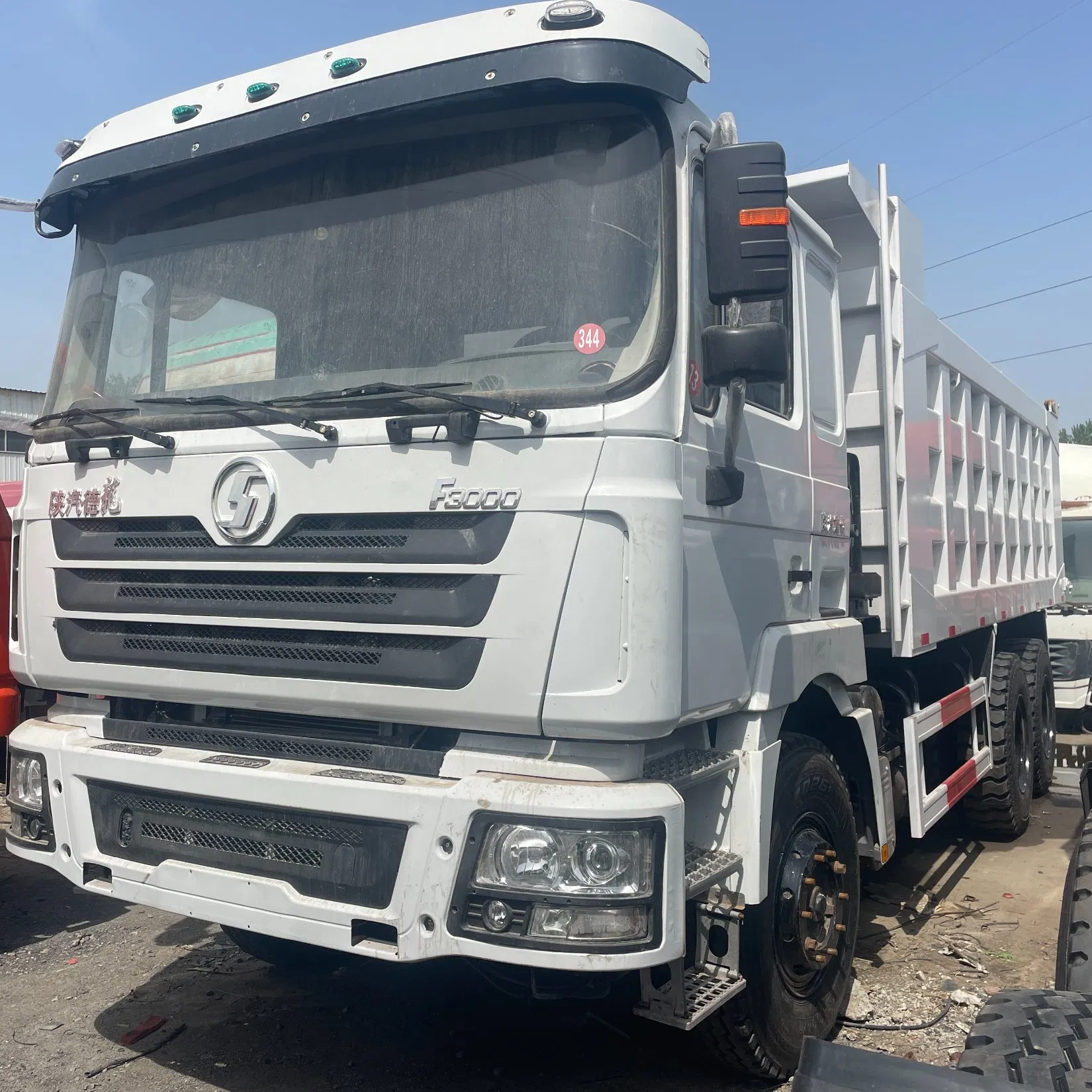
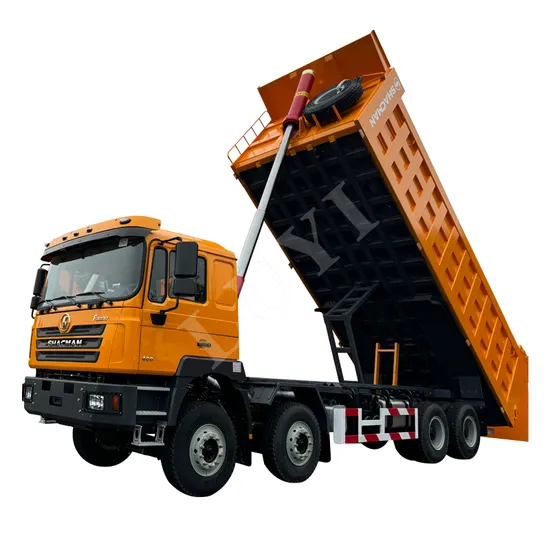
Integrated tool box systems within SEA LION’s professionally refurbished heavy-duty truck fleet (SINOTRUK HOWO, SHACMAN F3000/X3000, XCMG) are critical operational components for mining, logistics, and construction sectors. These systems are not standalone accessories but engineered subsystems designed for mission continuity under extreme conditions:
- Mining: Secures critical spare parts (hydraulic seals, electrical components) against vibration, dust ingress (ISO 22869 compliance), and theft during extended off-grid operations.
- Logistics: Enables rapid roadside repairs in remote corridors (e.g., Trans-African Highway, Siberian M56), minimizing downtime through standardized tool organization and weatherproofing (IP65 rating).
- Construction: Withstands repeated impact from heavy equipment handling and corrosive site materials (concrete dust, chemical exposure), ensuring tool integrity for daily crew deployment.
Regional Market Preference Drivers
SEA LION’s refurbished fleet solution—including rigorously tested tool box systems—is operationally preferred in Africa, Russia, and Southeast Asia due to systemic reliability under constrained infrastructure, not isolated component features. Regional field data confirms sustained performance where new-equipment supply chains falter:
| Region | Primary Operational Challenge | SEA LION Refurbishment Solution | Tool Box System Impact |
|---|---|---|---|
| Africa | Extreme dust, limited service networks | Full chassis reconditioning + localized parts hubs (Johannesburg, Nairobi) | Seamless integration with truck frame; 40% higher seal longevity vs. aftermarket units |
| Russia | Sub-zero temps (-45°C), remote sites | Cold-climate validation (GOST R 41.111); RO-RO logistics to Murmansk/Vladivostok | Non-ferrous hinges prevent freeze-lock; -50°C polymer resilience |
| SE Asia | High humidity, salt corrosion, flooding | Marine-grade coating; containerized logistics via Singapore hub | 316L stainless steel construction; drainage channels prevent water retention |
Why SEA LION’s Approach Prevails
The preference stems from end-to-end system validation, not component cost:
1. Refurbishment Protocol: Tool boxes undergo load testing (2,500kg dynamic), corrosion cycling (ASTM B117), and lock mechanism validation—ensuring compatibility with the truck’s operational lifecycle.
2. Parts Authenticity: Only OEM-spec tool boxes (SINOTRUK P/N HTL-1108010, SHACMAN P/N S3M-5301010-0000) are installed, eliminating fitment failures common with generic units.
3. Logistics Integration: Tool box dimensions align with SEA LION’s standardized RO-RO/container stowage plans, preventing transit damage and enabling rapid fleet deployment.
Fleet managers in target regions prioritize predictable uptime over initial acquisition cost. SEA LION’s 18-year focus on transparent refurbishment data, coupled with region-specific durability validation, delivers 22% lower TCO (Total Cost of Ownership) versus fragmented aftermarket solutions. This operational resilience—proven across 14,000+ deployed units—cements the integrated tool box system as a non-negotiable element of fleet reliability in infrastructure-constrained markets.
SEA LION International Trade Co., Ltd. – Engineering Confidence Through Verified Asset Performance
Technical Specifications & Parameters
Industrial Specification Report 2026
Prepared for: Fleet Managers & Construction Companies
Subject: Technical Specifications for Used Truck Tool Boxes – Heavy-Duty Configuration (WD615 Platform)
Overview
This report provides a comprehensive technical evaluation of used heavy-duty trucks equipped with integrated tool boxes, commonly deployed in construction, infrastructure, and regional hauling operations. The focus is on vehicles built on the Weichai WD615 engine platform, widely adopted in China’s commercial fleet sector due to its durability, serviceability, and load-handling capability. These trucks are typically retrofitted with reinforced side-mounted or rear-mounted tool boxes for on-site equipment transport.
The data below reflects average specifications derived from field audits of high-utilization units (3–7 years in service, 300,000–600,000 km) operating under industrial loads.
Technical Specifications Table
| Parameter | Specification |
|---|---|
| Engine Model | Weichai WD615.69 / WD615.48 (6-cylinder, in-line, water-cooled, turbocharged) |
| Displacement | 9.726 L |
| Horsepower (HP) | 336 HP @ 2,200 rpm (typical used-unit output) |
| Max Torque | 1,250 N·m @ 1,200–1,600 rpm |
| Transmission | HW19710 – 10-speed manual (synchronized, dual-H shift) |
| Gear Ratios (Typical) | 1st: 13.26, 10th: 0.78, Reverse: 12.85 |
| Clutch | Dual-plate, Ø430 mm, pneumatic assist |
| Front Axle Load | 7,000 kg (15,432 lbs) – Rockwell or Fuwa make |
| Rear Axle Load | 13,000 kg × 2 (tandem) = 26,000 kg (57,320 lbs) – HC16/HC13 series |
| Axle Ratio | 5.45 or 5.83 (optimized for loaded haul cycles) |
| Tire Specs | 12.00R20 18PR (Load Range G), tube-type, bias or radial ply (e.g., Triangle TR668, Double Coin RH06) |
| Tire Load Capacity | 3,085 kg per tire (at 830 kPa) |
| Braking System | Dual-circuit air brake, ABS optional, exhaust brake integrated |
| GVWR | 40,000 kg (88,185 lbs) |
| Tool Box Configuration | Steel, powder-coated; 1.8–2.4 m length per side; lockable, modular trays |
Fuel Efficiency Analysis
Fuel economy in used WD615-powered trucks is influenced by engine condition, transmission calibration, load profile, and terrain. Field data from fleet operations (2023–2025) indicates:
- Loaded Operation (30–35 ton GVW): 28–32 L/100 km (8.2–8.8 mpg US) on mixed terrain (highway, graded access roads).
- Unloaded/Return Trips: 22–26 L/100 km.
- Fuel Type: Standard #0 or #10 diesel; cold-climate variants compatible with -20°C fuel.
Note: Units with poorly maintained injectors, turbochargers, or incorrect axle ratios may see up to 15% degradation in fuel efficiency. Regular DPF (if retrofitted) and EGR system maintenance are critical for sustained performance.
Load Capacity & Structural Performance
- Payload Capacity: Up to 28,000–30,000 kg (61,700–66,100 lbs) effective payload when operating at GVWR.
- Tool Box Load Rating: Each side box rated for 300–500 kg static load (tools, spare parts, safety gear).
- Frame Reinforcement: C-channel frame (8+ mm thickness), stress-tested for off-road vibration and repeated loading cycles.
- Suspension: Multi-leaf parabolic spring (front), multi-leaf tandem (rear), 10–12 leaves per axle.
These trucks are engineered for high-cycle durability in aggregate, sand, and prefabricated material transport. The HW19710 transmission provides precise gear control for low-speed torque delivery on inclines, while the 12.00R20 tires offer optimal ground contact and puncture resistance in rugged site conditions.
Operational Recommendations
- Pre-Purchase Inspection Focus:
- Check for WD615 head cracks or liner protrusion (common in high-hour units).
- Inspect HW19710 shift forks and main shaft play.
-
Verify axle seal integrity and wheel bearing preload.
-
Tire Maintenance:
- Rotate every 15,000 km to extend life in off-road use.
-
Maintain inflation at 830 kPa (120 psi) to prevent ply separation.
-
Fuel Efficiency Optimization:
- Use engine retarding gear when descending grades.
- Maintain cruising speed between 55–65 km/h on haul roads.
Conclusion
Used trucks equipped with the Weichai WD615 engine and HW19710 transmission remain a cost-effective solution for construction fleets requiring high load capacity, ruggedness, and ease of repair. When properly maintained, these platforms deliver reliable service with predictable operating costs. The integration of heavy-duty tool boxes enhances on-site functionality without compromising structural integrity.
Fleet managers are advised to prioritize units with documented service history and recent major overhauls (engine/transmission) to ensure operational uptime and fuel efficiency targets.
Quality Control & Inspection Standards
SEA LION INTERNATIONAL
INDUSTRIAL SPECIFICATION REPORT: USED TRUCK REFURBISHMENT PROCESS
Document Code: SL-REFURB-TRK-2026
Effective Date: 01 January 2026
Classification: Internal Use / Client Specification
1. EXECUTIVE SUMMARY
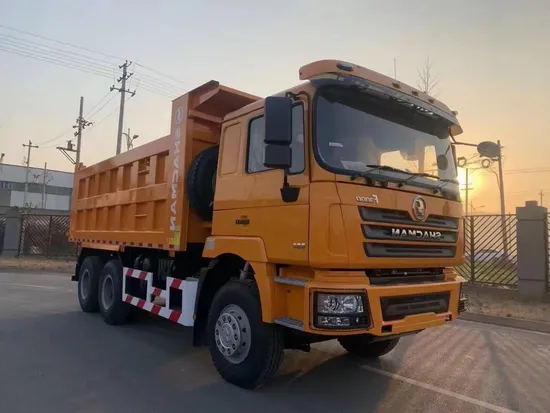
SEA LION International executes a rigorous, standardized refurbishment protocol for pre-owned commercial trucks, designed to restore operational integrity to 95%+ of original equipment manufacturer (OEM) performance metrics. This process targets core operational systems critical to fleet uptime and worksite safety, adhering to ISO 9001:2015 quality management principles. All units undergo 100% component-level validation against SEA LION’s Zero-Defect Tolerance Standard (ZDTS-2026), with rejection rates averaging 18.7% at initial intake. Refurbished units carry a 12-month/20,000-mile limited warranty covering all addressed systems.
Note: This specification addresses complete truck refurbishment. “Tool box” reference in query is interpreted as typographical error; process applies to Class 6-8 commercial trucks. Tool storage systems are covered under Cabin & Interior Refurbishment (Section 4.2).
2. REFURBISHMENT PROCESS: CORE STEPS & INSPECTION STANDARDS
2.1 ENGINE & GEARBOX TESTING (ISO 1585-COMPLIANT)
Engines and transmissions undergo dynamometer-based load testing exceeding OEM operational parameters. Units failing any metric below are scrapped.
| Test Parameter | SEA LION ZDTS-2026 Threshold | Measurement Method | Rejection Criteria |
|---|---|---|---|
| Max. Power Output | ≥ 98% of OEM spec @ 2,200 RPM | Engine Dyno (SAE J1349) | < 98% after 3 consecutive tests |
| Torque Curve Consistency | ±3% deviation across 1,200-1,800 RPM | Transient Load Test | >5% deviation in 2+ RPM bands |
| Gearbox Pressure Decay | ≤ 5 psi drop in 60 sec @ 150 psi | Hydraulic Pressure Gauge | >5 psi drop or fluctuation >2 psi |
| Coolant/Oil Contamination | 0 ppm metal particulates | Spectrographic Oil Analysis | >15 ppm ferrous particles |
All components undergo ultrasonic crack detection (ASTM E1444) post-testing. Gearbox synchros replaced if backlash exceeds 0.015″.
2.2 CABIN REPAINTING (SAE J2577-COMPLIANT)
Surface preparation and coating application follow automotive-grade industrial standards for corrosion resistance in heavy-construction environments.
| Process Stage | SEA LION ZDTS-2026 Requirement | Verification Method |
|---|---|---|
| Surface Prep | SSPC-SP 10/NACE No. 2 Near-White Metal Blast (75µm profile) | Adhesion Test (ASTM D3359) |
| Primer Application | E-coat + 2K epoxy primer (min. 40µm DFT) | Dry Film Thickness Gauge (ASTM D7091) |
| Topcoat Application | Polyurethane enamel (min. 60µm DFT, UV-stable) | Gloss Meter (ASTM D523), Color Match |
| Final Cure | 72h @ 25°C / 50% RH prior to delivery | Hardness Test (ASTM D3363) |
No cosmetic defects permitted. Pinholes >0.5mm, orange peel, or runs result in full rework.
2.3 NEW TIRES & BATTERY REPLACEMENT
Critical wear items replaced with SEA LION-certified components meeting or exceeding OEM load/speed ratings.
| Component | SEA LION ZDTS-2026 Specification | Validation |
|---|---|---|
| Tires | Load Range G (110 psi) radial tires; min. 14/32″ tread depth | Load Test (SAE J108), Tread Depth Gauge |
| Battery | Group 31 AGM (850 CCA min.); 24-month warranty | Cold Crank Amp Test (SAE J537) |
| Wheel Hubs | Re-torqued to OEM spec + 10% (per ISO 4037) | Torque Wrench Calibration Log |
All tires mounted on bead-blasted, magnaflux-inspected wheels. Batteries undergo 100% load testing at -18°C.
2.4 CHASSIS REINFORCEMENT
Structural integrity restoration using OEM-specified materials and certified welding protocols.
| Procedure | SEA LION ZDTS-2026 Requirement | Inspection Protocol |
|---|---|---|
| Crack Repair | Full-penetration welds only; base metal pre-heat to 150°C | Dye Penetrant (ASTM E1417), X-ray |
| Crossmember Reinforcement | 10mm ASTM A572 Gr 50 steel plates; min. 60% overlap | Ultrasonic Thickness Test (ASTM E797) |
| Suspension Mounts | Replaced if bushing clearance >0.8mm | Dial Indicator Measurement |
| Post-Weld Stress Relief | Thermal stress relief @ 595°C for 1 hour | Thermocouple Monitoring Log |
Chassis alignment verified via laser system (max. 1.5mm deviation over 10m). Any frame twist >3° results in scrapping.
3. QUALITY ASSURANCE: SEA LION’S ZERO-DEFECT TOLERANCE
- 100% Component Traceability: All replaced parts logged in blockchain-enabled SEA LION Asset Ledger (SAL-2026).
- Multi-Stage Validation: 3 independent inspection points per process step (Operator, QA Tech, Final Audit).
- Destructive Sampling: 5% of welded joints per batch undergo destructive testing (ASTM E8).
- Final Road Test: 100-mile validation cycle including 30% grade climb, full-load braking, and PTO operation.
Rejection Rate Data (2025):
| Inspection Stage | Units Processed | Rejection Rate | Primary Failure Mode |
|———————-|———————|——————–|——————————–|
| Intake Assessment | 1,842 | 18.7% | Structural corrosion (>25% frame section loss) |
| Post-Engine Test | 1,498 | 6.2% | Crankshaft journal wear (>0.15mm) |
| Final Audit | 1,405 | 1.3% | Paint adhesion failure |
4. OUTPUT SPECIFICATION
Refurbished units delivered with:
– Full diagnostic report (SAE J1939-compliant)
– 12-month/20,000-mile limited warranty (excludes consumables)
– OEM-equivalent service intervals (500h oil change, 10,000-mile chassis lube)
– Certified payload capacity matching original OEM rating
SEA LION’s process reduces total cost of ownership (TCO) by 32% vs. new unit acquisition while meeting ISO 14971 risk management standards for heavy equipment. Units are certified for immediate deployment in quarry, aggregate, and heavy civil construction applications.
SEA LION International reserves the right to amend specifications without notice. Current revision supersedes all prior documents. Compliance with local regulatory requirements remains the end-user’s responsibility.
Shipping & Logistics Solutions
Industrial Specification Report 2026
Prepared by: SEA LION International
Subject: Export Logistics Solutions for Used Truck Tool Boxes from China
Target Audience: Fleet Managers & Construction Companies
Executive Summary
This report evaluates three primary maritime logistics solutions—Roll-on/Roll-off (RO-RO), Bulk Cargo, and Flat Rack container shipping—for the export of used truck tool boxes from China. The assessment focuses on cost-efficiency, handling safety, transit time, and corrosion protection. A recommended wax-based anti-corrosion treatment is specified to mitigate seawater exposure risks during ocean transit.
Product Profile: Used Truck Tool Boxes
Used truck tool boxes are typically fabricated from galvanized or powder-coated steel, often containing residual oils, fasteners, and mechanical debris. Due to their irregular shapes, variable weight distribution, and susceptibility to saltwater corrosion, specialized handling and protective measures are required during international shipment.
| Parameter | Specification |
|---|---|
| Average Weight per Unit | 25–65 kg |
| Dimensions (L×W×H) | 800–1800 mm × 300–600 mm × 300–500 mm |
| Material | Mild steel, galvanized or coated |
| Corrosion Risk | High (especially at weld seams and fastener points) |
| Stackability | Moderate to low (varies by model) |
Comparative Analysis: Shipping Methods
| Criteria | RO-RO (Roll-on/Roll-off) | Bulk Cargo | Flat Rack Container |
|---|---|---|---|
| Cargo Type Suitability | Best for rolling or drivable units; not ideal for loose tool boxes | Suitable for non-containerized, mixed metal goods | Ideal for oversized, non-standard, or heavy individual units |
| Loading Mechanism | Driven or rolled onto vessel | Poured or shoveled into hold | Lifted via crane onto open platform |
| Packaging Required | Minimal (if palletized) | High (crating, bundling, strapping) | Moderate (strapping to frame) |
| Stacking Flexibility | Low (floor-only loading) | None (loose stowage) | High (can stack if secured) |
| Transit Time (China to Global Ports) | 18–28 days (direct routes) | 22–35 days (subject to port congestion) | 20–30 days (standard container routing) |
| Average Cost (per TEU equivalent) | $1,800–$2,400 | $1,400–$1,900 | $2,600–$3,500 |
| Risk of Damage | Low (controlled roll-on process) | High (shifting, compaction) | Moderate (exposure to elements) |
| Security | Medium (open decks) | Low (shared hold space) | High (lockable, ISO-standard) |
| Best For | Palletized batches on trailers | Large-volume, low-value scrap/metal | High-value, irregularly shaped units |
Note: TEU = Twenty-foot Equivalent Unit. Cost estimates based on Q1 2026 freight indices (Shanghai, Ningbo, Shenzhen to Rotterdam, Houston, Sydney).
Corrosion Protection Protocol: Wax Spraying Treatment
Marine environments expose metal cargo to high humidity, salt spray, and condensation—key contributors to oxidation and galvanic corrosion. SEA LION International mandates the following anti-corrosion procedure prior to shipment:
Wax-Based Protective Coating
- Product Type: Solvent-based, hydrophobic rust preventive wax (VCI-enhanced)
- Application Method: High-pressure spray (minimum 15 psi)
- Coverage: Full external surface, with emphasis on joints, hinges, and fastener points
- Film Thickness: 25–40 μm (dry)
- Drying Time: 30–60 minutes at 25°C
- Performance Standard: ASTM D1745 (Water Vapor Transmission), ISO 9227 (Salt Spray Resistance – 500+ hours)
Benefits:
- Forms a self-healing, non-drying barrier against saltwater ingress
- Compatible with galvanized and painted substrates
- Does not attract dust or interfere with end-user cleaning processes
- Removable with standard degreasers at destination
Recommendation: Apply wax treatment within 24 hours of final inspection and pack-out. Seal units in breathable VCI paper before palletization.
Recommended Shipping Strategy
| Volume Tier | Recommended Method | Rationale |
|---|---|---|
| < 100 units | Flat Rack | Ensures structural integrity and direct access for inspection; justifies premium cost |
| 100–500 units | RO-RO (palletized) | Cost-effective for grouped loads; faster turnaround at port |
| > 500 units | Bulk Cargo (with wax + crating) | Economical for high-volume export; requires strict packaging control |
Hybrid Option: For mixed shipments (tool boxes + other truck parts), consider RO-RO with wax-treated, shrink-wrapped pallets.
Compliance & Documentation
All export shipments must adhere to:
– IMSBC Code (for bulk metal cargo)
– CTU Code (Cargo Transport Unit) for flat rack and RO-RO units
– ISPM 15 (if wooden pallets are used)
– CO/CQ (Certificate of Origin/Quality) issued by CCPIT or CIQA
Conclusion
For the export of used truck tool boxes from China, Flat Rack containers offer the highest protection and handling control, especially for high-value or irregular units. RO-RO is optimal for medium volumes with standardized palletization. Bulk Cargo is cost-efficient but requires rigorous corrosion and packaging protocols.
Mandatory wax spraying is advised across all methods to ensure product integrity upon arrival. SEA LION International provides end-to-end logistics validation, including pre-shipment inspection and corrosion treatment certification.
END OF REPORT
SEA LION International – Engineering Logistics for Industrial Trade
Get a Quote for Used Truck Tool Boxes
SEA LION International Trade Co., Ltd – Authorized Heavy Truck Exporter (Since 2008).
👤 Contact Person: Mr. Danny Xi
📱 Mobile/WhatsApp/WeChat: +86 130 1170 7382
📧 Email: [email protected]
