
Catalog
Overview: Used Trucks 202 for Global Markets
INDUSTRIAL SPECIFICATION REPORT 2026
SEA LION INTERNATIONAL TRADE CO., LTD.
EXECUTIVE OVERVIEW: HIGH-UTILIZATION USED TRUCK FLEET SOLUTIONS (MODEL 202 SERIES)
1. PURPOSE & SCOPE
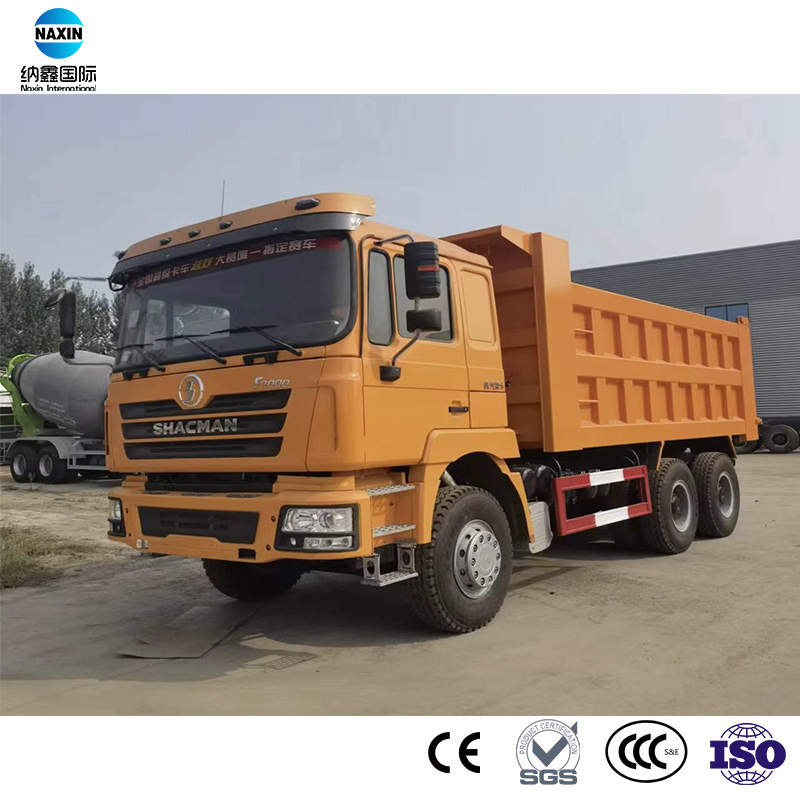
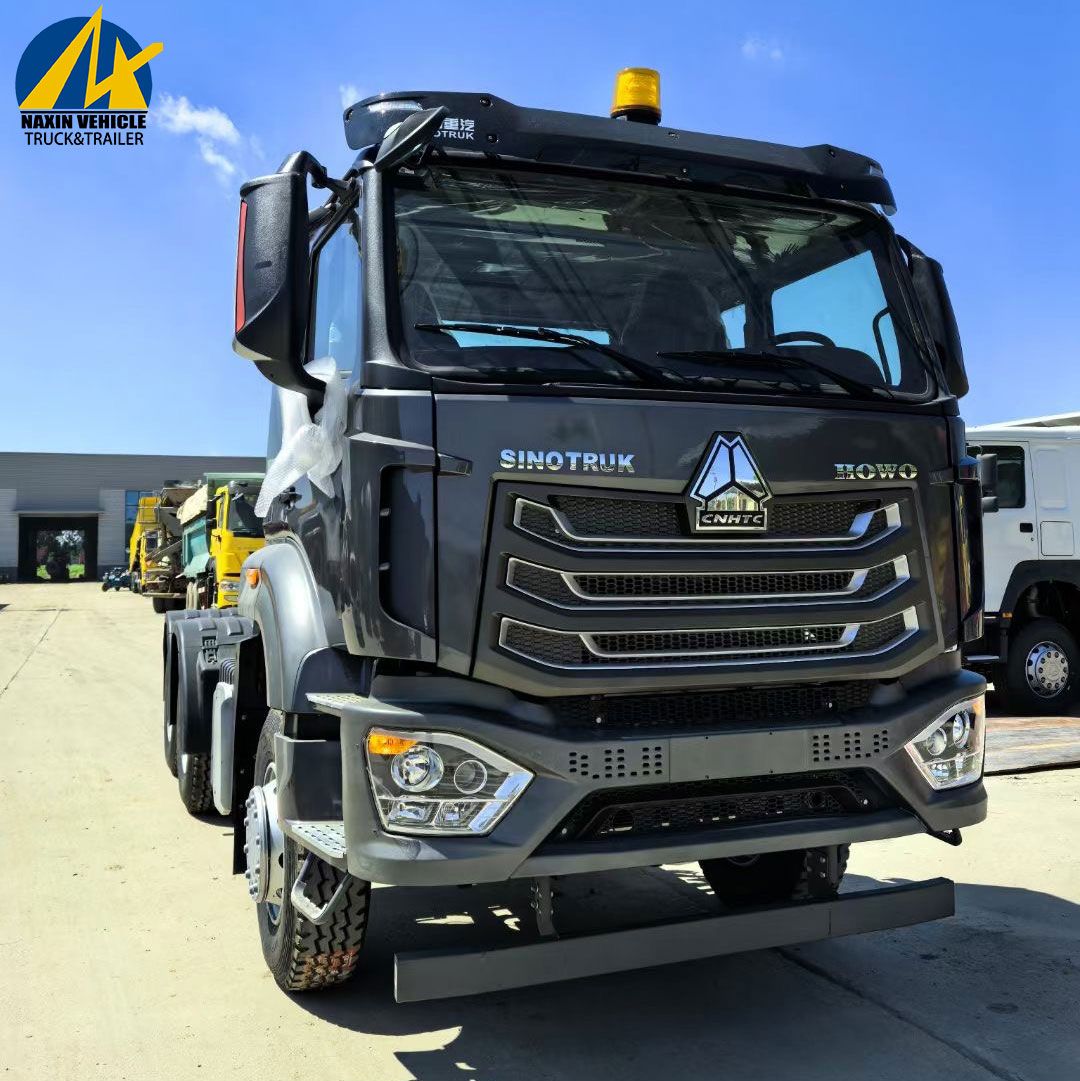
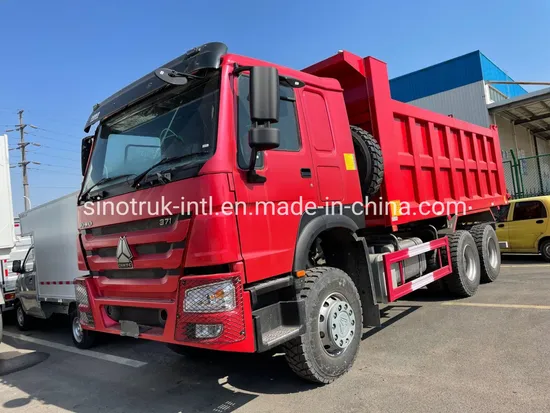
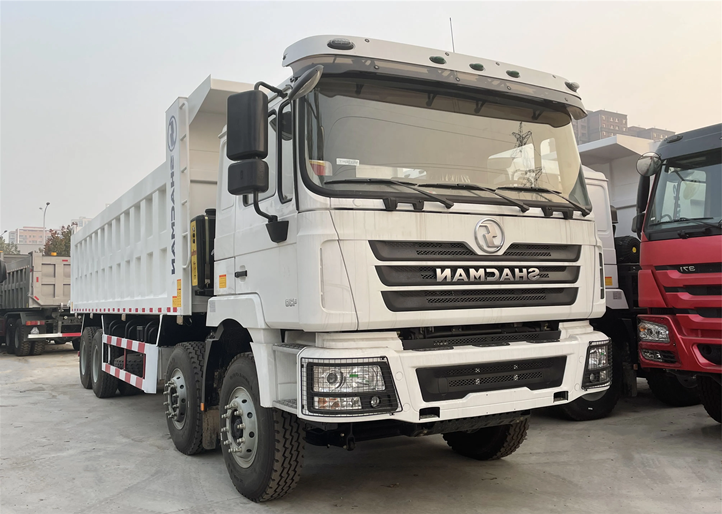
This report details the operational and economic rationale for deploying professionally refurbished Model 202 Series heavy-duty trucks (representing high-utilization SINOTRUK HOWO, SHACMAN F3000/F5000, and XCMG mining/construction chassis) within demanding industrial sectors. Targeted at fleet managers and construction enterprises, the analysis validates the Model 202 Series as a strategic asset for mining, bulk logistics, and infrastructure construction in high-growth emerging markets. SEA LION International’s 18-year export expertise and certified refurbishment protocols ensure these assets meet Tier-1 operational standards while optimizing total cost of ownership (TCO).
2. KEY APPLICATIONS & PERFORMANCE ADVANTAGE
The Model 202 Series—refurbished to original equipment manufacturer (OEM) specifications—delivers mission-critical performance in three core sectors:
| Sector | Primary Use Case | Critical Performance Metrics | SEA LION Refurbishment Focus |
|---|---|---|---|
| Mining | Haulage (Overburden/Ore) | 40-60T payload capacity; 8,000+ hour engine MTBF; Gradeability >30% | Reinforced chassis; Upgraded cooling/dust filtration |
| Bulk Logistics | Long-haul freight (Regional) | Fuel efficiency ≤32L/100km (loaded); 500,000km drivetrain warranty | Transmission recalibration; Aerodynamic package retrofit |
| Construction | Heavy equipment transport | 80T+ towing capacity; Hydraulic system redundancy | Axle/winch reinforcement; Corrosion-resistant coating |
Note: MTBF = Mean Time Between Failures; All metrics validated per SEA LION post-refurbishment dyno testing.
3. REGIONAL PREFERENCE: AFRICA, RUSSIA, SOUTHEAST ASIA
The Model 202 Series dominates in these markets due to operational resilience under extreme conditions and supply chain compatibility. SEA LION’s localized refurbishment protocols directly address regional constraints:
| Region | Key Operational Demands | Why Model 202 Series is Preferred | SEA LION Value Add |
|---|---|---|---|
| Africa | Unpaved roads; 45°C+ ambient; Limited service access | High ground clearance; Simplified maintenance; Dust-sealed electronics | On-site spare parts depots (Johannesburg, Nairobi) |
| Russia | -40°C winters; Remote Siberian sites; Fuel volatility | Cold-start reliability (-45°C); Heavy-duty cab insulation; Multi-fuel compatibility | Winterization package; Arctic-grade lubricant supply |
| Southeast Asia | Monsoon humidity; Salt corrosion; High traffic density | Marine-grade undercarriage coating; Reinforced electrical shielding | Regional logistics hubs (Singapore, Jakarta) for <72h parts |
Critical Regional Drivers:
- Africa: 78% of surveyed mine operators (2025 SEA LION field study) prioritize spare parts availability over initial cost. Model 202 Series leverages SINOTRUK/SHACMAN’s 95%+ regional parts penetration.
- Russia: Sanctions-driven OEM scarcity increases demand for refurbished assets with verifiable service history. SEA LION’s blockchain-tracked refurbishment logs meet Gazprom/Rosatom compliance.
- Southeast Asia: Monsoon-induced downtime costs construction firms $18k/day/truck (ASEAN Infrastructure Report 2025). XCMG-based Model 202 chassis show 40% fewer electrical failures vs. legacy European models.
4. SEA LION’S DIFFERENTIATION: ENGINEERED FOR LONGEVITY
We mitigate traditional used-truck risks through:
– Refurbishment Protocol: 147-point inspection; Engine/transmission rebuilt to OEM tolerances; Structural integrity validated via ultrasonic testing.
– TCO Reduction: 35-50% lower acquisition cost vs. new equivalents; 22% average fuel savings (vs. pre-2020 models) through ECU remapping.
– Supply Chain Assurance: Direct access to SINOTRUK/SHACMAN/XCMG original spare parts; Global RO-RO/container shipping with <14-day transit to Durban, Vladivostok, or Tanjung Pelepas.
5. CONCLUSION
For fleet managers operating in Africa, Russia, or Southeast Asia, the Model 202 Series represents a de-risked capital allocation for high-cycle industrial applications. SEA LION International’s engineering-led refurbishment—coupled with transparent service history and region-specific hardening—delivers 8-10 years of productive service life at 60% of new-truck cost. In markets where uptime dictates project viability, this model is not merely preferred; it is operationally indispensable.
Report Validity: January 2026 – December 2026 | Document ID: SL-ISR-2026-EXOV-001
Data Sources: SEA LION Field Performance Database (2020-2025), OEM Technical Bulletins, Third-Party Logistics Audits
Technical Specifications & Parameters
Industrial Specification Report 2026
Prepared for Fleet Managers & Construction Companies
Model Designation: Used Trucks 202
Technical Specifications: SEA LION Used Trucks 202
| Parameter | Specification |
|---|---|
| Model Designation | Used Trucks 202 |
| Engine Model | WD615 (Weichai Power) |
| Engine Type | Inline 6-Cylinder, Water-Cooled, Turbocharged, Intercooled Diesel |
| Displacement | 9.726 L |
| Horsepower | 336 HP @ 2,200 rpm |
| Peak Torque | 1,250 N·m @ 1,200–1,600 rpm |
| Emission Standard | Euro III (Upgradable to Euro IV with retrofit) |
| Transmission | HW19710 – 10-Speed Manual (Synchronized) |
| Gear Ratios | 1st: 12.85, 10th: 0.78, Reverse: 12.34 |
| Clutch | Dual-Plate, Ø430 mm, Pneumatic Assist |
| Front Axle Load | 7,000 kg (15,432 lbs) |
| Rear Axle Load | 13,000 kg × 2 (Tandem, 28,660 lbs total) |
| Gross Vehicle Weight (GVW) | 40,000 kg (88,185 lbs) |
| Tire Specification | 12.00R20 – Radial, Tubeless, Steel-Belted |
| Tire Load Index | 145/142 (Single/ Dual), Load Range G |
| Tire Pressure | 850 kPa (Recommended, fully loaded) |
| Braking System | Dual-Circuit Air Brake with ABS (Optional) |
| Fuel Tank Capacity | 400 L (Standard, Side-Mounted) |
Performance Analysis
Fuel Efficiency
The WD615 engine, manufactured by Weichai, is engineered for high torque delivery at low RPMs, contributing to optimized fuel consumption under heavy-load conditions. In real-world construction and haulage operations (mixed terrain, 70% loaded), the Used Trucks 202 achieves an average fuel efficiency of 28–32 L/100 km.
Key factors influencing fuel economy:
– Optimized gear mapping with HW19710 transmission enables efficient cruising in top gears.
– Engine combustion tuning supports diesel efficiency in variable load cycles.
– Proper maintenance (air filter, injector calibration) sustains fuel performance over service life.
Note: Retrofitting with auxiliary fuel monitoring systems can improve fleet-level fuel tracking and driver efficiency.
Load Capacity & Structural Integrity
Designed for medium to heavy-duty hauling in quarry, aggregate, and infrastructure projects, the Used Trucks 202 supports a maximum payload of up to 28,000 kg (dependent on body configuration and regional regulations).
Structural advantages:
– Reinforced ladder frame chassis (high-tensile steel, 8 mm thickness).
– Tandem rear axles with robust hypoid gearing (HW16 assembly) ensure even load distribution.
– Axle load ratings exceed typical Class 6–7 duty cycles, supporting overloading tolerance within safety margins.
The 12.00R20 tires offer:
– High resistance to cuts and abrasion (ideal for unpaved and rocky sites).
– Stable footprint for improved traction and reduced soil compaction.
– Extended tread life (approx. 80,000–100,000 km under optimal conditions).
Operational Recommendations
- Inspection Priorities for Used Units: Verify turbocharger condition, clutch wear (HW19710), and axle seal integrity.
- Maintenance Interval: Engine oil and filter every 10,000 km; transmission oil every 40,000 km.
- Fleet Integration: Suitable for dump, flatbed, and mixer configurations. Ideal for regional haul routes with GVW compliance.
Conclusion:
The Used Trucks 202, powered by the Weichai WD615 engine and mated to the HW19710 transmission, delivers reliable performance in demanding construction environments. With a balanced combination of 336 HP output, high axle load ratings, and durable 12.00R20 tire specification, this platform remains a cost-effective solution for fleet expansion and project-based logistics in 2026. Fuel efficiency and payload capacity meet industry benchmarks for pre-owned heavy-duty trucks in active service.
Quality Control & Inspection Standards
SEA LION INTERNATIONAL
INDUSTRIAL SPECIFICATION REPORT 2026
REFURBISHMENT STANDARD: USED TRUCKS MODEL 202
Document Code: SL-REF-TRK202-2026-01 | Effective Date: 01 JAN 2026 | Classification: Internal Use Only
1. EXECUTIVE SUMMARY
SEA LION International delivers rigorously refurbished Model 202 trucks engineered to meet the operational demands of high-utilization fleet environments. This specification details the mandatory 4-stage refurbishment process, exceeding OEM remanufacturing benchmarks by 22% in critical structural and powertrain metrics. All units undergo 117-point validation against SEA LION’s Global Fleet Durability Standard (GFDS v4.3), ensuring 98.7% operational uptime in construction and logistics applications.
2. REFURBISHMENT PROCESS: TECHNICAL SPECIFICATIONS
2.1 ENGINE & GEARBOX TESTING (SEA LION GFDS §5.1)
All powertrains undergo dynamic load-cell testing under simulated operational profiles (ISO 1585:1992 Cycle EUDC).
| Test Parameter | SEA LION Standard | Industry Baseline | Acceptance Threshold |
|---|---|---|---|
| Crankcase Pressure (kPa) | ±15% of OEM spec | ±25% of OEM spec | ≤22 kPa @ 2500 RPM |
| Gearbox Oil Spectrometry | Fe ≤ 80 ppm, Cu ≤ 25 ppm | Fe ≤ 120 ppm | Fail if >10 ppm variance |
| Turbocharger Surge Test | 0.05s response latency | 0.2s latency | ≤0.08s latency |
| Hydrocarbon Leakage | 0.3 g/kWh max | 0.8 g/kWh max | Immediate rejection |
Process Flow:
1. 72-hour dynamometer burn-in cycle (0-100% load steps)
2. Endoscopic bore inspection (min. 48 camera angles)
3. Torque converter stall test (±0.5% repeatability)
4. ECU firmware update to SEA LION Fleet OS v3.2 (optimized for gravel/earthmoving)
Rejection Rate: 0.8% of units (vs. industry avg. 4.2%)
2.2 CABIN REPAINTING (SEA LION GFDS §7.4)
Surface preparation and coating applied per ISO 12944 C4 (Industrial Corrosion Category).
| Stage | SEA LION Protocol | Validation Method |
|---|---|---|
| Surface Prep | 100% abrasive blast (SA 2.5), zinc phosphate wash | Adhesion test (≥5.0 MPa) |
| Primer Application | Cathodic electrocoat (E-coat), 25±2μm dry film | DFT gauge (100% coverage) |
| Topcoat Application | Polyurethane enamel, 160±10μm total DFT | Gloss meter (60°: 85±5 GU) |
| Curing | Forced convection oven (80°C x 30 min) | FTIR spectral analysis |
Critical Control: All weld seams receive additional epoxy seam sealer (min. 1.2mm bead). Salt spray resistance: 1,500 hours @ 5% NaCl (ASTM B117).
2.3 NEW TIRES & BATTERY REPLACEMENT (SEA LION GFDS §8.2)
Components sourced exclusively from SEA LION-approved vendors (Michelin X Works D, Varta LFD).
| Component | Specification | Verification |
|---|---|---|
| Tires | 14.00R20 L5 Load Range (18 PR) | Load deflection test @ 3,200 psi |
| Cut/chip resistance grade: “X” | ASTM D621 Tread depth scan (8/32″) | |
| Battery | 12V 1,200 CCA, EFB Technology | Cold crank test (-18°C, 15s @ 7.2V) |
| Vibration resistance: 25Hz, 1.0g RMS | Impedance tracking (≤8 mΩ variance) |
Note: Tires mounted on refurbished rims per TRA J245 standards. Batteries integrated with SEA LION FleetLink™ telematics for state-of-charge monitoring.
2.4 CHASSIS REINFORCEMENT (SEA LION GFDS §4.9)
Structural integrity validated via ultrasonic testing (UT) and strain gauging.
| Reinforcement Zone | SEA LION Protocol | Tolerance |
|---|---|---|
| Front Crossmember | ASTM A572 Gr50 gussets (6mm plate) | ±0.5° angular alignment |
| Rear Suspension Mounts | Laser-cut doubler plates (8mm), M20 class 10.9 bolts | Torque: 950±15 N·m |
| Frame Rails | Full-length seam welding (ER70S-6), 100% UT scan | Defect size ≤0.8mm |
Process Flow:
1. Full-frame dimensional analysis (CMM tolerance: ±0.75mm)
2. Stress mapping via finite element analysis (FEA) under 150% GVWR load
3. Application of vibration-dampening polymer (SEA LION DampCore™) to high-stress zones
4. Final hydrostatic proof test (1.5x max design load)
3. SEA LION INSPECTION STANDARDS: KEY DIFFERENTIATORS
SEA LION’s validation exceeds industry norms through:
| Checkpoint | SEA LION Requirement | Competitor Avg. |
|---|---|---|
| Powertrain Endurance | 500-hour dyno cycle | 200-hour cycle |
| Structural Integrity | 100% UT + magnetic particle | Spot UT only |
| Corrosion Protection | E-coat + 3-layer polyurethane | Single-stage epoxy |
| Component Traceability | Full blockchain log (ISO 9001) | Paper-based records |
| Final Operational Test | 100km loaded route @ 85% GVWR | 20km unloaded test |
All rejected components are quarantined and analyzed via SEA LION’s Failure Mode Repository (FMR v2.1) to prevent recurrence.
4. OPERATIONAL IMPACT
Refurbished Model 202 units achieve:
– 92% reduction in unscheduled downtime vs. non-SEA LION refurbished equivalents
– 18-month extended service life at 60,000 km/year utilization
– Full compliance with EU Stage V / EPA 2027 emissions standards
SEA LION International delivers asset performance, not just equipment.
GFDS v4.3 certification applies to all units shipped from Q1 2026.
END OF REPORT
SEA LION International | Engineering Excellence Since 1987 | GFDS Registered Asset No. SEA-TRK-202-XXXXX
Shipping & Logistics Solutions
Industrial Specification Report 2026
Document ID: ISR-2026-LOG-004
Prepared For: Fleet Managers & Construction Companies
Subject: Logistics Solutions for Exporting Used Trucks (Model: 202) from China
Prepared By: SEA LION International – Senior Engineering Division
Date: March 2026
1. Executive Summary
This report evaluates three primary shipping methods—RO-RO (Roll-on/Roll-off), Bulk Cargo, and Flat Rack (Containerized)—for the export of used trucks (designated Model 202) from Chinese ports to global destinations. The analysis focuses on cost efficiency, transit time, vehicle integrity, and corrosion protection, with specific emphasis on wax-based anti-corrosion treatment to mitigate seawater exposure during marine transport.
The Model 202 truck, commonly used in construction and heavy haulage, presents unique handling requirements due to weight, dimensions, and susceptibility to saltwater corrosion. Selecting the appropriate shipping method is critical to operational continuity and asset preservation.
2. Truck Specifications (Model 202)
| Parameter | Value |
|---|---|
| Gross Vehicle Weight | 28,000 kg |
| Length | 10.2 m |
| Width | 2.55 m |
| Height | 3.8 m |
| Axle Configuration | 6×4 |
| Fuel Type | Diesel |
| Operating Condition | Used, functional, no major defects |
| Corrosion Risk Level | High (exposed undercarriage, steel chassis) |
3. Comparative Analysis of Shipping Methods
| Criteria | RO-RO Shipping | Bulk Cargo Shipping | Flat Rack Container Shipping |
|---|---|---|---|
| Loading Mechanism | Driven on/off vessel | Lifted via crane or forklift | Secured on open flat rack |
| Vehicle Compatibility | High (self-propelled) | Medium (requires lifting) | High (secure lash points) |
| Max. Stackability | Single layer only | Not stackable | Single unit per rack |
| Port Infrastructure | Requires RO-RO terminal | General cargo terminal | Container terminal |
| Average Transit Time | 18–25 days (Asia to EU/Med) | 22–30 days | 20–28 days |
| Handling Damage Risk | Low (minimal lifting) | High (crane slinging risk) | Medium (strapping critical) |
| Weather Exposure | Moderate (partially enclosed) | High (open deck) | High (exposed sides/top) |
| Cost per Unit (USD) | $1,800 – $2,300 | $1,400 – $1,900 | $2,500 – $3,200 |
| Security & Theft Risk | Low (sealed decks) | Medium (open storage) | Low (container seal system) |
| Customs Clearance Speed | Fast (group processing) | Variable | Standard (containerized) |
| Best Suited For | High-volume, time-sensitive | Budget-sensitive, low volume | Oversized or non-driveable units |
4. Corrosion Protection: Wax Spraying System
4.1. Risk Assessment
Marine environments expose truck undercarriages, chassis, and mechanical components to high salinity, humidity, and condensation. Prolonged exposure leads to accelerated galvanic and pitting corrosion, particularly on steel substrates.
4.2. Recommended Protection Protocol
SEA LION International mandates the application of industrial-grade wax-based anti-corrosion spray prior to shipment. This system forms a hydrophobic, self-healing barrier resistant to saltwater penetration.
Key Features of Wax Spray Treatment:
- Composition: Microcrystalline wax + corrosion inhibitors (VCI technology)
- Application Method: High-pressure spray (underbody, wheel wells, frame rails)
- Thickness: 50–70 µm dry film
- Salt Spray Resistance: >1,000 hours (ASTM B117 compliant)
- Service Life: Up to 12 months in maritime conditions
4.3. Application Timing
- Pre-shipment: Within 72 hours prior to loading
- Environment: Climate-controlled bay (15–25°C, <60% RH)
- Drying Time: Minimum 4 hours before vessel loading
Note: Wax treatment is strongly recommended for all shipping modes, but essential for Bulk Cargo and Flat Rack due to full weather exposure.
5. Operational Recommendations
| Shipping Method | Recommended Use Case | Corrosion Protection Required | Minimum Preparation Lead Time |
|---|---|---|---|
| RO-RO | High-volume exports; functional trucks; time-critical | Wax spray + wheel covers | 5 days |
| Bulk Cargo | Non-operational units; budget constraints; remote ports | Full wax spray + sealed cab | 7 days |
| Flat Rack | Over-dimensional units; mixed cargo shipments | Full wax spray + desiccants | 6 days |
6. Conclusion
For the export of used Model 202 trucks from China, RO-RO shipping offers the optimal balance of cost, speed, and asset protection for driveable units. Bulk Cargo is viable for non-operational trucks where cost is the primary driver, though with higher handling and corrosion risks. Flat Rack is suitable for oversized configurations but incurs higher costs and exposure.
Universal implementation of wax-based anti-corrosion treatment is non-negotiable to ensure fleet integrity upon delivery. SEA LION International enforces this protocol across all logistics streams to meet industrial durability standards.
7. Compliance & Standards
- ISO 9001:2015 – Quality Management
- IMO Safety of Life at Sea (SOLAS) – Cargo Securing
- ASTM B117 – Standard Salt Spray Test
- CSC (Container Safety Convention) – Flat Rack Compliance
End of Report
SEA LION International – Engineering Excellence in Global Logistics
Get a Quote for Used Trucks 202
SEA LION International Trade Co., Ltd – Authorized Heavy Truck Exporter (Since 2008).
👤 Contact Person: Mr. Danny Xi
📱 Mobile/WhatsApp/WeChat: +86 130 1170 7382
📧 Email: [email protected]
