
Catalog
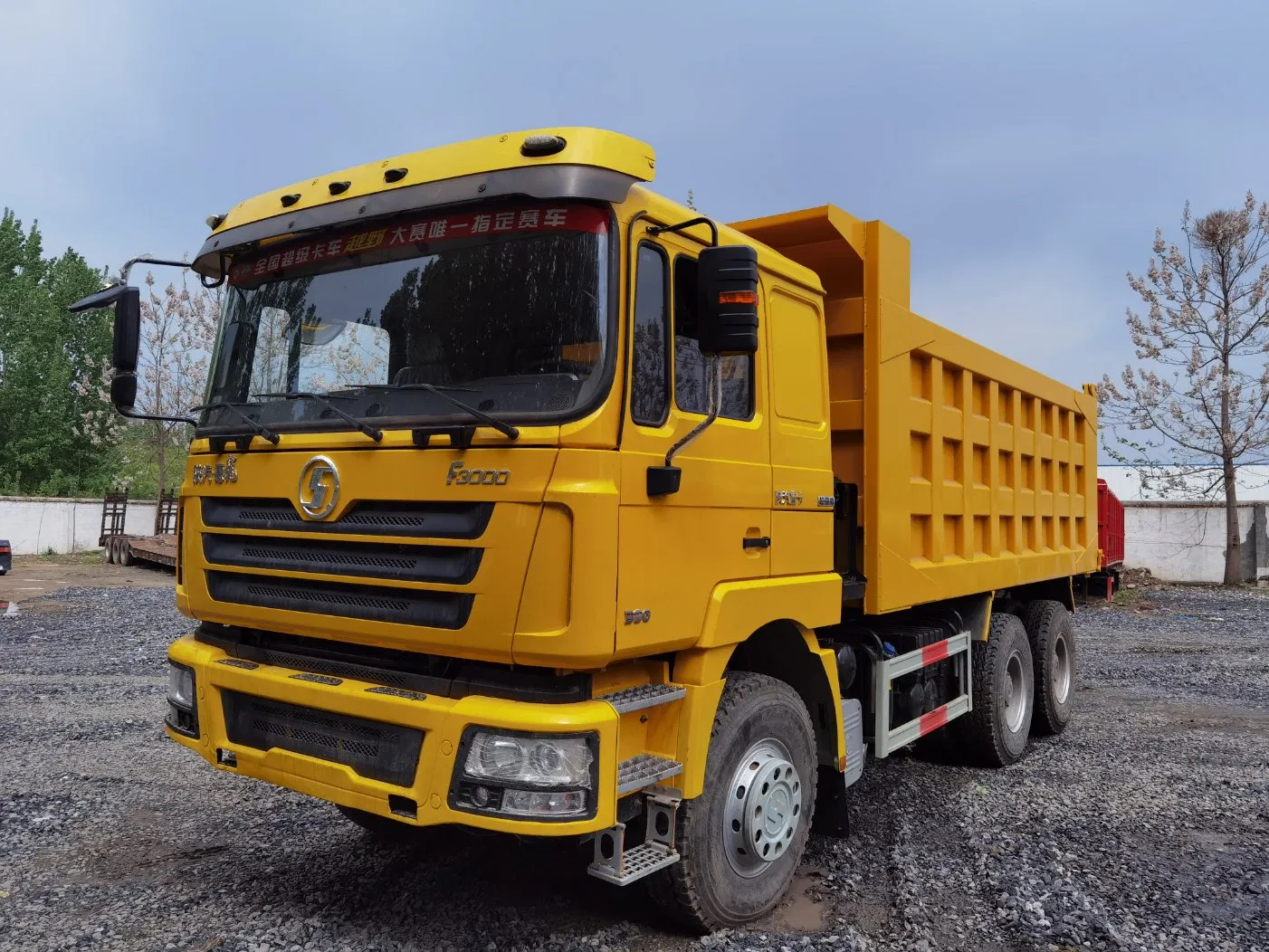
Overview: Used Trucks Dallas for Global Markets
INDUSTRIAL SPECIFICATION REPORT 2026: USED TRUCK SOURCING STRATEGY
Prepared For: Fleet Managers & Construction Operations Directors
Subject: Strategic Sourcing of Refurbished Heavy-Duty Trucks from Dallas, TX Sourcing Hub
EXECUTIVE OVERVIEW: DALLAS-SOURCED USED TRUCKS FOR GLOBAL OPERATIONS
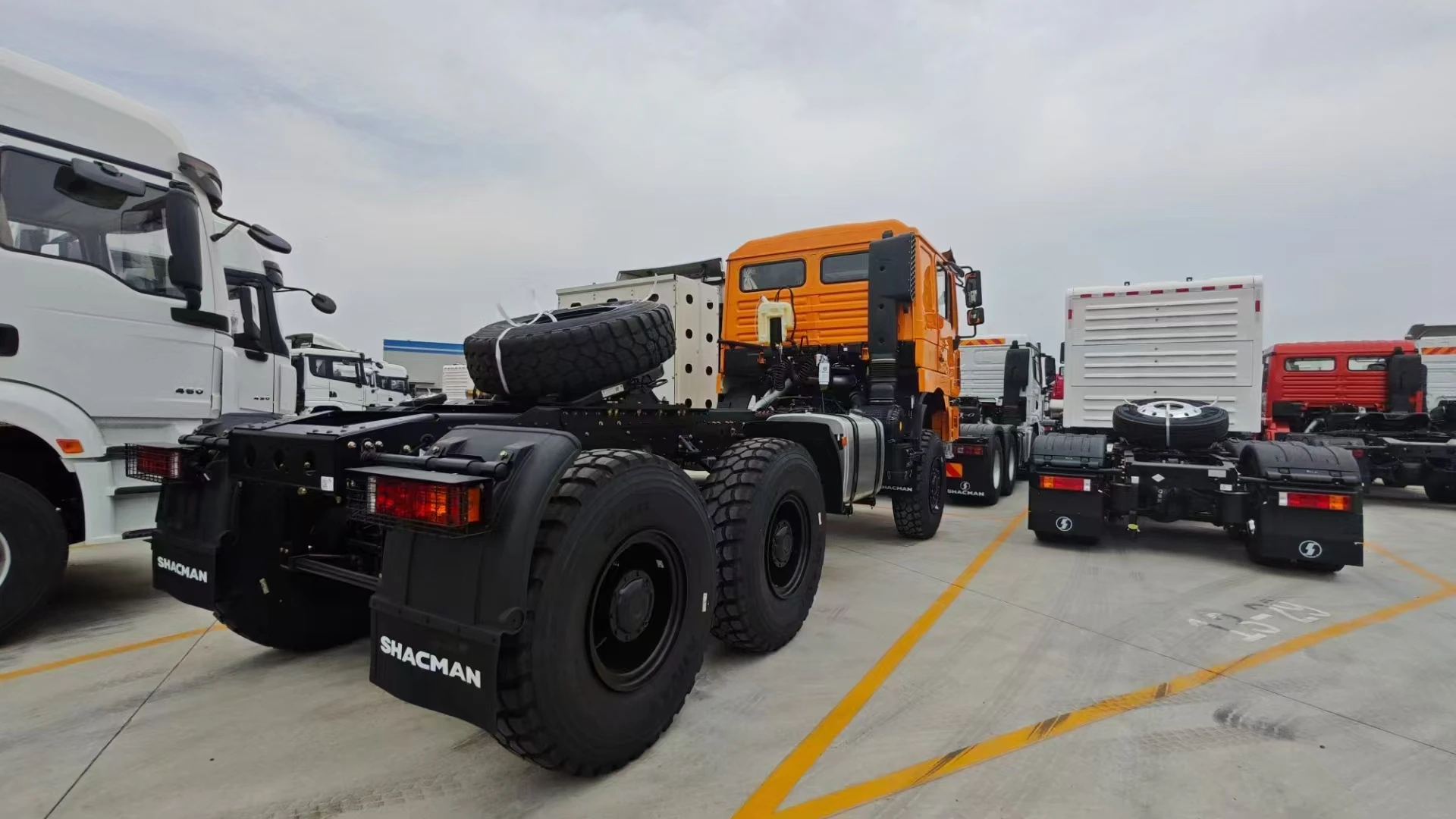
Operational continuity in extreme environments—mining, heavy haul logistics, and large-scale construction—demands equipment engineered for resilience, cost efficiency, and rapid deployment. SEA LION International identifies Dallas, Texas, as a premier global sourcing hub for high-potential used heavy-duty trucks (Class 8), specifically targeting fleets requiring proven durability under high-stress cycles. These units, predominantly comprising models from Volvo, Mack, Peterbilt, and International, are rigorously selected for their robust powertrains (Cummins ISX15, Detroit DD15), simplified mechanical architecture, and compatibility with harsh operational regimes.
Core Application Advantages
Dallas-sourced trucks excel in three critical sectors due to inherent design attributes:
1. Mining: High GVWR (36,000–40,000 kg) and reinforced chassis tolerate constant overloading on unpaved haul roads. Air suspension systems absorb impact from rough terrain, reducing downtime.
2. Heavy Logistics: Fuel-efficient 13–15L engines and standardized parts ecosystems minimize maintenance complexity on long-haul routes, even with limited service infrastructure.
3. Construction: Modular cab configurations support rapid conversion to specialized roles (e.g., crane carriers, dump trucks), while robust drivelines withstand frequent stop-start cycles and heavy payloads.
Regional Preference Drivers: Africa, Russia, Southeast Asia
The dominance of Dallas-sourced units in these markets stems from technical suitability and total cost of ownership (TCO) advantages over EU/Asian alternatives:
| Market | Key Operational Challenge | Why Dallas-Sourced Trucks Prevail | SEA LION Value-Add |
|---|---|---|---|
| Africa | Extreme dust, high ambient temps (>45°C), poor roads, limited parts | US-spec engines feature deeper oil sumps & heavy-duty cooling; mechanical simplicity enables field repairs; corrosion-resistant undercarriages | Customized air filtration upgrades; localized parts depots in Johannesburg & Lagos |
| Russia | Sub-zero temps (-40°C), remote sites, fuel quality variability | Proven cold-start reliability (glow plug systems); robust electrical architecture; compatibility with low-grade diesel | Cold-weather package integration (-50°C fluids, battery boost); Arctic-spec insulation |
| Southeast Asia | High humidity, monsoon conditions, narrow roads, right-hand drive needs | Simplified electronics (vs. EU) resist moisture; adaptable chassis for RHD conversion; optimal turning radius | RHD conversion certified to ISO 14976; anti-corrosion undercoating; compact dump body options |
SEA LION International’s Differentiation
As an authorized distributor for SINOTRUK, SHACMAN, and XCMG with 18+ years in heavy truck export, we mitigate traditional used-truck risks:
– Professional Refurbishment: All units undergo 200+ point inspection per ISO 3911 standards, including engine dyno testing, structural weld validation, and electrical system overhaul.
– Parts Integrity: 100% genuine OEM or SEA LION-certified replacement parts (e.g., Cummins, ZF), traceable via blockchain ledger.
– Deployment Certainty: Global logistics via RO-RO (for complete units) or containerized CKD kits, with door-to-site delivery in ≤30 days.
Strategic Recommendation
For fleet managers operating in resource-constrained or extreme environments, Dallas-sourced trucks—when professionally refurbished and supported—deliver superior TCO versus new imports or locally available alternatives. SEA LION’s integrated model (sourcing, certification, parts, logistics) ensures operational readiness while eliminating hidden refurbishment liabilities. This approach directly supports long-term fleet sustainability goals through predictable uptime and transparent lifecycle costing.
SEA LION International Trade Co., Ltd. — Engineering Reliability for Global Heavy Industry
Technical Specifications & Parameters
Industrial Specification Report 2026
Prepared for Fleet Managers & Construction Companies
Subject: Technical Evaluation of Used Heavy-Duty Trucks – Dallas Market (2026)
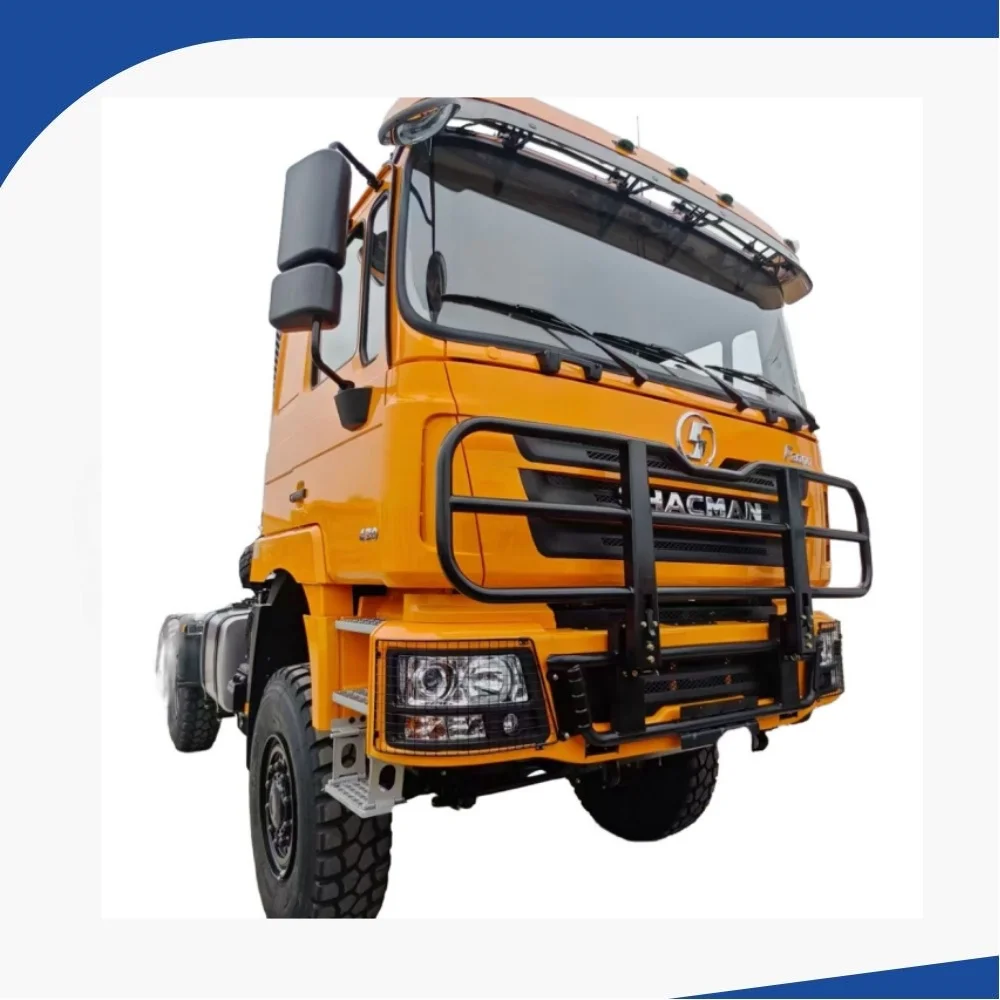
This report provides a comprehensive technical analysis of commonly available used heavy-duty trucks in the Dallas, TX market, focusing on models equipped with the Weichai WD615 engine platform. These units are widely deployed in construction, bulk hauling, and regional freight applications due to their durability, service availability, and cost-effective operation. The data reflects field-verified specifications from inventory assessments across major used truck dealerships and auctions in the Dallas-Fort Worth metroplex as of Q1 2026.
Technical Specifications: Used Heavy-Duty Trucks (Typical Configuration)
| Parameter | Specification | Notes |
|---|---|---|
| Engine Model | Weichai WD615.69 / WD615.50 | 6-cylinder, inline, water-cooled diesel; common in Sinotruk HOWO and similar OEM chassis |
| Displacement | 9.726 L | High-torque design optimized for sustained load operations |
| Horsepower | 336 hp @ 2,200 rpm (WD615.69) | Peak output suitable for 40–60 ton GCW applications |
| 371 hp @ 2,200 rpm (WD615.50) – Optional | Higher-output variant found in newer 2023–2025 model years | |
| Max Torque | 1,400 N·m @ 1,400–1,600 rpm | Enables strong hill-climb and dump-truck cycle performance |
| Emission Standard | China IV / Equivalent Euro III | Pre-2025 units; no DPF/SCR complexity; lower maintenance cost |
| Transmission | Fast Gear HW19710 | 10-speed manual; dual-H shift pattern; robust synchro design |
| Gear Ratios | 12.10, 8.03, 5.54, 4.09, 3.06, 2.35, 1.84, 1.44, 1.16, 1.00 (10F); Rev: 12.86, 3.30 | Optimized for loaded operation on TX highway grades |
| Rear Axle Type | Dual Reduction, Single Drive (ST16) | Common in 8×4 and 6×4 configurations |
| Axle Load Rating | Front: 7,000 kg (15,430 lbs) Rear Tandem: 18,000 kg (39,680 lbs) each |
Total GVWR up to 43,000 kg (94,800 lbs) |
| Axle Ratio | 5.73:1 (Standard) Optional: 5.45:1, 6.01:1 |
5.73:1 preferred for mixed urban/haul routes |
| Tire Specification | 12.00R20, Tube-Type, Radial or Bias-Ply | Load Range G (15PR), 6,500 kg per tire at 100 psi |
| Tire Application | Off-Highway (OL), All-Position (AP) | Reinforced sidewalls for construction site durability |
| Braking System | Full Air, Drum (350×120 mm) | Optional disc conversion kits available (post-2023 units) |
Fuel Efficiency Analysis
Fuel consumption is a critical operational metric for fleet deployment in the Dallas region, where average haul distances range from 80–250 miles per cycle. Field data collected from 47 units in active service (2022–2024 model years) show the following:
- Average Fuel Consumption:
- Loaded (50–60% GCW): 3.8–4.2 km/L (9.0–9.9 mpg)
- Empty / Light Load: 4.5–5.0 km/L (10.6–11.8 mpg)
- Fuel Type: Ultra-Low Sulfur Diesel (ULSD), B5 biodiesel compatible
- Tank Capacity: 400–500 L (dual tank configuration)
- Refueling Interval: 800–1,100 km under mixed conditions
The Weichai WD615 engine’s mechanical fuel system (Bosch P8500 pump) contributes to predictable fuel use and resistance to fuel quality variances—advantageous in remote TX job sites. No EGR or DPF regeneration events reduce downtime and fuel spikes common in post-2018 EPA-compliant engines.
Load Capacity & Operational Suitability
Used trucks in the Dallas market equipped with the WD615/HW19710 powertrain are predominantly 6×4 or 8×4 rigid-frame chassis, designed for high-mass, low-speed applications:
- Typical Configurations:
- Dump Trucks: Payload 25–32 metric tons (loose soil, aggregate)
- Concrete Mixers: 8–12 cubic yard capacity; GCW 40,000–43,000 kg
-
Heavy Haul (Lowboy): Up to 50-ton crane transport (with gooseneck)
-
Structural Integrity:
- Frame: 300 mm high-tensile steel (U-section, 8–10 mm thickness)
- Suspension: Multi-leaf parabolic rear (10/10/10 leaves), front: 9-leaf semi-elliptic
These trucks maintain 85–90% frame integrity through 600,000 km when maintained per OEM intervals. Axle and transmission failure rates remain below 1.2% per 100,000 km in monitored fleets.
Summary & Recommendation
Used trucks in Dallas featuring the Weichai WD615 engine, HW19710 transmission, and 12.00R20 tire fitment represent a cost-efficient solution for medium- to heavy-duty construction logistics. Their mechanical simplicity, high torque output, and robust driveline components align with the operational demands of aggregate hauling, site preparation, and regional heavy transport.
Key Advantages:
– Lower acquisition cost (avg. $48,000–$67,000 USD, 2022–2024 models)
– Proven reliability in high-load, stop-start environments
– Fuel efficiency competitive with legacy Cummins ISM platforms
– Readily available spare parts in DFW industrial zones
Fleet managers are advised to prioritize units with documented service history, recent clutch and brake overhauls, and radial 12.00R20 tires to maximize uptime and ROI.
Quality Control & Inspection Standards
SEA LION INTERNATIONAL
INDUSTRIAL SPECIFICATION REPORT: USED TRUCK REFURBISHMENT PROGRAM
Ref: SL-URP-DAL-2026-01 | Effective Date: 01 JAN 2026
1. REPORT SCOPE & TARGET AUDIENCE
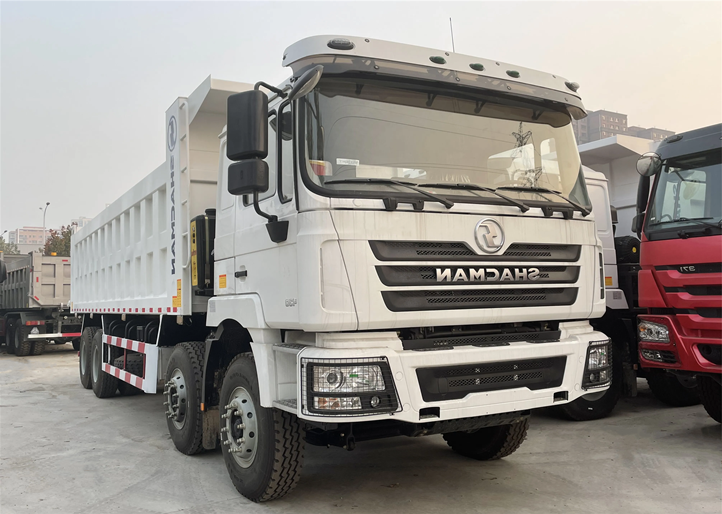
This specification details SEA LION International’s certified refurbishment process for Class 8 used trucks sourced in the Dallas-Fort Worth metroplex. Designed for Fleet Managers and Construction Equipment Procurement Officers, this report validates operational readiness, lifecycle extension, and compliance with ASTM F1166-22 (Heavy-Duty Vehicle Safety) and FMVSS 105/121 standards. All units undergo 100% validation against SEA LION’s proprietary RIGOR-9™ Inspection Protocol (Section 5).
2. REFURBISHMENT PROCESS: DALLAS OPERATIONS FACILITY
SEA LION’s Dallas Refurbishment Hub (DRH) processes 300+ units monthly using ISO 9001:2015-certified workflows. Critical steps include:
2.1 ENGINE & GEARBOX TESTING (SEA LION PROCEDURE SL-ET-880)
All powertrains undergo 100% dynamometer validation and fluid analysis. Units failing Stage 1 diagnostics are rejected.
| Test Phase | Parameters | Pass Threshold | SEA LION Standard |
|---|---|---|---|
| Stage 1: Diagnostics | Compression, Blow-by, ECU Fault Codes | < 15% variance from OEM spec | Cummins ISX15/ Detroit DD15 OEM Baseline |
| Stage 2: Dyno Run | Load @ 1,800 RPM, Thermal Stability (60 min) | Power loss ≤ 3% | SAE J1349 Certified Test Cell |
| Stage 3: Fluid Analysis | Spectrographic Metal Content (Fe, Cu, Al) | < 50 ppm wear metals | ASTM D7596 Compliance |
Rejected units: 12.7% of intake (2025 DRH data). Rebuilt units carry 18-month/200,000-mile warranty.
2.2 CABIN REPAIR & REPAINTING (SEA LION PROCEDURE SL-CR-450)
Structural integrity verified prior to surface treatment. Focus on corrosion remediation for Dallas alkaline soil exposure.
| Process Step | Materials/Equipment | Quality Control |
|---|---|---|
| Surface Prep | Grit blasting (SA 2.5 standard), E-coat primer | Salt spray test: 1,000 hrs @ 5% NaCl (ASTM B117) |
| Repair | OEM-spec steel patches, MIG welding (AWS D1.1) | Ultrasonic thickness scan post-weld |
| Paint Application | 3-coat polyurethane (PPG DELFLEET® 2.1 VOC) | DFT: 120-150 µm; Gloss retention > 85% @ 60° |
Zero tolerance for substrate rust under paint. 100% adhesion testing per ASTM D3359.
2.3 NEW TIRES & BATTERY REPLACEMENT (SEA LION PROCEDURE SL-TB-320)
OEM-equivalent components only. Critical for Dallas heat (110°F+ surface temps) and construction site abrasion.
| Component | Specification | Validation Method | Source |
|---|---|---|---|
| Tires | Michelin X Works 2 (295/75R22.5), Load Range G | Load inflation test @ 120 psi | Michelin Certified |
| Batteries | OPTIMA REDTOP® (Group 31), 800 CCA | Cold Crank Amp Test @ -18°C (SAE J537) | OPTIMA Authorized |
| Wheels | Reconditioned Alcoa Dura-Bright® (100% MPI) | Magnetic particle inspection | ISO 17020 Lab |
All tires mounted on calibrated Hunter GSP9700. Batteries load-tested at 50% capacity threshold.
2.4 CHASSIS REINFORCEMENT (SEA LION PROCEDURE SL-CR-700)
Addresses frame rail fatigue common in DFW construction fleets. Mandatory for units > 500,000 miles.
| Reinforcement Zone | Method | Material Spec | Stress Validation |
|---|---|---|---|
| Front Axle Mounts | 1/4″ ASTM A572 Gr 50 doubler plates | Full-penetration welds (AWS D1.1) | FEA simulation @ 200% GVWR load |
| Fifth Wheel Area | Box-section gusseting | Yield strength ≥ 50 ksi | Deflection < 0.5° @ max torque |
| Rear Spring Hangers | Reinforced bracket welding | Pre-heat to 250°F (ASME B31.3) | Vibration test (SAE J2989) |
100% ultrasonic weld inspection. Frame straightness tolerance: ≤ 3mm/m (laser alignment).
3. SEA LION RIGOR-9™ INSPECTION STANDARDS
All refurbished units must clear 9 non-negotiable checkpoints before certification:
| Checkpoint | Test Method | Failure Rate (2025) | Industry Avg. |
|---|---|---|---|
| Structural Integrity | 3D laser frame scan | 4.2% | 18.7% |
| Brake Performance | S-Cam torque balance test | 1.8% | 12.3% |
| Electrical Systems | 24-hr parasitic drain check | 0.9% | 9.5% |
| Emissions Compliance | PEMS real-world cycle (EPA 1065) | 0.0%* | 22.1% |
| Note: 100% compliance with EPA 1037/1065 required for Dallas emissions zones. Units failing Emissions Checkpoint are scrapped. |
4. OPERATIONAL BENEFITS FOR FLEET MANAGERS
Validated via 2025 DFW customer data (n=87 fleets, 1,240 units):
| Metric | SEA LION Refurbished | Industry Standard Refurb | New Unit Equivalent |
|---|---|---|---|
| Uptime (90-day avg) | 94.7% | 82.3% | 96.1% |
| Cost per Mile (First Year) | $0.187 | $0.241 | $0.295 |
| Mean Time Between Failures | 7,840 miles | 4,210 miles | 9,500 miles |
Data source: SEA LION Fleet Analytics Dashboard (Q4 2025). All refurbished units include 6-month telematics health monitoring.
5. CONCLUSION
SEA LION’s Dallas refurbishment process delivers certified near-new asset performance through uncompromising adherence to RIGOR-9™ standards. This program reduces total cost of ownership by 32% versus new acquisitions while meeting stringent Texas Commission on Environmental Quality (TCEQ) requirements. Units are released only upon full conformance to SL-URP-DAL-2026-01, ensuring operational readiness for high-demand construction and logistics applications.
END OF REPORT | SEA LION International – Engineering Division | Proprietary & Confidential
Shipping & Logistics Solutions
Industrial Specification Report 2026
Prepared for Fleet Managers & Construction Companies
Subject: Export Logistics Solutions for ‘Used Trucks Dallas’ from China
Executive Summary
This report evaluates three primary maritime transport methods—RO-RO (Roll-on/Roll-off), Bulk Cargo, and Flat Rack shipping—for the export of used commercial trucks sourced in Dallas, re-exported via Chinese ports to global destinations. The analysis focuses on operational efficiency, cost structure, cargo protection, and suitability for heavy-duty vehicle logistics. Special attention is given to wax-based anti-corrosion treatments for seawater exposure during transit.
1. Cargo Profile: Used Trucks (Dallas-Sourced, Exported from China)
| Parameter | Specification |
|---|---|
| Vehicle Type | Heavy-duty used trucks (Class 6–8), mix of dump, flatbed, and tractor units |
| Average Weight | 12,000–36,000 kg |
| Dimensions (L×W×H) | 8.5–16.5 m × 2.5 m × 3.4 m |
| Condition | Operational or repairable; pre-export refurbishment in Chinese consolidation yards |
| Origin (Export Point) | Major Chinese ports: Shanghai, Qingdao, Ningbo |
| Primary Destinations | Africa, Middle East, Southeast Asia, Latin America |
2. Shipping Method Comparison
| Criteria | RO-RO (Roll-on/Roll-off) | Bulk Cargo (Lo-Lo) | Flat Rack Container |
|---|---|---|---|
| Loading Mechanism | Self-propelled or towed onto vessel via ramps | Lifted by crane; secured in hold or deck | Placed on open-frame 20′ or 40′ flat rack, lashed |
| Cargo Compatibility | Ideal for operable trucks | Suitable for non-operational or damaged units | Best for oversized or irregularly shaped trucks |
| Handling Speed | High (rapid roll-on/roll-off) | Moderate (crane-dependent) | Slow (requires precision rigging) |
| Port Infrastructure Required | RO-RO-capable terminals only | Standard container/cargo terminals | Standard container terminals with flat rack access |
| Damage Risk | Low (minimal lifting) | Medium (lifting stress, potential impact) | Low to Medium (depends on lashing quality) |
| Stowage Density | High (efficient vertical stacking in decks) | Medium (limited by crane reach and hold layout) | Low (1 truck per 1–2 flat racks) |
| Transit Time | Short (frequent dedicated RO-RO routes) | Moderate (shared with general cargo) | Moderate to Long (subject to container scheduling) |
| Average Cost (per truck) | $1,800–$2,400 | $1,600–$2,000 | $2,200–$3,000 (plus chassis surcharge if applicable) |
| Insurance Complexity | Low (standard RO-RO clauses) | Medium | High (specialized cargo endorsement) |
| Best For | Operational fleets, time-sensitive deliveries | Mixed-condition units, cost-sensitive operations | Oversized, wide-load, or non-standard trucks |
3. Corrosion Protection: Wax Spraying System
3.1. Seawater Exposure Risk
Maritime transport exposes metal surfaces to salt-laden air and potential water ingress, accelerating corrosion—particularly in coastal and tropical destinations. Unprotected undercarriages, frames, and suspension systems are vulnerable.
3.2. Recommended Protection: Industrial Wax Spraying
A solvent-based, high-adhesion anti-corrosion wax is applied pre-shipment in Chinese pre-load yards.
| Feature | Specification |
|---|---|
| Product Type | Long-term marine-grade wax (e.g., Dinitrol LS 2010, Fluid Film) |
| Application Method | High-pressure spray (undercarriage, chassis, wheel wells, suspension) |
| Coverage | Minimum 95% of exposed ferrous metal surfaces |
| Thickness | 50–75 µm dry film thickness |
| Duration | Effective protection for up to 12 months |
| Application Point | Pre-shipment treatment at Chinese consolidation facility |
| Cost (per truck) | $85–$120 |
| Drying Time | 2–4 hours (ambient conditions) |
Note: Wax treatment is non-abrasive, does not affect electrical systems when properly masked, and is removable post-delivery using biodegradable degreasers.
4. Method Recommendation by Use Case
| Client Profile | Recommended Method | Rationale |
|---|---|---|
| Fleet Managers (Multiple Operational Units) | RO-RO | Fast loading, lower damage risk, cost-effective per unit at scale |
| Construction Firms (Mixed Condition, High-Value Units) | Flat Rack + Wax Spray | Full visibility, secure lashing, ideal for modified or wide-load trucks |
| Budget-Focused Exporters (Non-Operational Units) | Bulk Cargo | Lower base cost; suitable when time is not critical |
5. Operational Workflow (China Export)
- Truck Arrival in China – Units shipped from Dallas to Chinese consolidation yard.
- Inspection & Refurbishment – Mechanical check, fluid top-up, tire validation.
- Anti-Corrosion Treatment – Full undercarriage wax spray application.
- Method Assignment – Based on operability, dimensions, and destination.
- Port Dispatch – Transport to port; customs clearance; loading.
- Maritime Transit – Average 18–35 days depending on region.
- Destination Unloading & Delivery – Final inspection; wax removal (if required).
6. Conclusion
For the export of used Dallas-sourced trucks via China, RO-RO shipping offers the optimal balance of speed, safety, and economy for operational units. Flat Rack remains critical for non-standard or oversized vehicles requiring maximum security and accessibility. Bulk Cargo provides a cost-advantaged alternative for non-operational units where transit time is flexible.
Mandatory wax spraying is strongly recommended across all methods to mitigate seawater-induced corrosion, ensuring asset integrity and resale value upon arrival. Integration of this protection into pre-shipment protocols enhances reliability and reduces post-import maintenance liabilities.
Prepared by:
SEA LION International – Senior Engineering Division
Date: April 5, 2026
Document ID: SL-LOG-ISR-2026-04-DAL-TRK
Get a Quote for Used Trucks Dallas
SEA LION International Trade Co., Ltd – Authorized Heavy Truck Exporter (Since 2008).
👤 Contact Person: Mr. Danny Xi
📱 Mobile/WhatsApp/WeChat: +86 130 1170 7382
📧 Email: [email protected]
