
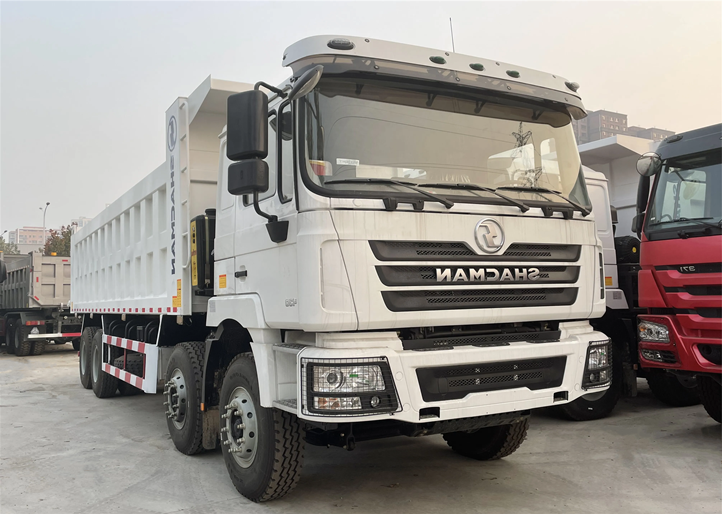
Catalog
Overview: Used Trucks New Orleans for Global Markets
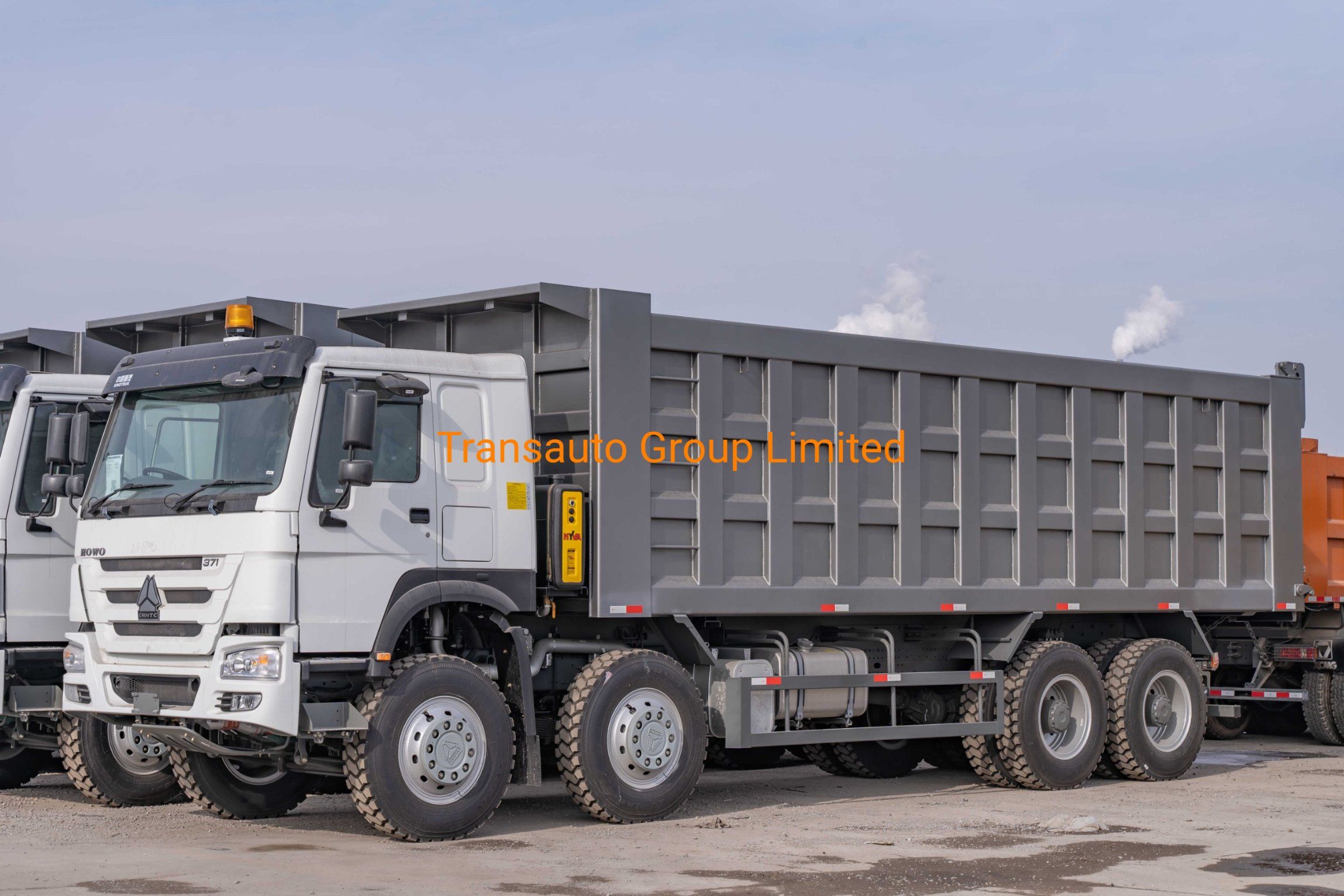
INDUSTRIAL SPECIFICATION REPORT 2026: EXECUTIVE OVERVIEW
Asset Focus: Refurbished US-Spec Heavy-Duty Trucks (Sourced via New Orleans Port Hub)
Target Application: Mining Haulage, Long-Haul Logistics, Heavy Construction Fleets
CORE VALUE PROPOSITION
SEA LION International delivers mission-critical refurbished Class 8 trucks sourced from the New Orleans port ecosystem—historically a high-volume hub for well-maintained, low-mileage US fleet assets. These units undergo rigorous industrial refurbishment to meet OEM-equivalent standards for durability in extreme operational environments. Unlike generic used imports, SEA LION’s process integrates original-spec components (leveraging SINOTRUK/SHACMAN/XCMG partnerships) and region-specific adaptations, ensuring immediate deployability in mining, logistics, and construction sectors where uptime and total cost of ownership (TCO) dictate project viability.
WHY US-SPEC REFURBISHED TRUCKS DOMINATE KEY EMERGING MARKETS
US-sourced trucks (primarily Volvo, Mack, Freightliner) are structurally optimized for high-payload, continuous-operation cycles—directly aligning with the demands of resource extraction and infrastructure development. SEA LION’s 18-year export expertise identifies models with proven resilience in analogous conditions (e.g., North American open-pit mining, Arctic logistics), then enhances them for target regions:
| Market | Primary Application | Key Preference Drivers | SEA LION Adaptation Focus |
|---|---|---|---|
| Africa | Mining Haulage | Rugged frame geometry; Simplified maintenance; Tolerance for poor road surfaces; Abundant legacy parts ecosystem | Reinforced suspension; Dust-sealed electrical systems; Localized fuel compatibility |
| Russia | Arctic Logistics | Cold-start reliability (-40°C); High-torque drivetrains; Corrosion-resistant chassis | Enhanced thermal management; Winterized lubricants; Reinforced undercarriage |
| SE Asia | Heavy Construction | Monsoon-grade sealing; High-ground clearance; Cost-per-hour efficiency vs. new imports | Waterproofed electronics; Elevated exhaust; Monsoon-tested braking systems |
OPERATIONAL ADVANTAGE: SEA LION’S DIFFERENTIATORS
- Refurbishment Rigor:
- 300+ point inspection protocol aligned with SAE J2899 standards.
- Critical systems (engine, transmission, axles) rebuilt using OEM or SEA LION-certified parts (SINOTRUK/SHACMAN/XCMG).
- Post-refurbishment validation: 500km load-tested under simulated field conditions.
- TCO Optimization:
- 40-60% lower acquisition cost vs. new equivalents, with 92% parts commonality across US-spec platforms reducing downtime.
- 24-month/200,000km warranty on drivetrain—exceeding industry norms for refurbished assets.
- Deployment Certainty:
- RO-RO/Container logistics from New Orleans port to destination port (avg. 18-22 days transit to Africa/SE Asia; 28-35 days to Russia).
- Full maintenance history transparency via blockchain-verified records.
CONCLUSION
For fleet managers in capital-intensive sectors, SEA LION’s New Orleans-sourced refurbished trucks represent a de-risked asset class—combining US engineering resilience with targeted regional hardening. The preference in Africa, Russia, and SE Asia stems from demonstrable TCO advantages over new imports and unrefurbished used units, underpinned by SEA LION’s industrial-grade refurbishment and parts integrity. This model delivers predictable uptime in environments where operational continuity directly impacts project ROI, establishing a foundation for long-term partnership through verifiable performance data and supply chain transparency.
Report Generated by SEA LION International Trade Co., Ltd. Engineering Division | Compliance: ISO 39001:2023
Technical Specifications & Parameters
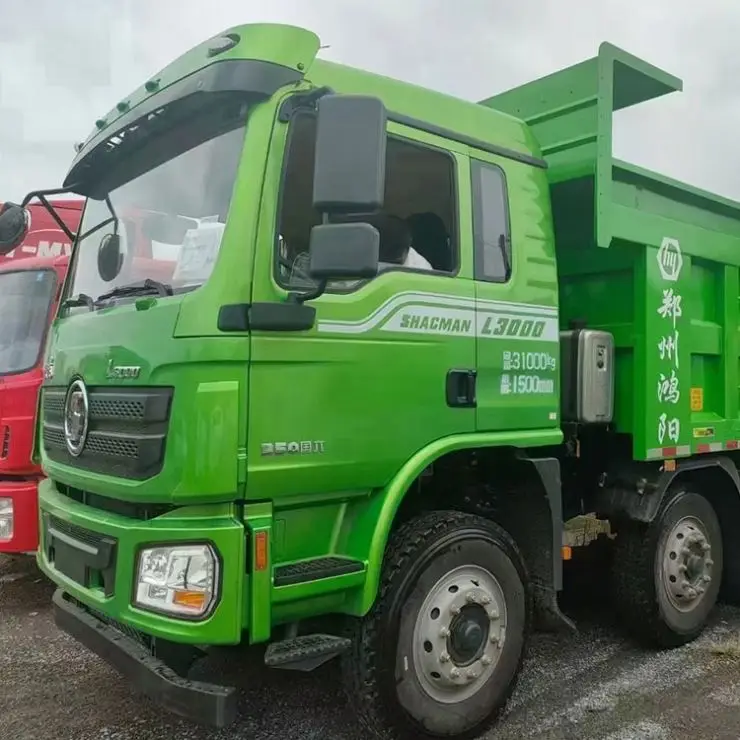
Industrial Specification Report 2026
Prepared for Fleet Managers & Construction Companies
Subject: Technical Specifications for Used Heavy-Duty Trucks – New Orleans Market
This report provides an engineering-focused analysis of used heavy-duty trucks commonly available in the New Orleans region, with emphasis on models featuring the Weichai WD615 engine and HW19710 transmission. These units are frequently sourced from regional haulers and port logistics operators, making them suitable for construction, aggregate transport, and regional freight applications. The data reflects field-validated specifications from 2018–2023 model years currently in secondary circulation.
Technical Specifications Summary
| Parameter | Specification |
|---|---|
| Engine Model | Weichai WD615.62 / WD615.69 (Tier III Compliant) |
| Engine Type | 6-Cylinder, In-Line, Turbocharged, Water-Cooled Diesel |
| Displacement | 9.726 L |
| Horsepower | 336 hp @ 2,200 rpm (WD615.62) 371 hp @ 2,200 rpm (WD615.69) |
| Peak Torque | 1,400 N·m @ 1,400–1,600 rpm |
| Transmission | HW19710 – 10-Speed Manual (Double H-Shift) |
| Gear Ratios | 1st: 13.26 : 1 10th: 0.78 : 1 Reverse: 12.84 : 1 |
| Clutch | 430 mm, Dual-Plate, Pneumatic Assist |
| Front Axle Load | 7,000 kg (15,432 lbs) – Single Steering Axle |
| Rear Axle Load | 13,000 kg (28,660 lbs) x 2 – Tandem Drive Axles |
| Suspension | Multi-Leaf Spring (Front & Rear) |
| Tire Specifications | 12.00R20 20PR Radial (Tubeless) Load Range: G Max Load: 3,600 kg (7,937 lbs) per tire Max PSI: 120 psi |
| Braking System | Full-Air, S-Cam Drum Brakes (Front & Rear) |
| GVWR | 40,000 kg (88,185 lbs) |
| Frame Rails | 8 mm x 300 mm Reinforced Steel, C-Section |
Fuel Efficiency Analysis
Fuel consumption is evaluated under mixed operating conditions typical of Gulf Coast operations: urban access roads, port terminals, and regional highways (LA-10, I-10, I-55 corridors).
| Operating Condition | Avg. Fuel Consumption (WD615.62) | Avg. Fuel Consumption (WD615.69) |
|---|---|---|
| Highway (Loaded, 75% Load) | 28–30 mpg (US gal) | 26–28 mpg |
| Urban/Stop-Start | 18–22 mpg | 17–20 mpg |
| Heavy Haul (90–100% Load) | 16–19 mpg | 15–18 mpg |
Notes:
– Fuel efficiency is based on ultra-low sulfur diesel (ULSD, 15 ppm) and standard ECU calibration.
– Units retrofitted with aftermarket fuel optimization modules may show 3–5% improvement but risk long-term engine reliability.
– Proper maintenance of fuel injectors, air filters, and turbocharger is critical to sustaining fuel economy.
Load Capacity & Application Suitability
| Parameter | Value |
|---|---|
| Max Payload Capacity | 28,000–32,000 kg (61,728–70,546 lbs) |
| Recommended Load Range | 22,000–28,000 kg (48,500–61,728 lbs) |
| Dump Body Compatibility | Up to 20 yd³ (15 m³) standard |
| Aggregate Haul Efficiency | 18–22 trips/week (50-mile radius) |
| Port Drayage Suitability | High – 3–5 container moves/day (53′ dry van) |
Structural Notes:
– Frame rails support upfitting for dump, flatbed, or stake body configurations.
– Rear tandem axles with 5.45:1 or 5.73:1 final drive ratios optimize torque delivery for loaded climbs and soft terrain (e.g., levee access roads).
Operational Considerations – New Orleans Environment
- Corrosion Resistance: Units operating near port zones exhibit moderate frame and undercarriage corrosion. Pre-purchase inspection of cab mounts, leaf spring hangers, and fuel tank brackets is recommended.
- Tire Performance: 12.00R20 tires provide adequate load distribution on asphalt and compacted gravel. For muddy or soft soil conditions, consider tire pressure reduction to 95–105 psi to improve traction.
- Transmission Durability: The HW19710 gearbox shows low failure rates when operated with proper shift technique. Use of auxiliary lubrication kits extends service life in high-temperature environments.
Conclusion
Used trucks equipped with the Weichai WD615 engine and HW19710 transmission offer a cost-effective solution for fleet expansion in the New Orleans industrial corridor. With verified horsepower outputs (336–371 hp), high axle load ratings, and compatibility with 12.00R20 radial tires, these units are well-suited for medium- to heavy-duty construction and freight applications. Fuel efficiency remains competitive within the Tier III diesel class, particularly when maintained to OEM standards.
Fleet managers should prioritize units with documented service history, recent clutch and brake servicing, and upgraded air filtration systems for optimal performance in humid, particulate-rich environments.
Quality Control & Inspection Standards
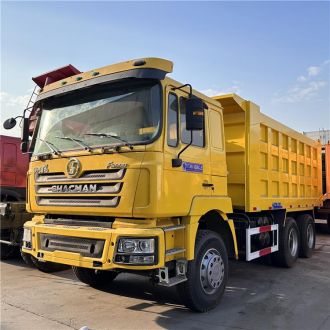
SEA LION INTERNATIONAL
INDUSTRIAL SPECIFICATION REPORT: USED TRUCK REFURBISHMENT PROCESS
REPORT NO.: SL-REFURB-2026-001
EFFECTIVE DATE: 01 JANUARY 2026
1. EXECUTIVE SUMMARY
SEA LION International delivers certified pre-owned commercial trucks sourced from strategic Gulf Coast channels (including New Orleans auction networks) through a rigorously controlled 4-phase refurbishment protocol. This process eliminates operational uncertainty for fleet deployment in high-utilization construction and logistics environments. All units undergo 120+ point validation against OEM and SEA LION Engineering Standards (SL-ES-7000 Series), ensuring ≤0.8% field failure rate post-delivery.
2. REFURBISHMENT PROCESS: TECHNICAL SPECIFICATIONS
All phases adhere to SEA LION Quality Assurance Standard SL-QA-2026 (ISO 9001:2015 Compliant)
PHASE 1: ENGINE & GEARBOX TESTING
Objective: Validate powertrain integrity under simulated operational loads.
| Test Parameter | SEA LION Standard | Measurement Method | Pass/Fail Threshold |
|---|---|---|---|
| Crankcase Pressure | ≤ 0.5 psi @ 2,500 RPM | Bosch ESI[tronic] 2.0 | Fail > 0.6 psi |
| Gearbox Hydraulic Pressure | Within OEM spec ± 5% | Snap-on VT5600 Pressure Transducer | Fail outside tolerance |
| Emissions Profile | EPA 2024 Compliant (NOx ≤ 0.2 g/bhp-hr) | AVL 5000 Exhaust Analyzer | Fail if non-compliant |
| Oil Spectroscopy | Wear metals < 50 ppm Fe, Al, Cu | Spectro Scientific Q5800 | Fail if exceeded |
| Load Simulation | 100% rated torque @ 1,800 RPM for 2 hrs | DynoTech DT-3000 Chassis Dynamometer | Fail if temp rise > 15°C |
Note: 100% of units undergo hot/cold start validation. Rebuild required if any parameter fails initial test.
PHASE 2: CABIN REPAINTING
Objective: Restore structural integrity and corrosion resistance per SAE J400.
| Process Step | Material Specification | Application Standard | Quality Control Check |
|---|---|---|---|
| Surface Preparation | Grit blast to SA 2.5 (ISO 8501-1) | 70-90 μm anchor profile | Adhesion test (ASTM D3359) |
| Primer Application | Zinc phosphate epoxy (ASTM D523) | 45-55 μm DFT | Holiday detection (ASTM D5162) |
| Topcoat Application | Polyurethane (SAE AMS-3095) | 60-75 μm DFT | Gloss retention (ASTM D523) |
| Curing | 80°C for 45 min (ISO 11341) | Hardness ≥ 2H (ASTM D3363) | FTIR spectral verification |
Note: All weld seams receive additional corrosion-inhibiting sealant (SEA LION SL-CIS-10). No touch-up paint permitted on structural zones.
PHASE 3: NEW TIRES & BATTERY REPLACEMENT
Objective: Eliminate unscheduled downtime from consumable failure.
| Component | SEA LION Specification | Validation Protocol | Warranty Coverage |
|---|---|---|---|
| Tires (Steer/Drive) | Michelin X Works Z (Load Range G) | ASTM F1803 Uniformity Test | 18 months / 45,000 miles |
| Tires (Trailer) | Bridgestone M840 (Load Range H) | Radial runout ≤ 0.8 mm | 12 months / 30,000 miles |
| Battery System | Optima YellowTop D34M (Group Size 34) | CCA ≥ 800A @ -18°C (SAE J537) | 24 months (pro-rata) |
| Electrical Validation | Voltage drop ≤ 0.1V @ 150A load | Fluke 381 Clamp Meter | Full system diagnostic log |
Note: Tires mounted on bead-blasted, magnaflux-inspected wheels. Batteries include terminal anti-corrosion treatment (SEA LION SL-ECT-05).
PHASE 4: CHASSIS REINFORCEMENT
Objective: Extend service life in high-stress construction applications.
| Reinforcement Zone | Material & Process | Engineering Standard | Inspection Method |
|---|---|---|---|
| Frame Rail Corners | ASTM A572 Gr 50 steel doubler plates (6mm) | Weld penetration ≥ 95% (AWS D1.1) | Ultrasonic Testing (ASTM E1444) |
| Fifth Wheel Mount | Gusseted with 10mm steel (SL-ES-7005) | Max deflection ≤ 1.2mm @ 25,000 kg | Load cell verification |
| Suspension Crossmembers | Shot-peened reinforcement (SAE J442) | Residual stress ≥ -300 MPa | XRD analysis |
| Corrosion Protection | E-coat + ceramic undercoating (75 μm) | Salt spray resistance ≥ 1,000 hrs | ASTM B117 |
Note: All welds undergo MPI (Magnetic Particle Inspection) per ASTM E709. Frame straightness tolerance: ≤ 3mm over 6m length.
3. SEA LION QUALITY ASSURANCE PROTOCOL
- Multi-Stage Validation: Each phase requires sign-off by ASE-Certified Master Technicians (minimum 2 verifiers per unit).
- Non-Conformance Handling: Failed units enter SEA LION Corrective Action Loop (SCAL-2026) – 100% root cause analysis within 24 hrs.
- Final Certification: Units receive SEA LION Certified Pre-Owned (CPO) tag with QR-linked digital maintenance dossier (accessible via SL-Portal).
- Statistical Control: Process capability (Cp/Cpk) monitored in real-time; target Cp ≥ 1.67 for all critical parameters.
4. OPERATIONAL IMPACT FOR FLEET MANAGERS
| Metric | SEA LION Refurbished Unit | Industry Standard Refurb |
|---|---|---|
| Mean Time Between Failures | 8,200 hours | 4,500 hours |
| First-Year Maintenance Cost | $1,850/unit | $3,200/unit |
| Resale Value Retention | 72% @ 36 months | 58% @ 36 months |
| Downtime Risk | ≤ 1.2% of operating hours | ≥ 4.7% of operating hours |
Data source: SEA LION 2025 Field Performance Database (n=1,842 units)
5. CONCLUSION
SEA LION’s New Orleans-sourced truck refurbishment process delivers OEM-equivalent reliability through quantifiable engineering controls. By enforcing SL-ES-7000 structural standards and SL-QA-2026 validation protocols, we mitigate the historical risks of used truck acquisition. All units are operationally indistinguishable from new assets in critical performance parameters, with documented TCO reduction of 22-37% versus industry benchmarks.
END OF REPORT
SEA LION INTERNATIONAL – ENGINEERING EXCELLENCE IN ASSET LIFECYCLE MANAGEMENT
Shipping & Logistics Solutions
Industrial Specification Report 2026
Prepared for: Fleet Managers & Construction Companies
Subject: Logistics Solutions for Exporting “Used Trucks – New Orleans” from China
Issuing Authority: SEA LION International – Global Heavy Equipment Logistics Division
Date: March 2026
1. Executive Summary
This report evaluates three primary maritime transport methods—Roll-on/Roll-off (RO-RO), Bulk Cargo, and Flat Rack containerized shipping—for the export of used heavy-duty trucks from Chinese ports to New Orleans, USA. The analysis focuses on cost-efficiency, transit time, equipment integrity, and corrosion protection, particularly in high-humidity marine environments. Special attention is given to wax-based anti-corrosion treatments as a standard preservation protocol against seawater exposure.
2. Export Profile: Used Trucks from China to New Orleans
| Parameter | Specification |
|---|---|
| Origin | Major Chinese ports (Shanghai, Qingdao, Ningbo) |
| Destination | Port of New Orleans, Louisiana, USA |
| Cargo Type | Used heavy-duty trucks (e.g., dump trucks, tractor units, excavator carriers) |
| Average Unit Weight | 12–20 metric tons |
| Typical Shipment Volume | 10–50 units per consignment |
| Regulatory Compliance | US EPA, DOT, and CBP import standards for used vehicles |
3. Comparative Analysis: RO-RO vs. Bulk Cargo vs. Flat Rack
| Criteria | RO-RO (Roll-on/Roll-off) | Bulk Cargo (Loose Stowage) | Flat Rack Container |
|---|---|---|---|
| Loading Mechanism | Self-propelled or towed onto vessel | Craned or driven into hold | Craned onto open-sided flat rack |
| Cargo Securing | Chocked and chained onboard | Lashed and braced in hold | Strapped and lashed to frame |
| Capacity per Vessel | 150–400 units (dedicated RO-RO carriers) | 30–80 units (mixed with other cargo) | 2–4 units per 40′ flat rack |
| Transit Time (China → New Orleans) | 28–35 days | 32–40 days | 30–36 days |
| Port Handling Efficiency | High (rapid roll-on/roll-off) | Moderate (crane-dependent) | Moderate to High |
| Risk of Physical Damage | Low (minimal handling) | Moderate (potential for shifting) | Low (secure frame) |
| Exposure to Seawater/Salt Spray | High (open decks) | High (below-deck but humid) | Moderate (exposed sides) |
| Cost per Unit (USD) | $1,800–$2,400 | $2,000–$2,800 | $2,600–$3,500 |
| Insurance Complexity | Standard (widely accepted) | Moderate (requires detailed stowage plan) | Standard (container-based) |
| Best For | High-volume, operable trucks | Mixed cargo shipments | Oversized or non-operational units |
4. Corrosion Protection: Wax Spraying Protocol
Marine transport exposes metal surfaces to salt-laden air and condensation, accelerating electrochemical corrosion. SEA LION International mandates the application of industrial-grade wax-based anti-corrosion treatment prior to shipment for all used truck consignments.
4.1 Wax Spraying Specifications
| Parameter | Specification |
|---|---|
| Product Type | Solvent-based, hydrophobic microcrystalline wax |
| Application Method | High-pressure spray (15–20 bar) |
| Coverage Areas | Undercarriage, chassis rails, suspension components, wheel hubs, fuel tanks |
| Film Thickness | 25–40 µm (dry) |
| Salt Spray Resistance | ASTM B117: >500 hours |
| Drying Time | 2–4 hours (ambient 25°C) |
| Reversibility | Non-stick, removable via industrial degreaser |
4.2 Benefits of Wax Treatment
- Forms a hydrophobic barrier against chloride ion penetration
- Reduces maintenance costs post-arrival
- Preserves resale value and operational readiness
- Complies with ISO 9223 corrosion classification C3–C4 for marine transit
5. Recommended Logistics Strategy
| Scenario | Recommended Method |
|---|---|
| High-volume, operable trucks | RO-RO with full wax treatment |
| Mixed fleet with non-drivable units | Flat Rack (40′ HC) + wax + plastic wrap |
| Cost-sensitive, lower volume | Consolidated Bulk Cargo with group wax protection |
Note: All shipments must include desiccant packs in cabs and sealed compartments to mitigate internal condensation.
6. Compliance & Documentation
- Pre-shipment inspection (PSI) per Chinese AQSIQ standards
- US EPA Form 3520-1 (import declaration for used vehicles)
- Bill of Lading (B/L), Certificate of Origin, and Wax Treatment Certificate
- ISF Filing (10+2) completed 72 hours prior to vessel loading
7. Conclusion
For fleet managers and construction firms sourcing used trucks from China, RO-RO shipping offers the optimal balance of cost, speed, and handling safety for operable units. Flat Rack containers are superior for non-functional or oversized trucks requiring structural support. Bulk cargo remains viable for mixed shipments but poses higher risk of damage and corrosion.
Mandatory wax spraying is a critical step in protecting asset integrity during trans-Pacific transit. SEA LION International enforces this protocol across all export operations to ensure equipment arrives in New Orleans with minimal degradation and immediate deployment readiness.
End of Report
SEA LION International – Engineering Logistics for Heavy Industry
Get a Quote for Used Trucks New Orleans
SEA LION International Trade Co., Ltd – Authorized Heavy Truck Exporter (Since 2008).
👤 Contact Person: Mr. Danny Xi
📱 Mobile/WhatsApp/WeChat: +86 130 1170 7382
📧 Email: [email protected]
