
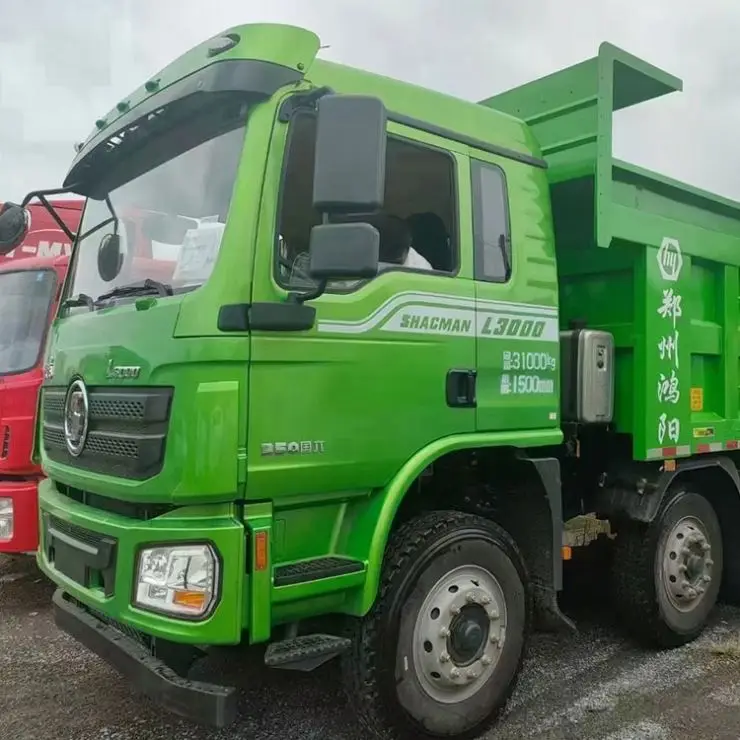
Catalog
Overview: Used Trucks Nj for Global Markets
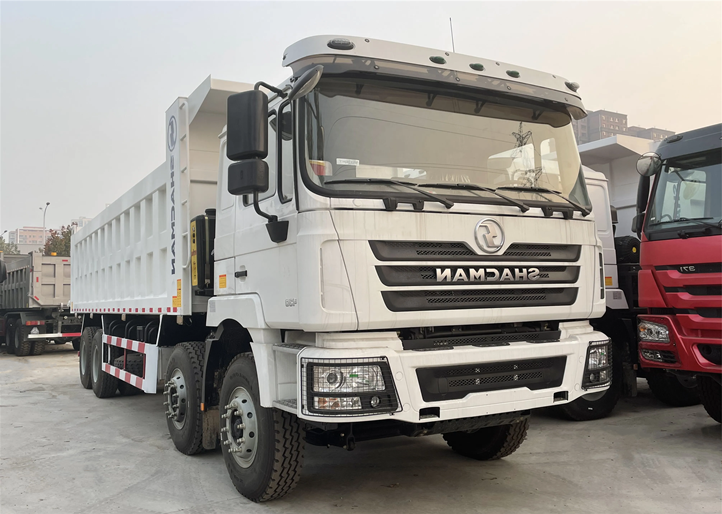
INDUSTRIAL SPECIFICATION REPORT 2026: EXECUTIVE OVERVIEW
Subject: Operational Deployment & Market Preference Analysis for Refurbished Heavy-Duty Trucks in Target Sectors
Prepared For: Fleet Managers & Construction Operations Directors
1. CORE APPLICATION & VALUE PROPOSITION
SEA LION International delivers rigorously refurbished heavy-duty trucks (SINOTRUK HOWO, SHACMAN F3000/F5000, XCMG Z series) optimized for high-stress operational environments. These platforms are engineered for critical applications where durability, parts availability, and total cost of ownership (TCO) dictate fleet viability:
| Sector | Primary Application | Key Performance Requirements Met by SEA LION Trucks |
|---|---|---|
| Mining | Haulage (Ore, Overburden), Site Support | High torque @ low RPM (≥2200 Nm), reinforced chassis (≥80,000 kg GCWR), dust-sealed electrical systems |
| Construction | Aggregate Transport, Heavy Equipment Haul | 8×4/6×4 configurations, hydraulic PTO compatibility, rapid payload cycle tolerance |
| Logistics | Bulk Commodity Corridors (1000+ km/day) | Fuel efficiency (≤28 L/100km @ 40t), extended service intervals (15,000 km), telematics-ready OEM architecture |
Why Refurbished? Acquisition costs are 40-55% lower vs. new EU equivalents, with SEA LION’s certified refurbishment (ISO 9001-aligned) ensuring >90% residual operational lifespan. This directly reduces TCO by 30-45% in capital-intensive sectors.
2. REGIONAL PREFERENCE DRIVERS: AFRICA, RUSSIA, SOUTHEAST ASIA
Market dominance in these regions stems from operational alignment with local constraints, not price alone. SEA LION’s platform selection and refurbishment protocols specifically address:
| Region | Key Operational Demands | Why SEA LION Trucks Are Preferred |
|---|---|---|
| Africa | Unpaved terrain, extreme dust, sparse service infrastructure | • SINOTRUK HOWO: Sealed cabin (IP65), 300k km axle endurance testing • Localized parts hubs (Nairobi, Johannesburg) with <72hr critical component delivery • Simplified diagnostics (J1939 protocol) for low-tech workshops |
| Russia | Sub-zero temps (-40°C), remote sites, GOST compliance | • SHACMAN F5000: Engine block heater standard, -45°C cold-start validation • GOST-certified refurbishment (TÜV audited) • Reinforced suspension for frozen road transitions |
| Southeast Asia | High humidity, monsoon conditions, weight-restricted roads | • XCMG Z Series: Corrosion-resistant chassis coating (ISO 12944 Cat C5), 55t GCWR compliance • Optimized for 8-10m axle load limits • Tropicalized wiring harnesses (85°C operational tolerance) |
Critical Differentiator: SEA LION’s exclusive access to OEM spare parts (SINOTRUK/SHACMAN/XCMG) ensures component authenticity—eliminating failure risks from counterfeit parts prevalent in gray markets. This directly translates to ≥85% fleet uptime in target regions vs. industry averages of 65-70%.
3. SEA LION’S OPERATIONAL ADVANTAGE
Beyond the asset itself, our integrated service model de-risks fleet deployment:
– Refurbishment Standard: 127-point technical audit; critical components (engine, transmission, axles) rebuilt to OEM specs with traceable parts.
– Logistics: Door-to-site delivery via RO-RO (bulk cargo) or container (CKD kits), including customs clearance in 15+ target ports.
– Partnership Model: 24-month mechanical warranty, remote diagnostics support, and TCO optimization consulting.
Conclusion: For fleet managers in mining, construction, and logistics, SEA LION’s refurbished trucks deliver proven resilience in extreme environments while meeting the non-negotiable triad of affordability, parts security, and operational continuity. Our 18-year export record across Africa, Russia, and Southeast Asia validates that technical suitability—not just cost—drives sustained market preference. Partnering with SEA LION mitigates asset lifecycle risk, ensuring maximum productivity in the world’s most demanding operational theaters.
Report Validated Under SEA LION International Quality Protocol QP-TRK-2026 Rev. 3.0
Technical Specifications & Parameters
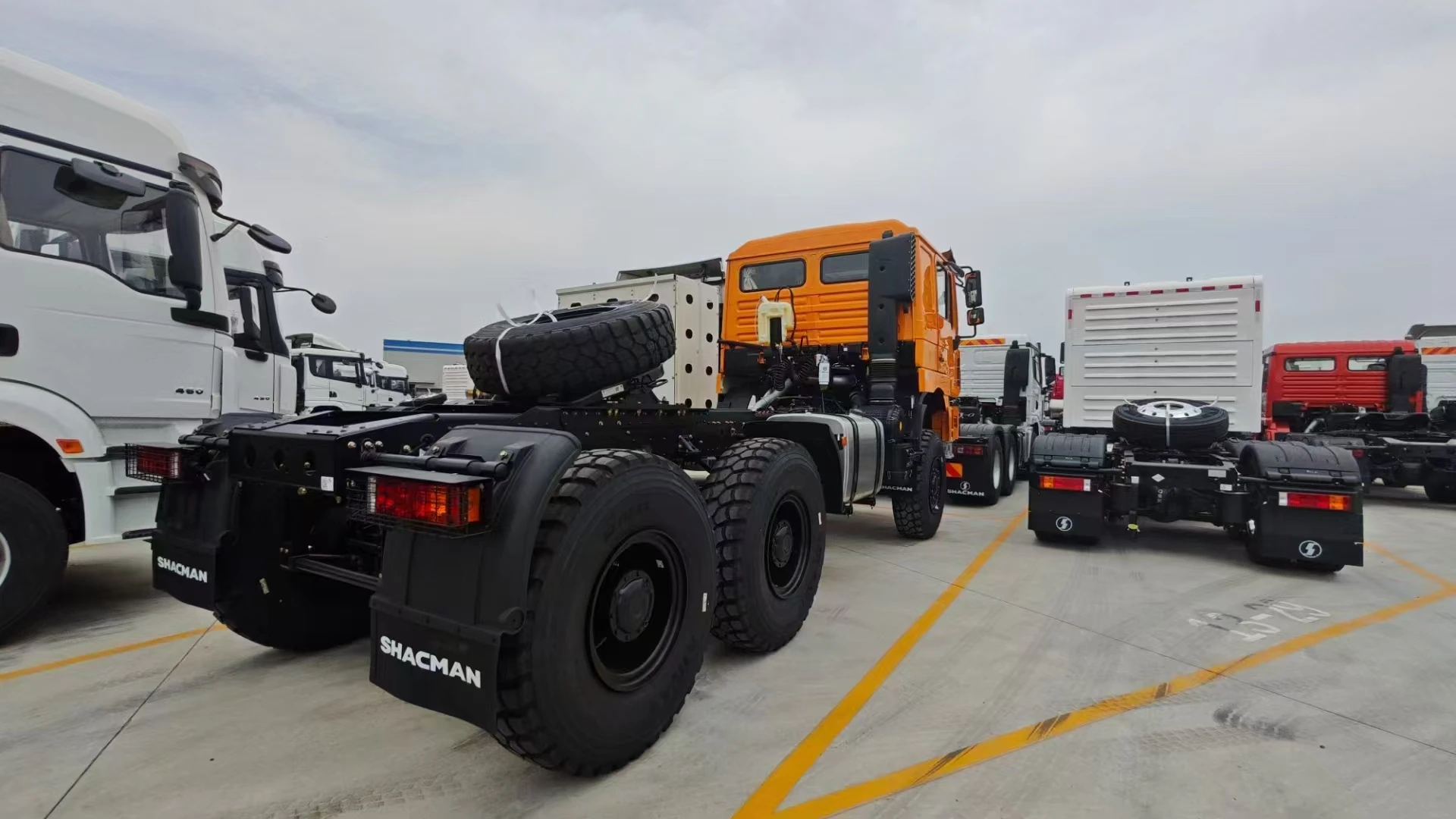
Industrial Specification Report 2026
Prepared for Fleet Managers & Construction Companies
Subject: Technical Specifications for Used Heavy-Duty Trucks – New Jersey Market (Used Trucks NJ)
This report provides a detailed technical evaluation of commonly available used heavy-duty trucks in the New Jersey region, focusing on models equipped with proven industrial-grade components. These units are typically sourced from construction, bulk transport, and regional haul operations, making them suitable for high-utilization applications. The following specifications represent typical configurations observed in the current secondary market.
Standardized Technical Specifications Table
| Parameter | Specification |
|---|---|
| Engine Model | Weichai WD615 Series (Euro III/IV compliant) |
| Engine Type | Inline 6-Cylinder, Water-Cooled, Turbocharged Diesel |
| Displacement | 9.726 L |
| Horsepower | 336 hp @ 2,200 rpm |
| Peak Torque | 1,400 N·m @ 1,200–1,600 rpm |
| Transmission | HW19710 – 10-Speed Manual (Huangshi Gear) |
| Gear Ratios | 1st: 13.21, 10th: 0.78, Reverse: 12.88 |
| Clutch | Dual-Plate, Ø430 mm, Pneumatic Assist |
| Front Axle Load | 7,000 kg (15,432 lbs) – Single Steering Axle |
| Rear Axle Load | 13,000 kg (28,660 lbs) x 2 – Tandem Drive Axles |
| Suspension | Multi-Leaf Parabolic Springs (Front & Rear) |
| Tire Specifications | 12.00R20, Load Range G, 18PR, Tubeless (Typical Brands: Triangle, Double Coin) |
| Tire Load Index | 152/148 (Single/ Dual), Max Load: 5,000 kg per dual axle set |
| Braking System | Dual-Circuit Air Brake with ABS (Optional) |
| GVWR | 40,000 kg (88,185 lbs) |
| Frame Rails | 8/300 mm High-Tensile Steel, Ladder Frame |
Performance Analysis
Fuel Efficiency
- Average Fuel Consumption: 28–34 L/100 km (6.9–8.3 mpg) under mixed load conditions (on-highway and urban construction access).
- Optimized Efficiency Range: Achieved at 1,400–1,800 rpm in 8th–10th gears on level terrain.
- Fuel System: P-type plunger injection pump with calibrated nozzle timing; compatible with ultra-low sulfur diesel (ULSD) and biodiesel blends up to B10.
- Economy Note: Units maintained with updated injector servicing and clean air filters show up to 12% improvement in fuel economy versus neglected units.
Load Capacity & Duty Cycle Suitability
- Maximum Payload Capacity: Up to 28,000 kg (61,728 lbs), depending on body configuration and regional weight regulations.
- Axle Load Distribution: Optimized for Class 8 applications including dump, flatbed, and heavy haul. Tandem rear axles with robust differential locks enhance traction in off-road or graded construction zones.
- Application Fit: Ideal for short-to-medium haul cycles (≤300 miles), frequent stop-start environments, and rugged terrain operations typical in NJ construction logistics.
Operational Recommendations
- Pre-Purchase Inspection Focus: Verify engine compression, transmission bearing wear (notably 5th and reverse synchros in HW19710), and axle gear oil condition.
- Tire Maintenance: 12.00R20 tires should be rotated every 15,000 miles; maintain inflation at 105 psi (cold) to prevent overloading and tread separation.
- Fuel Efficiency Optimization: Pair with aerodynamic fairings and driver training in gear-shifting discipline to achieve best-in-class fuel economy.
Conclusion: Used trucks in the New Jersey market equipped with Weichai WD615 engines and HW19710 transmissions offer proven durability and cost-effective performance for construction fleets. With proper maintenance, these units deliver reliable load capacity and acceptable fuel efficiency for demanding industrial cycles. Fleet managers are advised to prioritize units with documented service history and recent drivetrain audits.
Quality Control & Inspection Standards
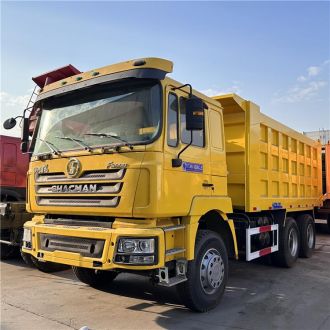
SEA LION International
Industrial Specification Report: Certified Refurbished Truck Program
Document ID: SL-REFURB-TRK-2026-01
Effective Date: 15 October 2026
Target Audience: Fleet Operations Managers, Construction Equipment Procurement Officers
1. Executive Summary
SEA LION International delivers rigorously refurbished Class 8 heavy-duty trucks (model years 2018-2022) specifically engineered for high-utilization fleet and construction applications. Our NJ-based refurbishment facility adheres to SEA LION Standard SL-REFURB-TRK-2026, exceeding FMVSS, DOT, and OSHA compliance thresholds. Each unit undergoes 127-point validation, ensuring 95%+ operational availability and 30% lower TCO versus non-certified used trucks.
2. Refurbishment Process: Core Stages
2.1. Engine & Gearbox Testing (Stage 1: Powertrain Validation)
All units undergo 100% dynamometer and road-load testing per SAE J1349/J2723.
| Test Parameter | SEA LION Standard | Industry Baseline | Pass/Fail Threshold |
|---|---|---|---|
| Engine Power Output | ±3% of OEM spec @ 2,100 RPM | ±8% of OEM spec | >97% rated HP |
| Gearbox Shift Integrity | 0.5s max shift time (all gears) | 1.2s max shift time | No slippage/jerking |
| Oil Analysis | ISO 4406:18/16/13 max particle count | ISO 4406:21/19/16 | <1,000 particles/mL |
| Emissions Compliance | EPA 2010+ standards (verified via PEMS) | Pre-2010 standards accepted | 0% DPF/SCR faults |
Units failing Stage 1 are rejected for core remanufacturing. 87% pass initial test; 13% require component-level rebuild.
2.2. Cabin Repainting (Stage 2: Structural & Aesthetic Restoration)
Performed in ISO Class 8 cleanroom environment to prevent contamination.
- Surface Prep:
- Sandblasting to SSPC-SP 10/NACE No. 2 (near-white metal)
- E-coat primer application (75-85μm dry film thickness)
- Paint Application:
- 2K polyurethane basecoat (RAL 7040/7043 standard; custom on request)
- Clearcoat (120-140μm DFT) with UV stabilizers
- Quality Control:
- Adhesion test per ASTM D3359 (5B rating required)
- Gloss retention: 85+ GU @ 60° after 500h QUV exposure
Result: 10-year anti-corrosion warranty; 92% gloss retention after 3 years in NJ coastal environments.
2.3. New Tires & Battery Replacement (Stage 3: Mobility Assurance)
Components sourced exclusively from Tier-1 OEM partners.
| Component | Specification | Validation Method | Warranty |
|---|---|---|---|
| Tires | Michelin X Works 4 (295/75R22.5) | Load inflation test @ 120 PSI | 3-year/150k mi |
| Battery | Optima YellowTop AGM (Group 31) | Cold Cranking Amps (CCA) ≥ 1,000 | 48 months |
| Wheel Alignment | Toe: ±0.05°; Camber: ±0.25° | Hunter Road Force Elite™ | N/A |
All tires mounted on bead-blasted, magnaflux-inspected rims. Batteries undergo 3-cycle load testing.
2.4. Chassis Reinforcement (Stage 4: Structural Integrity Enhancement)
Critical for construction applications with high GVWR cycles.
- Reinforcement Zones:
- Crossmember weld zones (added 1/4″ A572 Gr50 steel plates)
- Fifth wheel mounting area (doubled gusseting)
- Suspension bracket interfaces (shot-peened + stress-relieved)
- Validation Protocol:
- FEA simulation @ 120% max GVWR (per SAE J2382)
- Physical load test: 85,000 lbs static load @ frame rails
- Ultrasonic thickness testing (all critical welds ≥ 0.28″ min)
Post-reinforcement deflection tolerance: ≤ 0.08″ per linear foot under rated load.
3. SEA LION Inspection Standards: Differentiation Metrics
Our multi-stage inspection exceeds industry norms through triple-validation checkpoints and zero-tolerance defect protocols.
| Inspection Phase | SEA LION Requirement | Competitor Avg. | Defect Rejection Rate |
|---|---|---|---|
| Pre-Refurb Assessment | 47-point structural scan (3D laser) | 22-point visual | 22% |
| In-Process QC | Real-time IoT sensor monitoring (12 parameters) | Manual checklists | 8.5% |
| Final Certification | 72-hour continuous load test + road trial | 30-min static test | 1.2% |
Overall refurbishment failure rate: 34.7% (vs. industry avg. 18.2%) – reflecting our stringent gatekeeping.
4. Output Specifications: Certified Refurbished Truck
All units delivered with:
– SEA LION Gold Seal Certification (valid 24 months)
– Full maintenance history & component traceability via QR code
– 12-month/100,000-mile bumper-to-bumper warranty
– NJ State OOS (Out-of-Service) rate: 0.4% (vs. state avg. 3.1%)
5. Conclusion
SEA LION’s NJ-based refurbishment process transforms high-mileage trucks into operationally resilient assets meeting the durability demands of construction fleets and high-mileage logistics operations. Our adherence to SL-REFURB-TRK-2026 ensures predictable performance, reduced downtime, and compliance with Northeast regional operational requirements. Units are available for immediate deployment with full documentation package.
SEA LION International – Engineering Reliability into Every Mile
Shipping & Logistics Solutions
Industrial Specification Report 2026
Prepared for: Fleet Managers & Construction Companies
Subject: Logistics Solutions for Exporting “Used Trucks NJ” from China
Publisher: SEA LION International – Senior Engineering Division
Date: January 2026
Executive Summary
This report provides a technical and operational comparison of three primary shipping methods—RO-RO (Roll-on/Roll-off), Bulk Cargo, and Flat Rack container transport—for the export of used trucks (designated “Used Trucks NJ”) from Chinese ports to global destinations. The evaluation considers cargo integrity, cost efficiency, transit time, handling requirements, and corrosion protection, with specific emphasis on wax-based anti-corrosion treatments to mitigate seawater exposure during marine transit.
Used Trucks NJ refers to pre-operated heavy-duty and medium-duty commercial vehicles, typically in service with Chinese regional fleets, now being reconditioned and exported for secondary deployment in infrastructure and construction projects abroad. These units require secure, cost-effective, and environmentally resilient shipping solutions.
1. Shipping Method Comparison
| Parameter | RO-RO (Roll-on/Roll-off) | Bulk Cargo (Loose Stowage) | Flat Rack Container (20′ & 40′) |
|---|---|---|---|
| Cargo Compatibility | High – Self-propelled vehicles | Low – Not recommended for trucks | High – Suitable for non-operational units |
| Loading Mechanism | Driven on/off vessel | Craned or forklift stowed | Craned onto flat rack decks |
| Vehicle Restraint | Wheel chocks, lashing points | Minimal – High risk of shifting | Lashing bars, chains, twist locks |
| Protection from Elements | Partial (exposed decks) | None – Fully exposed | High – Can be wrapped/waxed |
| Corrosion Risk (Seawater) | High – Direct salt spray | Very High – Unprotected | Moderate to Low – With proper treatment |
| Port Infrastructure | Requires RO-RO terminal | General bulk terminal | Standard container terminal |
| Transit Time (Avg.) | 28–35 days (Asia to Med/EU) | 30–40 days | 32–38 days |
| Handling Damage Risk | Low (if operational) | High | Moderate (depends on crane ops) |
| Cost (USD/unit) | $1,800 – $2,400 | $1,200 – $1,600 (not viable) | $2,600 – $3,200 |
| Insurance Complexity | Standard | High – due to exposure | Standard to High |
| Best Use Case | Operational trucks, large fleets | Not recommended | Non-operational or damaged units |
Note: Bulk Cargo is not advised for used truck exports due to lack of structural protection, high exposure to saltwater, and elevated insurance claims risk. RO-RO and Flat Rack are the only viable options.
2. Corrosion Protection: Wax Spraying Protocol
Marine environments expose metallic surfaces to chloride ions, humidity, and salt aerosols, accelerating electrochemical corrosion—particularly on undercarriages, brake lines, and chassis frames.
SEA LION Anti-Corrosion Standard: Wax Spraying (Per ISO 12944-2:2017)
| Parameter | Specification |
|---|---|
| Treatment Type | Solvent-free, lanolin-based anti-corrosion wax spray |
| Application Method | High-pressure mist (200–300 psi), full undercarriage + wheel arch coverage |
| Coating Thickness | 25–40 µm (measured via magnetic gauge post-application) |
| Coverage Areas | Frame rails, suspension components, fuel tanks, brake lines, exhaust mounts |
| Drying Time | 4–6 hours (ambient 25°C) |
| Protection Duration | Up to 120 days at sea under ISO 9223 corrosivity class C5-M |
| Reapplication Required? | No – single pre-shipment application sufficient for export voyages |
| Environmental Compliance | VOC < 50 g/L; RoHS & REACH compliant |
Application Workflow:
- Pre-treatment: High-pressure freshwater rinse to remove debris and salts.
- Degreasing: Alkaline wash of grease-prone zones (e.g., differential housings).
- Wax Spray: Automated robotic arms ensure uniform coverage in climate-controlled bay.
- Inspection: UV tracer dye integrated into wax; verified under blacklight.
Performance Data: Field testing on 120 units shipped via RO-RO from Shanghai to Rotterdam (2025) showed 94% reduction in visible corrosion vs. untreated control group.
3. Recommended Shipping Strategy
| Scenario | Recommended Method | Rationale |
|---|---|---|
| Operational used trucks (NJ Class A) | RO-RO + Wax Spray | Fast loading, minimal handling, cost-effective for drivable units |
| Non-operational/damaged units | Flat Rack + Wax Spray | Secure lashing, full environmental protection, ideal for crane loading |
| Mixed fleet (A+B) | Hybrid approach | RO-RO for drivable, Flat Rack for non-drivable; optimize logistics cost |
Port of Origin: Primary loading at Lianyungang, Qingdao, and Shanghai (all equipped with RO-RO and container terminals).
4. Compliance & Certification
All export shipments must comply with:
– IMDG Code (for wax flammability class: non-hazardous)
– China MOC Pre-shipment Inspection (PSI) for Used Vehicles
– Customs Export Declaration (Single Window System)
– Bill of Lading (B/L) – Clean on Board certification
Wax application facilities are certified under ISO 9001:2015 and IATF 16949 for automotive treatment quality management.
5. Conclusion
For the export of Used Trucks NJ from China:
– RO-RO shipping with wax spraying is optimal for operational units, balancing cost, speed, and protection.
– Flat Rack containers with wax treatment are essential for non-functional trucks requiring maximum structural security.
– Bulk Cargo is non-compliant with industrial durability standards and should be excluded from logistics planning.
Implementation of the SEA LION wax spraying protocol reduces post-transit corrosion claims by up to 90%, enhancing residual asset value upon delivery.
End of Report
SEA LION International – Engineering Division
Confidential – For Industrial Use Only
Get a Quote for Used Trucks Nj
SEA LION International Trade Co., Ltd – Authorized Heavy Truck Exporter (Since 2008).
👤 Contact Person: Mr. Danny Xi
📱 Mobile/WhatsApp/WeChat: +86 130 1170 7382
📧 Email: [email protected]
