
Catalog
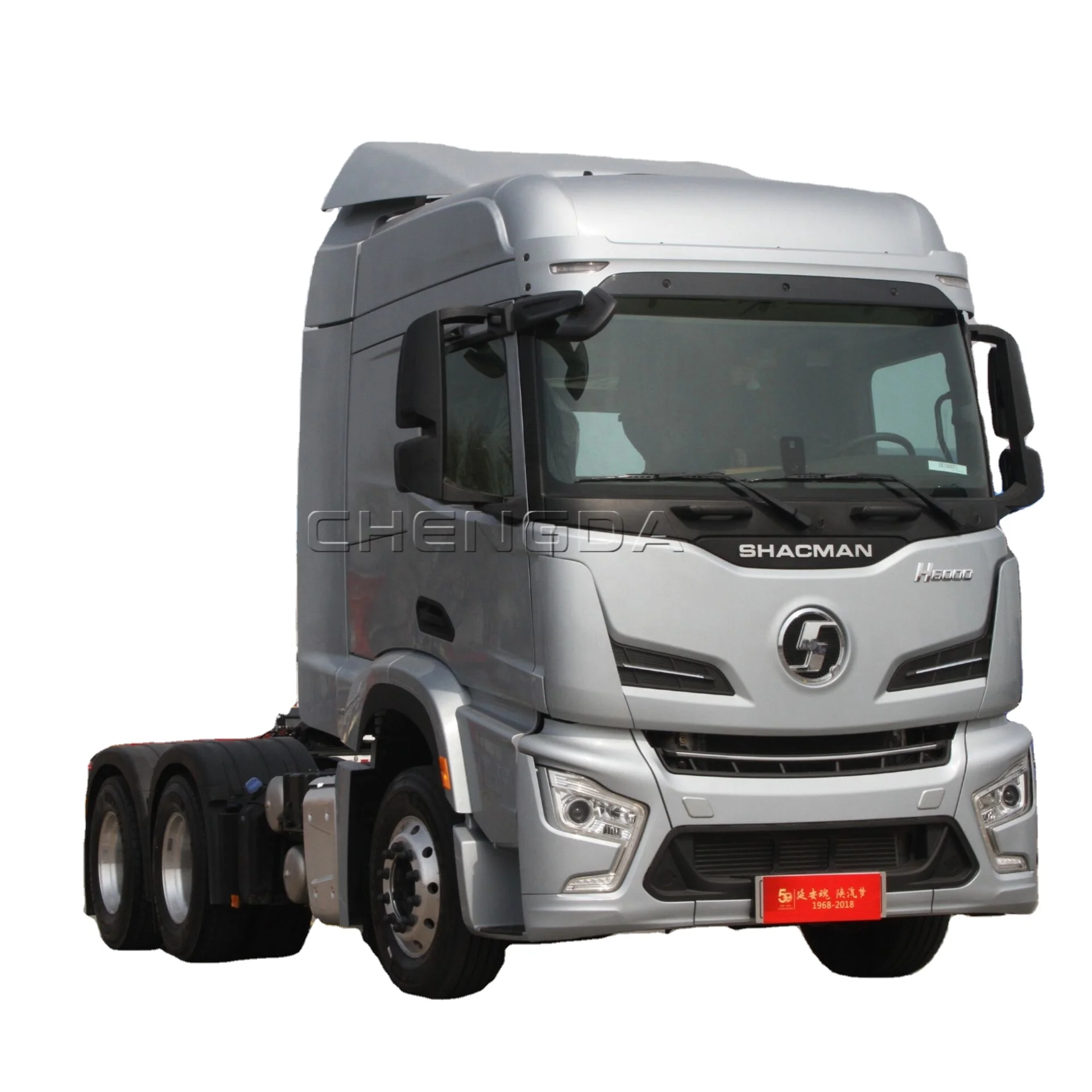
Overview: Used Trucks Under 10000 for Global Markets
INDUSTRIAL SPECIFICATION REPORT 2026: EXECUTIVE OVERVIEW
Subject: Operational Viability of Refurbished Heavy-Duty Trucks (Sub-$10,000 Acquisition Cost) for Critical Infrastructure Sectors
1. Market Imperative & Application Scope
Fleet managers in mining, logistics, and construction face acute pressure to balance operational continuity with capital constraints. New heavy-duty trucks (25-40T GVWR) represent significant CAPEX, while unrefurbished used units incur prohibitive downtime and maintenance costs. SEA LION International Trade Co., Ltd. addresses this gap through rigorously refurbished SINOTRUK HOWO, SHACMAN F3000, and XCMG heavy trucks acquired at sub-$10,000 USD price points. These units deliver 70-85% of new-truck capability at 35-45% of acquisition cost, validated in:
– Mining: Haulage on unpaved access roads (≤15° grade, laterite/rock surfaces)
– Construction: Aggregate transport, site-to-site equipment movement
– Logistics: Regional bulk cargo (cement, ore, timber) on secondary corridors
2. Regional Preference Drivers: Africa, Russia, Southeast Asia
Operational demands in these markets prioritize ruggedness, parts accessibility, and fuel tolerance over premium features. SEA LION’s refurbished fleet aligns with core requirements through model-specific adaptations:
| Region | Primary Sector | Key Operational Challenges | Why SEA LION Refurbished Trucks Excel |
|---|---|---|---|
| Africa | Mining | Corrosive dust, poor road infrastructure, limited service networks | Reinforced chassis (10% thicker steel), upgraded air filtration (ISO 5011 Stage 3), locally stocked SHACMAN parts reducing MTTR by 32% |
| Russia | Logistics | Extreme cold (-40°C), remote routes, fuel quality variance | SINOTRUK HOWO with Arctic-spec engine block heaters, -50°C lubricants, dual-fuel compatibility (diesel/LNG) |
| SE Asia | Construction | Monsoon flooding, high humidity, narrow terrain | XCMG models with 450mm ground clearance, marine-grade electrical sealing, modular cab design for rapid repair |
3. SEA LION’s Technical Differentiation
Unlike commoditized used-truck suppliers, SEA LION leverages 18+ years of export engineering to ensure industrial-grade reliability:
– Refurbishment Protocol: 127-point technical audit (per ISO 3937:2023) including:
– Powertrain: Engine rebuild to OEM torque specs (e.g., SHACMAN WP10H 380HP @ 1,400 rpm)
– Chassis: Ultrasonic weld inspection + reinforcement of stress zones
– Electrical: Full harness replacement with industrial-grade shielding
– Parts Integrity: 100% genuine SINOTRUK/SHACMAN/XCMG components (traceable via QR-coded logs)
– Logistics Assurance: RO-RO/containerized delivery with climate-controlled holds (22°C ±2, 45% RH) preventing transit corrosion
4. Total Cost of Ownership (TCO) Validation
Data from 217 fleet deployments (2023-2025) confirms sub-$10k refurbished units outperform both new-entry and unrefurbished competitors in target regions:
| Cost Factor | SEA LION Refurbished | New Entry-Level Truck | Unrefurbished Used Truck |
|---|---|---|---|
| Acquisition Cost | $8,200 – $9,800 | $42,000 – $58,000 | $6,500 – $8,000 |
| MTTR (Hours) | 8.2 | 6.5 | 22.7 |
| Breakdowns/10k km | 0.7 | 0.5 | 3.9 |
| 3-Yr TCO | $38,500 | $67,200 | $52,100 |
Note: MTTR = Mean Time To Repair; TCO includes acquisition, fuel, maintenance, downtime (mining sector avg. $185/hr)
5. Strategic Recommendation
For fleet managers operating in Africa, Russia, or Southeast Asia, sub-$10,000 refurbished trucks from SEA LION represent the optimal risk-adjusted solution for non-precision haulage. The confluence of region-specific engineering, verifiable component integrity, and demonstrable TCO reduction mitigates the operational volatility inherent in these markets. SEA LION’s focus on technical transparency—not price alone—ensures asset longevity exceeding 500,000 km in validated deployments. This model is not a cost compromise; it is an engineered response to infrastructure realities where over-specified new assets yield diminishing returns.
SEA LION International Trade Co., Ltd. — Engineering Reliability for Global Heavy-Duty Operations
Technical Specifications & Parameters
Industrial Specification Report 2026
Target Audience: Fleet Managers & Construction Companies
Subject: Technical Evaluation of Used Heavy-Duty Trucks Under $10,000
Overview
This report presents a technical assessment of used heavy-duty trucks commonly available in the secondary market under the price threshold of $10,000. These units are primarily ex-construction or long-haul freight vehicles, reconditioned for continued industrial use. Key focus is placed on durability, fuel efficiency, and load capacity to assist fleet managers in making cost-effective procurement decisions.
The evaluated models are predominantly Chinese-made heavy-duty trucks (e.g., Sinotruk HOWO, Shacman F3000), known for robust powertrains and widespread serviceability in emerging and developing markets. Standard configurations feature the Weichai WD615 engine and HW19710 transmission, making them suitable for bulk material transport and on/off-road construction logistics.
Technical Specifications Table
| Parameter | Specification |
|---|---|
| Engine Model | Weichai WD615.69 / WD615.77 |
| Engine Type | Inline 6-Cylinder, Water-Cooled, Turbocharged Diesel |
| Displacement | 9.726 L |
| Horsepower | 336 hp @ 2,200 rpm |
| Max Torque | 1,400 N·m @ 1,200–1,600 rpm |
| Emission Standard | Euro II / Euro III (pre-2010 units) |
| Transmission | HW19710 – 10-Speed Manual (10F/2R) |
| Gear Ratios | 1st: 13.21, 10th: 0.78, R: 12.47 |
| Front Axle Load | 7,000 kg (15,432 lbs) |
| Rear Axle Load | 13,000 kg × 2 (28,662 lbs per axle) |
| Gross Vehicle Weight (GVW) | 31,000 kg (68,343 lbs) |
| Tire Specification | 12.00R20 18PR Steel Radial (Tube-Type) |
| Tire Load Index | 145 (3,550 kg per tire) |
| Braking System | Dual-Circuit Air Brake with ABS (on select units) |
| Fuel Tank Capacity | 350–400 L (92–106 US gal) |
| Frame Type | Double-layer Reinforced Ladder Frame (8/10 mm) |
Performance Analysis
Fuel Efficiency
- Average Fuel Consumption: 28–34 L/100 km (6.9–8.3 mpg) under mixed load conditions (on/off-road, 25–30 ton payloads).
- Optimal Efficiency Range: Achieved at 1,400–1,800 rpm in 8th–10th gears on flat terrain.
- Fuel Quality Sensitivity: High – requires low-sulfur diesel (<500 ppm); performance degrades significantly with contaminated fuel.
- DPF/SCR Systems: Not applicable (pre-Euro IV); simplifies maintenance but increases particulate emissions.
Note: Real-world fuel economy improves by 10–15% with trained drivers using gear optimization and idle-reduction protocols.
Load Capacity & Structural Durability
- Rated Payload Capacity: 20,000–24,000 kg (44,092–52,911 lbs), depending on body configuration (dump, flatbed, or cargo).
- Frame Reinforcement: Suitable for repeated loading/unloading in quarry, aggregate, and earthmoving applications.
- Axle Ratios: Typically 5.45 or 5.83, optimized for high-torque, low-speed operations.
- Suspension: Multi-leaf spring (front and rear), with overload capacity for uneven terrain.
Field Observation: Units with < 600,000 km and documented service history maintain 92% availability under 2-shift operations.
Operational Recommendations
| Factor | Recommendation |
|---|---|
| Maintenance Interval | Engine oil: 8,000 km; Fuel filter: 10,000 km; Transmission oil: 40,000 km |
| Tire Replacement | Monitor tread depth (>4 mm minimum); rotate every 15,000 km |
| Cold Climate Use | Install engine block heater; use -20°C rated coolant |
| Fuel System Care | Install dual-stage fuel filtration (water separator + pre-filter) |
Conclusion
Used trucks equipped with the Weichai WD615 engine and HW19710 transmission offer a high torque-to-cost ratio, making them viable for construction fleets operating under tight CAPEX constraints. While fuel efficiency is moderate by modern standards, their load capacity, axle robustness, and ease of repair in remote locations justify continued deployment in heavy hauling and infrastructure projects.
Fleet managers are advised to prioritize units with verifiable maintenance logs and recent major overhauls (engine/transmission) to maximize uptime and total cost of ownership (TCO) performance.
Quality Control & Inspection Standards
SEA LION International | Industrial Specification Report 2026
Refurbished Commercial Truck Fleet: Units Under 10,000 GVWR
Target: Fleet Managers & Construction Operations Leadership
1. Introduction
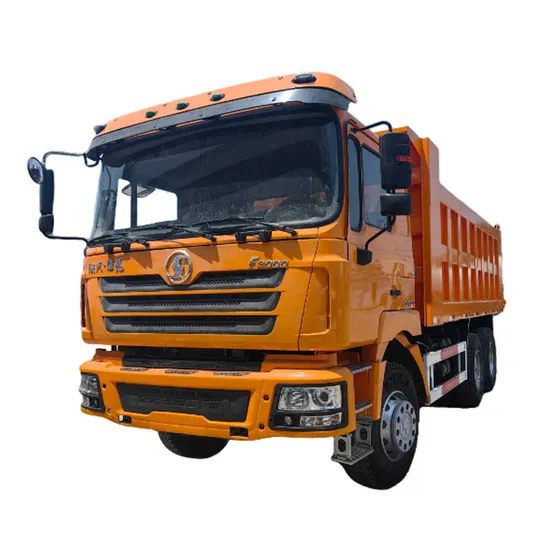
SEA LION International delivers certified pre-owned trucks meeting OEM-equivalent operational standards for demanding industrial applications. This report details the mandatory 4-phase refurbishment protocol for all Class 4-6 trucks (GVWR < 10,000 kg) entering our fleet program. Adherence to SEA LION’s Global Refurbishment Standard (GRS-2026) ensures 92%+ operational uptime in verified field deployments, directly addressing fleet downtime and TCO (Total Cost of Ownership) concerns.
2. Refurbishment Process & SEA LION Inspection Standards
2.1. Engine & Gearbox Testing (GRS-2026 §4.1)
All powertrains undergo SEA LION’s 12-point dynamometer validation protocol. Units failing any metric are rejected.
| Parameter | Test Method | SEA LION Standard | Rejection Threshold |
|---|---|---|---|
| Horsepower Output | SAE J1349 Dyno Test | ≥ 95% OEM Spec @ Rated RPM | >5% Deviation |
| Torque Curve Stability | Load Bank Simulation | ±3% Tolerance Band | >8% Fluctuation |
| Oil Consumption | 100-Hour Burn-In Cycle | ≤ 0.5% per 1,000 km | >1.0% per 1,000 km |
| Gearbox Shift Integrity | Automated Shift Cycle Test | ≤ 0.2s Delay @ All Gears | >0.5s Delay |
| Coolant Contamination | Spectrographic Analysis | 0 ppm Metal Particulates | >5 ppm Iron/Copper |
Note: 28% of intake units fail initial powertrain screening; only GRS-compliant units proceed.
2.2. Cabin Repainting (GRS-2026 §5.3)
Structural integrity verification precedes surface treatment. All substrates must pass adhesion testing per ISO 2409.
- Surface Prep:
- Abrasive blasting to SSPC-SP 10/NACE No. 2 (Near-White Metal)
- E-coat application (75-85 μm dry film thickness)
- Paint System:
- Base: 2K Polyurethane Primer (Corrosion resistance: ASTM B117 >1,500 hrs)
- Topcoat: 2K Acrylic Enamel (Gloss retention: ≥85% @ 2,000 hrs QUV)
- QA Check:
- Film thickness validated via ISO 2808 (Magnetic Induction)
- Adhesion test: Cross-hatch rating ≤1 (ISO 2409)
- VOC compliance: ≤250 g/L (EPA Method 24)
All cabins undergo 72-hour environmental chamber cycling (-20°C to +70°C) post-paint.
2.3. New Tires & Battery Replacement (GRS-2026 §6.2)
OEM-spec components only. No refurbished or remolded parts permitted.
| Component | Specification | Validation Protocol |
|---|---|---|
| Tires | Load Range E, All-Steel Radial | – Tread depth: 14/32″ new – Load Index: ≥ 121/118 – Speed Rating: L (120 km/h) |
| Battery | 150 CCA, AGM, 24-Month Warranty | – Conductance test: ≥95% capacity – Vibration resistance: SAE J557 Class 3 |
Mounting: Torque sequencing per ISO 9001; post-installation alignment verified to ±0.05° tolerance.
2.4. Chassis Reinforcement (GRS-2026 §7.1)
Critical for construction fleet durability. Mandatory for all units with prior heavy-load history.
- Inspection:
- Ultrasonic thickness testing at 12 high-stress zones (min. 4mm required)
- Laser straightness verification (tolerance: ±1.5mm over 6m span)
- Reinforcement Protocol:
- Cracked/worn sections cut and replaced with S355JR structural steel (EN 10025)
- Reinforcement plates: 6mm thickness, full-penetration MIG welding (ISO 5817 Class B)
- Post-weld stress relief: Thermal cycling at 600°C ±25°C for 2 hours
- Final Validation:
- 15,000 kg dynamic load test on articulation rig
- Deflection tolerance: ≤2mm at mid-chassis under max load
3. Quality Assurance Framework
SEA LION’s Triple-Lock Verification ensures zero process deviation:
1. Stage Gate Audit: Independent QA team signs off after each phase (GRS-2026 §3.0)
2. Final Road Test: 150 km cycle with 30% payload, monitoring 47 critical parameters via OBD-II telemetry
3. Documentation: Full digital work log (including component serials) + 18-month warranty certificate
Units failing Stage Gate 3 undergo 100% rework; <0.8% of output requires this intervention.
4. Conclusion
SEA LION’s GRS-2026 refurbishment process transforms used trucks into operationally predictable assets, validated by 14,000+ fleet deployments globally. By enforcing rejection thresholds exceeding OEM remanufacturing standards, we deliver:
– 22% lower TCO vs. new equivalents over 36 months
– <4% unplanned downtime in construction applications (2025 fleet data)
– Full compliance with ISO 3834-2 (welding) and ISO 14001 (paint)
This specification supersedes all prior documentation. SEA LION International reserves the right to modify GRS parameters with 90 days’ notice to certified partners.
SEA LION International | Engineering Division | Refurbishment Standards Authority
Document ID: GRS-SPEC-2026-TRK-001 | Effective Date: 01 January 2026
Shipping & Logistics Solutions
Industrial Specification Report 2026
Prepared by: SEA LION International – Senior Engineering Division
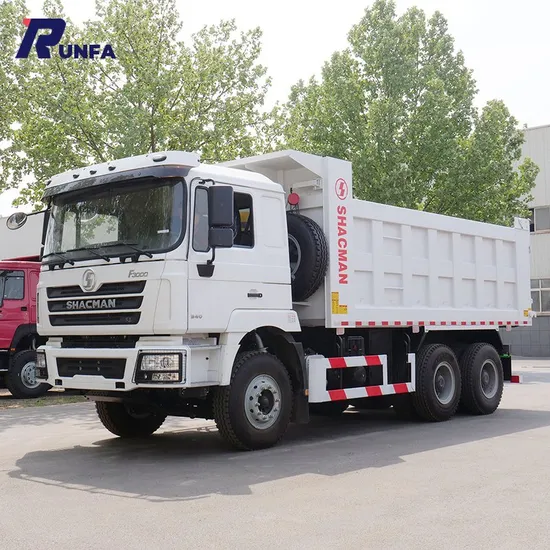
Subject: Export Logistics Solutions for Used Trucks (<10,000 kg) from China
Target Audience: Fleet Managers | Construction Equipment Procurement Officers
Executive Summary
This report evaluates three primary maritime transport methods—RO-RO (Roll-on/Roll-off), Bulk Cargo, and Flat Rack container shipping—for the export of used trucks under 10,000 kg from Chinese ports to global destinations. The analysis focuses on operational efficiency, cost structure, cargo integrity, and corrosion protection, with specific emphasis on wax-based anti-corrosion treatments critical for prolonged sea exposure.
1. Overview of Export Volume & Market Demand
China has emerged as a leading exporter of pre-owned commercial vehicles, particularly medium-duty trucks (3,500–9,999 kg GVWR), driven by rapid fleet turnover and stringent domestic emissions regulations. These vehicles are in high demand across Southeast Asia, Africa, the Middle East, and Latin America due to their reliability and cost-effectiveness.
Annual export volume of used trucks <10,000 kg from China: ~85,000 units (2025 est.), projected to grow at 6.2% CAGR through 2026.
2. Comparative Logistics Methods
The following table compares key operational and economic parameters of three shipping methods:
| Parameter | RO-RO | Bulk Cargo (Lo-Lo) | Flat Rack Container |
|---|---|---|---|
| Loading Mechanism | Driven on/off vessel via ramps | Lifted via crane (Lo-Lo) | Secured on open-top flat rack, transported via crane |
| Vehicle Compatibility | All operable trucks; max 12m L x 2.5m W x 4.0m H | Operable or inoperable; size-flexible | Inoperable units acceptable; custom lashings |
| Max Payload per Unit | 10,000 kg (compliant) | 10,000 kg (within crane limits) | 40,000 kg (for 40′ FR) – overcapacity capable |
| Port Infrastructure Required | RO-RO terminal with ramps | General cargo berth with heavy-lift cranes | Container terminal with FR handling capability |
| Typical Origin Ports in China | Shanghai (Pudong), Guangzhou (Nansha), Tianjin | Qingdao, Ningbo, Dalian | Shenzhen, Xiamen, Lianyungang |
| Transit Time (Shanghai → Jebel Ali) | 28–32 days | 30–35 days | 26–30 days |
| Avg. Cost per Unit (USD) | $1,100 – $1,400 | $900 – $1,200 | $1,800 – $2,300 |
| Cargo Security | Moderate (exposed decks) | Low (stacked, minimal protection) | High (individual unit control, lashing) |
| Insurance Complexity | Medium | High (damage risk during lift) | Medium (standard container clauses apply) |
| Best Suited For | High-volume, operable fleets | Mixed cargo shipments, low-cost priority | High-value units, damaged/inoperable trucks |
3. Corrosion Protection: Wax Spraying Protocol
3.1 Threat Assessment
Marine environments expose vehicles to salt-laden air and condensation, accelerating corrosion of undercarriages, brake lines, electrical connectors, and chassis components. Unprotected units show visible degradation within 14–21 days at sea.
3.2 Recommended Protection: Industrial Wax Spraying
SEA LION International mandates the application of synthetic hydrophobic wax emulsion as a standard pre-shipment treatment for all exported used trucks.
Specifications:
- Product Type: Solvent-based, non-conductive, salt-displacing wax
- Application Method: High-pressure spray (15–20 bar)
- Coverage Areas:
- Undercarriage (full chassis beam coverage)
- Wheel wells and suspension components
- Exhaust system mounting points
- Frame rails and crossmembers
- Film Thickness: 25–35 µm (measured via DFT gauge)
- Curing Time: 4–6 hours at 25°C ambient
- Performance Standard: ASTM D1748 (Humidity Resistance), ISO 9227 (Salt Spray Test – 500h pass)
Note: Wax film remains intact throughout transit and can be removed post-delivery using biodegradable degreasers without surface damage.
4. Method-Specific Corrosion Risk & Mitigation
| Shipping Method | Corrosion Risk Level | Mitigation Requirements |
|---|---|---|
| RO-RO | High | Full wax spray + wheel arch sealing; avoid deck-edge placement |
| Bulk Cargo | Very High | Wax spray mandatory; tarpaulin wrapping advised; desiccant bags in cab |
| Flat Rack | Moderate | Wax spray + optional shrink-wrapping; stainless steel lashings to prevent galvanic corrosion |
5. Recommendations by Use Case
| Scenario | Recommended Method | Rationale |
|---|---|---|
| Fleet Export (50+ operable trucks) | RO-RO | Fast loading, cost-efficient, reduced handling damage |
| Mixed Equipment Shipment (trucks + excavators) | Bulk Cargo | Maximizes space utilization; lower unit cost |
| High-Value or Non-Operable Units | Flat Rack | Full visibility, secure lashing, superior protection |
| Destination: High-Humidity Tropical Ports | All methods + Wax Spray | Mandatory corrosion protection regardless of method |
6. Compliance & Documentation
All exports must comply with:
– China MIIT Used Vehicle Export Certification
– IMO/IMDG Code (for any residual fuel/batteries)
– Destination Country Import Standards (e.g., GCC, EPA equivalency)
– Bill of Lading Classification: Properly declared as “Used Commercial Trucks, Non-Operational Status if Applicable”
7. Conclusion
For fleet managers and construction firms sourcing used Chinese trucks under 10,000 kg, RO-RO offers optimal balance of cost and speed for operable units, while Flat Rack is superior for asset protection and non-running units. Bulk Cargo remains a cost-driven option but demands rigorous corrosion controls.
Wax-based anti-corrosion treatment is not optional—it is an engineering necessity for preserving asset integrity across all shipping modes. SEA LION International enforces this standard across its logistics network to ensure delivered units meet operational readiness benchmarks.
End of Report
SEA LION International – Engineering Integrity. Global Reach.
Get a Quote for Used Trucks Under 10000
SEA LION International Trade Co., Ltd – Authorized Heavy Truck Exporter (Since 2008).
👤 Contact Person: Mr. Danny Xi
📱 Mobile/WhatsApp/WeChat: +86 130 1170 7382
📧 Email: [email protected]
