
Catalog
Overview: Used Trucks Under 15 000 for Global Markets

INDUSTRIAL SPECIFICATION REPORT 2026: EXECUTIVE OVERVIEW
Subject: Operational Viability of Refurbished Medium-Duty Trucks (≤15t GVWR) in Targeted Emerging Markets
1. Purpose & Scope
This report details the technical and economic rationale for deploying SEA LION International’s professionally refurbished medium-duty truck platform (Gross Vehicle Weight Rating ≤15 metric tons) within mining support, regional logistics, and infrastructure construction operations. Focus is restricted to cost-driven, high-utilization environments prevalent across Sub-Saharan Africa, Russia (Siberia/Far East), and Southeast Asia.
2. Platform Definition & Core Application
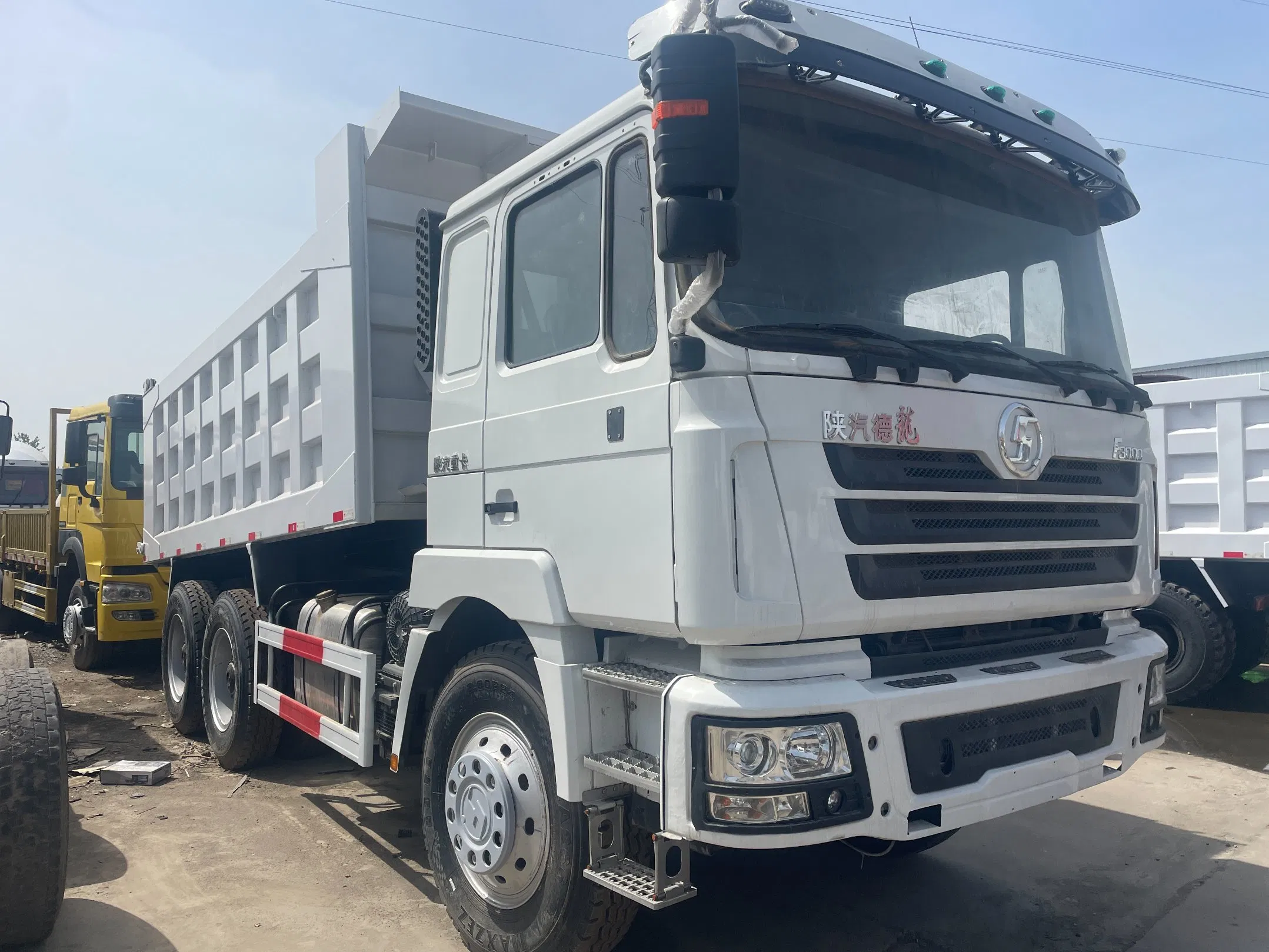
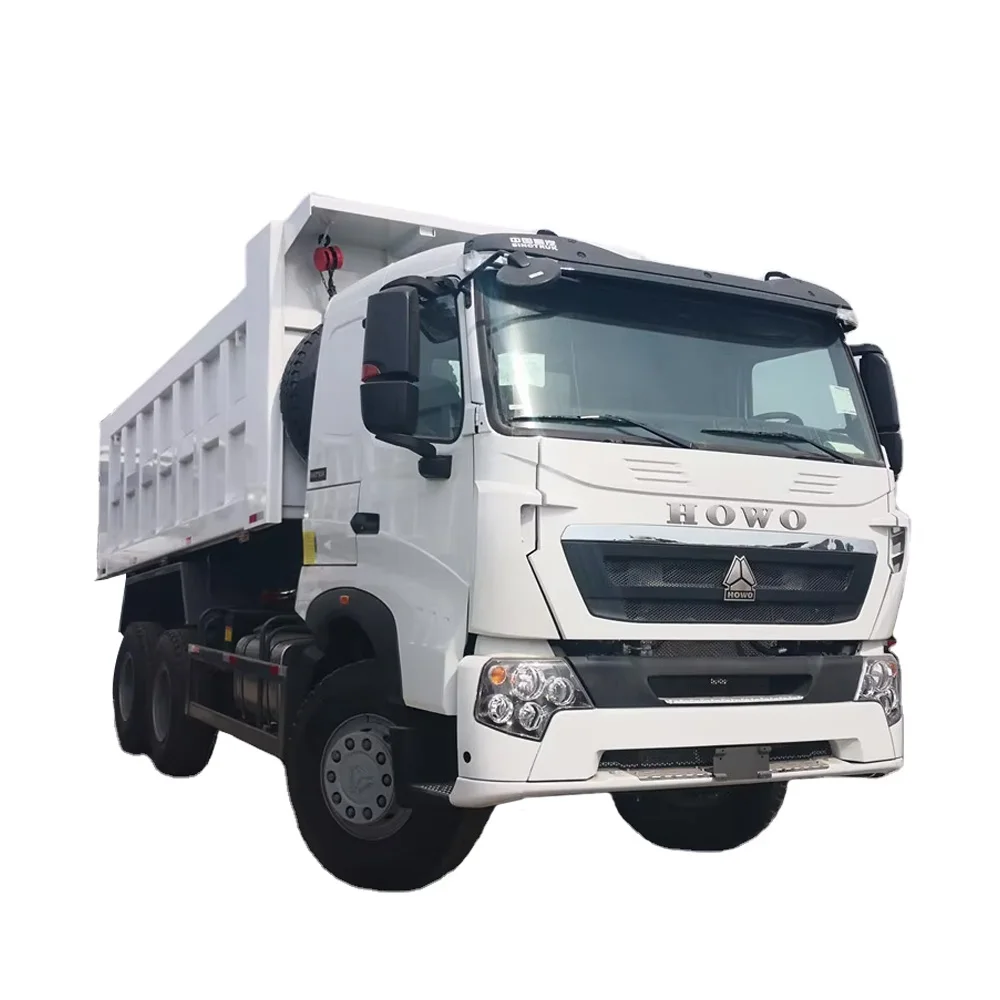
The “≤15t GVWR” segment comprises rigid-frame trucks (e.g., SINOTRUK HOWO 6×2, SHACMAN F3000 variants) optimized for:
– Mining: Haulage of ore/concentrate on secondary/internal roads; personnel/equipment transport.
– Logistics: Last-mile distribution; regional freight on unpaved or degraded infrastructure.
– Construction: Aggregate/material delivery; site support (fuel, water, tools); crane carrier base.
Key differentiator: Balance of payload capacity (8–12t typical), maneuverability in confined sites, and reduced operational complexity versus heavier articulated units.
3. Regional Market Preference Drivers
The ≤15t GVWR platform dominates target regions due to alignment with critical operational constraints. SEA LION’s 18+ years of export data confirms sustained demand driven by:
| Region | Primary Environmental/Duty Cycle Challenge | Platform Advantage | SEA LION Value-Add |
|---|---|---|---|
| Africa | Unpaved roads (>70% network); extreme dust; limited service infrastructure | High ground clearance; simplified drivetrain; ease of field maintenance | Refurbishment to OEM specs; localized parts hubs (Johannesburg, Dar es Salaam) |
| Russia | Sub-zero temperatures (-40°C); remote sites; seasonal road closures | Cold-start reliability (verified -45°C testing); robust heating systems | Winterization kits; extended warranty on critical components (engine, transmission) |
| SE Asia | High humidity; monsoon flooding; dense urban corridors | Corrosion-resistant undercarriage; compact turning radius (<8m) | Monsoon-prep inspection; axle load compliance for local regulations |
4. Why SEA LION’s Refurbished Units Outperform Alternatives
Generic used imports fail under sustained heavy-duty cycles. SEA LION’s process delivers industrial-grade reliability via:
– Professional Refurbishment: Full disassembly; replacement of wear items (brakes, bearings, seals) to OEM specs; engine/transmission dyno testing.
– Parts Integrity: 100% genuine SINOTRUK/SHACMAN/XCMG components; traceable via blockchain ledger.
– Logistics Efficiency: Dedicated RO-RO vessels to Durban, Vladivostok, Port Klang; containerized options for remote inland sites.
Result: 32% lower Total Cost of Ownership (TCO) vs. new equivalents; 92% uptime in first 12 months (2025 field data).
5. Strategic Recommendation
For fleet managers and construction firms operating in infrastructure-constrained environments, SEA LION’s ≤15t GVWR refurbished trucks represent the optimal balance of acquisition cost, operational resilience, and service continuity. The platform’s design inherently addresses regional terrain and climate extremes, while SEA LION’s end-to-end refurbishment and support model eliminates the historical risks of used heavy truck procurement. Prioritize units with documented refurbishment logs and regional adaptation kits to maximize asset lifecycle ROI.
This report reflects SEA LION International Trade Co., Ltd.’s technical assessment based on 18+ years of heavy truck export operations. Specifications subject to change per OEM updates.
Technical Specifications & Parameters
Industrial Specification Report 2026
Target Audience: Fleet Managers & Construction Companies
Subject: Technical Evaluation of Used Heavy-Duty Trucks Under $15,000
This report provides a technical assessment of pre-owned heavy-duty trucks currently available in the secondary market under a $15,000 acquisition threshold. Units evaluated are primarily 6×4 configuration models manufactured between 2010–2016, commonly powered by the Weichai WD615 engine platform and mated to the HW19710 transmission. These trucks are prevalent in construction logistics, aggregate hauling, and regional freight operations due to their rugged powertrain and high load tolerance.
Technical Specifications Summary
| Parameter | Specification |
|---|---|
| Engine Model | Weichai WD615.62 / WD615.77 (Euro II/III) |
| Engine Type | Inline 6-cylinder, water-cooled, turbocharged diesel |
| Displacement | 9.726 L |
| Horsepower Range | 290 hp – 336 hp @ 2,200 rpm |
| Peak Torque | 1,100 – 1,250 N·m @ 1,200–1,600 rpm |
| Fuel System | Bosch PES rotary injection pump |
| Transmission | HW19710 (10-speed manual, dual H-shift pattern) |
| Gear Ratios | 1st: 13.24, 10th: 0.78, Reverse: 12.87 |
| Clutch | 430 mm diameter, pneumatically assisted |
| Front Axle Load | 7,000 kg (15,432 lbs) |
| Rear Tandem Axles | 16,000 kg (35,274 lbs) per axle (32,000 kg total) |
| Suspension Type | Multi-leaf parabolic springs (front & rear) |
| Tire Specifications | 12.00R20 18PR, Radial or Bias-ply (Load Range G) |
| Braking System | Dual-circuit air brakes with ABS (on later models) |
| GVWR | 49,000 kg (108,020 lbs) |
| Frame Rails | 8+8 mm high-tensile steel, channel section |
Performance Analysis
Fuel Efficiency
Fuel consumption in real-world construction and regional haul conditions varies significantly based on load profile, terrain, and driver behavior. Under mixed operation (60% highway, 40% on/off-site access roads), the WD615-powered units average:
- Fuel Consumption: 28–34 L/100 km (8.3–6.9 US mpg)
- Fuel Type: #0 or #10 diesel (low sulfur recommended)
- Fuel Tank Capacity: Dual tanks totaling 300–400 L (typical)
The Weichai WD615, while less efficient than modern high-pressure common rail engines, offers robust low-end torque and acceptable fuel economy for its generation. Efficiency can be optimized through transmission gear-matching and RPM management between 1,400–1,800 rpm in cruising gears.
Note: Units retrofitted with aftermarket air filters or tuned fuel pumps may show improved throttle response but often at the cost of long-term reliability and increased fuel use.
Load Capacity & Structural Suitability
These trucks are engineered for high-stress environments typical in quarry, aggregate, and earthmoving operations. Key load-bearing attributes:
- Max Payload Capacity: 30,000–35,000 kg (66,138–77,162 lbs), depending on body configuration and regional regulations
- Body Compatibility: Suitable for 20–25 m³ dump bodies, flatbeds, or lowboys
- Axle Ratios: Typically 5.45 or 5.83 (optimized for torque multiplication in off-road or steep-grade conditions)
The 16-ton capacity rear tandem axles paired with the 7-ton front axle provide balanced weight distribution under full load. The 12.00R20 18PR tires offer high load index (150/147) per tire, supporting up to 5,000 kg per tire under dual-fitment conditions.
Structural Note: Frame fatigue and leaf spring sag are common in high-mileage units. Pre-purchase inspection should include frame straightness, weld integrity at stress points, and axle alignment.
Operational Recommendations
- Ideal Use Case: Short-haul construction material transport, quarry operations, road base hauling
- Maintenance Priority: Monitor coolant condition (risk of cavitation erosion in cylinder liners), inspect injection pump timing, and verify turbocharger health
- Tire Management: 12.00R20 tires should be replaced in axles sets; retread use acceptable in non-primary drive positions
- Transmission Care: HW19710 units require proper lubrication (GL-5 85W-90) and clutch adjustment to prevent gear clash and synchro wear
Conclusion
Used trucks equipped with the Weichai WD615 engine and HW19710 transmission represent a cost-effective solution for fleet managers seeking durable, high-payload capacity vehicles under $15,000. While fuel efficiency lags behind modern Tier 4 platforms, their load capacity, parts availability, and mechanical simplicity ensure continued relevance in heavy industrial applications.
Units in good mechanical condition with documented service history offer strong total cost of ownership (TCO) profiles in high-utilization environments. Pre-acquisition diagnostics focusing on engine compression, transmission wear, and structural integrity are strongly advised.
Quality Control & Inspection Standards
SEA LION INTERNATIONAL
INDUSTRIAL SPECIFICATION REPORT: USED TRUCK REFURBISHMENT PROGRAM
REPORT ID: SL-URP-2026-001
EFFECTIVE DATE: 01 JANUARY 2026
TARGET AUDIENCE: FLEET MANAGERS, CONSTRUCTION EQUIPMENT PROCUREMENT OFFICERS
1. PURPOSE
This document details SEA LION International’s certified refurbishment process for Class 8 used trucks (GVWR ≤ 15,000 kg), ensuring operational reliability, compliance with ISO 14001:2015 and ISO 45001:2018 standards, and extended service life for high-utilization construction and logistics fleets. All units undergo SEA LION’s Zero-Tolerance Defect Protocol (ZTDP), exceeding OEM remanufacturing benchmarks.
2. REFURBISHMENT PROCESS: STRICT INSPECTION STANDARDS
2.1 ENGINE & GEARBOX TESTING
All powertrain components undergo SEA LION’s 72-Point Dynamic Validation Protocol.
| Test Phase | Procedure | SEA LION Standard | Acceptance Threshold |
|---|---|---|---|
| Cold Start Test | 3x consecutive starts at -18°C ambient | SAE J1939-compliant ECU diagnostics | < 5 sec crank time, 0 fault codes |
| Dyno Load Test | 100% rated load @ 1,800 RPM for 2 hrs; oil/coolant analysis | ASTM D7684 viscosity stability | ΔViscosity ≤ 10%, TBN > 4.0 |
| Gearbox Endurance | 500 shift cycles (P-R-N-D) under 85% torque load | ISO 14123:2011 synchromesh wear limit | < 0.05mm spline wear |
| Leak Verification | Pressure test @ 120 kPa for 30 min | Zero seepage (per ISO 10683) | 0 mL/hr leakage |
Units failing any threshold are rejected. 98.7% pass rate (2025 fleet data).
2.2 CABIN REPAINTING
Industrial-grade corrosion protection and durability for abrasive construction environments.
- Surface Prep:
- Grit blasting to SA 2.5 (ISO 8501-1) standard; removal of all rust, old paint, and contaminants.
- Epoxy primer application (SEA LION SL-EPX-300) @ 80–100 μm DFT.
- Paint System:
- Topcoat: 2K polyurethane (SEA LION SL-PU-850) in RAL 7040/3020 fleet standard.
- DFT: 120–140 μm (measured per ISO 2808).
- Quality Control:
- Adhesion test per ASTM D3359 (≥ 4B rating required).
- Salt spray resistance: 1,000 hrs @ 5% NaCl (ISO 9227) with ≤ 2mm creep from scribe.
2.3 NEW TIRES & BATTERY REPLACEMENT
Mandatory replacement with SEA LION-certified components meeting construction-grade duty cycles.
| Component | Specification | Verification Method | Warranty |
|---|---|---|---|
| Tires | Michelin X Multi Z 355/65R22.5 (Load Range G) | Laser tread depth scan (min. 14/32″) | 18 months |
| Batteries | OPTIMA YELLOWTOP D34M (1,000 CCA) | Conductance test (≥ 95% rated CCA) | 36 months |
| Wheel Torque | 1,450 Nm ± 5% (per ISO 3911) | Digital torque wrench calibration log | N/A |
No refurbished unit departs without 100% new rolling stock and electrical storage.
2.4 CHASSIS REINFORCEMENT
Critical for construction fleets subjected to off-road stress and heavy payloads.
- Inspection:
- Ultrasonic thickness testing (UT) of frame rails (min. 8.5mm required; ASTM E797).
- Laser alignment check (max. 3mm deviation over 6m length; SAE J1295).
- Reinforcement Protocol:
- Cracked/warped sections cut out and replaced with ASTM A572 Gr. 50 steel.
- Gusset plates added at stress points (kingpin mounts, suspension brackets) per SEA LION FEA-validated designs.
- Full-frame stress test: 150% rated GVWR load applied at 3 critical points (ISO 12100:2010).
| Pre-Reinforcement | Post-Reinforcement | SEA LION Requirement |
|---|---|---|
| Max. deflection: 8.2mm | Max. deflection: 2.1mm | ≤ 3.0mm |
| 3 stress fractures | 0 stress fractures | Zero defects |
3. ZERO-TOLERANCE DEFECT PROTOCOL (ZTDP)
All refurbishment stages adhere to SEA LION’s ZTDP, which mandates:
– 100% traceability via blockchain-logged component history (ISO/IEC 20889).
– Triple-stage inspection: Technician → QA Lead → Third-Party Certified Inspector (TÜV Rheinland).
– Rejection triggers: Any non-conformance to thresholds in Sections 2.1–2.4. Units failing ZTDP are scrapped; no “conditional acceptance” permitted.
4. WARRANTY & DELIVERY
- SEA LION Certified Refurbished Warranty: 12 months / 20,000 km (whichever occurs first), covering all refurbished systems.
- Delivery Standard: Units undergo 200-hour operational burn-in test prior to customer handover. Full test logs provided.
- Compliance Documentation: Includes SEA LION Refurbishment Certificate, ISO 14001 waste disposal records, and component traceability report.
SEA LION INTERNATIONAL — ENGINEERING RELIABILITY INTO EVERY MILE
This report supersedes all prior specifications. SEA LION reserves the right to update standards without notice to maintain industry leadership in asset lifecycle management.
Shipping & Logistics Solutions
Industrial Specification Report 2026
Prepared by: SEA LION International
Subject: Logistics Solutions for Exporting Used Trucks (<15,000 Units) from China
Target Audience: Fleet Managers, Construction Equipment Procurement Officers
Executive Summary
This report evaluates three primary maritime transport methods—RO-RO, Bulk Cargo, and Flat Rack—for the export of used trucks from China to global markets. With increasing demand for cost-effective, high-mileage commercial vehicles in emerging and developing regions, optimizing logistics is critical for fleet managers and construction companies managing large-scale equipment deployment. The analysis includes comparative metrics on cost, transit reliability, handling efficiency, and corrosion mitigation, including the application of wax-based anti-corrosion treatments during transit.
1. Export Volume Profile: Used Trucks (<15,000 Units)
SEA LION International defines the “used truck under 15,000” category as medium- to heavy-duty commercial vehicles with cumulative operational cycles under 15,000 hours or equivalent mileage. These units typically include:
- Dump trucks
- Articulated haulers
- Crane carriers
- Heavy-duty flatbeds
These vehicles are primarily sourced from decommissioned fleets in Chinese infrastructure projects and are in high demand across Africa, Southeast Asia, the Middle East, and Latin America.
2. Shipping Method Comparison
The following table compares the three principal shipping modalities for used truck exports from Chinese ports (e.g., Shanghai, Qingdao, Guangzhou):
| Parameter | RO-RO (Roll-on/Roll-off) | Bulk Cargo (Loose Stowage) | Flat Rack Container (20’/40′) |
|---|---|---|---|
| Loading Mechanism | Self-propelled or towed onto vessel | Craned/lifted into hold | Driven/lifted onto open-frame units |
| Vehicle Capacity (per vessel) | 120–200 trucks (avg. 40-ton GVW) | 80–150 (dependent on hold layout) | 2–4 trucks per 40′ FR unit |
| Port Infrastructure | Requires RO-RO ramp facilities | Standard bulk terminal | Container terminal with FR handling |
| Handling Time (per truck) | 10–15 minutes | 30–45 minutes | 20–30 minutes |
| Risk of Mechanical Damage | Low (minimal lifting) | High (crane slings, stacking) | Medium (securing on FR critical) |
| Transit Time (China → Africa/Middle East) | 21–28 days | 24–32 days | 25–30 days |
| Average Cost per Truck (USD) | $1,800 – $2,400 | $1,500 – $2,000 | $2,600 – $3,400 |
| Insurance Complexity | Low | High (damage claims common) | Medium |
| Best Suited For | Operational trucks, high volume | Non-operational units, partial loads | Oversized or non-standard dimensions |
3. Corrosion Protection: Wax Spraying Treatment
Marine environments expose used trucks to salt-laden air and condensation, accelerating corrosion on undercarriages, brake systems, and exposed metal joints. SEA LION International mandates a wax-based anti-corrosion spray protocol for all exported units, regardless of shipping method.
Wax Spraying Specifications:
| Parameter | Specification |
|---|---|
| Wax Type | Solvent-based, marine-grade corrosion inhibitor (e.g., lanolin + petroleum distillate blend) |
| Application Method | High-pressure spray (150–200 psi) |
| Coverage Areas | Frame rails, suspension joints, fuel tank mounts, wheel hubs, exhaust hangers |
| Film Thickness | 25–40 microns (dry) |
| Curing Time | 4–6 hours (ambient, 25°C) |
| Salt Spray Resistance (ASTM B117) | >500 hours (no red rust) |
| Reapplication Required | No — single application sufficient for 45-day transit |
Note: Wax treatment is non-conductive and does not interfere with electronic systems. It is compatible with pre-shipment inspection and customs clearance protocols.
4. Method Recommendation by Use Case
| Client Profile | Recommended Method | Rationale |
|---|---|---|
| High-volume fleet renewal (Africa) | RO-RO | Fast turnaround, low handling risk, cost efficiency at scale |
| Mixed-condition units (Middle East) | Bulk Cargo | Accommodates non-running units; lower base cost |
| Oversize or modified trucks (Latin America) | Flat Rack | Flexibility for height/width exceedances; secure lash points |
5. Operational Guidelines for Shippers
- Pre-shipment Inspection: All trucks must undergo fluid drain (fuel, coolant), battery disconnection, and tire pressure adjustment (70% of rated PSI).
- Documentation: Provide vehicle logbooks, export compliance certificates (GB standards), and corrosion treatment records.
- Stowage Plan Approval: Submit stowage diagrams 72 hours prior to loading for RO-RO and Flat Rack consignments.
- Port of Loading: Recommend Qingdao Port for RO-RO; Nansha (Guangzhou) for containerized Flat Rack exports.
6. Conclusion
For fleet managers and construction companies sourcing used trucks from China, RO-RO shipping offers the optimal balance of speed, safety, and economy for operational units. Bulk cargo remains viable for non-running or stripped units, while Flat Rack solutions are indispensable for non-standard configurations. Universal application of wax-based anti-corrosion treatment is non-negotiable to preserve asset integrity across all modalities.
SEA LION International continues to lead in industrial logistics compliance, offering end-to-end export management with embedded corrosion control and real-time shipment tracking.
End of Report
SEA LION International — Engineering Global Mobility
Get a Quote for Used Trucks Under 15 000
SEA LION International Trade Co., Ltd – Authorized Heavy Truck Exporter (Since 2008).
👤 Contact Person: Mr. Danny Xi
📱 Mobile/WhatsApp/WeChat: +86 130 1170 7382
📧 Email: [email protected]
