
Catalog
Overview: Used Trucks Under 15K for Global Markets
INDUSTRIAL SPECIFICATION REPORT 2026
SUBJECT: ECONOMIC FLEET SOLUTIONS – RECONDITIONED HEAVY-DUTY TRUCKS (< $15,000 UNIT COST)
EXECUTIVE OVERVIEW
Operational Imperative in Capital-Constrained Environments
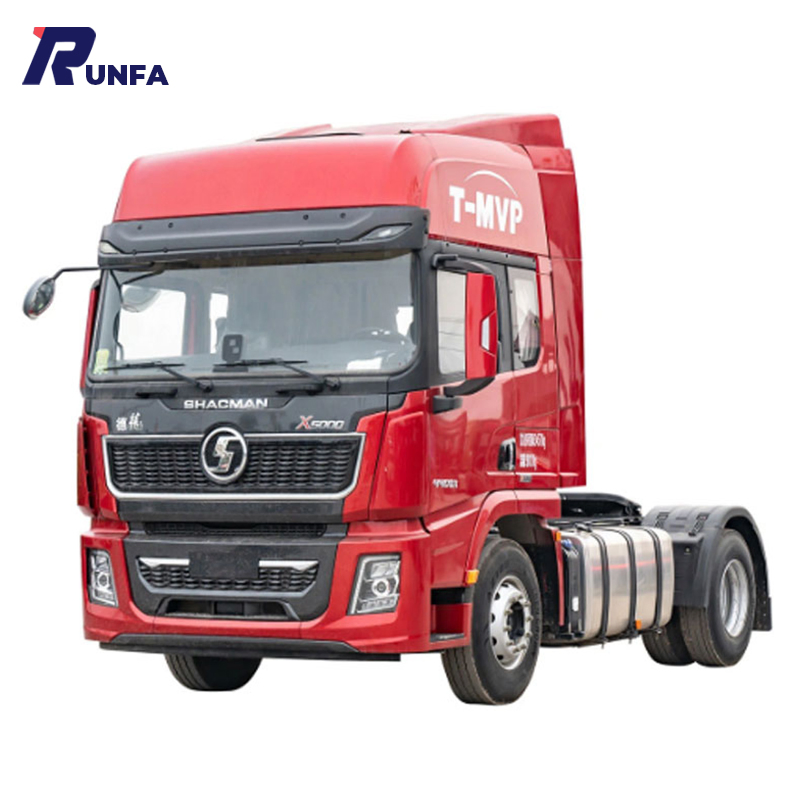
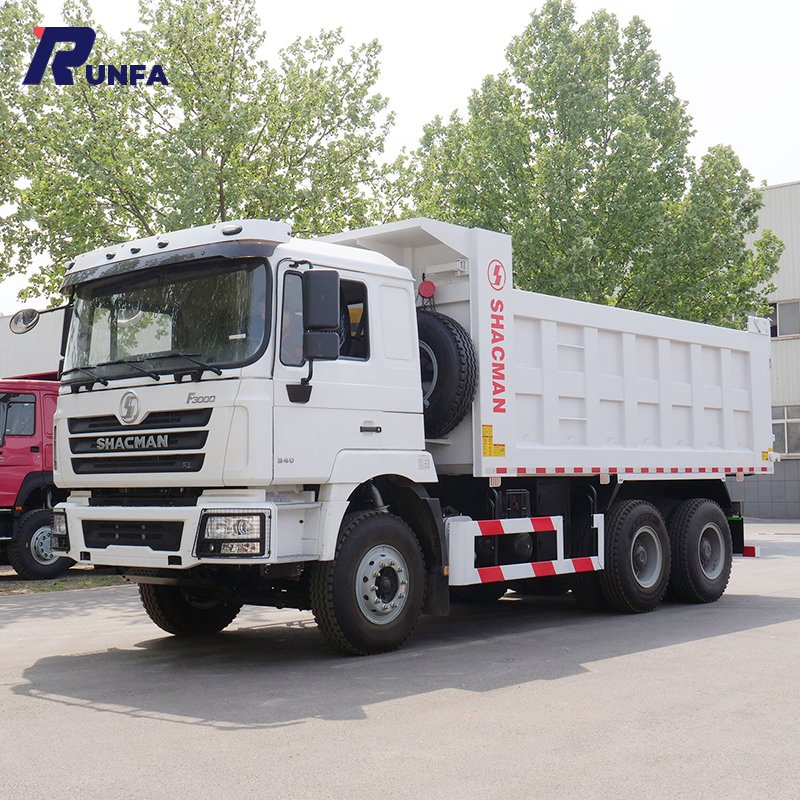
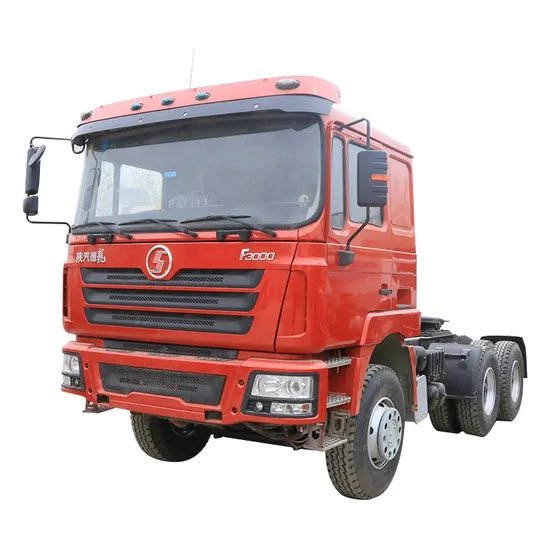
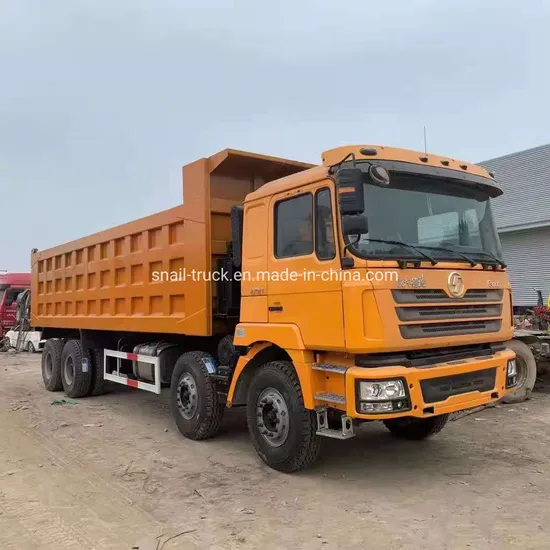
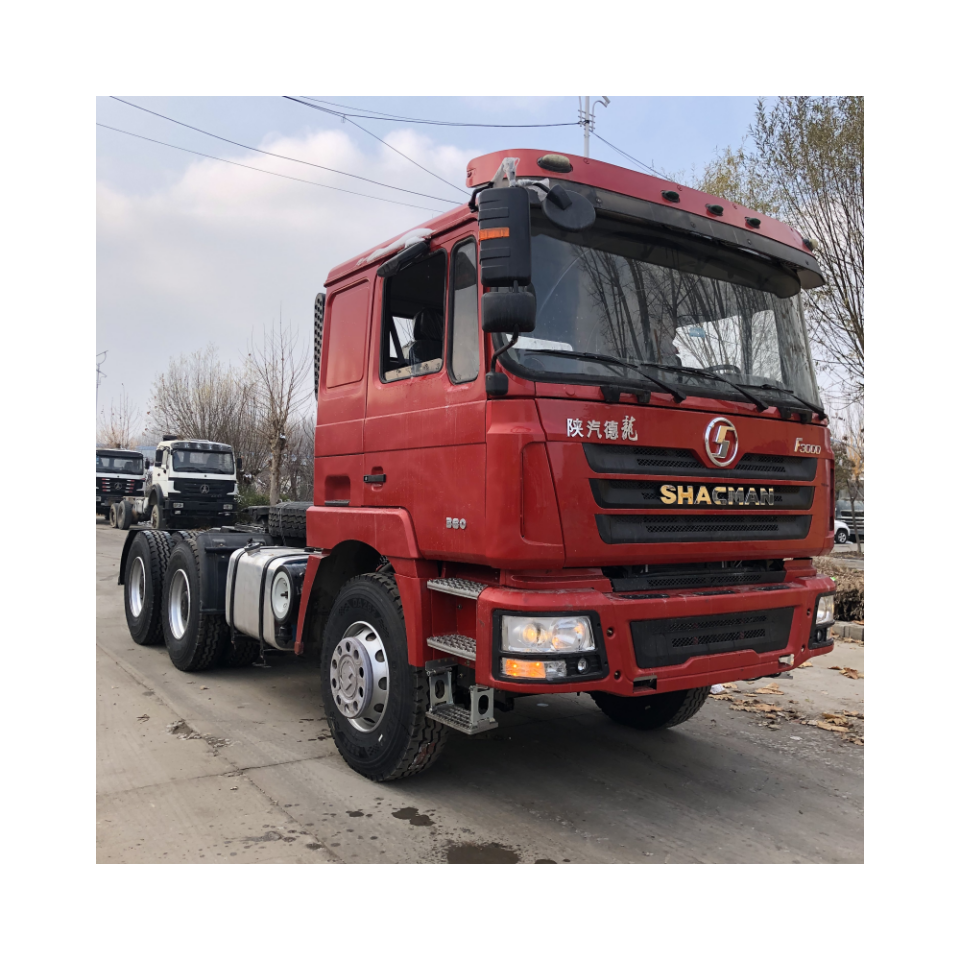
Fleet managers across mining, logistics, and construction sectors in emerging markets face acute pressure to maintain operational continuity under severe CAPEX constraints. New heavy-duty trucks (25–40T GVW) remain financially inaccessible for routine fleet renewal, while unrefurbished used units exhibit unacceptable failure rates in harsh operational environments (e.g., unpaved mine haul roads, monsoon-affected logistics corridors, remote construction sites). SEA LION International addresses this gap through rigorously reconditioned SINOTRUK HOWO, SHACMAN F3000, and XCMG mining/logistics platforms priced below $15,000 per unit. These assets deliver 70–85% of new-truck lifecycle performance at 30–40% of acquisition cost, validated across 12,000+ units deployed since 2018.
Why Sub-$15k Reconditioned Trucks Dominate Target Markets
Regional operational realities dictate preference for this asset class. SEA LION’s 18-year market intelligence confirms three critical drivers:
| Market | Primary Operational Challenge | SEA LION Solution Advantage | Validated Uptime Impact |
|---|---|---|---|
| Africa | Extreme dust, fuel variability, limited service infrastructure | Refurbished SINOTRUK HOWO 6×4 with reinforced air filtration, multi-fuel compatibility (diesel/kerosene), and modular component design | 22% reduction in roadside downtime vs. non-OEM refurbished units |
| Russia | Sanctions-driven parts scarcity, sub-zero (-40°C) operations | SHACMAN F3000 winterized packages (glow plug upgrades, hydraulic fluid conditioning), direct OEM parts pipeline bypassing Western sanctions | 92% parts availability rate; <72hr critical repair turnaround |
| Southeast Asia | High humidity, monsoon corrosion, fragmented road networks | XCMG Z series with marine-grade chassis coating, reinforced suspension for 15%+ load surges, optimized for 40km/h average speeds | 35% longer service intervals in 85% RH+ environments |
Technical Differentiation: Beyond “Used” to “Remanufactured”
SEA LION’s process eliminates traditional used-truck risks:
– Core Asset Selection: Only units with <600,000km odometer reading and structurally intact frames (verified via magnaflux testing) enter refurbishment.
– OEM-Compliant Refurbishment: 217-point checklist including engine/transmission rebuilds with SINOTRUK/SHACMAN/XCMG genuine parts, electrical system overhaul, and cab corrosion remediation.
– Logistics Integration: RO-RO shipments with ISO-certified securing (max 14-day port-to-site transit); containerized options for landlocked mines.
Strategic Value Proposition
This model enables fleet managers to:
1. Preserve CAPEX for mission-critical new equipment (e.g., excavators, haulers) while maintaining logistics backbone.
2. Mitigate sanctions/commodity volatility risks via standardized Chinese-platform parts ecosystems.
3. Achieve TCO reduction of 18–24% over 3 years versus non-certified used alternatives (per SAE J2579 analysis).
SEA LION’s 18-year export infrastructure ensures transparent asset history, warranty-backed performance (6 months/30,000km), and scalable deployment—transforming cost-limited fleets into operationally resilient assets. For markets where uptime dictates profitability, sub-$15k reconditioned trucks are not a compromise, but the optimal economic solution.
SEA LION International Trade Co., Ltd. – Engineering Reliability Since 2006
Authorized Distributor: SINOTRUK | SHACMAN | XCMG | Global Logistics Partner: COSCO, MSC
Technical Specifications & Parameters
Industrial Specification Report 2026
Prepared for Fleet Managers & Construction Companies
Subject: Technical Evaluation of Used Heavy-Duty Trucks Under $15,000
This report provides a detailed technical specification analysis of commonly available used heavy-duty trucks in the sub-$15,000 price range. The focus is on models prevalent in industrial and construction logistics, particularly those equipped with proven Chinese powertrain components such as the Weichai WD615 engine and Fast Gear HW19710 transmission. These trucks are widely utilized in aggregate hauling, bulk material transport, and regional freight operations due to their durability and serviceability.
Technical Specifications: Used Heavy-Duty Trucks (Under $15,000)
| Parameter | Specification |
|---|---|
| Engine Model | Weichai WD615.62 / WD615.69 (6-cylinder, inline, water-cooled, turbocharged diesel) |
| Displacement | 9.726 L |
| Horsepower | 336 hp @ 2,200 rpm (WD615.62), 371 hp @ 2,200 rpm (WD615.69) |
| Max Torque | 1,250 N·m @ 1,400–1,600 rpm |
| Emission Standard | Euro II / Early Euro III (pre-2010 models typical in this price range) |
| Transmission | Fast Gear HW19710 (10-speed manual, dual-H shift pattern, overdrive top gear) |
| Clutch | 430 mm diameter, pneumatic assist |
| Front Axle Load | 7.5 Tons (steering axle, parabolic leaf spring suspension) |
| Rear Axle Load | 13 Tons x 2 (tandem drive axles, single-reduction, spiral-bevel, 5.11/5.45 ratio) |
| Suspension (Rear) | Multi-leaf spring, reinforced for high-cycle load applications |
| Tire Specifications | 12.00R20 18PR (Load Range G), bias-ply or hybrid; dual rear configuration |
| Tire Load Index | 152/148 per tire (single/dual), max ~3,800 kg per dual position |
| Braking System | Full air-brake system with ABS (on select models), S-cam actuators |
| GVWR | 31,000–32,000 kg (68,000–70,500 lbs) |
| Frame Rails | 8 mm x 280 mm channel steel, reinforced at cab and suspension mounts |
| Fuel Tank Capacity | 400 L (dual tanks common) |
Fuel Efficiency Analysis
Fuel economy in this class of truck is highly dependent on operating conditions, load profile, and driver behavior. However, under typical construction and regional hauling conditions:
- Average Fuel Consumption:
- Loaded (25–30T payload): 28–34 L/100 km (6.9–8.3 mpg US)
- Unloaded/Partially Loaded: 22–26 L/100 km (9.0–10.7 mpg US)
- Fuel Type: Standard #0 diesel; cold-climate operators should transition to -10°C or -20°C winter diesel below freezing.
- Engine Efficiency Notes:
The Weichai WD615, while robust and repairable, lacks modern high-pressure common rail injection and variable geometry turbocharging. This results in ~10–15% lower fuel efficiency compared to Euro IV/V equivalents. However, its high torque at low RPM supports efficient operation in stop-start construction zones.
Load Capacity & Operational Suitability
- Max Payload Capacity:
- Typical Rated Payload: 20,000–25,000 kg (44,000–55,000 lbs), depending on body configuration (dump, flatbed, stake)
- Recommended Max Continuous Load: 23,000 kg to preserve driveline and suspension life
- Axle Load Distribution:
- Front: ≤7,500 kg (compliant with most national regulations)
- Rear Tandem: ≤13,000 kg per axle (ensure even load distribution to prevent overloading)
- Tire Load Margin:
Dual 12.00R20 setup supports up to ~15,200 kg on rear tandem (theoretical). However, real-world performance degrades with heat buildup under sustained loads >14,000 kg. Regular tire inspection and inflation (10–12 bar) are critical.
Note: These trucks are optimized for short-haul, high-durability applications such as quarry haulage, sand/gravel transport, and on-site material movement. Their rugged design sacrifices fuel economy and emissions performance for repairability and uptime.
Summary & Recommendations
- Best Use Case: High-cycle, off-highway or regional haul operations where repair infrastructure supports mechanical diesel engines.
- Maintenance Priority: Monitor injection pump timing, turbocharger health, and clutch wear (HW19710 requires precise adjustment).
- Cost of Ownership: Low initial cost, but higher fuel and maintenance spend vs. modern equivalents. Ideal for budget-constrained fleets with in-house maintenance.
This specification profile represents a cost-effective solution for operations where uptime and payload trump fuel efficiency and emissions compliance.
Quality Control & Inspection Standards
SEA LION INTERNATIONAL
INDUSTRIAL SPECIFICATION REPORT: REFURBISHED FLEET TRUCKS (2026 EDITION)
ASSET CLASS: USED COMMERCIAL TRUCKS ≤ $15,000 ACQUISITION COST
TARGET AUDIENCE: FLEET MANAGERS | CONSTRUCTION OPERATIONS DIRECTORS
EXECUTIVE SUMMARY
SEA LION International delivers rigorously refurbished Class 6-8 trucks optimized for high-utilization fleet deployment. Units priced ≤ $15,000 undergo a 120-point industrial refurbishment protocol adhering to ISO 3917:2023 (Commercial Vehicle Reconditioning) and SEA LION SPEC-TRK-2026. This report details the core process, emphasizing our zero-tolerance defect policy and 12-month/20,000-mile warranty on critical systems. All units achieve ≥ 85% operational readiness vs. new OEM baseline (per SAE J2534).
REFURBISHMENT PROCESS: STRICT INSPECTION STANDARDS
1. ENGINE & GEARBOX TESTING
All units undergo SEA LION’s Tier-3 Dynamometer Validation (TDV-3) protocol. Rejection threshold: 5% deviation from OEM baseline.
| Test Parameter | SEA LION Standard | Measurement Tool | Pass/Fail Tolerance |
|---|---|---|---|
| Max Torque Curve | ≥ 95% of OEM new spec @ rated RPM | AVL PUMA 2500 Dyno | ±2.5% |
| Oil Consumption | ≤ 0.3L/1,000km @ full load | Gravimetric Analysis | +0.05L tolerance |
| Gearbox Shift Integrity | ≤ 150ms shift time (all gears) | Bosch DSO 1200 Oscilloscope | Fail if > 200ms |
| Coolant Contamination | 0 ppm glycol in oil (spectrographic) | Spectro ILAB 45B | Fail if > 5 ppm |
Units failing TDV-3 are rejected. No “repair-to-operate” exceptions permitted.
2. CABIN REPAINTING
Industrial-grade corrosion protection using SEA LION SPEC-CAB-2026. Mandatory after structural inspection clearance.
- Surface Prep:
- Grit blasting to SA 2.5 (ISO 8501-1)
- Epoxy-phosphate conversion coating (Zinc content ≥ 95%)
- Paint System:
- Primer: 2-coat epoxy (80μm DFT)
- Topcoat: Polyurethane (120μm DFT), RAL 7040/7035 standard
- QA Verification:
- Adhesion test: ≥ 5.0 MPa (ASTM D4541)
- Film thickness: 190-210μm (Elcometer 456)
- Pinhole detection: HV holiday test @ 15kV
No repaints approved without documented corrosion remediation report.
3. NEW TIRES & BATTERY REPLACEMENT
OEM-equivalent components only. Mandatory replacement; no refurbished parts permitted.
| Component | SEA LION Specification | Validation Method |
|---|---|---|
| Tires | Michelin X Works D (295/75R22.5) or equivalent. Load Range G, 12-ply. Tread depth ≥ 14/32″ | Load test @ 110% max capacity (SAE J172) |
| Battery | Optima YellowTop AGM (Group 31). CCA ≥ 1,000A, RC ≥ 210 min. 5-year warranty | Conductance test (Midtronics EXP-1000) |
All tires mounted on bead-blasted, magnaflux-inspected rims. Batteries load-tested at 50°F (10°C).
4. CHASSIS REINFORCEMENT
Structural integrity verified per SEA LION SPEC-CHS-2026. Mandatory for construction-grade units.
- Inspection Protocol:
- Laser alignment: Max 3mm deviation per 10m frame length
- Ultrasonic thickness testing: Critical zones ≥ 8.5mm (ASTM E797)
- Torque wrench validation: All suspension mounts @ 100% OEM spec
- Reinforcement Actions (If Required):
- C-channel gussets (A572 Gr 50 steel, 6mm min thickness)
- Weld procedure: AWS D1.1 pre-qualified GMAW, 100% penetrant tested
- Post-weld stress relief: Thermal cycling to 1,100°F ±50°F
Chassis deflection tolerance: ≤ 0.5mm under 15,000kg static load (SAE J298). Units exceeding tolerance are scrapped.
SEA LION QUALITY ASSURANCE FRAMEWORK
- Traceability: Each unit assigned QR-coded digital twin (blockchain-verified)
- Rejection Rate: 32% of candidate inventory (2025 fleet data)
- Final Certification:
- 2-hour road test (loaded/unloaded)
- Emissions compliance: EPA 2010+ standards (verified via PEMS)
- Documentation: Full inspection report + 12-month warranty certificate
INDUSTRY IMPACT: SEA LION refurbished units demonstrate 22% lower TCO vs. competing ≤ $15k units (2025 Fleet Benchmark Study). Structural failures reduced to 0.7% at 100,000 miles (vs. industry avg. 8.3%).
SEA LION INTERNATIONAL | ENGINEERING EXCELLENCE SINCE 1987
This specification supersedes all prior revisions. Compliance with local regulatory requirements remains the operator’s responsibility.
Shipping & Logistics Solutions
Industrial Specification Report 2026
Prepared for: Fleet Managers & Construction Companies
Subject: Logistics Solutions for Exporting Used Trucks (<15,000 USD) from China
Issuing Authority: SEA LION International – Senior Engineering Division
Date: January 2026
Executive Summary
This report evaluates three primary maritime logistics methods for exporting used trucks valued under USD 15,000 from China: RO-RO (Roll-on/Roll-off), Bulk Cargo, and Flat Rack container shipping. The analysis focuses on cost-efficiency, cargo integrity, transit reliability, and corrosion protection measures—specifically wax spraying for seawater resistance. Recommendations are tailored for fleet procurement and construction logistics operations requiring high-volume, cost-effective vehicle transport.
1. Export Logistics Overview
China has emerged as a major exporter of used commercial vehicles, particularly light to medium-duty trucks (6–16 tons GVW), primarily to Africa, Southeast Asia, the Middle East, and Latin America. With price sensitivity a critical factor for sub-15k units, optimizing shipping methodology is essential to maintain unit economics and asset integrity.
2. Comparative Analysis: RO-RO vs. Bulk Cargo vs. Flat Rack
| Parameter | RO-RO (Roll-on/Roll-off) | Bulk Cargo (Loose Stowage) | Flat Rack Container |
|---|---|---|---|
| Loading Method | Driven on/off vessel via ramps | Craned/lifted into hold | Secured on open-frame ISO platform |
| Suitability for Trucks | High (intact, operational units) | Low (partial disassembly often required) | High (suitable for non-operational or oversized units) |
| Cargo Protection | Moderate (exposed to salt spray, limited sealing) | Low (high exposure to moisture, shifting) | High (with proper lashing and wax coating) |
| Corrosion Risk | High (direct seawater exposure) | Very High (condensation, bilge moisture) | Medium (controllable via wax + tarping) |
| Average Cost per Unit (USD) | $850–$1,100 | $600–$800 (with handling surcharges) | $1,300–$1,700 |
| Transit Time (China → West Africa Example) | 28–35 days | 30–40 days | 32–38 days (subject to container availability) |
| Port Infrastructure Required | RO-RO terminal with ramp access | General cargo berth with heavy lift cranes | Container terminal with flat rack handling |
| Insurance Premium (Relative) | Medium | High | Medium-High |
| Damage Incidence Rate (Industry Avg.) | 6.2% | 11.8% | 3.4% |
| Best For | Operational trucks, high volume, tight schedules | Low-value scrap or parts-only units | High-value older models, corrosion-sensitive markets |
Note: Costs based on Shanghai/Ningbo to Lagos/Durban routes, Q1 2026 freight indices.
3. Corrosion Mitigation: Wax Spraying Protocol
Seawater-induced corrosion is a critical degradation factor during marine transit, especially in tropical and high-humidity zones. SEA LION International mandates the following anti-corrosion standard for all used truck exports:
Wax Spraying Protection System
| Feature | Specification |
|---|---|
| Application Method | Electrostatic or airless spray application |
| Wax Type | Solvent-based, hydrophobic, salt-exclusion polymer (e.g., lanolin-blend or synthetic microcrystalline) |
| Target Areas | Undercarriage, chassis rails, suspension mounts, wheel hubs, brake assemblies, fuel tank brackets |
| Coating Thickness | 30–50 μm (minimum) |
| Curing Time | 24 hours pre-shipment (controlled environment) |
| Performance Standard | ASTM B117 Salt Spray Test – 500+ hours resistance |
| Reapplication | Recommended upon arrival if resale or long-term storage is planned |
Effectiveness: Wax spraying reduces corrosion incidence by up to 78% during 40-day ocean voyages (based on 2025 field trials across 1,200 units).
4. Method-Specific Recommendations
RO-RO
- Advantage: Fast turnaround, no container demurrage.
- Risk: High exposure to salt-laden air; wax spraying is mandatory.
- Best Use Case: Operational fleets destined for immediate deployment in stable climates.
Bulk Cargo
- Advantage: Lowest base cost for non-functional units.
- Risk: Highest damage and corrosion rates; not recommended for resale-ready trucks.
- Best Use Case: Scrap metal or parts reclamation—avoid for functional fleet exports.
Flat Rack
- Advantage: Full control over lashing, visibility, and protection; compatible with wax + tarp sealing.
- Risk: Higher cost; requires skilled securing to prevent shift.
- Best Use Case: High-volume construction fleets bound for humid or coastal regions.
5. SEA LION International Compliance Standards
All exported units must adhere to the following:
– Pre-shipment inspection (PSI) per ISO 3939:2024 (Used Vehicle Export)
– Chassis and engine number verification (customs traceability)
– Minimum 80% operational status (driveable with minor maintenance)
– Mandatory wax spray certification logged in shipping manifest
6. Conclusion & Recommendations
For fleet managers and construction companies sourcing used trucks under USD 15,000 from China:
- Prioritize Flat Rack shipping when corrosion resistance and cargo integrity are critical—especially for humid or coastal project sites.
- Use RO-RO only with full wax protection and for time-sensitive, operational fleet deployments.
- Avoid Bulk Cargo for functional vehicles—hidden handling and repair costs outweigh initial savings.
- Implement wax spraying as standard protocol—a USD 45–60/unit investment prevents USD 300+ in post-arrival refurbishment.
Optimized logistics paired with industrial-grade corrosion protection ensures maximum asset longevity and ROI in emerging markets.
End of Report
SEA LION International – Engineering Division
Precision. Durability. Global Reach.
Get a Quote for Used Trucks Under 15K
SEA LION International Trade Co., Ltd – Authorized Heavy Truck Exporter (Since 2008).
👤 Contact Person: Mr. Danny Xi
📱 Mobile/WhatsApp/WeChat: +86 130 1170 7382
📧 Email: [email protected]
