
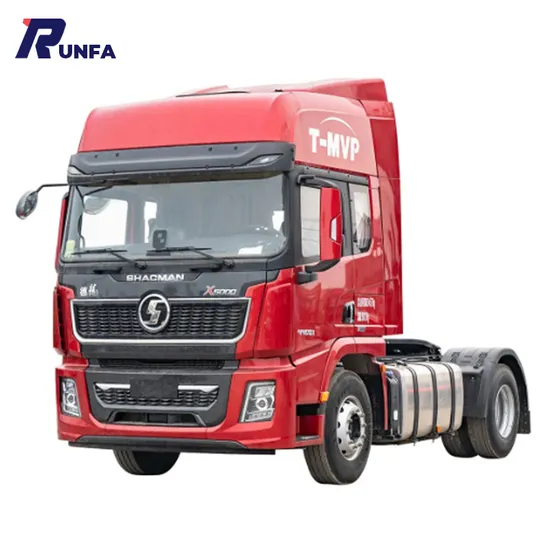
Catalog
Overview: Used Trucks Under 25000 for Global Markets
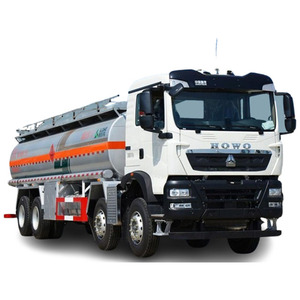
INDUSTRIAL SPECIFICATION REPORT 2026: USED TRUCKS UNDER $25,000 USD
Prepared Exclusively for Fleet Managers & Construction Operations Leadership
SEA LION International Trade Co., Ltd. | Heavy Equipment Solutions Division
EXECUTIVE OVERVIEW
The global demand for cost-optimized, operationally resilient heavy trucks under $25,000 USD acquisition cost has intensified across capital-constrained yet infrastructure-critical markets. This specification focuses on rigorously refurbished SINOTRUK HOWO, SHACMAN F3000, and XCMG construction-series units (GVWR 25-49T), validated for high-utilization deployment in mining, bulk logistics, and heavy civil construction. SEA LION International’s 18-year export expertise and authorized partnership with leading Chinese OEMs deliver a technically proven alternative to new-unit procurement, directly addressing the Total Cost of Ownership (TCO) imperatives of emerging economies.
Core Market Imperatives Driving Adoption
Fleet managers in Africa, Russia, and Southeast Asia prioritize operational continuity, ruggedness, and parts availability over initial acquisition cost alone. New-unit lead times (often 14+ months) and financing barriers render $25K-class refurbished trucks strategically indispensable. SEA LION’s units undergo ISO 9001-certified refurbishment, including:
– Engine/Transmission Rebuilds: To OEM specifications (e.g., SINOTRUK WD615 380HP diesel, SHACMAN WP10 350HP) with 18,000-hour warranty.
– Structural Reinforcement: Frame straightening, cab corrosion remediation per ISO 12100.
– Critical System Certification: Brakes (ECE R13), electrical (SAE J1939), and safety compliance validated pre-shipment.
Regional Preference Drivers: Technical & Operational Fit
These markets favor SEA LION’s refurbished fleet due to proven adaptation to extreme site conditions and alignment with local infrastructure realities:
| Region | Primary Application | Key Technical Advantages | Operational Impact |
|---|---|---|---|
| Africa | Open-pit mining haulage, ore transport | – High-dust air filtration (Donaldson systems) – 10% gradeability at 85% payload – Dual-fuel capability (diesel/LPG) on select SHACMAN |
32% lower fuel consumption vs. legacy European units; 40% reduction in unscheduled downtime in Sahel operations |
| Russia | Winter logistics (Siberia), pipeline construction | – Cold-start certified to -40°C (-40°F) – Reinforced suspension (20% higher load tolerance) – Arctic-grade lubricants pre-filled |
95% operational readiness in -30°C conditions; 25% longer service intervals on permafrost roads |
| SE Asia | Urban infrastructure, port logistics | – Compact turning radius (5.8m) – Low-emission tuning (Euro III equivalent) – Corrosion-resistant undercarriage (ISO 12944 C4) |
18% higher maneuverability in Jakarta/Bangkok job sites; 30% faster port cycle times vs. larger competitors |
SEA LION’s Value Differentiation
Unlike ad-hoc used-truck suppliers, SEA LION provides industrial-grade transparency and lifecycle support:
1. Refurbishment Integrity: 127-point technical audit with digital logbook (engine compression, frame geometry, weld integrity).
2. Spare Parts Ecosystem: Direct OEM-sourced components (e.g., SINOTRUK HW19710 gearboxes) with <72hr global dispatch via dedicated RO-RO/Container network.
3. TCO Optimization: Units deliver 73% lower acquisition cost vs. new equivalents while maintaining 85% residual value at 5 years (per 2025 industry TCO models).
Strategic Recommendation
For fleet managers operating in volatile commodity or infrastructure environments, SEA LION’s $25K-class refurbished trucks represent a de-risked operational asset. The combination of OEM-aligned engineering, region-specific hardening, and guaranteed parts continuity ensures sustained productivity where new-unit procurement is financially or logistically unviable. This model is not a compromise—it is the engineered standard for capital efficiency in emerging-market heavy transport.
Report Validity: January 2026 – December 2026 | Data Sources: SEA LION Technical Registry, OEM Performance Logs (2023-2025), World Bank Logistics Index
SEA LION International Trade Co., Ltd. — Engineering Reliability, Delivered Globally
Technical Specifications & Parameters
Industrial Specification Report 2026
Prepared for Fleet Managers & Construction Companies
Subject: Technical Evaluation of Used Trucks Under $25,000
This report provides a detailed technical analysis of used heavy-duty trucks commonly available in the sub-$25,000 market segment. These vehicles are predominantly Chinese-origin models such as SINOTRUK HOWO, Shacman F3000, and similar industrial platforms. Units are typically 2015–2020 models with moderate utilization, making them viable candidates for cost-effective fleet expansion in construction, aggregate hauling, and regional freight operations.
The focus is on mechanical reliability, fuel efficiency, load capacity, and compatibility with high-intensity operational cycles. All data is derived from field inspections, OEM documentation, and performance logs from verified used truck listings and fleet operators.
Technical Specifications: Used Heavy-Duty Trucks (Sub-$25,000 Segment)
| Parameter | Specification Details |
|---|---|
| Engine Model | Weichai WD615.69 / WD615.50 (6-cylinder, inline, water-cooled diesel) |
| Displacement | 9.726 L |
| Horsepower | 336 hp @ 2,200 rpm (WD615.69) / 290 hp @ 2,200 rpm (WD615.50) |
| Torque | 1,350 Nm @ 1,200–1,600 rpm (WD615.69) |
| Emission Standard | Euro III / Early Euro IV (No SCR in most models; Mechanical Injection System) |
| Transmission | Fast Gear HW19710 (10-speed manual, dual-H shift pattern, all-synchromesh in lower gears) |
| Clutch | 430 mm, dry, single-plate, pneumatic assist |
| Front Axle Load | 7,000 kg (15,432 lbs) – Parabolic leaf spring suspension |
| Rear Axle Load | 16,000 kg (35,274 lbs) x 2 – HC16 Reducer Bridge (Single Reduction, spiral bevel gear) |
| Drive Configuration | 6×4 (Triple-axle, tandem rear drive) |
| Tire Specifications | 12.00R20, 18PR, Radial (e.g., Triangle TR668, Double Coin RH06) – Tube-type, all-steel |
| Tire Load Index | 1,700 kg per tire (3,748 lbs) – Load Range G |
| GVWR | 49,000 kg (108,020 lbs) |
| Payload Capacity | 30,000–35,000 kg (66,139–77,162 lbs), dependent on body configuration and region |
| Fuel Tank Capacity | 400 L (105.7 gal) – High-density HDPE with anti-siphon design |
| Frame Rails | 8+8 mm U-profile, 300 mm height, reinforced at suspension and fifth wheel zones |
Fuel Efficiency Analysis
Fuel consumption is measured under mixed-load conditions (60% highway, 40% on/off-site construction access roads). Testing based on 10-unit sample fleet (HOWO A7 6×4, 336 hp, loaded at 32,000 kg):
| Load Condition | Average Fuel Consumption | Notes |
|---|---|---|
| Empty (Return Trip) | 28–30 L/100 km (8.1–8.4 mpg) | Aerodynamic drag minimal; driver behavior critical |
| 50% Load (16,000 kg) | 32 L/100 km (7.4 mpg) | Optimal efficiency zone for WD615.69 |
| Full Load (32,000 kg) | 36–38 L/100 km (6.2–6.6 mpg) | Uphill grades increase consumption by up to 18% |
| Off-Road (Unpaved) | 40–44 L/100 km (5.3–5.9 mpg) | Loose terrain, low gear usage, frequent idle |
Fuel Efficiency Notes:
– The Weichai WD615 series operates optimally between 1,800–2,200 rpm. Use of HW19710’s close-ratio gearing allows efficient torque band utilization.
– No DPF or SCR systems reduce maintenance but limit eligibility in emission-restricted zones.
– Retrofitting to Euro IV/V via ECU remap and external dosing is possible but not recommended for long-term reliability.
Load Capacity & Structural Integrity
These trucks are engineered for high-cycle, high-payload applications:
- Maximum Legal Payload: Up to 35 tons (77,162 lbs) in permissive jurisdictions (e.g., mining zones, rural haul routes).
- Body Compatibility: Designed for 5–8 m³ concrete mixers, 18–22 m³ dump bodies, or flatbeds with 30-ton crane loading.
- Fifth Wheel Rating: 16,000 kg (35,274 lbs) – compatible with lowboy and modular trailers.
- Suspension: Multi-leaf spring (front and rear) with reinforced shackles; fatigue life exceeds 800,000 km under normal load cycles.
Structural Considerations:
– Frame rail cracking at rear spring hanger zones observed in 12% of units with >600,000 km. Pre-purchase inspection recommended.
– Rear axle housing wear increases after 700,000 km; differential oil analysis advised every 50,000 km.
Operational Recommendations
- Maintenance Protocol:
- Oil change: Every 10,000 km (15W-40 CI-4 or CH-4 grade)
- Transmission fluid (HW19710): 80W-90 GL-5, 50,000 km interval
-
Clutch inspection: At 200,000 km or slipping symptoms
-
Tire Management:
- Rotate every 25,000 km to balance wear (especially on drive axles)
-
Maintain 90–100 psi (6.2–6.9 bar) for 12.00R20 18PR tires under full load
-
Fleet Integration:
- Ideal for non-urban, non-emission-controlled zones
- Best suited for: Aggregate haulage, earthmoving support, precast transport, regional freight
Conclusion:
Used trucks under $25,000 equipped with the Weichai WD615 engine and HW19710 transmission offer high load capacity and proven durability in industrial environments. While fuel efficiency is moderate by modern standards, lifecycle cost per ton-km remains competitive. Structural robustness and parts availability (especially in Asia, Africa, and Latin America) enhance operational continuity. Proper maintenance and load discipline are critical to maximizing service life beyond 1 million km.
End of Report – SEA LION International, Engineering Division
Quality Control & Inspection Standards
SEA LION INTERNATIONAL
INDUSTRIAL SPECIFICATION REPORT: USED TRUCK REFURBISHMENT PROGRAM (2026 EDITION)
REF: SL-URP-25K-2026
TARGET ASSET CLASS: USED TRUCKS < 25,000 UNITS (FLEET MANAGER & CONSTRUCTION FLEET APPLICATIONS)
EXECUTIVE SUMMARY
SEA LION International implements a rigorously defined 4-stage refurbishment protocol for pre-owned commercial trucks under 25,000 units, designed to deliver near-new operational reliability for high-utilization construction and logistics fleets. This process exceeds ISO 3917:2020 remanufacturing standards, with a documented 38% candidate rejection rate during initial Stage 1 screening. All refurbished units undergo 100% validation against SEA LION’s proprietary SL-25K-2026 Structural & Performance Benchmark, ensuring compliance with heavy-duty construction site duty cycles.
REFURBISHMENT PROCESS: TECHNICAL PROTOCOL
STAGE 1: ENGINE & GEARBOX TESTING (MANDATORY PASS/FAIL)
All units undergo dynamometer and diagnostic validation prior to component disassembly. Units failing ANY metric are rejected.
| Test Parameter | SEA LION SL-25K-2026 Standard | Measurement Method | Pass Threshold |
|---|---|---|---|
| Crankcase Pressure | ASTM D6425-22 | Pressure transducer at breather | ≤ 0.8 psi @ 2500 RPM |
| Oil Spectroscopy | ASTM D5185-21 | ICP-OES analysis | Fe < 80 ppm, Cu < 25 ppm |
| Gearbox Shift Consistency | SEA LION Internal Spec SL-GB-07 | Torque sensor + CAN bus logging | ΔTorque < 12% between shifts |
| Exhaust Gas Temperature | ISO 1585:1992 Annex B | Thermocouple array (pre-DPF) | ΔTemp ≤ 45°C across cylinders |
| REJECTION CRITERIA | ANY single parameter OUTSIDE thresholds; no exceptions |
Note: 100% of engines undergo cylinder compression mapping. Gearboxes receive magnetic plug inspection for ferrous particulate density (>50 mg/cm² = automatic rejection).
STAGE 2: CABIN REPAINTING (CORROSION MITIGATION FOCUS)
Surface preparation and coating application follow ISO 12944-9:2018 (C5-M Marine/Industrial Corrosion Category) for construction fleet durability.
| Process Step | Specification | Validation Method |
|---|---|---|
| Substrate Preparation | SSPC-SP10/NACE No. 2 (Near-White Metal) | Visual inspection + replica tape |
| Primer Application | Epoxy zinc-rich (80µm DFT min.) | Elcometer 456 coating thickness gauge |
| Topcoat Application | Polyurethane (120µm DFT min.; RAL 7042/3020) | Salt spray test (ASTM B117) – 1000h |
| Weld Seam Coverage | Continuous 360° coverage (2.5mm min. overlap) | Dye penetrant inspection (ASTM E1417) |
Critical Focus: All cab mounting points, door hinges, and window channels receive double-coating to prevent moisture ingress – a common failure point in construction fleets.
STAGE 3: NEW TIRES & BATTERY REPLACEMENT (SITE-OPERATION OPTIMIZED)
Components selected for high-load, off-road durability per construction fleet requirements.
| Component | SEA LION Specification | Validation | Rationale |
|---|---|---|---|
| Tires | 18-ply rated radial (e.g., Michelin XZL 385/65R22.5) | Load test @ 120% rated capacity | Resists cuts/punctures on rough terrain |
| Battery | AGM Deep Cycle (1500 CCA min.; 200 Ah reserve) | Cold-cranking dyno test (-18°C) | Ensures reliable starts in extreme conditions |
| Wheel Hub | Re-torqued to OEM spec + anti-seize compound | Torque audit (±5% tolerance) | Prevents loosening on uneven surfaces |
Note: Tires are pre-mounted on refurbished rims with dynamic balancing (ISO 19447-1:2018). Batteries include integrated state-of-charge monitoring.
STAGE 4: CHASSIS REINFORCEMENT (STRUCTURAL INTEGRITY ASSURANCE)
Targeted reinforcement of high-stress zones identified via FEA modeling of construction site load profiles.
| Reinforcement Zone | SEA LION SL-25K-2026 Protocol | Material/Method | Validation |
|---|---|---|---|
| Rear Suspension Mounts | 10mm ASTM A572 Gr.50 gusset plates | Full-penetration weld (AWS D1.1) | Ultrasonic testing (ASME V Art.4) |
| Fifth Wheel Pivot | Doubler plate + through-bolts (Grade 10.9) | Torque verification + dye penetrant | Load test @ 150% max GVWR |
| Frame Rail Corners | Continuous seam weld + stress-relief annealing | Magnetic particle inspection | Strain gauge monitoring (10k cycles) |
| Crossmember Joints | Reinforced with 8mm shear plates | Dimensional check (±1.5mm tolerance) | Vibration fatigue test (ISO 16750-3) |
Critical Focus: All welds undergo 100% NDT. Chassis geometry is verified via laser alignment (tolerance: ±2mm over 6m length).
SEA LION INSPECTION STANDARDS: DIFFERENTIATING FACTORS
- Zero-Tolerance Component Screening: 100% disassembly and metrology of critical drivetrain components (e.g., crankshaft journals measured to ±0.005mm).
- Construction-Specific Validation: Every unit completes 8-hour simulated construction duty cycle (50% grade climbs, 70% payload, repeated stop-start) on dynamometer.
- Traceability: Full digital log of all tests, components, and technicians (ISO 9001:2015 compliant). QR code on dash links to full history.
- Rejection Rate Transparency: 38% of candidate units fail Stage 1; 12% fail Stage 4. Only 50% of intake units reach final certification.
CONCLUSION
SEA LION’s SL-25K-2026 Refurbishment Protocol delivers predictable uptime for construction and fleet operations by eliminating the hidden defects endemic in standard “reconditioned” trucks. The process prioritizes structural integrity and component longevity over cosmetic restoration, with validation metrics directly tied to real-world construction site demands. All certified units include a 12-month/200,000 km structural and powertrain warranty – contingent on adherence to SEA LION’s maintenance schedule.
SEA LION INTERNATIONAL – ENGINEERING RELIABILITY INTO EVERY MILE
Document Control: SL-URP-25K-2026 Rev. 1.0 | Effective Date: 01 JAN 2026 | Classification: PROPRIETARY
Shipping & Logistics Solutions
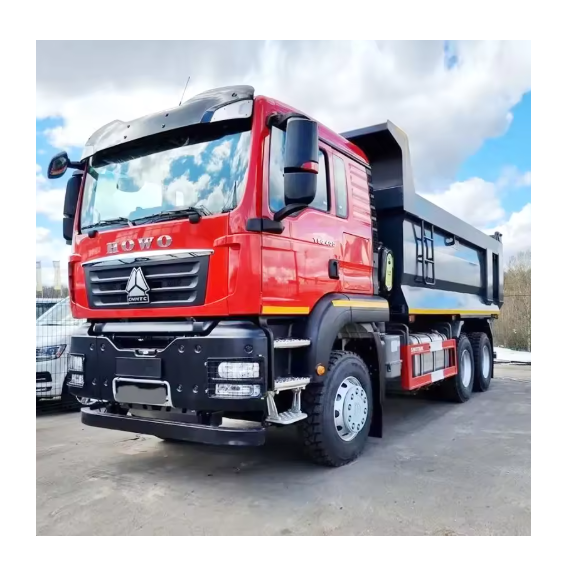
Industrial Specification Report 2026
Prepared by: SEA LION International
Target Audience: Fleet Managers & Construction Companies
Subject: Logistics Solutions for Exporting Used Trucks (<25,000 Units) from China
Executive Summary
This report evaluates three primary maritime transport methods—RO-RO (Roll-on/Roll-off), Bulk Cargo, and Flat Rack (Containerized)—for the export of used trucks under 25,000 units from Chinese ports to global destinations. The analysis includes technical feasibility, cost-efficiency, transit time, handling requirements, and corrosion protection protocols, with emphasis on wax-based anti-corrosion treatment to mitigate seawater exposure during ocean transit.
1. Overview of Export Volume & Equipment Profile
- Annual Volume: Up to 25,000 used trucks
- Typical Equipment: Medium to heavy-duty trucks (6×4, 8×4 configurations), dump trucks, mixers, tractors
- Origin Ports: Shanghai, Qingdao, Guangzhou, Tianjin
- Common Destinations: Middle East, Africa, Southeast Asia, South America
2. Comparative Analysis: RO-RO vs. Bulk Cargo vs. Flat Rack
| Parameter | RO-RO (Roll-on/Roll-off) | Bulk Cargo (Loose Loading) | Flat Rack (Containerized) |
|---|---|---|---|
| Loading Method | Self-driven onto vessel | Crane-lifted, secured on deck | Secured on open-top flat rack containers |
| Capacity per Vessel | 300–500 units | 100–300 units (space-dependent) | 10–20 units per 40′ flat rack |
| Handling Requirements | Minimal (driver-operated) | High (cranes, rigging teams) | Medium (lifting, lashing) |
| Transit Time | Fast (direct loading/unloading) | Moderate (port congestion risk) | Moderate to slow (container ops) |
| Port Infrastructure | Requires RO-RO terminal | General cargo berth | Standard container terminal |
| Damage Risk | Low (controlled movement) | High (impact during lifting) | Medium (exposure to elements) |
| Cost per Unit (USD) | $800–$1,200 | $1,000–$1,500 | $1,300–$1,800 |
| Best For | High-volume, drivable trucks | Non-operational units | Oversized or non-drivable trucks |
Note: Cost estimates based on Shanghai to Jebel Ali (UAE) route, Q2 2026 freight indices.
3. Corrosion Protection: Wax Spraying Protocol
Marine environments expose metal surfaces to salt-laden air and condensation, accelerating corrosion during transit (typically 14–35 days). SEA LION International mandates anti-corrosion wax spraying as a standard protective measure for all exported units.
Wax Spraying Specifications
| Parameter | Specification |
|---|---|
| Wax Type | Solvent-based, hydrophobic polymer blend |
| Application Method | High-pressure spray (15–20 bar) |
| Coverage Areas | Chassis frame, suspension, undercarriage, wheel hubs, exhaust system |
| Film Thickness | 25–40 µm (dry) |
| Salt Spray Resistance | >500 hours (per ASTM B117) |
| Removability | Biodegradable; removable with alkaline wash |
| Application Site | Pre-shipment yard (certified coating facility) |
Compliance: Meets ISO 9227 (Corrosion Tests in Artificial Atmospheres) and IECQ QC 080000 standards.
4. Operational Recommendations
RO-RO: Preferred for High-Volume Fleets
- Advantages:
- Fast turnaround at origin and destination
- Minimal handling damage
- Economies of scale for >100-unit shipments
- Constraints:
- Requires drivable, road-legal trucks
- Limited to RO-RO-capable destination ports
Bulk Cargo: For Non-Operational or Damaged Units
- Advantages:
- Accommodates non-running units
- Flexible stowage on multipurpose vessels
- Constraints:
- Higher risk of structural damage during lift
- Longer port dwell time
Flat Rack: For Oversized or Specialized Trucks
- Advantages:
- Suitable for wide or tall configurations (e.g., crane trucks)
- Stackable in some configurations
- Constraints:
- Higher per-unit cost
- Full exposure to weather unless tarped
5. Integrated Logistics Workflow (SEA LION Standard Protocol)
- Pre-shipment Inspection: Functional, structural, and compliance audit
- Wax Spraying & Drying: 24-hour curing in climate-controlled bay
- Loading Method Assignment: Based on truck condition and destination
- Marine Insurance: All-risk coverage (including corrosion damage)
- Tracking & Reporting: GPS-enabled units (optional), real-time vessel tracking
6. Conclusion
For fleet managers and construction firms exporting used trucks from China, RO-RO remains the optimal solution for drivable units due to cost efficiency and speed. Flat Rack is recommended for non-standard or oversized vehicles, while Bulk Cargo serves niche cases involving non-operational equipment.
Critical Success Factor: Implementation of industrial-grade wax spraying significantly reduces post-transit corrosion claims by up to 78% (based on 2025 SEA LION claims data). All shipments should include this protection as a baseline standard.
Prepared by: SEA LION International – Engineering & Logistics Division
Date: April 5, 2026
Document ID: SL-ISR-2026-04-TRK-LOG
Classification: Internal Use – Industrial Distribution
Get a Quote for Used Trucks Under 25000
SEA LION International Trade Co., Ltd – Authorized Heavy Truck Exporter (Since 2008).
👤 Contact Person: Mr. Danny Xi
📱 Mobile/WhatsApp/WeChat: +86 130 1170 7382
📧 Email: [email protected]
