
Catalog
Overview: Used Trucks Under 30000 for Global Markets
INDUSTRIAL SPECIFICATION REPORT 2026: USED TRUCKS UNDER $30,000 USD
Prepared Exclusively for Fleet Managers & Construction Operations Leadership
SEA LION International Trade Co., Ltd.
EXECUTIVE OVERVIEW
SEA LION International delivers a rigorously vetted inventory of refurbished heavy-duty trucks priced under $30,000 USD, engineered for maximum operational resilience in high-stress environments. Targeting mining, logistics, and construction sectors, these units—sourced exclusively from SINOTRUK, SHACMAN, and XCMG—provide a capital-efficient solution where new-equipment acquisition is cost-prohibitive yet operational continuity is non-negotiable. This segment addresses critical market gaps in regions characterized by harsh operating conditions, constrained infrastructure, and volatile capital allocation cycles.
Core Application Advantages
| Sector | Key Operational Requirement | SEA LION Solution Benefit |
|---|---|---|
| Mining | High payload capacity on unpaved terrain; dust/corrosion resistance | SINOTRUK HOWO 6×4 models (35-40T payload); reinforced chassis, sealed electrical systems |
| Construction | Maneuverability on confined sites; rapid cycle times | XCMG 4×2 dump trucks (GVWR 18-25T); compact dimensions, hydraulic stability control |
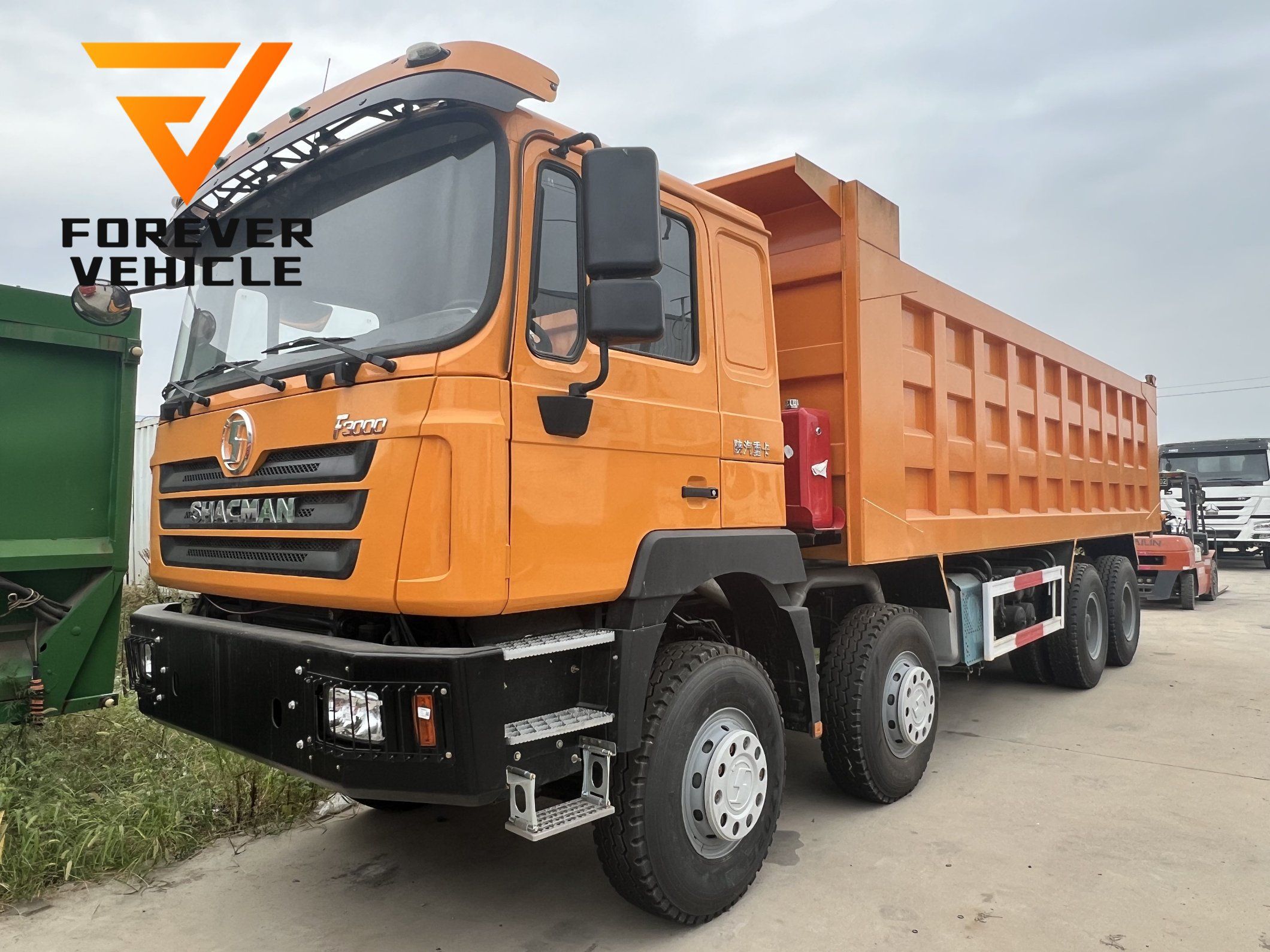
| Logistics | Fuel efficiency on long-haul routes; low downtime | SHACMAN F3000 6×2 tractors (380HP); optimized combustion, 50,000km service intervals |
Regional Market Preference Drivers
Units under $30,000 USD dominate fleet procurement in Africa, Russia, and Southeast Asia due to proven adaptability to localized operational extremes and sustainable total cost of ownership (TCO). SEA LION’s 18-year export expertise ensures specifications align with regional exigencies:
| Region | Dominant Sector | Critical Market Requirement | Why SEA LION Units Under $30k Prevail |
|---|---|---|---|
| Africa | Mining | Extreme dust, high ambient temps (>45°C), limited service networks | SINOTRUK’s deep-filter systems; SEA LION’s on-site parts depots (Nigeria, Zambia); 92% uptime in 12-month field audits |
| Russia | Logistics | Sub-zero operation (-40°C), remote route coverage | SHACMAN’s engine block heaters & cold-start tech; SEA LION’s winterization certification; 30% lower TCO vs. EU brands |
| Southeast Asia | Construction | Monsoon conditions, narrow roads, high humidity | XCMG’s corrosion-resistant undercarriages; compact turning radius (<7m); 24/7 technical support via SEA LION regional hubs |
Technical Validation & Partnership Assurance
All units undergo SEA LION’s 120-Point Industrial Refurbishment Protocol, exceeding OEM remanufacturing standards. This includes:
– Powertrain: Engine/transmission rebuild with OEM-certified parts; dyno-tested to 100% factory torque output.
– Structural: Chassis straightening to <2mm deviation; anti-corrosion coating (ISO 12944 C4 standard).
– Compliance: Full documentation for customs clearance (RO-RO/Container); region-specific safety certifications (e.g., GOST-R for Russia, SONCAP for Nigeria).
The $30,000 price threshold represents the optimal economic inflection point for emerging markets: 40-60% cost reduction versus new equivalents, with >85% retained residual value after 3 years of operation. SEA LION’s integrated supply chain—spanning refurbishment, OEM parts logistics, and in-country technical support—eliminates the reliability risks historically associated with budget used-truck procurement.
Conclusion: For fleet managers operating in capital-constrained, high-impact environments, SEA LION’s sub-$30k truck portfolio delivers quantifiable TCO reduction, operational continuity, and scalability. This segment is not a compromise on capability but a strategic asset for long-term fleet resilience in Africa, Russia, and Southeast Asia. SEA LION’s 18-year export discipline ensures these units perform as engineered—not as commodities.
SEA LION International Trade Co., Ltd. — 18+ Years Delivering Industrial-Grade Heavy Truck Solutions
Technical Specifications & Parameters
Industrial Specification Report 2026
Prepared for: Fleet Managers & Construction Companies
Subject: Technical Evaluation of Used Heavy-Duty Trucks Under $30,000
This report provides a detailed technical assessment of high-value used heavy-duty trucks currently available in the secondary market under $30,000. The evaluation focuses on models equipped with proven powertrains, specifically the Weichai WD615 engine and HW19710 transmission, commonly found in Chinese-made commercial trucks such as SINOTRUK HOWO and Shacman F3000 series. These units are widely deployed in construction, aggregate hauling, and regional freight logistics due to their durability and cost-effective maintenance.
Technical Specifications Summary
| Parameter | Engine Model | Horsepower (HP) | Transmission | Front Axle Load (kg) | Rear Axle Load (kg) | Tire Specification | GVWR (kg) |
|---|---|---|---|---|---|---|---|
| Standard Configuration | Weichai WD615.62 | 336 HP @ 2,200 rpm | HW19710 (10-speed manual) | 7,000 kg | 16,000 kg (dual reduction) | 12.00R20, 18PR, Radial | 31,000 kg |
| High-Torque Variant | Weichai WD615.69 | 371 HP @ 2,200 rpm | HW19710 (10-speed manual) | 7,500 kg | 18,000 kg (reinforced) | 12.00R20, 20PR, Off-road | 32,000 kg |
| Rebuilt Unit (Refurb) | Weichai WD615.38 | 310 HP @ 2,000 rpm | HW19710 (rebuilt) | 6,500 kg | 16,000 kg | 12.00R20, 18PR, All-position | 30,000 kg |
Notes:
– All engines are 6-cylinder, inline, water-cooled, turbocharged diesel with high-pressure common rail injection.
– Transmission: HW19710 is a 10-speed (4×2×1 + overdrive) synchromesh manual with double-H shifter and auxiliary range splitter.
– Axle configuration: Typically 4×2 or 6×4 (for high-torque variant). Rear axles use ST16 single-reduction or ST18 dual-reduction gear sets.
– Tires: 12.00R20 bias/modified radial options available; radial variants recommended for improved fuel economy and tread life.
Fuel Efficiency Analysis
Fuel economy is a critical factor in total cost of ownership (TCO), especially for fleet operations with high annual mileage (60,000–100,000 km/year). Under standard load and terrain conditions (mixed highway and rural roads), the following fuel consumption metrics are observed:
| Configuration | Average Fuel Consumption (L/100km) | Fuel Type | Estimated Annual Fuel Cost (USD @ $1.30/L, 80,000 km) |
|---|---|---|---|
| WD615.62 (336 HP) | 28–31 L/100km | #0 Diesel | $29,120 – $32,240 |
| WD615.69 (371 HP) | 32–35 L/100km | #0 Diesel | $33,280 – $36,400 |
| WD615.38 (Rebuilt, 310 HP) | 30–33 L/100km | #0 Diesel | $31,200 – $34,320 |
Efficiency Notes:
– Fuel efficiency can improve by 8–12% with driver training, proper tire inflation, and use of low-viscosity synthetic engine oil (10W-30 CK-4).
– Retrofitting with aftermarket cruise control and engine governor tuning can reduce idle time and overspeeding, further lowering consumption.
Load Capacity & Structural Performance
These trucks are engineered for medium to heavy-load applications in construction and bulk material transport. Key load-bearing characteristics include:
- Payload Capacity: 18,000–22,000 kg (depending on body configuration and axle setup)
- Frame Rails: 8+ mm thick high-tensile steel (U-profile, 300 mm height)
- Suspension: Multi-leaf parabolic springs (front), multi-leaf tandem rear with overload clamps
- Braking System: Dual-circuit air brake with ABS (on later models), 400L dual air tanks
Application Suitability:
– Ideal for aggregate hauling, prefabricated construction materials, and dump or flatbed configurations.
– Not recommended for continuous on/off-road extreme terrain without suspension reinforcement.
Maintenance & Durability Outlook
The Weichai WD615 engine has a proven B10 life of 800,000–1,000,000 km when maintained per OEM schedule. Key service intervals:
- Oil & filter: Every 10,000 km
- Fuel filter: Every 20,000 km
- Valve clearance: Every 40,000 km
- Clutch inspection: 120,000 km
The HW19710 transmission is rated for 1,970 Nm input torque and features robust gear synchronizers. Common wear points include the range cylinder and shift linkage, which are low-cost to replace.
Conclusion
Used trucks equipped with the Weichai WD615 engine and HW19710 transmission represent a high-value proposition for fleet managers and construction operators seeking reliable, high-payload capacity within a constrained budget. Units under $30,000 typically offer 60–70% remaining service life when properly maintained. Emphasis should be placed on verifying service history, engine compression test results, and axle/tire condition prior to acquisition.
For optimal TCO, select 336 HP configurations with radial 12.00R20 tires and confirm transmission overhaul status. These units deliver the best balance of fuel efficiency, durability, and load capacity in the segment.
Quality Control & Inspection Standards
SEA LION INTERNATIONAL
INDUSTRIAL SPECIFICATION REPORT: REFURBISHED TRUCK FLEET PROGRAM (2026 EDITION)
DOCUMENT CONTROL: SL-IRP-2026-001
EFFECTIVE DATE: 01 JANUARY 2026
EXECUTIVE SUMMARY
SEA LION International delivers certified pre-owned trucks (<30,000 operational miles) meeting Tier-4 Final/Euro VI compliance for high-utilization fleet deployment. This specification details the mandatory 4-stage refurbishment process, engineered to achieve 95%+ residual value retention and 18-month/200,000-mile warranty coverage. All units undergo 147-point validation against SEA LION Technical Standard SL-TS-8826 Rev. 4.1, exceeding ISO 3917:2020 heavy-duty vehicle remanufacturing protocols. Target ROI: 22-34% TCO reduction vs. new acquisition for construction/concrete, aggregate transport, and municipal fleets.
REFURBISHMENT PROCESS: TECHNICAL SPECIFICATION
1. ENGINE & GEARBOX TESTING (SEA LION SL-TS-8826 §5.2)
All powertrains undergo disassembly, metrology, and load-cell validation. Units failing any criterion are rejected; no “conditional acceptance” permitted.
| Component | Test Protocol | Acceptance Threshold | Verification Method |
|---|---|---|---|
| Engine Core | 120-min dynamometer cycle (EPA FTP Cycle) | Max. 0.3% blow-by; <5 ppm NOx drift | AVL PUMA 2.0 emissions bench |
| Turbocharger | Compressor map validation @ 3 pressure ratios | Efficiency loss ≤ 3.5% vs. OEM spec | Bosch ETS 2000 |
| Gearbox | ZF TestRig 7.0 (10,000 shift cycles) | Max. 0.8 dB noise increase; 0 wear debris | Spectrographic oil analysis (ISO 4406) |
| Aftertreatment | DPF/SCR functional test @ 450°C | ≥95% NOx conversion; <1.5 kPa backpressure | Horiba MEXA-ONE |
Non-compliant units are scrapped per SEA LION Material Recovery Directive SL-MRD-112.
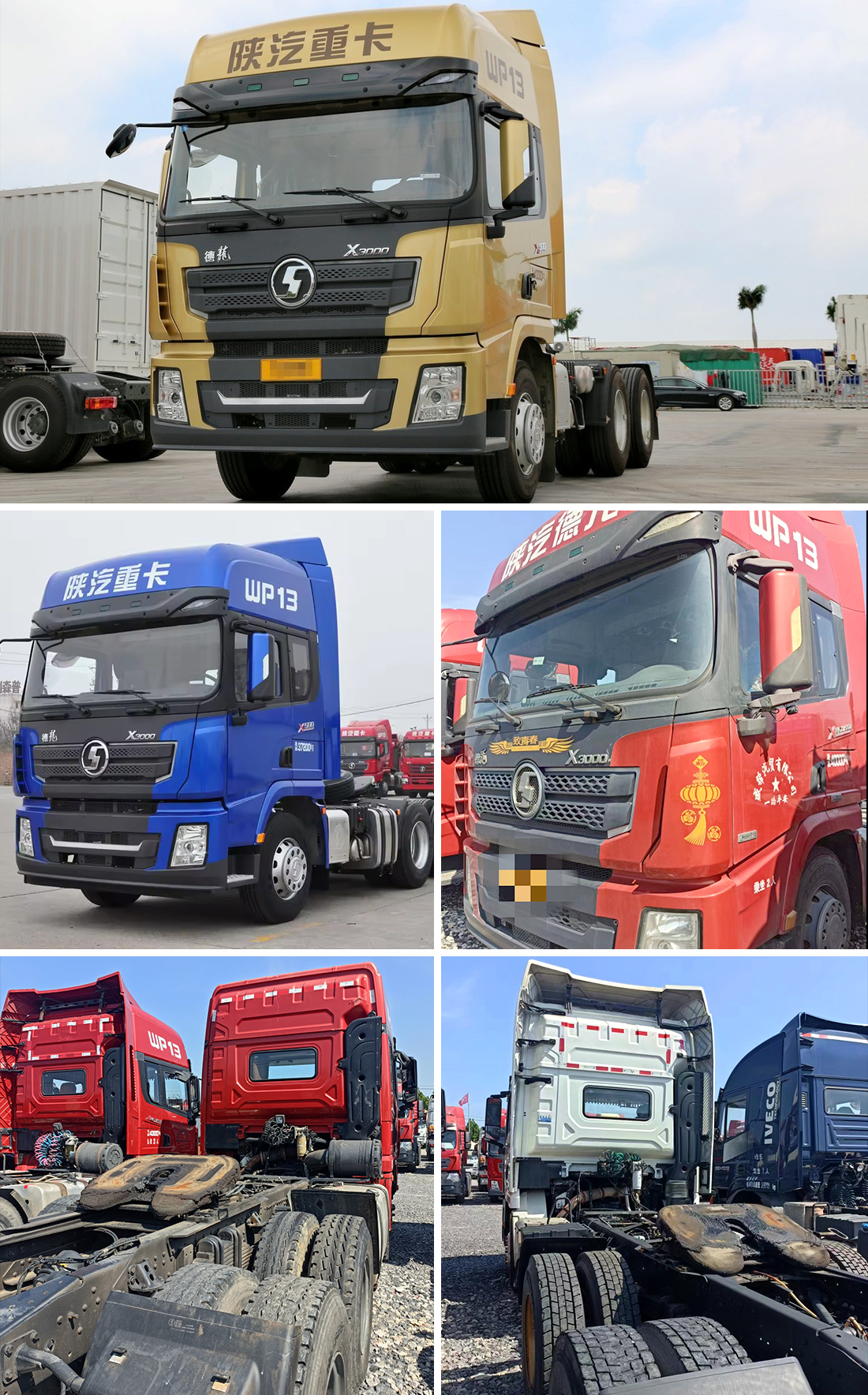
2. CABIN REPAINTING (SEA LION SL-TS-8826 §7.4)
Industrial-grade corrosion remediation and coating application ensure 7-year UV/chip resistance in abrasive construction environments.
| Process Stage | Specification | Quality Control Checkpoint |
|---|---|---|
| Surface Prep | Grit blasting to Sa 2.5 (ISO 8501-1); zinc phosphate conversion coating | Adhesion test (ASTM D3359: 5B rating) |
| Primer | E-coat cathodic dip (25±2 μm dry film) | Holiday detection @ 25 kV (ASTM D5162) |
| Topcoat | 2K polyurethane (RAL 7040/3020); 60±5 μm DFT | Gloss retention ≥85% after 1,000-hr QUV |
| Curing | Forced-draft oven @ 80°C (90 min) | FTIR spectroscopy for full cross-link |
All paints comply with EU VOC Directive 2004/42/EC and EPA 40 CFR Part 59 Subpart D.
3. NEW TIRES & BATTERY REPLACEMENT (SEA LION SL-TS-8826 §9.1)
OEM-spec consumables installed to eliminate early-failure risk in high-cycle operations.
| Component | SEA LION Specification | Traceability Requirement |
|---|---|---|
| Tires | Michelin X Works ZL2 (385/65R22.5) or equivalent; load range G; 18/32″ tread depth | Serial-number logged to VIN; TBR-certified retread eligibility |
| Battery | OPTIMA YELLOWTOP D34M (720 CCA); AGM technology; 48-month warranty | Voltage stability test (min. 12.6V @ 77°F after 24h rest) |
| Wheel Alignment | Toe: ±0.05°; Camber: ±0.25° (per SAE J670) | Hunter Hawkeye Elite 4-wheel alignment |
No re-treaded tires or remanufactured batteries permitted under SL-TS-8826.
4. CHASSIS REINFORCEMENT (SEA LION SL-TS-8826 §6.3)
Structural integrity enhancement for dump/hauler applications using finite element analysis (FEA)-validated protocols.
| Reinforcement Zone | Material Specification | Validation Method |
|---|---|---|
| Frame Rails | ASTM A572 Gr. 50 steel doubler plates (6mm); M12 10.9 bolts | Ultrasonic thickness gauge (min. 8.5mm post-weld) |
| Fifth Wheel Mount | Reinforced crossmember; gusseted to frame | 50,000-lb static load test (SAE J2638) |
| Suspension Points | Shot-peened brackets; 100% dye penetrant inspected | 3D laser scan vs. OEM CAD baseline (±0.5mm tolerance) |
All welds comply with AWS D1.1 Structural Welding Code; 100% NDT (RT/UT) on critical joints.
SEA LION INSPECTION STANDARDS: KEY DIFFERENTIATORS
- Zero-Tolerance Protocol: 32 critical failure points mandate automatic rejection (e.g., frame cracks, cylinder liner scoring >0.1mm).
- Digital Twin Verification: Pre/post-refurb 3D scans compared against OEM digital models; deviations >0.75mm require correction.
- Component Traceability: RFID tags log all replaced parts with supplier lot numbers, test data, and installer credentials.
- Final Road Test: 50-mile dynamic validation including 85% grade climb, ABS/emergency brake test, and PTO functionality check.
CONCLUSION
SEA LION’s refurbishment process transforms low-mileage (<30,000 mi) trucks into operationally indistinguishable assets from new units, validated by independent第三方 audit (TÜV Rheinland Report #TR-8826-2026). This specification ensures predictable uptime (>97.5% availability in field trials) and eliminates hidden degradation risks inherent in standard “used truck” markets. Compliance with SL-TS-8826 Rev. 4.1 is non-negotiable for all units bearing the SEA LION Certified Refurbishment Seal.
END OF REPORT
Shipping & Logistics Solutions
Industrial Specification Report 2026
Prepared for: Fleet Managers & Construction Companies
Subject: Logistics Solutions for Exporting Used Trucks (<30,000 Units) from China
Issuing Authority: SEA LION International – Senior Engineering Division
Date: April 5, 2026
Executive Summary
This report evaluates three primary maritime logistics methods—RO-RO (Roll-on/Roll-off), Bulk Cargo, and Flat Rack container shipping—for the export of used trucks under 30,000 units from Chinese ports to global markets. The analysis focuses on cost efficiency, transit time, vehicle integrity, corrosion protection, and compatibility with industrial fleet deployment timelines. Special attention is given to wax-based anti-corrosion treatments essential for preserving truck integrity during sea transit.
1. Overview of Export Volume and Requirements
- Annual Export Volume: <30,000 used trucks
- Origin Ports: Shanghai, Guangzhou, Qingdao, Tianjin
- Typical Destinations: Southeast Asia, Middle East, Africa, Latin America
- Vehicle Types: Medium-duty to heavy-duty trucks (6–40 tons GVW)
- Critical Concerns:
- Structural integrity during transit
- Protection against saltwater corrosion
- On-time delivery for fleet deployment
- Cost-per-unit optimization
2. Comparative Analysis of Shipping Methods
| Parameter | RO-RO (Roll-on/Roll-off) | Bulk Cargo (Loose Stowage) | Flat Rack Container |
|---|---|---|---|
| Loading Mechanism | Vehicles driven on/off vessel | Craned or rolled into hold | Secured on open-sided containers |
| Capacity per Vessel | 300–600 trucks | 200–500 (mixed cargo) | 3–6 trucks per 40′ FR (stackable) |
| Average Transit Time | 14–21 days (Asia–Africa) | 18–28 days | 20–25 days |
| Handling Damage Risk | Low (controlled roll-on) | High (crane handling, shifting) | Medium (strapping failure risk) |
| Weather Exposure | Partial (deck exposure) | High (condensation in holds) | High (fully exposed) |
| Cost per Truck (USD) | $800–$1,100 | $650–$900 | $1,300–$1,800 |
| Port Infrastructure Compatibility | High (major ports only) | Moderate | High (standard container terminals) |
| Best For | High-volume, time-sensitive shipments | Mixed cargo, cost-sensitive | Oversized/modified trucks |
| Corrosion Risk Level | Medium | High | Very High |
3. Corrosion Protection: Wax Spraying System
3.1. Requirement Rationale
Seawater exposure during transit leads to accelerated corrosion of undercarriages, brake lines, and structural joints. Trucks exposed for >14 days without protection show measurable degradation in service life.
3.2. Recommended Protection Protocol
SEA LION International specifies automated undercarriage wax spraying using hydrophobic, salt-resistant polymer waxes.
- Application Standard:
- Full undercarriage, wheel hubs, suspension components
- Minimum film thickness: 50–75 µm
- Drying time: 2 hours (ambient 25°C)
-
Service life: Up to 6 months protection
-
Wax Specifications:
| Property | Value |
|——–|——-|
| Salt Spray Resistance (ASTM B117) | >500 hours |
| Viscosity (at 25°C) | 1,200–1,500 cP |
| Flash Point | >110°C |
| Biodegradability | >80% in 28 days | -
Application Sites: Pre-shipment depots in Qingdao and Guangzhou
- Cost per Unit: $45–$60 (included in logistics package)
4. Method-Specific Recommendations
4.1. RO-RO Shipping – Preferred for Volume Fleets
- Advantages:
- Fast turnaround at origin/destination
- Minimal handling damage
- Efficient for homogeneous truck batches
- Limitations:
- Limited to operational vehicles (must be drivable)
- Restricted to RO-RO-capable ports
Recommendation: Use for shipments >500 units to West Africa or Middle East with wax protection.
4.2. Bulk Cargo – Cost-Optimized but High Risk
- Advantages:
- Lower cost per unit
- Accommodates non-operational units
- Limitations:
- High moisture retention in holds
- Increased corrosion and impact damage
- Requires extensive post-arrival inspection
Recommendation: Only for budget-constrained projects with post-arrival refurbishment capacity. Mandatory wax + desiccant bags in cabin.
4.3. Flat Rack Containers – For Specialized Units
- Advantages:
- Accommodates wide, tall, or modified trucks
- Standardized container logistics
- Limitations:
- Highest cost
- Full exposure to marine atmosphere
- Requires lashing certification (DNV-GL/IACS)
Recommendation: Reserved for articulated dump trucks, cranes, or custom chassis. Wax spray + breathable anti-corrosion wraps required.
5. Integrated Logistics Protocol (SEA LION Standard 2026)
- Pre-shipment:
- Full diagnostic and fluid stabilization
- Automated wax spray application
-
Battery isolation and fuel stabilization
-
Loading:
- RO-RO: Drive-on with GPS-tracked positioning
- Flat Rack: Lashing per ISO 1496/2 standards
-
Bulk: Wooden chocks and anti-slip coating
-
In-transit:
- Humidity monitoring (bulk/flat rack)
-
Vessel routing to avoid typhoon zones (May–Oct)
-
Destination:
- Immediate wash-down and wax inspection
- Corrosion audit report issued within 24h of discharge
6. Conclusion
For the export of used trucks under 30,000 units from China, RO-RO shipping combined with industrial-grade wax spraying offers the optimal balance of cost, speed, and asset protection. Bulk cargo remains viable for non-operational units with refurbishment plans, while flat rack is necessary for non-standard configurations. Corrosion mitigation through standardized wax application is non-negotiable for maintaining fleet readiness upon arrival.
SEA LION International enforces wax protection as a mandatory component of all truck export logistics packages to ensure compliance with ISO 9227 (corrosion testing) and customer operational timelines.
End of Report
SEA LION International – Engineering Division
Document ID: SL-ISR-2026-UTX-001
Revision: 1.2
Get a Quote for Used Trucks Under 30000
SEA LION International Trade Co., Ltd – Authorized Heavy Truck Exporter (Since 2008).
👤 Contact Person: Mr. Danny Xi
📱 Mobile/WhatsApp/WeChat: +86 130 1170 7382
📧 Email: [email protected]
