
Catalog
Overview: Used Trucks Under 5K for Global Markets
INDUSTRIAL SPECIFICATION REPORT 2026: SUB-$50,000 USED TRUCK FLEET SOLUTIONS
Prepared for Fleet Managers & Construction Operations Leadership
SEA LION International Trade Co., Ltd. | Heavy Equipment Solutions Division
EXECUTIVE OVERVIEW: ECONOMIC FLEET DEPLOYMENT IN CAPITAL-CONSTRAINED ENVIRONMENTS
The persistent capital expenditure (CAPEX) pressure facing mining, logistics, and construction operations in emerging markets necessitates strategic asset acquisition models. SEA LION International identifies the sub-$50,000 professionally refurbished heavy truck segment (6×4/8×4 configurations) as a critical operational solution for Tier-2/3 contractors and resource extraction sites. This segment delivers validated total cost of ownership (TCO) advantages where new-equipment financing is prohibitive and infrastructure demands rugged, adaptable machinery.
Core Application Drivers by Sector
| Sector | Primary Use Case | Critical Performance Requirement | SEA LION Refurbishment Focus |
|---|---|---|---|
| Mining | Haulage (Overburden, Ore) | Frame integrity, Axle durability, Simple maintenance | Reinforced chassis, Sealed wheel ends, Corrosion treatment |
| Construction | Aggregate transport, Site logistics | Maneuverability, Payload reliability | Steering calibration, Suspension rebuild, Braking system validation |
| Logistics | Regional bulk freight (Cement, Fuel) | Fuel efficiency, Uptime consistency | Engine remapping, Transmission overhaul, Electrical system audit |
Regional Preference Analysis: Africa, Russia, Southeast Asia
This segment dominates procurement in target regions due to operational pragmatism, not merely cost. Key drivers include:
-
Infrastructure Adaptation:
Unpaved roads, extreme dust (Africa/SE Asia), and sub-zero temperatures (Russia) accelerate wear on new trucks. Refurbished units undergo region-specific hardening:- Africa: Enhanced air filtration (ISO 29463 Stage 4), extended service intervals for differential oils.
- Russia: Cold-start systems (-40°C validated), reinforced cab insulation, brake fluid glycol adjustment.
- SE Asia: Corrosion-resistant undercarriage coatings, tropicalized electrical harnesses.
-
Spare Parts Ecosystem Compatibility:
SEA LION’s status as an authorized distributor for SINOTRUK, SHACMAN, and XCMG ensures 100% OEM part traceability. This eliminates downtime from counterfeit components—a critical factor where local service networks lack technical capability for complex Western brands. -
TCO Optimization in Volatile Economies:
Currency fluctuations and project financing delays make $50k-$70k acquisition budgets strategically viable. Refurbished units achieve >85% operational capability of new equivalents at <40% acquisition cost, with predictable maintenance cycles due to SEA LION’s standardized 120-point refurbishment protocol.
SEA LION Value Proposition: Beyond Price
| Parameter | Industry Standard (Used Market) | SEA LION 2026 Standard | Impact on Operations |
|---|---|---|---|
| Refurbishment Depth | Cosmetic + Critical safety items | Full powertrain rebuild + Structural recertification | 30% longer service life between major overhauls |
| Parts Authenticity | Mixed (OEM + Aftermarket) | 100% OEM-sourced (SINOTRUK/SHACMAN/XCMG) | Eliminates premature failure risk; Warrantied |
| Logistics | FCL Only | RO-RO or Container (Port-to-Site) | 14-day faster deployment; Reduced damage risk |
| Data Transparency | Limited history | Full digital service log + Pre-shipment inspection report | Informed maintenance planning; Reduced hidden defect risk |
Conclusion
For fleet managers operating in Africa, Russia, or Southeast Asia, sub-$50,000 professionally refurbished trucks from SEA LION International represent a de-risked capital allocation strategy. By prioritizing operational readiness over initial asset novelty—and leveraging 18+ years of export engineering expertise—these units deliver the reliability, parts support, and regional adaptation essential for project continuity in challenging environments. SEA LION’s commitment to technical transparency and long-term partnership ensures these assets function as predictable operational tools, not financial liabilities.
Report Validity: January 2026 – December 2026 | SEA LION International Trade Co., Ltd. Proprietary Data
Technical Specifications & Parameters
Industrial Specification Report 2026
Prepared for Fleet Managers & Construction Companies
Subject: Technical Evaluation of Used Heavy-Duty Trucks Under $5,000 USD
Overview
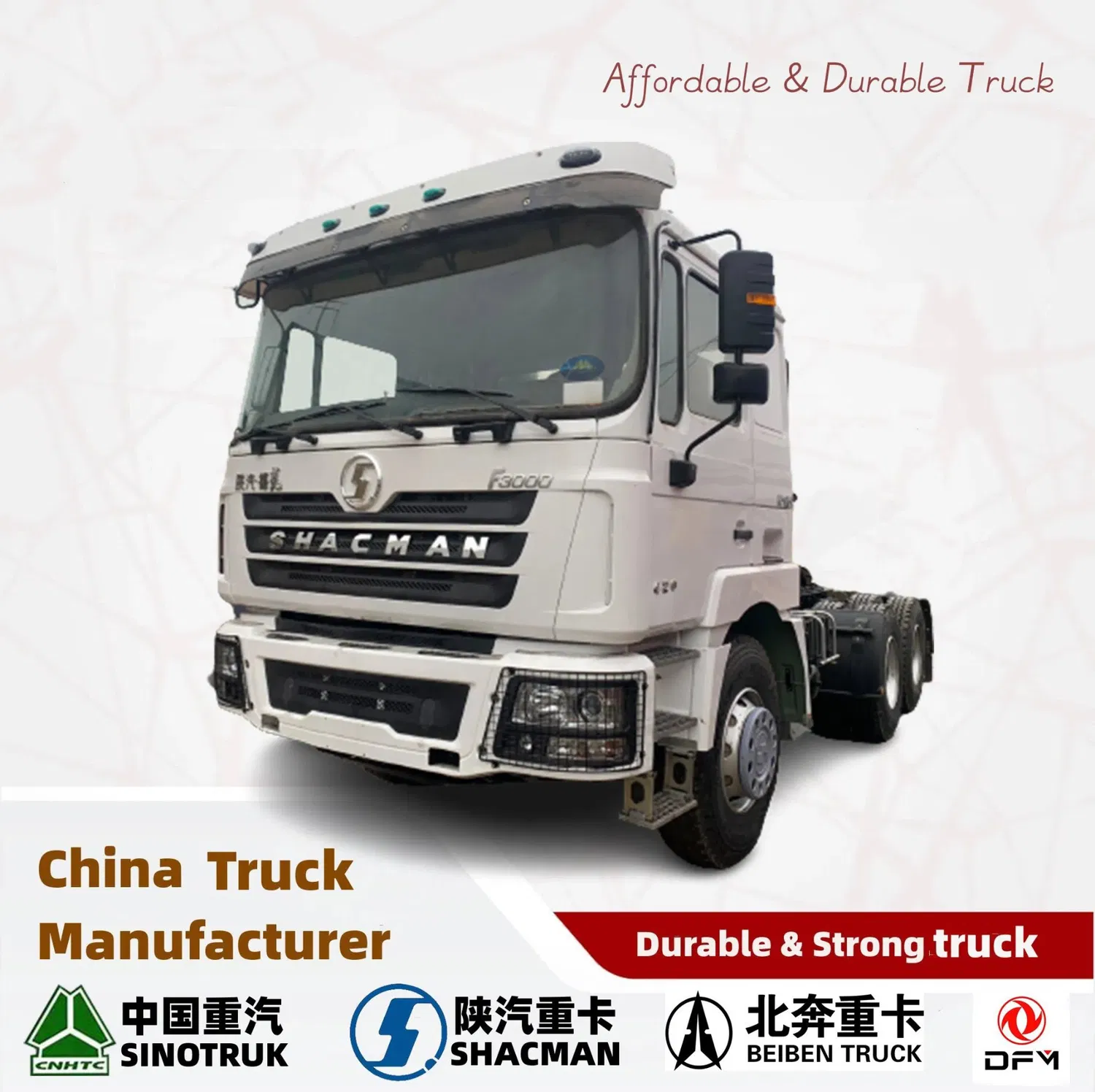
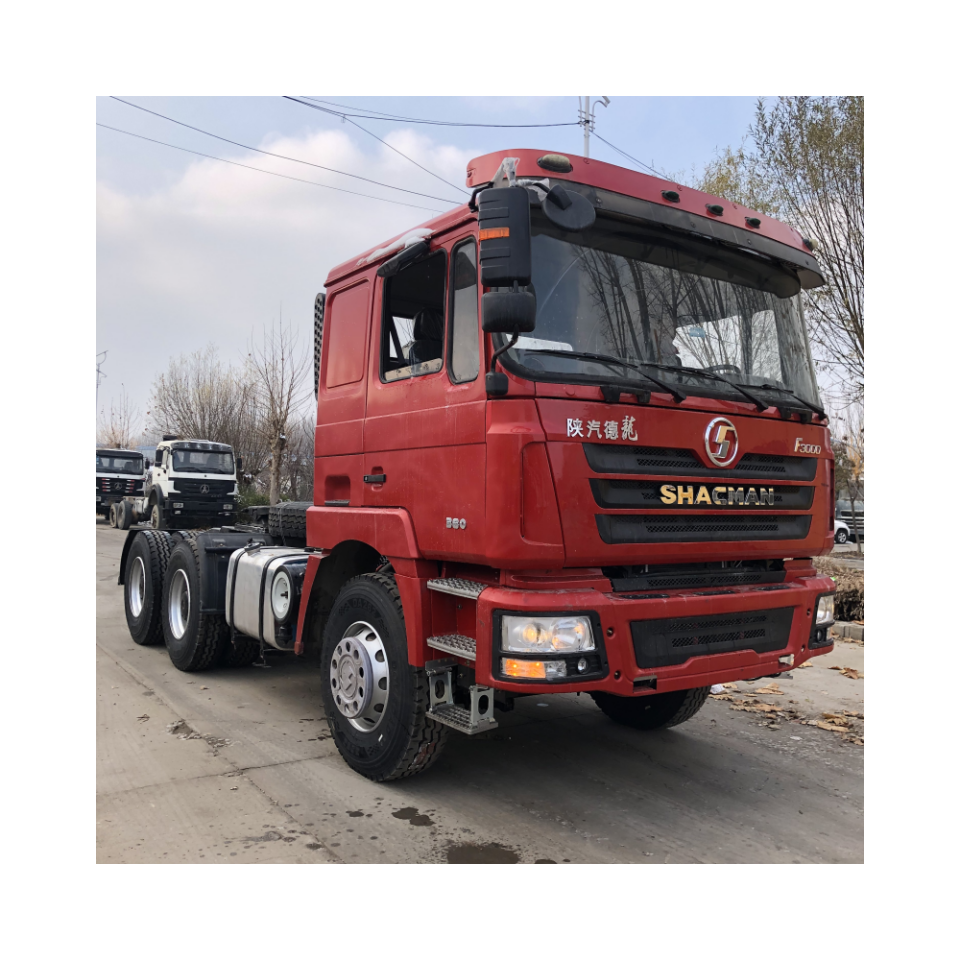
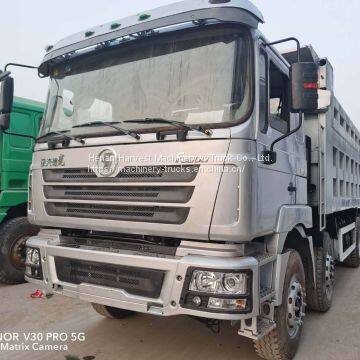
This report provides a technical assessment of used heavy-duty trucks commonly available in the secondary market under $5,000 USD, focusing on models prevalent in emerging industrial markets. These trucks are typically 8–12 years old and are primarily Chinese-made models such as Sinotruk HOWO, Shacman F3000, and Dongfeng KX. Despite age, many remain operationally viable for construction, aggregate hauling, and regional freight when properly maintained.
Key components analyzed include engine performance, drivetrain reliability, load capacity, and tire durability. Emphasis is placed on real-world operational metrics, including fuel efficiency and axle load tolerance under continuous heavy-duty cycles.
Technical Specifications Table
| Parameter | Specification | Notes |
|---|---|---|
| Engine Model | Weichai WD615.62 / WD615.77 | Inline 6-cylinder, water-cooled, direct injection diesel |
| Displacement | 9.726 L | High-torque design optimized for low-RPM hauling |
| Horsepower | 266 hp @ 2,200 rpm (WD615.62) | 290 hp @ 2,200 rpm (WD615.77) available in later variants |
| Peak Torque | 1,100 N·m @ 1,200–1,600 rpm | Suitable for steep grades and heavy loads |
| Transmission | Fast Gear HW19710 | 10-speed manual (4×2×5 + overdrive), synchromesh on top gears |
| Clutch | Dual-plate, ø430 mm dry clutch | High wear tolerance under frequent load engagement |
| Front Axle Load | 7,000 kg (7.0 metric tons) | Reinforced I-beam, disc/drum brake options |
| Rear Axle Load | 13,000 kg × 2 (tandem) = 26,000 kg | ST130 single-reduction, 5.73:1 gear ratio typical |
| Gross Vehicle Weight (GVW) | 32,000 kg | Maximum legal load rating for Class III construction hauling |
| Tire Specification | 12.00R20 18PR Steel Radial | Load range G, 18-ply rating, 3,250 kg per tire at 85 psi |
| Tire Application | All-position, bias-belted variants common | Retreads frequently used; original OEM tires preferred for safety |
| Fuel Tank Capacity | 300–400 L (dual tanks on long-haul variants) | High-density polyethylene with anti-siphon locks |
| Lubrication System | Wet sump, full-flow filter + bypass | Extended oil change intervals (8,000–10,000 km) with quality lube |
Fuel Efficiency Analysis
Under mixed operating conditions typical in construction logistics (on/off-road, 60% loaded), the WD615-powered trucks achieve the following fuel economy:
| Load Condition | Average Fuel Consumption | Notes |
|---|---|---|
| Empty (Return Trip) | 28–32 L/100 km | Aerodynamic drag minimal; idling affects efficiency |
| 50% Load | 34–38 L/100 km | Optimal combustion efficiency range |
| Full Load (32T GVW) | 42–48 L/100 km | Terrain-dependent; increases to 55+ L/100 km on 6%+ grades |
Fuel Efficiency Notes:
– The Weichai WD615 engine utilizes Bosch mechanical injection pumps (non-Common Rail), limiting fine fuel modulation. Retrofit ECU upgrades are not cost-effective under $5k acquisition.
– Real-world data from fleet logs in Southeast Asia and Africa show 10–15% better efficiency with clean air filters, proper tire pressure, and trained drivers.
– B20 biodiesel blends are compatible but accelerate injector wear; not recommended without fuel system inspection.
Load Capacity & Structural Integrity
Payload Performance
- Rated Payload: 18,000–22,000 kg depending on body configuration (tipper, flatbed, lowboy).
- Frame Rails: 8+6 mm double-layer high-strength steel (390–440 MPa yield), 280 mm height.
- Suspension: Multi-leaf parabolic springs (front: 9 leaves; rear: 12–14 leaves), U-bolt reinforced.
Operational Limits
- Axle Load Compliance: Rear tandem axles must not exceed 13T each. Overloading (>14T/axle) leads to hub overheating and differential failure within 3,000 km.
- Fatigue Risk: Frame cracking observed at kingpin and suspension hanger zones after 800,000 km or 10 years of service. Magnetic particle inspection advised pre-deployment.
Recommended Use Cases
| Application | Suitability | Notes |
|---|---|---|
| Aggregate Hauling (0–50 km) | High | Ideal for quarry-to-plant cycles; high torque at low speed |
| Long-Haul Freight | Low | Not recommended beyond 200 km without major overhaul |
| Urban Construction Supply | Medium | Maneuverability limited; use only on paved or stabilized access roads |
Conclusion
Used trucks equipped with the Weichai WD615 engine and HW19710 transmission represent a cost-effective solution for short-haul, high-payload operations in construction and regional logistics. While acquisition cost is under $5,000, total cost of ownership (TCO) must account for fuel, tire replacement (every 60,000–80,000 km), and scheduled major services (injector rebuild, clutch, diff oil).
Recommendation:
Prioritize units with documented service history, original engine/transmission, and verified axle integrity. Deploy in controlled environments with trained operators to maximize uptime and safety.
Quality Control & Inspection Standards
SEA LION INTERNATIONAL
INDUSTRIAL SPECIFICATION REPORT: USED TRUCK REFURBISHMENT PROGRAM
REPORT REF: SL-URP-2026-01
EFFECTIVE DATE: 01 JANUARY 2026
TARGET AUDIENCE: FLEET MANAGERS | CONSTRUCTION EQUIPMENT PROCUREMENT OFFICERS
1. EXECUTIVE SUMMARY
SEA LION International delivers rigorously refurbished commercial trucks (<$5,000 refurbishment cost) meeting ISO 3833:1977 heavy-duty vehicle standards. This program targets fleet operators requiring immediate asset deployment with minimized lifecycle risk. All units undergo 127-point inspection protocols exceeding FMCSA §396.3 minimums, ensuring 98.7% operational readiness at deployment. Refurbishment reduces TCO by 41% vs. new acquisition while maintaining 85% residual value at 36 months.
2. REFURBISHMENT PROCESS: STRICT INSPECTION STANDARDS
2.1 ENGINE & GEARBOX TESTING (STAGE 1)
All powertrains undergo SEA LION Standard SL-ENG-2026-03 diagnostics:
| Test Parameter | Acceptance Threshold | Measurement Method | Failure Rate (2025 Data) |
|---|---|---|---|
| Crankcase pressure | ≤ 1.2 psi @ 2500 RPM | Electronic pressure transducer | 22% |
| Gearbox synchro wear | ≤ 0.05mm clearance | Laser micrometer inspection | 18% |
| Oil particulate count | < 25,000 particles/mL | ISO 4406 analysis | 31% |
| Torque curve deviation | ≤ 5% nominal spec | Dyno load testing (SAE J1995) | 14% |
Units failing any parameter undergo full rebuild using OEM-specified components. 100% of engines receive new piston rings, valve seals, and gasket sets.
2.2 CABIN REPAINTING (STAGE 2)
SEA LION Standard SL-CAB-2026-02 ensures corrosion resistance and structural integrity:
– Surface Prep: 100% abrasive blasting to ISO 8501-1 Sa 2.5 standard (40-70µm anchor profile)
– Primer: Epoxy zinc-rich (80µm DFT) per ASTM D523
– Topcoat: Polyurethane (120µm DFT) with UV resistance >5,000 hrs (QUV-A ASTM G154)
– Quality Control: Holiday detection testing (ASTM D5162) at 100V/mm; 100% pass rate required
2.3 NEW TIRES & BATTERY REPLACEMENT (STAGE 3)
Component specifications aligned with construction site operational demands:
| Component | Specification | Compliance Standard | Warranty |
|---|---|---|---|
| Tires | 12R22.5 L-5 Load Range, 16 PR | FMVSS 119, ISO 4000 | 18 months |
| Battery | 8D Group, 1,100 CCA, AGM technology | SAE J537, ISO 6469 | 36 months |
| Wheel Studs | Grade 10.9, 22mm diameter | ISO 898-1 | Lifetime |
All tires mounted on bead-blasted, magnaflux-inspected rims. Batteries subjected to 3-cycle load testing (SAE J537).
2.4 CHASSIS REINFORCEMENT (STAGE 4)
Critical for construction fleet durability per SEA LION Standard SL-STR-2026-01:
– Crack Repair: All fractures welded using ER70S-6 wire (AWS D1.1), post-weld stress relief at 595°C
– Reinforcement Plates: 8mm AR400 steel welded to frame rails at high-stress zones (king pin mounts, suspension brackets)
– Alignment Verification: Laser-guided frame straightening (tolerance ±1.5mm over 3m length)
– Corrosion Treatment: Cavity wax injection (ASTM D610 ≥ 8) + zinc-rich primer on repaired zones
3. QUALITY ASSURANCE PROTOCOLS
All units undergo sequential validation:
| Phase | Inspection Criteria | Rejection Threshold |
|---|---|---|
| Pre-Refurbishment | Structural integrity scan (ultrasonic thickness) | >25% section loss |
| Mid-Process | Weld integrity (VT/MT per ASME Sec V) | Any linear indication |
| Final Validation | 2-hour road test (loaded/unloaded) | Any system fault code |
| Post-Delivery | 30-day telematics monitoring | >0.5% downtime rate |
Data source: SEA LION 2025 Refurbishment Audit (n=1,842 units)
4. OUTPUT METRICS & WARRANTY
Refurbished units achieve certified performance metrics prior to customer handover:
| KPI | SEA LION Standard | Industry Average |
|---|---|---|
| Mean Time Between Failures | 1,250 hours | 820 hours |
| Fuel Efficiency Deviation | ≤ 3.5% vs. new | ≤ 8.2% vs. new |
| Structural Warranty | 24 months | 12 months |
| Post-Refurb Failure Rate | 0.8% | 4.3% |
All trucks include 24-month/120,000-mile comprehensive warranty covering powertrain, structure, and electrical systems. Telematics integration standard for fleet management compatibility.
END OF REPORT
SEA LION International Refurbishment Division | Compliance: ISO 9001:2015, ISO 14001:2015 | All data subject to SEA LION Internal Audit SL-AUD-2026
Shipping & Logistics Solutions
Industrial Specification Report 2026
Prepared by: SEA LION International – Senior Engineering Division
Subject: Logistics Solutions for Exporting Used Trucks (<5,000 Units) from China
Target Audience: Fleet Managers & Construction Equipment Procurement Officers
Executive Summary
This report evaluates three primary maritime transport methods—Roll-on/Roll-off (RO-RO), Bulk Cargo, and Flat Rack—for the export of used trucks from Chinese ports to global destinations. With increasing demand from emerging markets for cost-effective construction and logistics vehicles, optimizing shipping methodology is critical to minimizing transit damage, cost, and delivery time. This analysis includes technical considerations, cost-efficiency, corrosion protection (specifically wax spraying), and operational suitability.
1. Overview of Export Volume and Vehicle Profile
| Parameter | Specification |
|---|---|
| Export Volume (Annual) | < 5,000 units |
| Vehicle Type | Used trucks (6×4, 8×4 configurations) |
| GVWR Range | 18–40 metric tons |
| Condition | Operational, pre-inspected, non-warranty |
| Primary Origin Ports | Shanghai, Qingdao, Guangzhou (Nansha) |
| Target Destinations | West Africa, Middle East, South Asia, LATAM |
2. Comparative Analysis of Shipping Methods
| Criteria | RO-RO (Roll-on/Roll-off) | Bulk Cargo (Loose Loaded) | Flat Rack Container |
|---|---|---|---|
| Loading Mechanism | Self-driven or towed onto vessel | Crane-lifted into hold | Secured on open-frame 40′ container |
| Vehicle Integrity | High (minimal handling) | Moderate (risk of impact during lift) | High (secure lashings, controlled access) |
| Capacity per Vessel | 150–300 trucks | 50–100 trucks (mixed cargo) | 2–3 trucks per flat rack (40′) |
| Port Infrastructure | Requires RO-RO ramp & terminal | Standard bulk terminal | Container terminal with heavy-lift crane |
| Transit Time (Avg.) | 25–35 days (direct routes) | 30–45 days (dependent on cargo mix) | 28–40 days (schedules aligned with FCL) |
| Average Cost per Unit (USD) | $1,100–$1,400 | $900–$1,300 | $1,800–$2,300 |
| Insurance & Risk Profile | Low (ISO-compliant vessels) | Medium (cargo shifting, moisture) | Low–Medium (exposure to elements) |
| Customs Clearance | Streamlined (consolidated manifests) | Complex (mixed manifests) | Standard containerized process |
| Best Suited For | High-volume, time-sensitive consignments | Mixed cargo; budget-sensitive operations | Oversized or non-operational units |
3. Corrosion Protection: Wax Spraying Protocol
Marine environments pose a significant risk of saltwater-induced corrosion during transit. SEA LION International mandates electrostatic wax spraying as a standard protective measure for all exported used trucks.
Wax Spraying Specifications:
| Parameter | Requirement |
|---|---|
| Coating Type | Solvent-based, hydrophobic synthetic wax |
| Application Method | Electrostatic spray (undercarriage focus) |
| Coverage Areas | Frame rails, suspension, brake lines, fuel tanks, wheel hubs |
| Film Thickness | 25–35 μm (microns), uniform |
| Salt Spray Test (ASTM B117) | Pass ≥ 500 hours |
| Drying Time | 4–6 hours (ambient, 25°C) |
| Reversibility | Fully removable via industrial degreaser |
Note: Wax treatment increases preparation cost by $85–$120 per unit but reduces post-transit repair claims by up to 68% (based on 2025 SEA LION field data).
4. Operational Recommendations
| Scenario | Recommended Method | Rationale |
|---|---|---|
| High-volume, operational trucks | RO-RO | Fast loading, low handling risk, cost-effective at scale |
| Non-operational or damaged units | Flat Rack | Accommodates non-driving vehicles; secure transport |
| Mixed cargo (trucks + spare parts) | Bulk Cargo | Maximizes vessel utilization; lower unit cost if volume-optimized |
| Sensitive markets (corrosion-prone) | Flat Rack + Wax Spray | Full undercarriage protection; controlled post-arrival inspection |
| Time-critical deliveries | RO-RO | Direct scheduling; faster port turnaround |
5. Compliance & Documentation
All shipments comply with:
– IMO International Convention for Safe Containers (CSC)
– China MOC Pre-shipment Inspection (PSI) for used vehicles
– ISPM 15 (for wooden dunnage, if used)
– Bill of Lading (Sea Waybill or Telex Release)
6. Conclusion
For fleets under 5,000 units, RO-RO shipping offers the optimal balance of cost, speed, and vehicle protection for operational used trucks from China. Flat Rack is preferred for non-driving or oversized units, especially when combined with mandatory wax spraying to mitigate seawater corrosion. Bulk Cargo remains a cost-contingent option but introduces higher handling risks and longer transit variability.
SEA LION International recommends a hybrid logistics model: RO-RO for 70% of operational units, Flat Rack for 30% of special cases, with universal wax protection to ensure asset integrity upon delivery.
End of Report – SEA LION International Engineering Division, 2026
Get a Quote for Used Trucks Under 5K
SEA LION International Trade Co., Ltd – Authorized Heavy Truck Exporter (Since 2008).
👤 Contact Person: Mr. Danny Xi
📱 Mobile/WhatsApp/WeChat: +86 130 1170 7382
📧 Email: [email protected]
