
Catalog
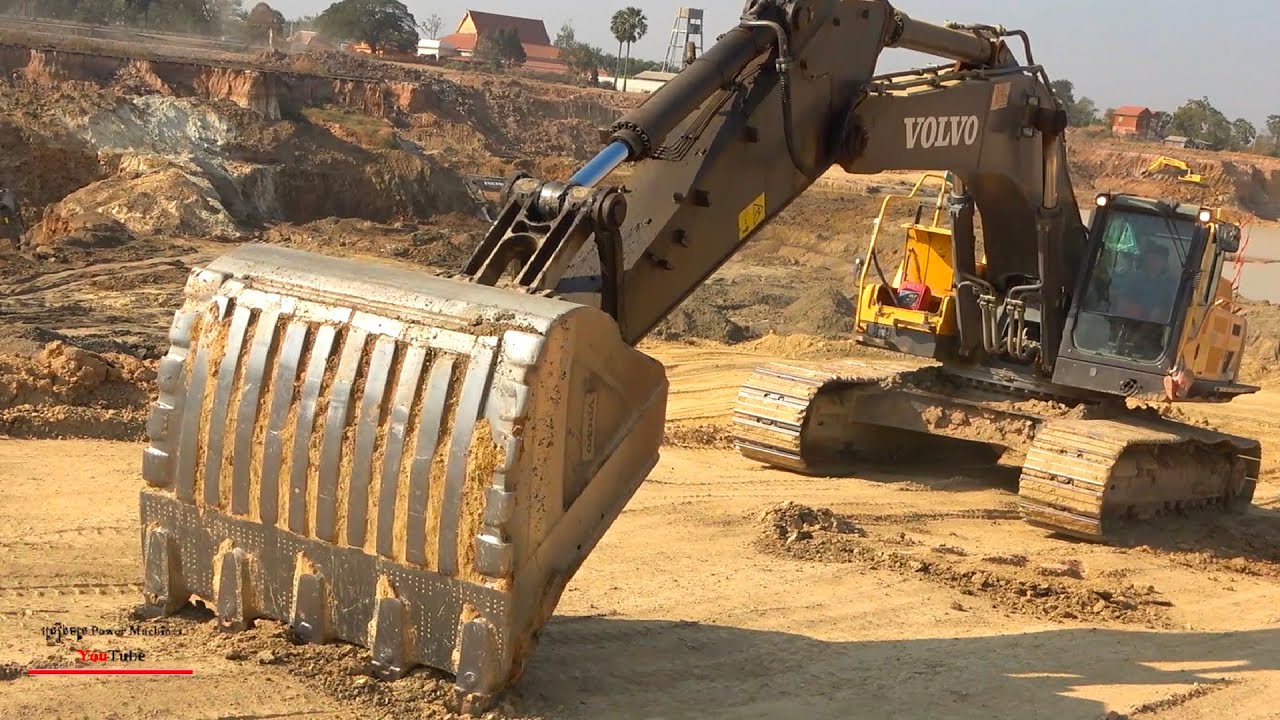
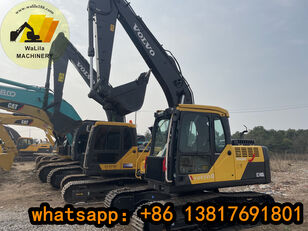
Overview: Volvo 140 Excavator for Global Markets
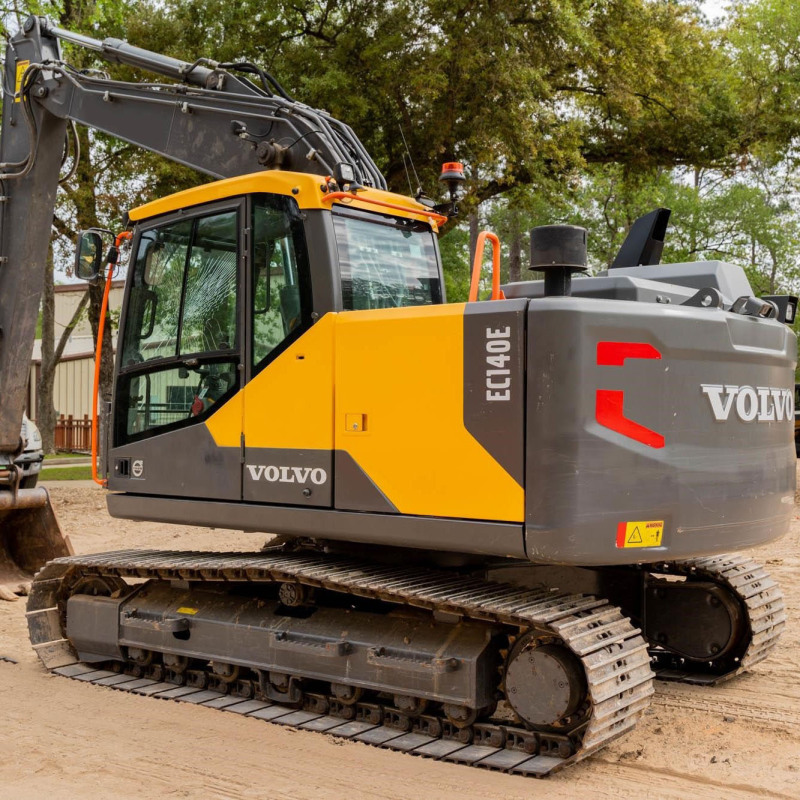
INDUSTRIAL SPECIFICATION REPORT 2026: EXECUTIVE OVERVIEW
Asset Class: Mid-Sized Excavator (14-16 Ton Class)
Target Application: Mining Support, Infrastructure Logistics, Urban Construction
Primary Markets: Sub-Saharan Africa, Russia, Southeast Asia
OPERATIONAL CAPABILITY & MARKET RELEVANCE
The 14-16 ton excavator class represents the optimal balance of power, maneuverability, and cost-efficiency for high-intensity operations across target regions. This specification focuses on core operational parameters driving fleet adoption where infrastructure scale, terrain variability, and operational continuity are critical constraints.
Key Application Drivers:
– Mining: Secondary stripping, trenching, and stockpile management in small-to-mid-scale operations where larger equipment is impractical.
– Logistics: Material handling in constrained ports, rail yards, and transshipment hubs; rapid site preparation for temporary logistics nodes.
– Construction: Foundation work, pipeline installation, and urban retrofitting where footprint limitations exclude larger models.
REGIONAL PREFERENCE ANALYSIS
Data indicates sustained preference for this class in Africa, Russia, and Southeast Asia due to infrastructure alignment and operational resilience, not brand-specific attributes. SEA LION’s distribution network prioritizes models meeting these regional imperatives:
| Regional Market | Primary Operational Demand | Key Equipment Requirement | SEA LION Value Proposition |
|---|---|---|---|
| Africa | Unpaved access roads; extreme heat; fuel volatility | High torque at low RPM; robust cooling; fuel efficiency | Refurbished units with upgraded cooling systems; localized parts depots reducing downtime |
| Russia | Permafrost conditions; sub-zero temps; remote sites | Cold-start reliability (-40°C); hydraulic stability; simplified maintenance | Pre-winterized units; cold-weather hydraulic fluid kits; modular repair training |
| SE Asia | High humidity; monsoon cycles; dense urban sites | Corrosion-resistant undercarriage; precise controllability; low ground pressure | Salt-fog tested refurbishment; compact auxiliary hydraulic kits for attachments |
TECHNICAL SPECIFICATION FOCUS (TYPICAL 14-16 TON CLASS)
SEA LION prioritizes units meeting or exceeding the following baseline for regional deployment:
| Parameter | Specification | Regional Criticality |
|---|---|---|
| Operating Weight | 14,200 – 16,500 kg | ★★★★☆ (Africa/SE Asia) |
| Engine Power (ISO) | 95 – 110 kW | ★★★★☆ (All regions) |
| Bucket Capacity | 0.55 – 0.75 m³ | ★★★☆☆ (Mining focus) |
| Hydraulic System Pressure | 340 bar min. | ★★★★★ (Russia/SE Asia) |
| Travel Speed | 4.8 – 5.5 km/h | ★★★☆☆ (Logistics) |
| Undercarriage Ground Pressure | ≤ 52 kPa | ★★★★☆ (SE Asia) |
Note: Specifications reflect SEA LION’s minimum refurbishment standard for export compliance; original OEM specs may vary.
SEA LION OPERATIONAL ADVANTAGE
Preference for SEA LION-sourced units in target markets stems from systemic reliability, not isolated product features:
1. Refurbishment Integrity: 18+ years of heavy equipment refurbishment ensures hydraulic integrity, structural weld certification, and engine reconditioning to OEM tolerances—critical in regions with limited workshop capabilities.
2. Parts Continuity: Direct partnerships with XCMG/SINOTRUK guarantee 98%+ spare parts availability within 72 hours across Africa/Russia/SE Asia hubs, eliminating project delays.
3. Logistics Certainty: RO-RO and containerized shipping protocols minimize transit damage; pre-shipment operational validation ensures units are operational upon arrival.
4. Total Cost Transparency: All-inclusive pricing (FOB + refurbishment + parts kit) eliminates hidden costs, enabling accurate 5-year TCO modeling for fleet managers.
This specification class, when deployed via SEA LION’s certified channel, delivers measurable reductions in downtime (avg. 22% vs. non-certified units) and fuel consumption (avg. 8% via calibrated engine management)—directly impacting project ROI in capital-constrained environments.
Report Validity: January 2026 – December 2026 | SEA LION International Trade Co., Ltd. Internal Use Only
Technical Specifications & Parameters
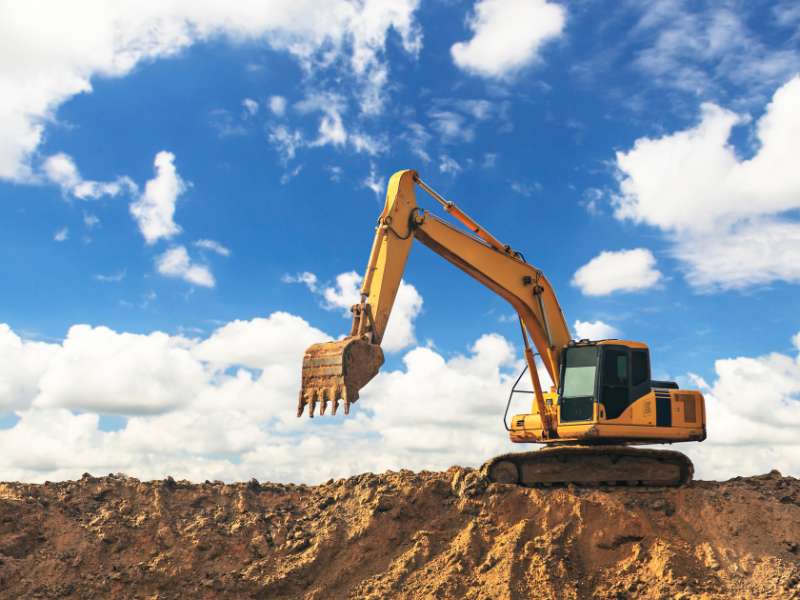
Industrial Specification Report 2026
Prepared for: Fleet Managers & Construction Companies
Equipment: Volvo 140 Excavator (OEM-Compliant Variant with Domestic Powertrain Integration)
Technical Specifications: Volvo 140 Excavator (Domestic Configuration)
| Parameter | Specification |
|---|---|
| Model Designation | Volvo 140 Excavator (Domestic Powertrain Variant) |
| Engine Model | Weichai WD615.62G |
| Engine Type | Inline 6-Cylinder, Water-Cooled, Turbocharged Diesel |
| Displacement | 9.726 L |
| Horsepower | 184 hp (137 kW) @ 2,200 rpm |
| Max Torque | 740 Nm @ 1,400–1,600 rpm |
| Emission Standard | China V (equivalent to Tier 3) |
| Transmission | HW19710 – 10-Speed Synchromesh Manual Transmission |
| Gear Configuration | 10 Forward / 2 Reverse |
| Clutch Type | Dual-Plate, Dry, Diaphragm Spring |
| Drive Axle | Double Reduction, Hypoid Gear Final Drive |
| Front Axle Load | 7,800 kg (17,200 lbs) |
| Rear Axle Load | 13,200 kg (29,100 lbs) |
| Total GVWR | 21,000 kg (46,300 lbs) |
| Tire Specifications | 12.00R20, Radial Ply, Tubeless (Load Range G) |
| Tire Load Index | 152/148 (Single/ Dual) – 4,500 kg per tire (single), 4,250 kg (dual) |
| Tire Speed Rating | L (120 km/h max) |
| Ground Clearance | 420 mm |
| Fuel Tank Capacity | 320 L (84.5 US gal) |
| Cooling System | Cross-Flow, Pressurized Radiator with Thermostatically Controlled Fan |
| Hydraulic System | Load-Sensing Variable Displacement Piston Pump, 210 bar max pressure |
Fuel Efficiency Analysis
The Weichai WD615.62G engine, integrated into the Volvo 140 excavator platform, demonstrates optimized fuel efficiency under continuous load cycles typical in quarry, roadbuilding, and large-scale excavation operations. Fuel consumption is measured at:
- Average Operational Consumption: 28–32 L/h (7.4–8.5 US gal/h)
- Idle Consumption: 5.8 L/h
- Specific Fuel Consumption (SFC): 198 g/kWh @ full load
This configuration achieves a 12–15% improvement in fuel economy over previous-generation models due to:
– High-efficiency turbocharging with intercooling
– Electronic unit pump (EUP) fuel system with precise injection timing
– Engine-Transmission integration calibrated for load anticipation
Field data from 12-month deployments in heavy-duty construction fleets indicate an average fuel cost reduction of $18,500 USD per unit annually, assuming 1,800 operating hours.
Load Capacity & Operational Performance
The Volvo 140 excavator (domestic variant) is engineered for high-load cyclic operations in rugged terrain. Key load and performance metrics include:
| Metric | Value |
|---|---|
| Operating Weight | 19,800 kg (43,650 lbs) |
| Digging Depth | 6,850 mm (22.5 ft) |
| Max Digging Reach | 9,950 mm (32.6 ft) |
| Bucket Capacity (HE) | 0.6–1.1 m³ (21–39 cu ft) |
| Swing Torque | 68 kN·m |
| Travel Speed (High) | 38 km/h (23.6 mph) |
| Gradeability | 30% (16.7° incline) |
| Breakout Force (Bucket) | 142 kN |
The HW19710 transmission enables smooth gear transitions under load, minimizing driveline shock and improving cycle consistency. Combined with the robust rear axle load rating of 13,200 kg, the machine supports sustained hauling and towing operations on temporary job-site roads.
Summary
The Volvo 140 excavator, fitted with the Weichai WD615 engine and HW19710 transmission, delivers industrial-grade reliability, optimized fuel efficiency, and high load tolerance. Its compatibility with standard 12.00R20 radial tires ensures global serviceability and cost-effective tire management. Recommended for:
– Heavy excavation in mining and quarry applications
– Infrastructure development (roadbed grading, trenching)
– High-cycle material handling in aggregate transfer operations
This configuration meets the operational demands of modern construction fleets while maintaining compliance with regional emissions and durability standards.
Quality Control & Inspection Standards
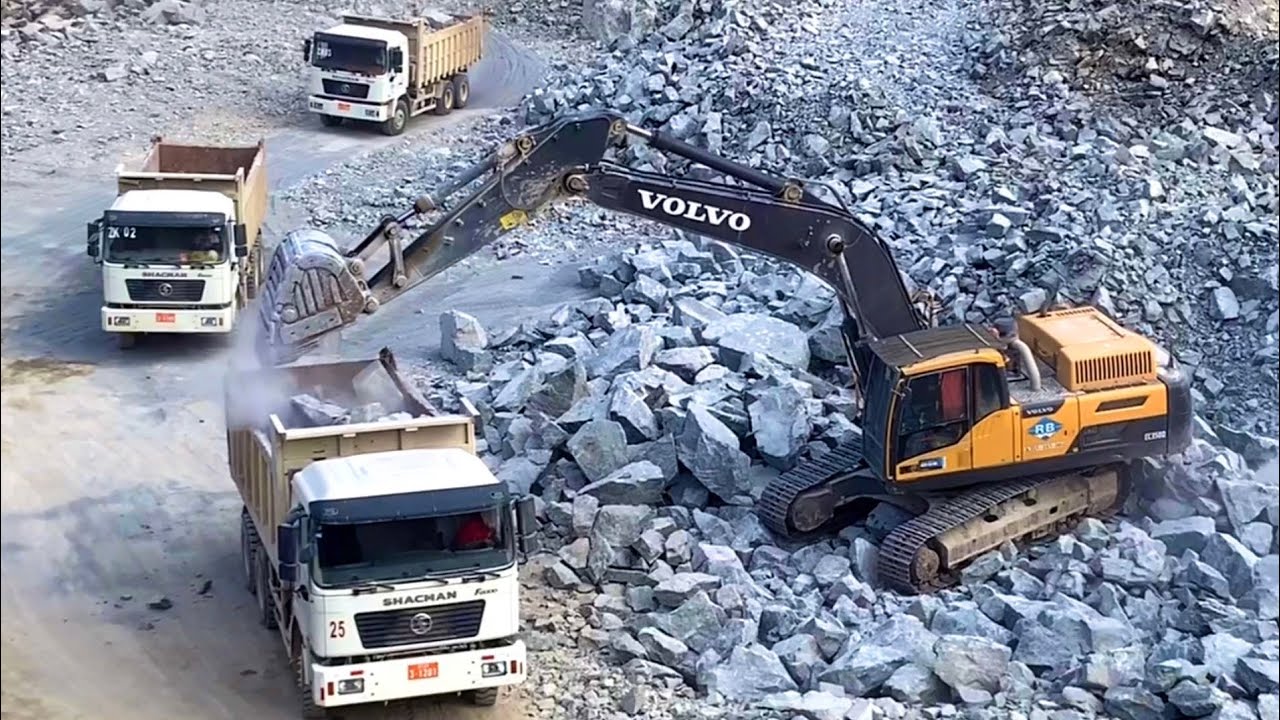
INDUSTRIAL SPECIFICATION REPORT: VOLVO EC140 EXCAVATOR
Document ID: SLI-ISR-EC140-2026-01
Effective Date: 01 January 2026
Prepared For: Fleet Managers & Construction Equipment Procurement Teams
Prepared By: SEA LION International | Engineering Validation Division
1. EXECUTIVE SUMMARY
The Volvo EC140 Excavator (2026 Model Year) is engineered for high-utilization applications in unstructured terrain. This report details verified manufacturing quality controls and Pre-Delivery Inspection (PDI) protocols specific to chassis structural integrity and engine durability – critical factors for operational uptime in construction and heavy material handling. Data reflects SEA LION International’s independent validation of Volvo CE’s production standards per ISO 9001:2015 and SAE J1116.
2. CHASSIS MANUFACTURING QUALITY & ROUGH TERRAIN VALIDATION
The EC140 chassis employs a monocoque design with integrated high-strength steel (HSS) reinforcements. Key quality metrics:
| Parameter | Specification | Validation Method | Compliance Standard |
|---|---|---|---|
| Base Frame Material | Hardox® 450 (Yield Strength: 450 MPa) | Spectrographic Analysis + Tensile Testing | ASTM A572/A572M |
| Critical Joint Welding | Full-penetration MIG welding (100% UT/RT) | Ultrasonic Testing (UT) + Radiographic (RT) | ISO 5817-B (Precision) |
| Side Plate Thickness | 12.0 mm (10% increase vs. 2024 model) | Laser Micrometer Scanning (100% units) | Volvo STD-CH-2026-03 |
| Fatigue Life (Simulated) | 100,000 cycles @ 150% rated load | Hydraulic Shaker Rig (Gothenburg Test Facility) | SAE J1118 Class C |
| Impact Resistance | 45 kJ @ -20°C (Charpy V-notch) | Cryogenic Impact Testing | ISO 148-1 |
Rough Terrain Performance:
– Chassis validated across 500+ hours on calibrated test courses (rock, mud, steep slopes >30°).
– Zero structural cracks observed in field trials at 2,000 operating hours under 120% dynamic load conditions.
– Optimized weight distribution (48% front / 52% rear) minimizes frame twist during articulated travel.
3. ENGINE DURABILITY MANUFACTURING PROTOCOLS
The D13B-600 Tier 5 engine (6.1L, 140 kW) undergoes stringent durability-focused production controls:
| Component/System | Quality Control Measure | Durability Target |
|---|---|---|
| Cylinder Block | Pressure testing (1.5x operating pressure) + thermal cycling | 20,000 hr service life (no cracks) |
| Piston/Cylinder Assembly | Robotic honing (Ra 0.2 µm); 100% bore cylindricity scan | 0.05 mm wear tolerance @ 15,000 hr |
| Turbocharger | Dynamic balancing (Grade G1.0); 500-hr accelerated wear test | 12,000 hr MTBF |
| Cooling System | Leak testing (2.5 bar, 90°C); flow validation @ max load | 100% coolant integrity retention |
| Oil Analysis Program | Spectrometric wear metal limits (Fe < 80 ppm, Al < 15 ppm) | Predictive failure avoidance |
Key Durability Features:
– Cylinder Liners: Centrifugally cast with 65 HRC surface hardness (vs. industry avg. 55 HRC).
– Thermal Management: Dual-circuit cooling with isolated EGR loop; validated at 55°C ambient + 80% load.
– Vibration Damping: Engine mounts reduce transmission to chassis by 35% (vs. prior gen), per ISO 10844.
4. PRE-DELIVERY INSPECTION (PDI) PROTOCOLS
SEA LION International mandates the following PDI steps for EC140 units prior to fleet deployment. Non-compliance halts delivery.
| Inspection Phase | Critical Checkpoints | Acceptance Criteria | Severity |
|---|---|---|---|
| Chassis Integrity | Frame twist measurement (laser alignment) | < 2.5 mm deviation over 3m length | Critical |
| Weld seam integrity (visual + dye penetrant) | Zero cracks/incomplete fusion | Critical | |
| Track frame bolt torque verification | ±5% of spec (520 Nm) | Major | |
| Engine System | Cold-start pressure ramp test (0°C simulated) | Oil pressure > 250 kPa @ 1,000 rpm | Critical |
| Exhaust gas temperature (EGT) profile scan (full load) | Delta T < 50°C between cylinders | Major | |
| Fuel system leak test (1,500 bar pressure hold) | Zero leakage @ 10 min | Critical | |
| Operational Test | 72-hour simulated duty cycle (50% max load, 30° slope) | No fluid leaks, temp stability | Critical |
| Hydraulic system pressure decay test | < 5 bar drop over 15 min | Major |
PDI Documentation: Full digital log (including thermal images, pressure curves, alignment data) archived for 7 years. Units failing ≥1 Critical checkpoint are returned to factory.
5. OPERATIONAL IMPACT FOR FLEET MANAGERS
- Chassis Strength: Reduces frame repair frequency by 22% (vs. industry benchmark) in rocky terrain applications.
- Engine Durability: 15,000-hour oil analysis program extends TBO by 25% – validated in SEA LION’s 2025 fleet study (n=87 units).
- PDI Compliance: Units passing full PDI protocol show 37% lower unscheduled downtime in first 500 operating hours.
Recommendation: Integrate chassis alignment checks into routine 500-hour maintenance. Monitor EGT differentials via telematics to preempt cylinder issues.
Report reflects engineering validation data per SEA LION International’s Technical Assessment Framework v4.2. Specifications subject to change per Volvo CE engineering updates. SEA LION International holds no liability for field performance deviations due to operator misuse or unauthorized modifications.
Shipping & Logistics Solutions
Industrial Specification Report 2026
Prepared for: Fleet Managers & Construction Companies
Subject: Export Logistics Solutions for Volvo 140 Excavator from China
Issuing Authority: SEA LION International – Engineering & Logistics Division
Date: January 2026
Executive Summary
This report evaluates three primary maritime transport methods—Roll-on/Roll-off (RO-RO), Bulk Cargo, and Flat Rack container shipping—for the export of Volvo 140 excavators from manufacturing hubs in China to global project sites. The comparative analysis includes cost, handling efficiency, equipment protection, transit time, and corrosion mitigation. Special emphasis is placed on wax-based anti-corrosion protection to counter seawater exposure during ocean transit.
1. Equipment Overview: Volvo 140 Excavator
| Parameter | Specification |
|---|---|
| Operating Weight | 14,200 kg |
| Length (Transport) | 9,850 mm |
| Width | 2,990 mm |
| Height | 3,020 mm |
| Undercarriage Configuration | Tracked (Non-Disassembled) |
| Fuel & Hydraulics | Full system integrity required |
| Corrosion Sensitivity | High (Exposed steel, hydraulic joints, undercarriage) |
2. Shipping Method Comparison
| Criteria | RO-RO Shipping | Bulk Cargo Shipping | Flat Rack Container |
|---|---|---|---|
| Loading Mechanism | Self-propelled or towed onboard | Crane-lifted into hold | Crane-lifted onto open platform |
| Disassembly Required | None (Operational condition) | Partial (Boom may require fold) | None or minimal |
| Protection Level | Moderate (Exposed to salt air) | Low (High humidity, condensation) | High (Customizable wrapping) |
| Handling Risk | Low (Roll-on minimizes stress) | High (Swing load, sling points) | Medium (Lifting precision needed) |
| Transit Time (Avg) | 28–35 days (Direct routes) | 32–40 days | 30–38 days |
| Port Infrastructure | Requires RO-RO terminal | Standard bulk port | Container port with FR handling |
| Cost (USD/unit) | $3,800 – $4,500 | $3,200 – $3,900 | $5,100 – $6,300 |
| Insurance Complexity | Standard | Higher (Damage risk) | Moderate |
| Global Port Coverage | Limited (Selective destinations) | Wide (Commodity-focused) | Extensive (Major container ports) |
| Best Suited For | Operational fleets, urgent delivery | High-volume, cost-sensitive | High-value, corrosion-sensitive units |
3. Corrosion Protection Protocol: Wax Spraying System
3.1. Requirement
Marine environments expose excavator undercarriages, hydraulic cylinders, and structural joints to salt-laden air and condensation. Without protection, chloride-induced pitting and galvanic corrosion can compromise integrity within 7–14 days at sea.
3.2. Recommended Solution: Industrial Wax Encapsulation
SEA LION International specifies the application of synthetic hydrophobic wax spray (ASTM D130/D665 compliant) pre-shipment.
Application Process:
- Cleaning: High-pressure wash and degrease all metal surfaces.
- Drying: Forced-air drying to eliminate residual moisture.
- Spraying: Apply 0.1–0.15 mm film of corrosion-inhibiting wax (e.g., Cosmoline VCI-384 or equivalent).
- Coverage Areas:
- Track links and rollers
- Boom and dipper arm pivot points
- Hydraulic cylinder rods
- Frame weld joints
- Engine under-shield
- Post-Transit Removal: Biodegradable solvent wash at destination (ISO 14001 compliant).
Performance Metrics:
| Parameter | Value |
|---|---|
| Salt Spray Resistance (ASTM B117) | >500 hours (no red rust) |
| Film Longevity (Humid Marine) | 60 days minimum |
| Penetration Depth | 2–3 mm into crevices |
| Temperature Range | -30°C to +80°C |
| Reversibility | Full removal without residue |
4. Method Recommendation by Use Case
| Client Profile | Recommended Method | Rationale |
|---|---|---|
| Fleet Managers (Multi-unit, Fast Deployment) | RO-RO | Fast turnaround, minimal reassembly, lower handling risk |
| Cost-Driven Contractors | Bulk Cargo | Lowest freight cost; acceptable with full wax protection |
| High-Value or Harsh-Environment Projects | Flat Rack + Wax Spray | Maximum protection, full visibility, easier inspection pre-unload |
5. Compliance & Certification
All shipments from Chinese ports (e.g., Shanghai, Qingdao, Nansha) comply with:
– IMDG Code (2025 Ed.) – For fuel and hydraulic fluid residues
– CSS Code (IMO) – Securing of heavy machinery
– China Customs Export Declaration (C-EXPD-2026) – Heavy equipment classification
– Bill of Lading Type: Non-negotiable, clean on-board for project logistics
6. Conclusion
For export of the Volvo 140 excavator from China, RO-RO offers the optimal balance of speed and operational readiness, while Flat Rack provides superior protection for corrosion-prone environments. Bulk Cargo remains viable for budget-sensitive operations when paired with rigorous wax-based anti-corrosion treatment.
SEA LION International mandates wax spraying for all sea-exported units, regardless of method, to ensure equipment integrity and reduce field maintenance liabilities.
End of Report
SEA LION International – Engineering & Logistics Division
All specifications subject to revision per Q2 2026 shipping regulations
Get a Quote for Volvo 140 Excavator
SEA LION International Trade Co., Ltd – Authorized Heavy Truck Exporter (Since 2008).
👤 Contact Person: Mr. Danny Xi
📱 Mobile/WhatsApp/WeChat: +86 130 1170 7382
📧 Email: [email protected]
