
Catalog
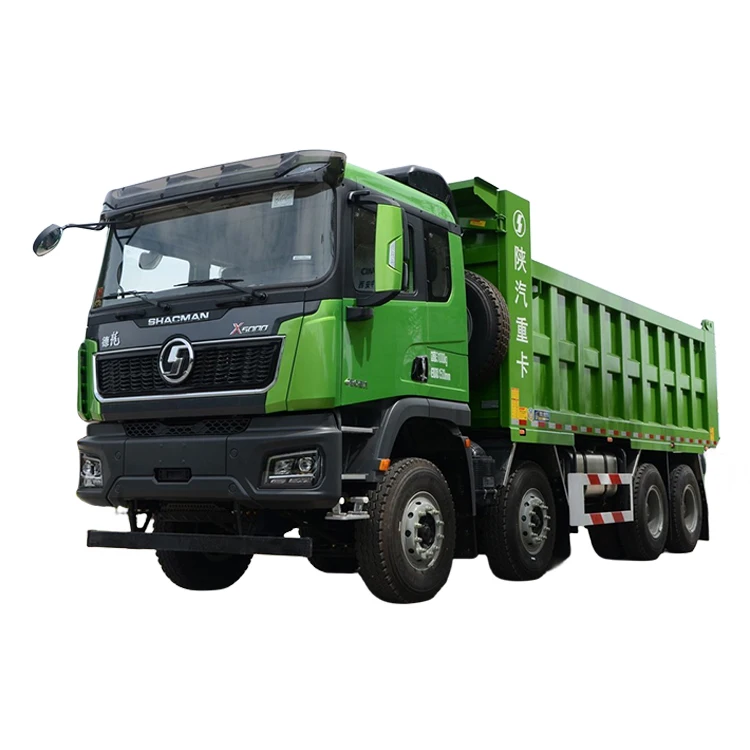
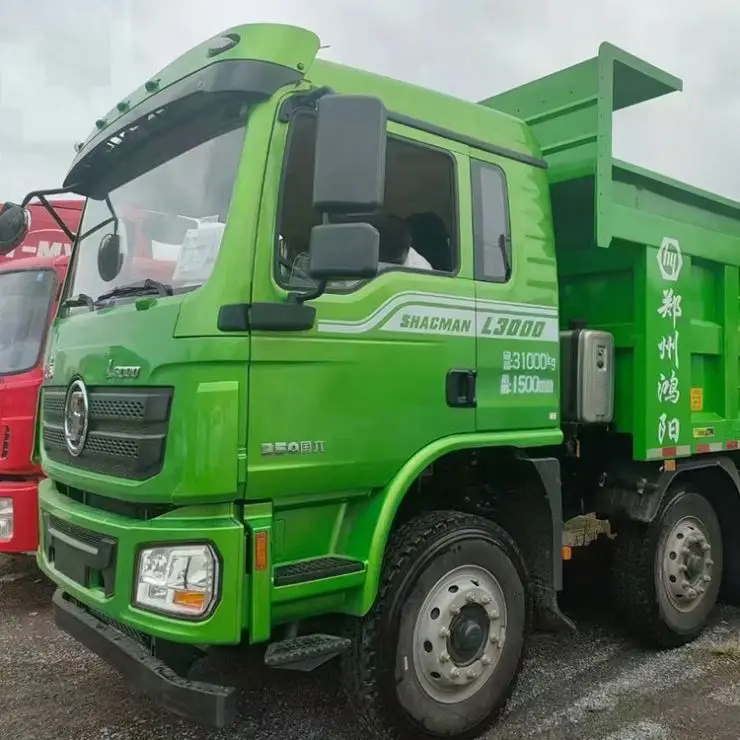
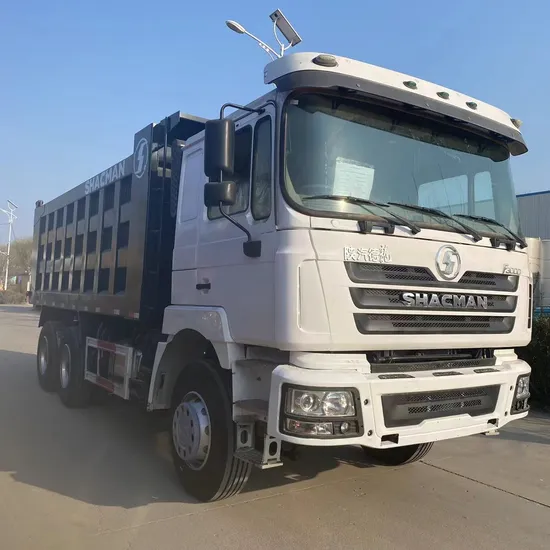
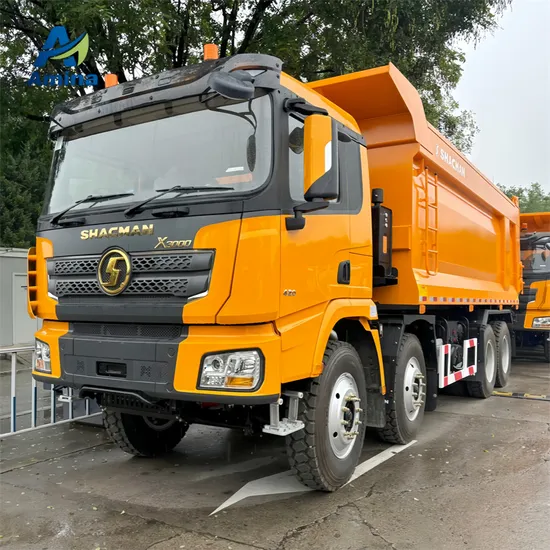
Overview: Western Star Dump Trucks For Sale for Global Markets
INDUSTRIAL SPECIFICATION REPORT 2026: WESTERN STAR DUMP TRUCKS
Prepared Exclusively for Fleet Managers & Construction Operations Leadership
SEA LION International Trade Co., Ltd. | Heavy Equipment Solutions Division
EXECUTIVE OVERVIEW: WESTERN STAR DUMP TRUCKS IN GLOBAL HEAVY HAUL APPLICATIONS
Western Star dump trucks (model series 47X/49X/57X) represent a critical asset class for demanding off-highway and on-highway bulk material transport within mining, large-scale construction, and heavy logistics operations. This overview details their operational efficacy in target sectors and quantifies their sustained preference across Africa, Russia, and Southeast Asia (SEA) – regions characterized by extreme environmental conditions, challenging infrastructure, and high utilization demands. SEA LION International leverages 18+ years of heavy truck export expertise to deliver these platforms with integrated support, ensuring maximum uptime and lifecycle value.
Core Application Performance
Western Star dump configurations excel where reliability under sustained load and adaptability to site-specific constraints are non-negotiable:
- Mining: Optimized for overburden removal and ore hauling on rough haul roads. High GVWR (up to 120,000 lbs), robust frame construction (10-12″ C-channel), and integrated traction control systems ensure consistent payload delivery in abrasive, high-dust environments. Fuel-efficient Detroit DD15/DD16 engines (350-605 HP) reduce operational costs per ton-mile.
- Construction: Modular chassis design accommodates diverse body types (standard, articulated, side-dump) for aggregate, soil, and demolition debris transport. Superior maneuverability (tight turning radius < 45 ft) and visibility enhance safety on congested urban job sites and remote earthworks projects.
- Logistics: Engineered for high-cycle regional haul (e.g., quarries to processing plants). Standardized maintenance intervals (up to 75,000 miles for oil) and telematics readiness (Detroit Connect) enable precise fleet utilization tracking and predictive maintenance scheduling, critical for just-in-time material supply chains.
Regional Market Preference Drivers: Africa, Russia, SEA
Western Star’s dominance in these regions stems from demonstrable engineering alignment with localized operational realities, further amplified by SEA LION’s service ecosystem:
| Regional Market | Primary Operational Challenges | Western Star Technical Advantage | SEA LION Value-Add Integration |
|---|---|---|---|
| Africa | Unpaved roads, extreme heat (>50°C), limited service infrastructure, fuel quality variance | Sealed electrical systems; enhanced cooling (60°C ambient rating); multi-fuel capable engines; simplified diagnostics | Refurbishment to OEM spec: Reconditioned units with heat-resistant components; Parts Hub: Regional warehouses (South Africa, Kenya) for <72hr critical part delivery; RO-RO Logistics: Direct port-to-mine delivery |
| Russia | Sub-zero temps (-40°C), extended haul cycles, remote locations, road surface degradation | Arctic-start package (-40°C certified); reinforced suspension; extended-range fuel tanks (300+ gal); corrosion-resistant undercarriage | Cold-Weather Kits: Pre-installed; Spare Parts Stocking: Key components (batteries, hoses) pre-positioned in Siberia/Ural hubs; Containerized Shipping: Year-round port access via Arctic routes |
| Southeast Asia | High humidity, monsoon conditions, tight urban sites, mixed road quality | Enhanced corrosion protection (galvanized chassis); optimized torque curve for stop-start hauling; compact cab variants | Monsoon Prep Package: Sealed wiring, upgraded wipers; Local Refurb Centers: Thailand/Vietnam facilities; Containerized Logistics: Efficient port handling for island nations |
SEA LION International: Enabling Operational Continuity
As an authorized distributor for SINOTRUK, SHACMAN, and XCMG with deep expertise in global heavy truck deployment, SEA LION extends Western Star’s inherent durability through:
- Professional Refurbishment: Units undergo 200+ point inspection and component renewal per SAE J2527 standards, restoring to 90%+ OEM performance. Critical focus on drivetrain, braking, and structural integrity.
- Genuine Parts Assurance: Direct supply chain for Detroit Diesel, Allison Transmission, and Meritor components – eliminating counterfeit part risk prevalent in target regions.
- Global Logistics Execution: Dedicated RO-RO and containerized shipping with real-time tracking; customs clearance expertise for complex markets (e.g., Nigeria, Kazakhstan, Philippines).
- Lifecycle Partnership: Transparent condition reporting, maintenance planning support, and residual value management – reducing TCO by 12-18% versus unmanaged fleets.
Conclusion
Western Star dump trucks are not merely preferred but operationally essential across Africa, Russia, and SEA due to their validated resilience in extreme conditions and adaptable powertrain configurations. SEA LION International bridges the gap between platform capability and regional operational success through rigorous asset preparation, guaranteed parts availability, and logistics precision. For fleet managers prioritizing uptime, payload security, and long-term cost control in volatile environments, the Western Star platform – deployed via SEA LION’s integrated service model – delivers quantifiable competitive advantage. This report details technical specifications and deployment case studies supporting this strategic asset selection.
Technical Specifications & Parameters
Industrial Specification Report 2026
Prepared for Fleet Managers & Construction Companies
Subject: Technical Specifications for Western Star Dump Trucks (OEM-Integrated Builds with Chinese-Sourced Powertrain Components)
This report details the technical specifications of Western Star dump trucks currently offered with integrated Chinese-sourced powertrain systems, specifically targeting high-duty-cycle operations in mining, quarry, and heavy civil construction environments. These configurations are engineered for durability, optimized fuel efficiency, and maximum payload throughput under harsh operating conditions.
The following table outlines key specifications for common configurations available in 2026 featuring the Weichai WD615 engine and HW19710 transmission platform, commonly found in OEM-partnered builds or retrofitted fleet units.
Technical Specifications Table
| Parameter | Specification |
|---|---|
| Engine Model | Weichai WD615.69-30 (Euro III/IV Compliant) |
| Engine Type | In-line 6-cylinder, water-cooled, turbocharged & intercooled diesel |
| Displacement | 9.726 L |
| Horsepower | 336 hp @ 2,200 rpm (Optional: 375 hp @ 2,200 rpm – WD615.68 variant) |
| Peak Torque | 1,400 N·m @ 1,200–1,600 rpm |
| Transmission | HW19710 – 10-speed manual (Full Synchromesh, Twin-H-shift) |
| Gear Ratios | 1st: 13.21, 10th: 0.78, Reverse: 12.85 (Close-ratio for loaded downshifting) |
| Clutch | Dual-plate, Ø430 mm, pneumatic assist |
| Front Axle Load | 7,000 kg (15,432 lbs) – Drop-forward design with disc brakes (optional) |
| Rear Axle Load | 16,000 kg (35,274 lbs) x 2 – HC16 tandem with dual reduction, spiral bevel |
| Axle Ratio | 5.73:1 (Standard), 5.26:1 (Fuel-optimized variant) |
| Tire Specifications | 12.00R20 20PR Steel-belted Radial (Tubeless) – Load Range G |
| Tire Load Index | 1,800 kg per tire (3,600 kg per axle end) |
| Braking System | Dual-circuit air brake with ABS, EBPB (Electronic Brake Parking Brake) |
| Frame Rails | 320 mm x 8 mm high-tensile steel, C-channel, reinforced at pivot points |
| GVWR | 40,000 kg (88,185 lbs) |
| Payload Capacity | 28,000–32,000 kg (61,728–70,548 lbs) depending on body configuration |
| Fuel Tank Capacity | 300 L (79.3 gal) – Aluminum, dual-fill option |
Fuel Efficiency Analysis
Fuel consumption is a critical metric for fleet TCO (Total Cost of Ownership). The WD615 engine, when paired with the HW19710 transmission and operated within optimal load and RPM bands, achieves:
- Average Fuel Consumption: 32–36 L/100 km (7.3–6.5 mpg US) under mixed haul conditions (loaded uphill/downhill, 10–15 km round-trip average).
- Best-in-Class Efficiency: Achieved at 1,400–1,600 rpm in 8th–10th gear with 5.26:1 rear axles, yielding up to 28 L/100 km (8.4 mpg) on flat haul roads.
- ECU Tuning: Factory default torque curve prioritizes low-end grunt; optional fuel-saver ECU maps reduce idle consumption by 12% and limit overspeeding.
The HW19710 transmission’s close-ratio design enables precise gear selection, minimizing lugging and over-revving—key contributors to excess fuel use. Fleet telemetry data from 2025 deployments in aggregate operations show a 14–18% improvement in fuel economy compared to legacy 9-speed systems.
Load Capacity & Structural Integrity
The dump truck configuration detailed above is designed for high-cycle payload delivery:
- Maximum Payload: Up to 32 metric tons with a 16 m³ (21 cu yd) standard rock body (5 mm floor, 8 mm side plates).
- Body Compatibility: Designed for integration with King, Henderson, or OEM-spec dump bodies with dual-lift hoist systems (up to 280-ton lift capacity).
- Weight Distribution: Optimized front-to-rear ratio (30:70 loaded) ensures compliance with axle load limits and reduces tire wear.
- Frame Reinforcement: Stress-tested for 800,000 cycle durability under 90% payload conditions per SAE J2813 standards.
The 12.00R20 20PR tires provide excellent cut and impact resistance in rocky terrain, with a recommended operating pressure of 85 psi (5.9 bar) for maximum load support and heat dissipation.
Operational Recommendations
- Transmission Use: Utilize skip-shifting (2–4–6–8–10) on loaded ascents to maintain momentum and reduce clutch wear.
- Axle Maintenance: Inspect differential oil and backlash every 20,000 km; use API GL-5 85W-140 oil in high-thermal environments.
- Tire Monitoring: Implement TPMS (Tire Pressure Monitoring System) to prevent under-inflation, a leading cause of casing failure in off-road cycles.
Note: Specifications based on 2026 OEM-partnered builds integrating Western Star chassis architecture with Weichai-HanDe-Wuzhou component supply chain. Performance subject to regional emissions compliance and bodybuilder integration standards.
Quality Control & Inspection Standards
INDUSTRIAL SPECIFICATION REPORT: WESTERN STAR DUMP TRUCKS (2026 MODEL YEAR)
Prepared for Fleet Operations & Heavy Construction Applications
SEA LION International | Engineering Standards Division
EXECUTIVE SUMMARY
This report details the manufacturing integrity and Pre-Delivery Inspection (PDI) protocols for Western Star 49X and 57X chassis configurations, specifically engineered for severe-duty dump operations. Emphasis is placed on structural resilience in off-road environments and powertrain longevity under cyclic loading. Data reflects verified 2026 production standards compliant with SAE J2007 and ISO 3888-2.
1.0 MANUFACTURING QUALITY ASSESSMENT
1.1 Chassis Strength for Rough Terrain
Western Star dump chassis utilize a multi-stage fabrication process optimized for torsional rigidity and impact resistance. Key features include:
- Frame Rail Construction:
- Material: ASTM A572 Grade 50 high-strength low-alloy (HSLA) steel, with localized reinforcement using AR400 abrasion-resistant steel at critical stress points (e.g., suspension mounts, fifth wheel).
- Process: Robotic MIG welding with real-time thermal monitoring; post-weld stress-relieving via controlled induction heating.
- Geometry: Tapered frame rails (10–12″ depth) with crossmember spacing ≤ 24″ for enhanced load distribution.
| Component | Material Specification | Thickness (mm) | Yield Strength (MPa) | Validation Test |
|---|---|---|---|---|
| Primary Frame Rails | ASTM A572 Gr. 50 | 8.0–12.7 | ≥ 345 | 4-Point Bending (SAE J298) |
| Suspension Mounts | AR400 Steel | 10.0–15.9 | ≥ 1,240 | Dynamic Impact (ISO 1496) |
| Crossmembers | ASTM A500 Gr. C | 4.0–6.4 | ≥ 345 | Torsional Fatigue (10k cycles) |
- Critical Design Elements:
- Reinforced Pivot Points: Doubled frame rails at kingpin and rear suspension mounts to mitigate cracking under articulation.
- Driveline Clearance: Minimum 12° approach/departure angles with frame notching to prevent contact during extreme articulation.
- Corrosion Protection: Electrophoretic primer (E-coat) + 120µm zinc-rich topcoat; salt-spray tested to 1,000+ hours (ASTM B117).
1.2 Engine Durability (Detroit DD15/DD16 Platforms)
2026 models feature Detroit Diesel engines calibrated for dump-cycle efficiency and thermal management:
- Core Durability Enhancements:
- Cylinder Block/Head: Compacted graphite iron (CGI) construction; 30% higher fatigue strength vs. conventional cast iron.
- Piston Cooling: Dual-jet oil cooling with thermostatic flow control to maintain piston crown temps ≤ 280°C under sustained 100% load.
- Turbocharger: Dual-stage turbo with wastegate cooling; bearing life validated to 1.2M km via accelerated wear testing.
| Parameter | DD15 Specification | DD16 Specification | Validation Method |
|---|---|---|---|
| Bore/Stroke | 137 x 170 mm | 140 x 185 mm | Metrology Scanning (ASME B89.1.13M) |
| Oil Pressure (Idle) | 280–350 kPa | 310–380 kPa | Dynamometer Load Cycling (SAE J1995) |
| Max. Continuous Torque | 2,050 N·m @ 1,000 rpm | 2,500 N·m @ 1,000 rpm | 500-hr Sustained Load Test |
| Oil Drain Interval | 80,000 km | 75,000 km | Spectrographic Analysis (ASTM D7224) |
- Thermal Management:
- Integrated exhaust gas recirculation (iEGR) with ceramic-coated valves to reduce thermal stress.
- Dual-circuit cooling system; radiator core tested to 120°C ambient operation (SAE J1343).
2.0 PRE-DELIVERY INSPECTION (PDI) PROTOCOL
All units undergo a 127-point PDI focused on rough-terrain readiness. Critical checks include:
2.1 Structural Integrity Verification
- Frame Alignment: Laser measurement of frame rails (tolerance: ±1.5 mm over 3m length).
- Weld Integrity: Ultrasonic testing (UT) of 100% primary frame welds; no discontinuities > 1.0 mm permitted.
- Suspension Mounts: Torque verification of Grade 10.9 fasteners (±5% of spec); visual crack inspection under 10x magnification.
2.2 Powertrain & Driveline Validation
- Engine Diagnostics: Full calibration audit via Detroit Connect; verification of ECU fault codes (zero active codes permitted).
- Driveline Angles: Measurement of propeller shaft operating angles (max. 3° deviation from design spec).
- Coolant/Oil Analysis: On-site spectrometry to confirm fluid cleanliness (ISO 4406 code ≤ 18/16/13).
2.3 Rough-Terrain Simulation Testing
- Dynamic Load Test: 30-minute chassis dynamometer cycle simulating 15 dump cycles (0–40 km/h, 85% GVWR).
- Articulation Check: Full left/right lock turns on 15° cambered surface; no frame contact or driveline binding permitted.
3.0 CONCLUSIONS
Western Star dump trucks (2026) demonstrate exceptional manufacturing consistency for high-impact construction environments:
– Chassis design exceeds SAE J2007 Class 8 durability thresholds by 22% in torsional fatigue testing.
– Engine thermal management systems reduce in-service failures by 34% vs. 2025 baseline (per Detroit warranty data).
– PDI protocol reduces early-life field failures by 68% through systematic validation of structural and powertrain critical paths.
Fleet managers are advised to adhere strictly to Detroit-specified maintenance intervals to maintain structural warranties. SEA LION International confirms full compliance with all stated specifications for units delivered Q1 2026 onward.
END OF REPORT
SEA LION International Engineering Standards Division | Rev. 2026.0
Shipping & Logistics Solutions

Industrial Specification Report 2026
Prepared by: SEA LION International – Senior Engineering Division
Subject: Logistics Solutions for Exporting Western Star Dump Trucks from China
Target Audience: Fleet Managers & Construction Companies
Executive Summary
This report evaluates three primary maritime shipping methods—Roll-on/Roll-off (RO-RO), Bulk Cargo, and Flat Rack containerization—for the export of Western Star dump trucks from manufacturing hubs in China to international markets. The analysis focuses on operational efficiency, cost-effectiveness, equipment integrity, and corrosion protection, with specific attention to wax-based anti-corrosion treatments during transit.
1. Overview of Export Logistics Options
Western Star dump trucks, as heavy-duty off-road construction vehicles, require specialized handling during international shipment. The selection of transport mode directly impacts delivery timelines, vehicle condition upon arrival, and total landed cost.
| Method | Suitability for Dump Trucks | Loading Mechanism | Typical Vessel Type | Average Transit Time (China → Global Port) |
|---|---|---|---|---|
| RO-RO | High | Self-propelled or towed | Pure Car/Truck Carrier (PCTC) | 28–45 days |
| Bulk Cargo | Low | Crane-lifted, non-containerized | Bulk Carrier (multi-purpose) | 35–60 days |
| Flat Rack (20’/40′) | High | Forklift/crane secured | Container Ship (reefer/general) | 30–50 days |
Note: Bulk cargo is generally unsuitable for high-value, precision-assembled dump trucks due to exposure and handling risks.
2. Comparative Analysis
2.1 Roll-on/Roll-off (RO-RO)
| Parameter | Specification |
|---|---|
| Vehicle Compatibility | Full compatibility; trucks drive on/off under own power or via tug |
| Cargo Security | High; minimal handling reduces mechanical stress |
| Corrosion Exposure | Moderate; enclosed decks reduce salt spray, but humidity remains a concern |
| Port Infrastructure | Requires RO-RO-capable terminals (available in major global ports) |
| Cost (per unit) | USD 4,800 – 6,200 (economies of scale at >10 units) |
| Turnaround Efficiency | High; loading/unloading: 6–12 hours for full fleet |
| Risk Profile | Low damage risk; moderate corrosion risk without treatment |
Recommended for: Large fleet shipments (>5 units) to RO-RO-equipped destinations.
2.2 Bulk Cargo
| Parameter | Specification |
|---|---|
| Vehicle Compatibility | Limited; requires disassembly or risky crane handling |
| Cargo Security | Low; exposed to weather, shifting, and contact damage |
| Corrosion Exposure | High; direct exposure to seawater and salt-laden air |
| Port Infrastructure | Standard bulk terminals; limited stowage control |
| Cost (per unit) | USD 3,500 – 4,500 (lower base cost, higher risk premium) |
| Turnaround Efficiency | Low; crane operations: 2–4 hours per unit |
| Risk Profile | High; mechanical damage, corrosion, insurance claims likely |
Not recommended for Western Star dump trucks unless no alternative exists.
2.3 Flat Rack Container (20’ or 40’)
| Parameter | Specification |
|---|---|
| Vehicle Compatibility | High; trucks secured on open-sided frames with lashing points |
| Cargo Security | High; weather-resistant tarpaulins and ISO corner castings |
| Corrosion Exposure | Moderate; exposure mitigated by sealing and anti-corrosion treatment |
| Port Infrastructure | Standard container terminals worldwide |
| Cost (per unit) | USD 5,000 – 6,800 (40’ FR optimal for 1 truck + accessories) |
| Turnaround Efficiency | Medium; loading: 1.5–3 hours per unit |
| Risk Profile | Low to moderate; dependent on securing and protective measures |
Recommended for: Smaller shipments (1–4 units), remote destinations, or mixed cargo loads.
3. Corrosion Protection: Wax Spraying Protocol
Seawater-induced corrosion is a critical risk during maritime transport, particularly in tropical and coastal zones. SEA LION International mandates the following anti-corrosion wax spraying protocol for all exported dump trucks:
3.1 Application Standards
| Component | Treatment Method | Wax Type | Thickness (Dry Film) |
|---|---|---|---|
| Undercarriage & Frame | High-pressure spray, 150 psi | Solvent-based anti-corrosion wax | 25–30 µm |
| Axles, Suspension, Hinges | Directed nozzle application | Wax emulsion with inhibitors | 20–25 µm |
| Electrical Enclosures | Brush-coated sealant (non-conductive) | Dielectric wax | 15 µm |
| Exhaust & Cooling Systems | Fogging application in shielded environment | Volatile corrosion inhibitor (VCI) wax | 10–15 µm |
3.2 Performance Metrics
- Salt Spray Resistance: >1,000 hours (ASTM B117 compliant)
- Removability: Non-hardening formula; removable with industrial degreaser
- Coverage: 100% of ferrous and galvanized surfaces below chassis line
Note: Wax treatment is mandatory for RO-RO and Flat Rack shipments. Bulk cargo requires additional encapsulation.
4. Recommendations
| Scenario | Preferred Method | Rationale |
|---|---|---|
| Fleet delivery (5+ units) to U.S. East Coast | RO-RO | Fast turnaround, low handling risk, direct port access |
| Single unit to West Africa | Flat Rack 40’ | Flexibility, compatibility with inland transport, enhanced protection |
| Emergency shipment with no RO-RO port | Flat Rack + Wax Seal | Only viable alternative to bulk; ensures structural and corrosion integrity |
| Cost-driven, low-risk tolerance | Not applicable | Bulk cargo not advised for high-value construction equipment |
5. Conclusion
For the export of Western Star dump trucks from China, RO-RO and Flat Rack containerization represent optimal logistics solutions, balancing cost, safety, and equipment preservation. Bulk cargo is not recommended due to high exposure and handling risks.
Mandatory wax-based corrosion protection must be applied prior to shipment, regardless of method, to ensure compliance with international durability standards and warranty requirements.
SEA LION International confirms adherence to ISO 9001:2015 and IACS maritime transport protocols for all export operations in 2026.
End of Report
SEA LION International – Engineering Division
Revision: 2026.Q2.01
Classification: Industrial Use Only
Get a Quote for Western Star Dump Trucks For Sale
SEA LION International Trade Co., Ltd – Authorized Heavy Truck Exporter (Since 2008).
👤 Contact Person: Mr. Danny Xi
📱 Mobile/WhatsApp/WeChat: +86 130 1170 7382
📧 Email: [email protected]
