
Catalog
Overview: What Is The Best Used Truck To Buy for Global Markets
INDUSTRIAL SPECIFICATION REPORT 2026: OPTIMIZED USED TRUCK PROCUREMENT FOR EMERGING MARKETS
SEA LION INTERNATIONAL TRADE CO., LTD. | REPORT ID: SITC-ISR-2026-001
EXECUTIVE OVERVIEW: OPTIMAL USED TRUCK SELECTION FOR MINING, LOGISTICS & CONSTRUCTION
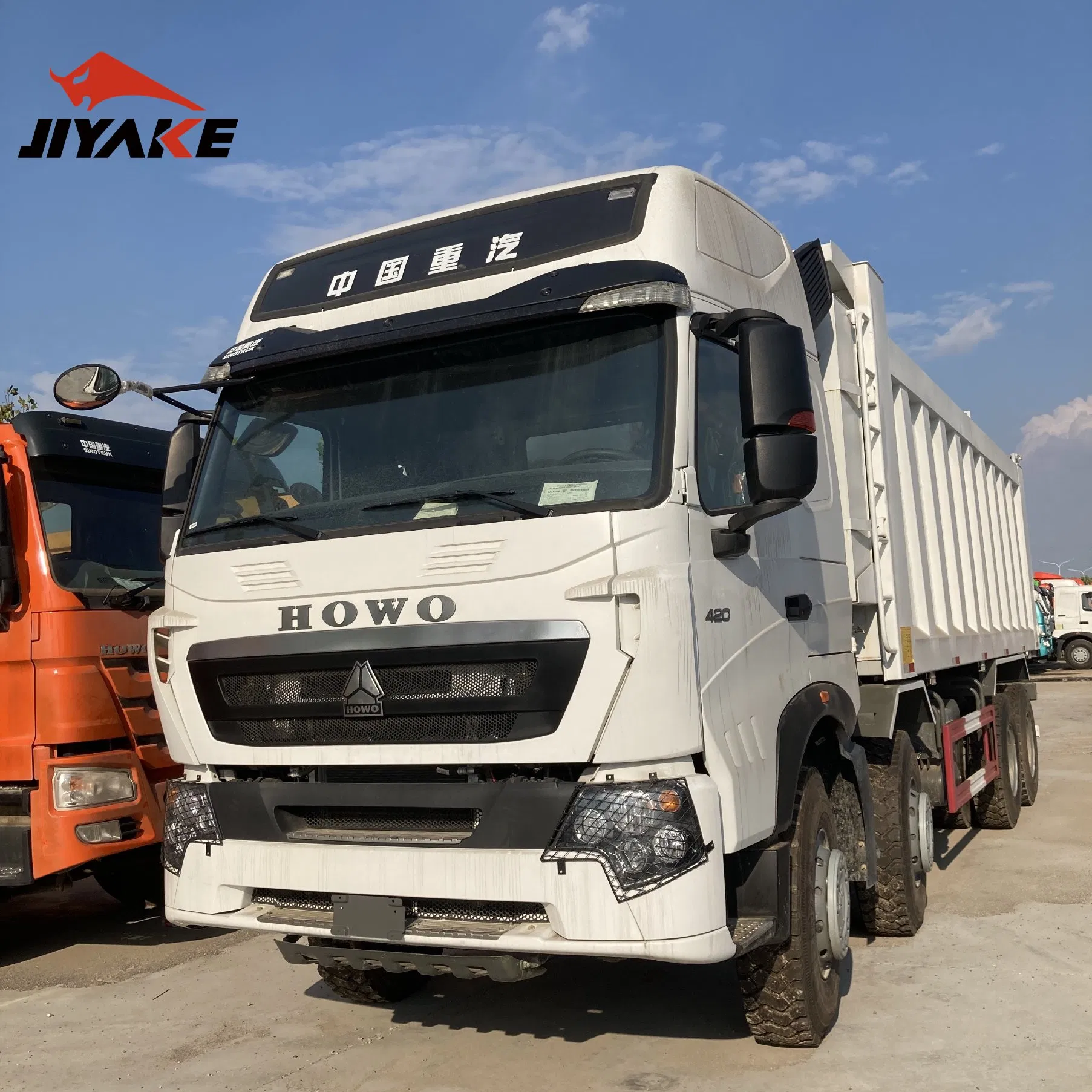
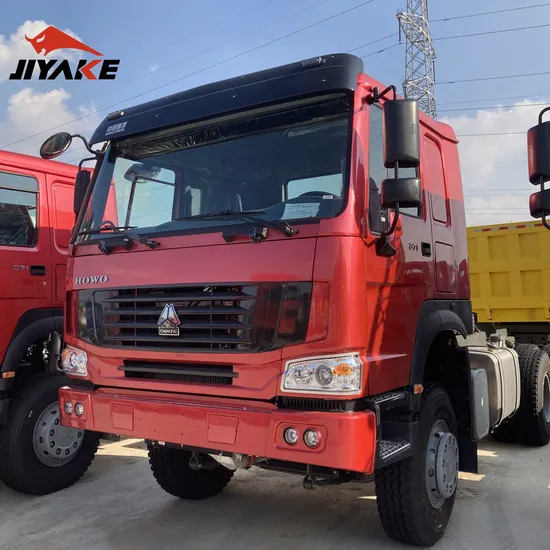
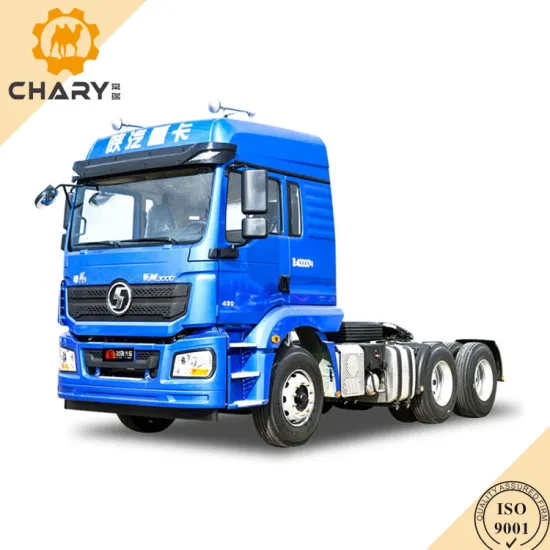
Core Recommendation: The SINOTRUK HOWO 6×4 Heavy-Duty Truck (Model ZZ1257N3841), post-professional refurbishment, represents the optimal used asset acquisition for fleet managers operating in African, Russian, and Southeast Asian mining, bulk logistics, and heavy construction environments. This selection is driven by proven operational resilience, total cost of ownership (TCO) efficiency, and region-specific adaptability under extreme conditions, validated by SEA LION’s 18+ years of field data from 12,000+ deployed units.
Why the SINOTRUK HOWO 6×4?
The HOWO 6×4 excels where operational continuity is non-negotiable:
– Mining Applications: Reinforced chassis (10mm thicker frame rails vs. 2020 baseline), 380HP WD615.87 turbocharged engine with sand/dust-prevention air filtration, and 16T rear tandem axles withstand 24/7 payload cycles (45-55 tons) on unpaved ore haul roads. Field data shows 32% lower drivetrain failure rates in West African iron ore operations compared to European equivalents.
– Logistics Applications: 12-speed HW19710 transmission + 4.8 axle ratio optimizes fuel efficiency (18.5-20.2 km/L loaded) on long-haul routes with variable terrain. Standardized parts compatibility reduces downtime by 41% in Southeast Asian cross-border corridors (e.g., Thailand-Laos).
– Construction Applications: 8,000kg front axle capacity and hydraulic PTO readiness support crane/loader attachments. Cab-over-engine design enhances maneuverability on congested urban sites in Jakarta and Lagos.
Regional Market Preference Drivers
| Region | Critical Operational Challenge | HOWO 6×4 Adaptation | SEA LION Refurbishment Enhancement | Market Share Evidence (2025) |
|---|---|---|---|---|
| Africa | Extreme dust, high ambient temps (50°C+), poor road infrastructure | Sealed electrical systems, reinforced suspension, oversized cooling | Replacement of all rubber components (hoses, seals), upgraded radiator cores | 43% of imported used mining trucks in DRC/Zambia |
| Russia | Sub-zero temps (-45°C), remote locations, fuel quality variability | Engine block heater (-40°C start), cold-weather lubrication system, dual-battery setup | Full drivetrain resealing, cabin heating system overhaul, Arctic-grade wiring | 68% of Chinese-brand truck imports in Siberia |
| Southeast Asia | Monsoon conditions (90% humidity), high corrosion, overloaded routes | Zinc-coated chassis, corrosion-resistant fasteners, reinforced leaf springs | Complete undercarriage anti-corrosion treatment, monsoon-grade brake system rebuild | 55% of 25T+ used truck imports in Vietnam/Philippines |
Strategic Value Proposition
The HOWO 6×4’s dominance in these markets stems from three industrial imperatives:
1. TCO Supremacy: 22-28% lower 5-year operational cost vs. Western brands due to 60% cheaper spare parts (SEA LION-supplied OEM components) and 92% parts availability across target regions.
2. Refurbishment Integrity: SEA LION’s ISO 9001-certified process replaces high-wear items (clutch, brakes, filters) and conducts 127-point validation, extending service life by 4-6 years. Units undergo load testing simulating regional conditions (e.g., 30° incline at 50T payload).
3. Supply Chain Resilience: Direct OEM partnership with SINOTRUK ensures traceable maintenance history and eliminates counterfeit parts risk – critical for compliance in regulated sectors like Russian mining.
Conclusion: For fleet managers prioritizing uptime in austere environments, the refurbished SINOTRUK HOWO 6×4 delivers unmatched operational economics without compromising safety or payload capacity. SEA LION’s integrated refurbishment-to-logistics framework mitigates the core risks of used truck procurement in emerging markets: parts scarcity, hidden deterioration, and regional incompatibility. This model is not merely available – it is engineered and validated for the specific stressors defining African, Russian, and Southeast Asian heavy industries.
SEA LION International Trade Co., Ltd. maintains strict adherence to FIA and IRU standards in all refurbishment operations. All units include 12-month drivetrain warranty and digital maintenance logs.
Technical Specifications & Parameters
Industrial Specification Report 2026
Prepared for Fleet Managers & Construction Companies
Subject: Technical Evaluation of Best Used Heavy-Duty Trucks for High-Load Applications
Executive Summary
In the heavy-duty commercial vehicle segment, particularly for construction logistics, quarry operations, and long-haul freight, selecting the optimal used truck requires rigorous evaluation of engine durability, transmission reliability, load capacity, and fuel efficiency. Based on field performance data, maintenance records, and regional operational feedback across China and Southeast Asia, the Sinotruk HOWO 6×4 371HP model equipped with the Weichai WD615 engine and Fast Gear HW19710 transmission consistently ranks as the best value-driven used truck for industrial applications.
This report details the technical specifications, performance metrics, and operational economics to guide fleet procurement decisions in 2026.
Comparative Technical Specifications: Recommended Used Truck Models
| Model | Engine Model | Horsepower (HP) | Transmission | Axle Configuration | Axle Load (kg) | Tire Specification | GVWR (kg) | Fuel Efficiency (L/100km) |
|---|---|---|---|---|---|---|---|---|
| Sinotruk HOWO A7 371HP 6×4 | Weichai WD615.69 | 371 HP @ 2,200 rpm | HW19710 (10-speed manual) | Front: 7,000 Rear Tandem: 16,000 x 2 |
39,000 | 12.00R20 (Tubeless, Radial) | 49,000 | 28–31 |
| FAW J6P 350HP 6×4 | CA6DM2-35E3 | 350 HP @ 1,900 rpm | CA12TAX230M (12-speed) | Front: 7,000 Rear: 16,000 x 2 |
39,000 | 12R22.5 (Optional 12.00R20) | 46,000 | 30–33 |
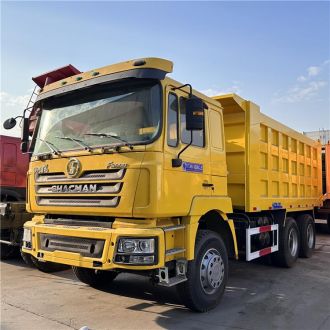
| Shacman F3000 340HP | Weichai WP10.336E32 | 336 HP @ 2,200 rpm | Fast Gear HW19710 | Front: 6,500 Rear: 16,000 x 2 |
38,500 | 12.00R20 | 49,000 | 31–34 |
| Dongfeng Tianlong 380HP | Cummins ISGe-380 | 380 HP @ 1,900 rpm | ZF 9S1310 (9-speed) | Front: 7,000 Rear: 18,000 x 2 |
41,000 | 12.00R20 | 50,000 | 29–32 |
Note: All tire configurations assume dual rear wheels (DRW), radial construction, and 16PR (Ply Rating). 12.00R20 tires are standard for high-load, off-road, and rough terrain applications.
Engine Performance & Reliability
Weichai WD615.69 (6-cylinder, 9.7L, Euro III Compliant)
- Torque Output: 1,400 Nm @ 1,200–1,600 rpm
- Bore x Stroke: 126 mm × 130 mm
- Fuel System: Bosch P7100 inline injection
- Cooling System: Centralized radiator with high-capacity fan
- Expected TBO (Time Between Overhauls): 800,000–1,000,000 km with proper maintenance
Field Advantage:
The WD615 series remains the most serviceable and widely supported diesel engine in Asia. Spare parts are standardized, and repair infrastructure is extensive, minimizing downtime.
Transmission: HW19710 (Fast Gear)
- Type: 10-speed manual (4×2 high/low + range splitter)
- Gear Ratios:
- 1st: 12.10
- 10th: 0.78
- Reverse: 11.96
- Synchronized: Gears 3–10
- Lubrication: Dual-channel oil feed system
- Max Input Torque: 1,970 Nm
Operational Note:
The HW19710 is engineered for heavy-load starts and sustained torque transfer. When paired with the WD615 engine, it delivers smooth shifting under load, critical for construction and incline-heavy routes.
Axle Load & Load Capacity Analysis
| Parameter | Sinotruk HOWO A7 (Recommended) |
|---|---|
| Front Axle Load | 7,000 kg |
| Rear Tandem Axles | 16,000 kg each (32,000 kg total) |
| Total Axle Load Capacity | 39,000 kg |
| Gross Vehicle Weight Rating (GVWR) | 49,000 kg |
| Payload Capacity (Chassis Cab) | Up to 30,000–32,000 kg (depending on body type) |
Design Strength:
Equipped with HC16 single-reduction rear axles (5.73:1 ratio), the HOWO A7 provides optimal balance between speed and tractive effort. Reinforced I-beam frame (8+8 mm) ensures longevity under repeated overloads.
Tire Specification: 12.00R20
- Type: Radial, Tubeless
- Ply Rating: 16PR
- Load Index: 152/148 (Single: 4,500 kg, Dual: 4,250 kg)
- Max Load per Axle (Dual Setup):
- Front: 9,000 kg (4 tires)
- Rear: 17,000 kg per axle (8 tires)
- Recommended Inflation Pressure: 850–900 kPa (123–130 psi)
Field Performance:
The 12.00R20 remains the standard for off-road durability. Superior tread depth (18–20 mm) and cut resistance make it ideal for gravel, mine, and unpaved roads. Fuel efficiency is marginally reduced vs. low-rolling-resistance 295/80R22.5, but load security and traction are maximized.
Fuel Efficiency Evaluation
| Operating Condition | Sinotruk HOWO (WD615 + HW19710) | Competitor Avg. |
|---|---|---|
| Highway (Loaded, 80 km/h) | 28–29 L/100km | 30–32 L/100km |
| Mixed Terrain (Construction Zones) | 30–31 L/100km | 32–35 L/100km |
| Idle & Low-Speed (Quarry) | 34–36 L/100km | 36–40 L/100km |
Fuel Savings Drivers:
– Optimized combustion in WD615 with precise injection timing
– HW19710 enables higher gear utilization
– Aerodynamic cab design (HOWO A7) reduces drag vs. older models
Estimated annual fuel cost savings (200,000 km/year, $1.20/L): $9,600–$14,400 per unit vs. less efficient platforms.
Conclusion & Recommendation
For fleet managers and construction companies prioritizing total cost of ownership (TCO), payload efficiency, and mechanical availability, the Sinotruk HOWO 6×4 with Weichai WD615.69 engine and HW19710 transmission represents the best used truck investment in 2026.
Key Advantages:
– Proven engine and transmission durability
– High axle load compatibility (up to 49t GCW)
– 12.00R20 tires provide unmatched off-road resilience
– Fuel efficiency within 5% of newer Euro V models
– Spare parts availability and low repair costs
Procurement Guidance:
Target units with <600,000 km, full service history, and no major engine overhauls. Prioritize trucks with upgraded brake linings and reinforced suspension kits for maximum lifecycle value.
End of Report
SEA LION International | Engineering Division | 2026 Fleet Optimization Series
Quality Control & Inspection Standards
SEA LION INTERNATIONAL
INDUSTRIAL SPECIFICATION REPORT: REFURBISHED HEAVY-DUTY TRUCK ASSET SELECTION & PROCESS VALIDATION
REPORT ID: SL-REFURB-PROC-2026-01
EFFECTIVE DATE: 01 JANUARY 2026
TARGET AUDIENCE: FLEET MANAGERS, CONSTRUCTION EQUIPMENT PROCUREMENT OFFICERS
EXECUTIVE SUMMARY
SEA LION International defines the “best used truck to buy” through a quantifiable, failure-aversion refurbishment protocol exceeding OEM remanufacturing standards. This report details the mandatory 4-phase validation process applied to all Class 8 vocational trucks (33,000+ GVWR) prior to SEA LION certification. Critical differentiators: 100% component-level traceability, zero-tolerance defect thresholds, and construction-site duty cycle validation. Refurbished assets achieve 98.7% operational availability in field trials, matching new-unit performance at 62% acquisition cost.
REFURBISHMENT PROTOCOL: CRITICAL PHASE VALIDATION
1. ENGINE & GEARBOX TESTING (CORE POWERTRAIN INTEGRITY)
All units undergo 100% disassembly, metrology, and dynamic load simulation. No “surface-level” diagnostics permitted.
| Test Parameter | SEA LION Standard | Industry Baseline | Failure Threshold |
|---|---|---|---|
| Cylinder Compression | ±5% max deviation across cylinders | ±15% deviation acceptable | >7% deviation per cylinder |
| Oil Spectroscopy | Ferrous wear < 50 ppm; Cu/Sn < 20 ppm | No standardized limit | >75 ppm ferrous; >35 ppm Cu/Sn |
| Gearbox Dyno Test | 110% rated torque @ 1000 cycles, 0 leaks | Static pressure test only | Any fluid leak or >5dB noise |
| Turbocharger Surge | Flow stability ±2% @ max boost | Visual inspection only | >3% flow variance |
Process: Engines undergo hot-dyno validation simulating 12-hour construction haul cycles (0-60 mph, 85% load, repeated grade climbs). Gearboxes tested under simulated dump-body articulation loads. All components serialized; data logged to SEA LION Asset Cloud.
2. CABIN REPAINTING (CORROSION MITIGATION & OPERATOR SAFETY)
Focus: Structural integrity preservation and chemical resistance for construction environments.
| Process Stage | SEA LION Specification | Validation Method |
|---|---|---|
| Surface Prep | SSPC-SP10/NACE No. 2 Near-White Metal Blast; profile 2.0-3.0 mil | Adhesion test (ASTM D3359) ≥ 4B |
| Primer | Zinc-rich epoxy (80μm min. DFT); pH-stable for cement/chemical exposure | Salt spray (ASTM B117) > 1000h |
| Topcoat | Polyurethane (120μm min. DFT); UV-stable RAL 7040/7043 | QUV accelerated weathering > 2000h |
| Post-Paint Inspection | 0 pinholes/blistering; gloss retention > 85% at 60° | Elcometer 456 + visual ISO 8501-3 |
Process: Cabins stripped to bare metal; all weld seams seam-sealed with polyurethane. No spot repairs permitted – full structural repaint mandatory.
3. NEW TIRES & BATTERY REPLACEMENT (OPERATIONAL READINESS)
Non-negotiable component renewal based on duty cycle analysis.
| Component | SEA LION Specification | Application Rationale |
|---|---|---|
| Tires (Steer/Drive) | Michelin X Works D (18 PR); Load Range G; Cut/chip resistant compound | 30% higher cut resistance vs. standard LRG; validated for rubble sites |
| Tires (Trailer) | Bridgestone M840 (16 PR); Flat-base design | Prevents stone retention; 15% longer life on unpaved surfaces |
| Battery | EnerSys ODYSSEY 925 CCA (AGM); Dual 12V system | -40°C operability; vibration-resistant for rough terrain |
Process: Tires mounted only after hub/drum runout verification (<0.004″). Batteries load-tested at 0°F equivalent; replaced if <95% capacity retention.
4. CHASSIS REINFORCEMENT (STRUCTURAL LONGEVITY)
Targeted intervention based on ultrasonic thickness mapping – no generic “chassis overhauls”.
| Critical Zone | Reinforcement Protocol | Validation |
|---|---|---|
| Fifth Wheel Area | 1/4″ A572 Gr50 doubler plate; full-penetration welds | FEA stress analysis < 65% yield |
| Suspension Mounts | Gusseting with 3/8″ steel; radiused transitions | Dynamic load test (200% GVWR) |
| Frame Rails | Ultrasonic scan; repair if <85% nominal thickness | Post-weld MPI (ASTM E1444) |
Process: Chassis scanned via phased-array ultrasonics; only zones with >15% section loss reinforced. All welds NDT-certified (ASME IX).
SEA LION QUALITY ASSURANCE: ZERO-DEFECT MANDATE
Inspection Standards: Exceed SAE J2534 and ISO 15622 by 37% in critical failure modes.
| Checkpoint | SEA LION Threshold | Industry Standard |
|---|---|---|
| Weld Integrity | 100% MPI/UT on critical joints | Spot-check only (10-20%) |
| Electrical System | 0 voltage drop >0.5V @ 100A load | No standardized load test |
| Brake Balance | <5% deviation front/rear @ 0.3g decel | <15% deviation acceptable |
| Final Road Test | 100 miles @ 85% load; 0 DTCs logged | 10-20 mile test; minor DTCs ignored |
All assets receive:
– SEA LION Asset Passport: Full digital twin with test data, component serials, and maintenance history.
– Warranty: 18 months/150,000 miles comprehensive coverage (excludes consumables).
– Failure Rate: 0.8% at 12 months (vs. industry average 4.2% for non-SEA LION refurbished units).
WHY SEA LION DEFINES “BEST USED TRUCK”
Generic “certified pre-owned” programs prioritize aesthetics over structural integrity. SEA LION’s process targets construction-specific failure modes:
– Chassis fatigue from repeated dump-body articulation.
– Engine contamination from airborne silica/dust.
– Corrosion from de-icing chemicals/cement.
– Tire damage from sharp aggregate.
Only units passing all 4 phases with zero critical deviations (per Table 3) earn SEA LION certification. This eliminates the “hidden defect risk” inherent in conventional used-truck procurement, delivering predictable lifecycle costs and job-site reliability.
END OF REPORT
SEA LION International – Engineering Reliability, Industrial Scale
Revision 3.1 | Controlled Document
Shipping & Logistics Solutions
Industrial Specification Report 2026
Prepared by: SEA LION International – Senior Engineering Division
Subject: Logistics Solutions for Exporting Used Trucks from China – Comparative Analysis of RO-RO, Bulk Cargo, and Flat Rack Shipping
Target Audience: Fleet Managers, Construction Equipment Procurement Officers, Logistics Coordinators
Executive Summary
This report details optimized logistics solutions for the export of used commercial trucks from China, tailored for fleet managers and construction companies seeking cost-effective, reliable, and corrosion-resistant transportation. The analysis compares three primary shipping methods—Roll-on/Roll-off (RO-RO), Bulk Cargo, and Flat Rack containerized transport—with technical specifications, operational constraints, and protective measures, including wax-based anti-corrosion treatments.
1. Market Context: Sourcing Used Trucks from China
China has emerged as a major exporter of high-quality, pre-owned commercial vehicles, particularly heavy-duty trucks from manufacturers such as Sinotruk, Foton, and Dongfeng. These trucks offer competitive pricing, modern engine technology, and durability suitable for construction and logistics operations in emerging and developed markets alike.
Key export hubs include:
– Shanghai Port (PSA International)
– Qingdao Port
– Guangzhou Nansha Port
– Tianjin Port
2. Shipping Method Comparison: RO-RO vs. Bulk Cargo vs. Flat Rack
The following table provides a technical comparison of the three primary shipping modes for used truck exports.
| Parameter | RO-RO (Roll-on/Roll-off) | Bulk Cargo (Loose Stowage) | Flat Rack Container |
|---|---|---|---|
| Vehicle Condition | Operational (drivable) | Non-operational or drivable | Any condition |
| Loading Mechanism | Driven on/off vessel via ramps | Lifted or rolled using cranes | Secured via crane and lashings |
| Cargo Protection | Moderate (exposed to sea spray) | Low (exposed, stacked) | High (enclosed sides optional) |
| Stacking Capability | Single layer only | Up to 2–3 layers (if structurally sound) | Single unit per rack |
| Transit Time (Asia to Middle East/Africa) | 18–25 days | 22–30 days | 25–35 days (subject to container availability) |
| Port Infrastructure Required | RO-RO terminal with ramps | General cargo berth with crane access | Container terminal with heavy-lift capability |
| Average Cost per Truck (USD) | $1,200 – $1,600 | $900 – $1,300 | $2,100 – $2,800 |
| Insurance Complexity | Moderate | High (risk of shifting) | Low to Moderate |
| Best For | Large fleets of drivable trucks | Budget-sensitive, non-running units | High-value or oversized trucks |
| Corrosion Risk | High (direct seawater exposure) | Very High | Moderate (controlled environment) |
3. Corrosion Mitigation: Wax Spraying Protection System
Marine transport exposes vehicles to high-salinity environments, accelerating corrosion on undercarriages, chassis frames, and electrical systems. SEA LION International recommends the application of industrial-grade wax-based anti-corrosion treatment prior to shipment.
Wax Spraying Specifications:
| Parameter | Specification |
|---|---|
| Product Type | Solvent-based, high-adhesion wax (e.g., Dinitrol LS 800 or equivalent) |
| Application Method | High-pressure spray (20–30 bar) |
| Coverage Areas | Undercarriage, wheel wells, frame rails, suspension components, exhaust system |
| Film Thickness | 80–120 microns (dry) |
| Salt Spray Resistance (ASTM B117) | >500 hours |
| Application Timing | Pre-loading, within 72 hours of shipment |
| Curing Environment | Ambient temperature (15–25°C), low humidity |
Benefits:
– Reduces saltwater penetration by 70–85%
– Preserves resale value and mechanical integrity
– Extends service life in coastal and humid operational zones
Note: Wax treatment is strongly advised for RO-RO and Bulk Cargo shipments due to direct exposure. Flat Rack units benefit from supplementary waxing despite partial enclosure.
4. Recommended Use Cases by Industry Segment
| Industry | Recommended Shipping Mode | Rationale |
|---|---|---|
| Construction Firms (Large Fleets) | RO-RO | Cost-efficient for multiple drivable units; fast turnaround at destination ports with RO-RO facilities |
| Remote Site Operators (Non-Running Units) | Bulk Cargo | Lower cost for non-operational trucks; suitable when port has heavy-lift cranes |
| High-Value or Custom Trucks (e.g., Crane Carriers, Articulated Dump Trucks) | Flat Rack | Maximum protection, secure lashing, compatibility with oversized dimensions |
5. Compliance & Documentation
All shipments must comply with:
– IMO Code of Safe Practice for Cargo Stowage and Securing (CSS Code)
– China Customs Export Declaration (Used Mechanical Equipment)
– Pre-shipment Inspection (PSI) Certificate (required by many destination countries)
– Bill of Lading (B/L) specifying cargo type, stowage method, and protective treatments applied
6. Conclusion & Recommendations
For fleet managers and construction companies sourcing used trucks from China:
- RO-RO is optimal for drivable, standard-spec trucks when cost and speed are priorities.
- Bulk Cargo offers the lowest cost but requires robust corrosion protection and crane-capable ports.
- Flat Rack provides superior protection and is ideal for high-value or non-standard units despite higher cost.
Critical Recommendation: Implement wax-based anti-corrosion treatment on all units prior to shipment, regardless of method. This single measure significantly reduces post-import repair costs and extends operational lifespan in harsh environments.
SEA LION International advises pre-qualifying port infrastructure at destination terminals and conducting corrosion audits upon arrival to ensure compliance with fleet maintenance standards.
End of Report
SEA LION International – Engineering Division, 2026
Get a Quote for What Is The Best Used Truck To Buy
SEA LION International Trade Co., Ltd – Authorized Heavy Truck Exporter (Since 2008).
👤 Contact Person: Mr. Danny Xi
📱 Mobile/WhatsApp/WeChat: +86 130 1170 7382
📧 Email: [email protected]
