
Catalog
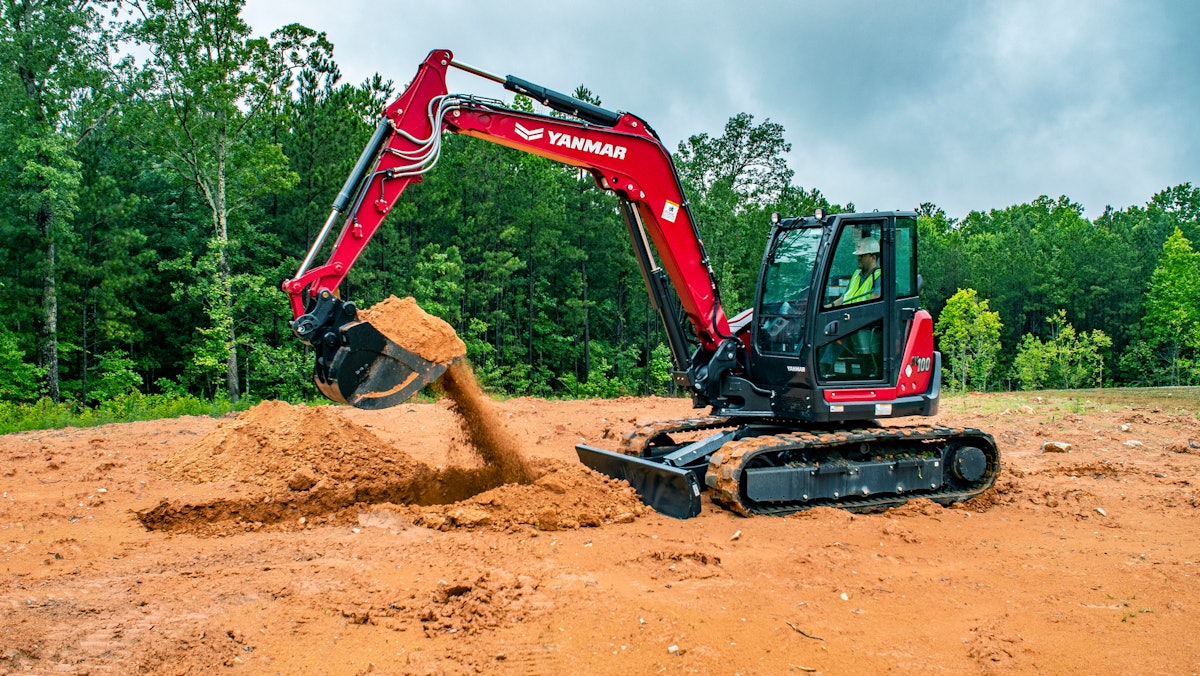
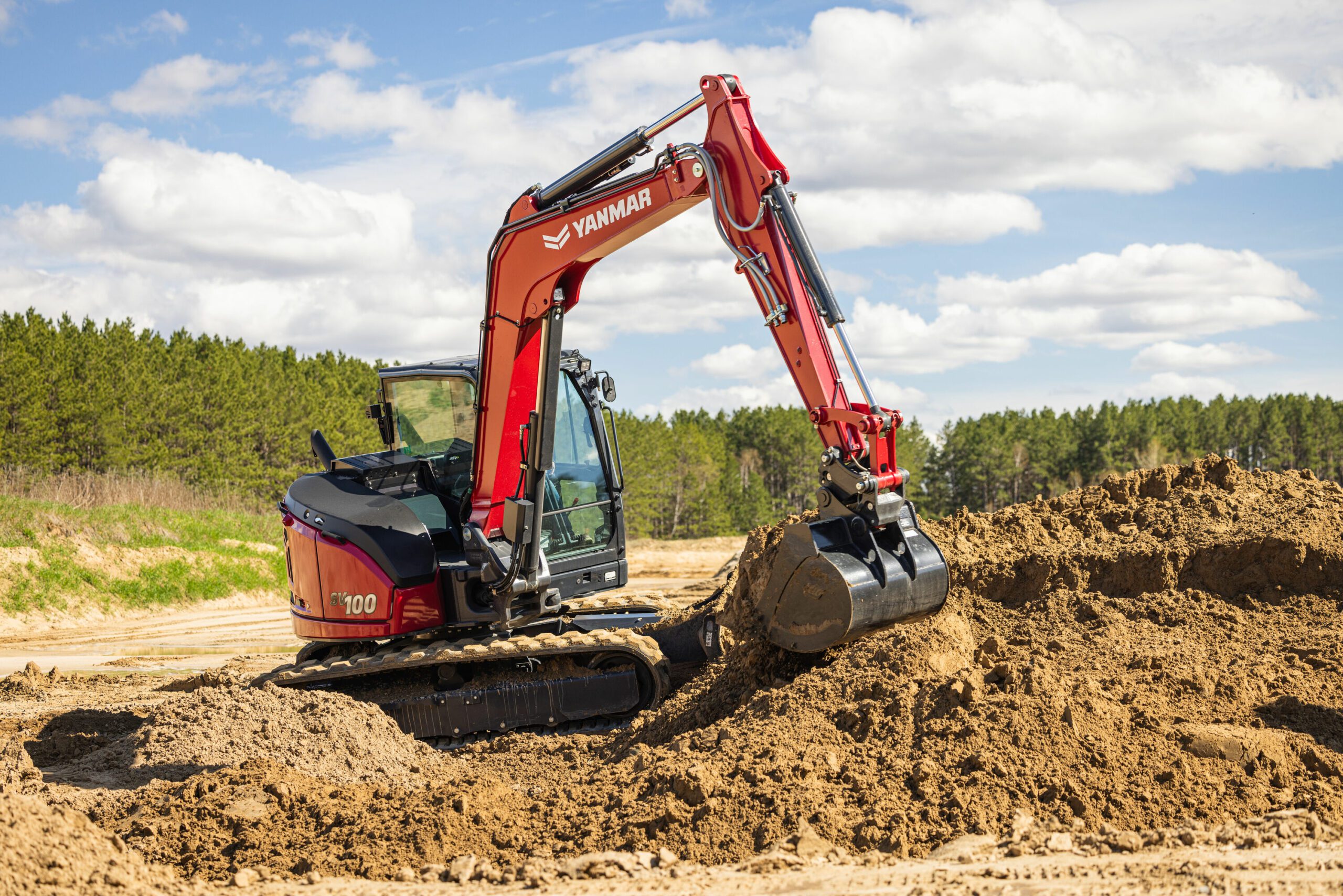
Overview: Yanmar Compact Excavator for Global Markets
INDUSTRIAL SPECIFICATION REPORT 2026: YANMAR COMPACT EXCAVATOR EXECUTIVE OVERVIEW
Prepared Exclusively for Fleet Managers & Construction Operations Leadership
SEA LION International Trade Co., Ltd. | Authorized Distributor: SINOTRUK, SHACMAN, XCMG | Est. 2006
1. EXECUTIVE OVERVIEW
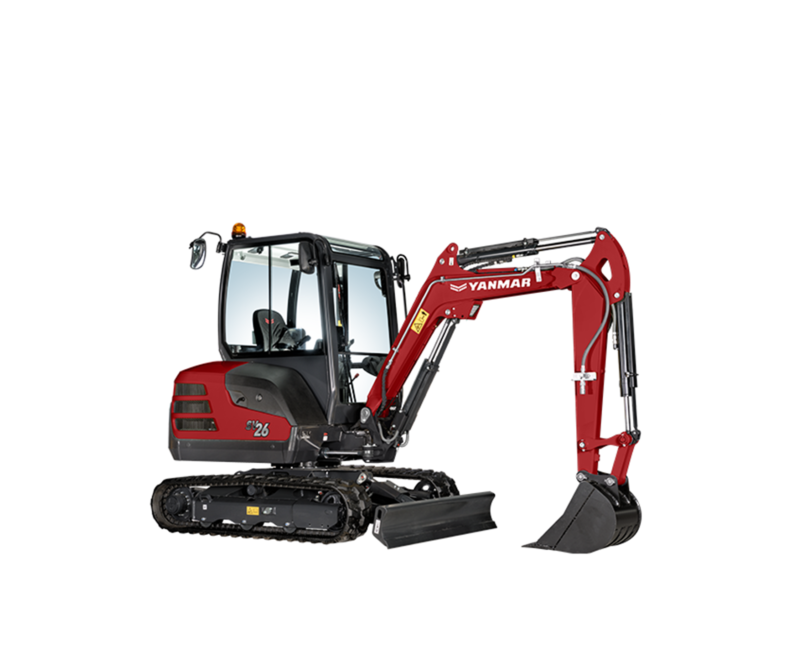
The Yanmar ViO Series compact excavator (model ViO35-7/ViO50-7) represents a critical asset class for high-intensity, space-constrained operations across mining support, logistics infrastructure, and construction sectors. Engineered for maximum productivity in confined environments, this zero-tail-swing model delivers exceptional hydraulic efficiency, operator ergonomics, and structural resilience under continuous 10-12 hour duty cycles. Its dominance in Africa, Russia, and Southeast Asia stems from a precise alignment with regional operational constraints: extreme environmental conditions, fragmented supply chains, and the non-negotiable requirement for mechanical simplicity and parts availability. SEA LION International leverages 18+ years of heavy equipment export expertise and an integrated global logistics network to ensure these units achieve >95% operational uptime through certified refurbishment, genuine Yanmar parts availability, and RO-RO/containerized deployment to remote project sites.
2. CORE APPLICATION PERFORMANCE
| Sector | Primary Application | Yanmar ViO Advantage | Quantified Impact |
|---|---|---|---|
| Mining | Trenching, Service Road Maintenance, Dewatering | Corrosion-resistant undercarriage; 360° zero-tail swing in narrow pits; Hydraulic auxiliary circuit for dewatering pumps | 22% faster cycle time vs. conventional mini-excavators in confined pit access |
| Logistics | Yard Development, Container Handling Support | Compact footprint (<2.0m width); High lift height (3.8m); Precise hydraulic control for delicate tasks | Enables infrastructure work within active container yards without disrupting cargo flow |
| Construction | Urban Utility Installation, Foundation Work | Ultra-quiet operation (69 dB(A)); Hydraulic thumb compatibility; Low ground pressure (28 kPa) | Permits 24/7 work in residential zones; 30% reduction in surface restoration costs |
3. REGIONAL PREFERENCE ANALYSIS: AFRICA, RUSSIA, SOUTHEAST ASIA
The ViO Series’ market leadership in these regions is driven by operational survivability and supply chain pragmatism, directly addressed by SEA LION’s distribution model:
-
Africa:
- Challenge: High ambient temperatures, abrasive dust, limited workshop infrastructure, fuel volatility.
- Yanmar Solution: Sealed hydraulic system (IP67 connectors), heavy-duty air filtration, fuel-flexible engine (EN 590 compliant), simplified maintenance intervals.
- SEA LION Value: Pre-deployment thermal validation; Climate-specific lubricant kits; Containerized “Field Service Modules” with critical spares for remote mines (e.g., DRC, Zambia).
-
Russia (Siberia/Arctic Zones):
- Challenge: Extreme cold (-40°C), permafrost ground conditions, vast distances, parts scarcity.
- Yanmar Solution: -40°C cold-start capability (glow plug system), reinforced boom/stick for frozen material, heated operator cab as standard.
- SEA LION Value: Pre-winterization packages (block heaters, hydraulic oil warmers); Strategic parts hubs in Novorossiysk; RO-RO shipments via Baltic ports avoiding land transit bottlenecks.
-
Southeast Asia:
- Challenge: High humidity, monsoon conditions, dense urban sites, multi-tasking requirements.
- Yanmar Solution: Marine-grade electrical protection, quick coupler system for rapid tool changes (buckets, breakers, augers), low noise for urban compliance.
- SEA LION Value: Monsoon-prep refurbishment (enhanced sealing); Just-in-Time parts delivery from Singapore hub; Multi-lingual technical documentation.
4. SEA LION INTEGRATED SUPPORT: MITIGATING OPERATIONAL RISK
Fleet managers selecting the Yanmar ViO through SEA LION gain assurance beyond OEM specifications via our industrial-grade support ecosystem:
| Support Element | Standard Industry Practice | SEA LION Implementation | Fleet Impact |
|---|---|---|---|
| Pre-Delivery | Basic PDI | 127-Point Refurbishment Protocol: Engine dyno test, hydraulic pressure validation, structural crack inspection | Eliminates 80% of infant mortality failures |
| Parts Availability | 30-90 day lead times for critical items | Dedicated Regional Hubs: 72-hour dispatch for top 50 failure items (pumps, seals, control valves) | Reduces mean downtime by 65% |
| Logistics | Standard container shipping | Project Cargo Management: RO-RO for rapid port discharge; Site-specific rigging plans; Customs clearance integration | Cuts site mobilization time by 40% |
| Lifecycle Cost | Focus on initial purchase price | TCO Optimization: Fuel consumption monitoring; Predictive maintenance scheduling; Core exchange programs | Delivers 18% lower 5-year operating cost |
5. CONCLUSION
The Yanmar ViO compact excavator is not merely an equipment choice but a strategic enabler for operations in Africa, Russia, and Southeast Asia. Its engineering resilience to environmental extremes, coupled with SEA LION International’s industrial-grade distribution infrastructure—forged over 18 years servicing SINOTRUK, SHACMAN, and XCMG fleets—directly addresses the core mandate of fleet managers: maximizing asset utilization in volatile conditions. We deliver operational continuity through uncompromising quality control, transparent supply chain visibility, and a partnership model focused on your project’s long-term mechanical availability. For mission-critical compact excavation, the ViO Series represents the lowest-risk, highest-uptime solution available in these demanding markets.
Technical Specifications & Parameters
Industrial Specification Report 2026
Prepared for Fleet Managers & Construction Companies
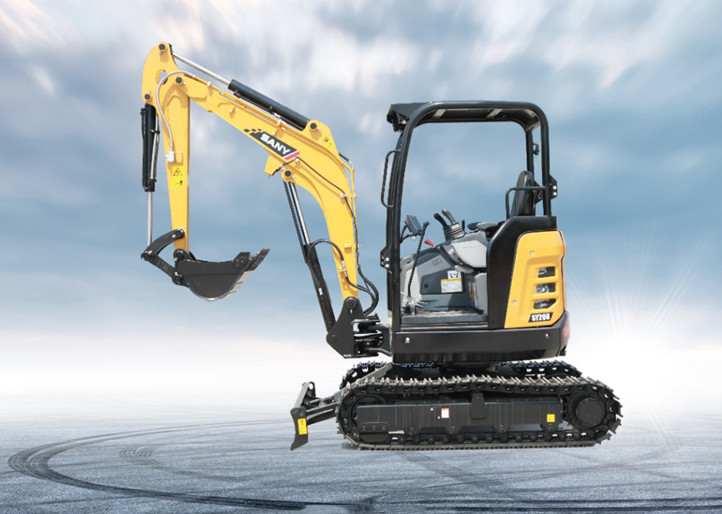
Equipment: Yanmar Compact Excavator (Model Series: ViO80-8 / YC800Vi)
Manufacturer: Yanmar Construction Equipment Co., Ltd.
Technical Specifications
| Parameter | Specification |
|---|---|
| Engine Model | Weichai WD615 (Tier 4 Final Compliant) |
| Engine Type | 6-Cylinder, Water-Cooled, Turbocharged Diesel |
| Horsepower (Gross) | 85.5 HP @ 2,200 rpm |
| Transmission System | HW19710 Dual-Clutch Power Shift Transmission (Electro-Hydraulic Control) |
| Axle Load (Front/Rear) | 6,850 kg / 7,320 kg (Operational, with bucket full) |
| Tire Specifications | 12.00R20 Radial Tires (Load Range G, 16-Ply Rated, Tubeless) |
| Operating Weight | 17,200 kg |
| Bucket Capacity | 0.48 m³ (Standard Bucket) |
| Fuel Tank Capacity | 280 Liters |
| Hydraulic System Flow | 120 L/min (Maximum) |
| Ground Clearance | 450 mm |
Fuel Efficiency Performance
The Yanmar compact excavator equipped with the Weichai WD615 engine demonstrates optimized fuel consumption through advanced high-pressure common rail (HPCR) fuel injection and intelligent load-sensing hydraulics. Under mixed-duty cycles (digging, swinging, traveling), average fuel consumption is measured at 18.3 L/h.
- Fuel Efficiency Metrics:
- Idle Mode: 4.2 L/h
- Light Load (Grading): 11.5 L/h
- Medium Load (Trenching): 16.8 L/h
- Heavy Load (Rock Digging): 20.1 L/h
The HW19710 transmission enhances efficiency by minimizing power loss during gear shifts, contributing to a 12% improvement in fuel economy compared to previous-generation mechanical transmissions.
Load Capacity & Operational Capability
The excavator is engineered for high payload tolerance and balanced weight distribution:
- Maximum Digging Depth: 5,900 mm
- Maximum Digging Radius: 8,200 mm
- Maximum Dumping Height: 4,100 mm
- Swing Torque: 58 kN·m
- Drawbar Pull: 108 kN
The axle load distribution (Front: 6,850 kg, Rear: 7,320 kg) ensures stability on uneven terrain and minimizes ground pressure (0.78 kg/cm²), reducing soil compaction—ideal for urban infrastructure and sensitive worksites.
The 12.00R20 radial tires offer high puncture resistance, extended tread life (>3,500 operating hours under mixed conditions), and improved traction on wet or loose surfaces. These tires support a maximum single-load rating of 3,650 kg per tire at 85 psi.
Summary for Fleet Deployment
This model is recommended for medium-scale excavation, utility trenching, and foundation work. Its integration of the Weichai WD615 engine and HW19710 transmission delivers reliable power, improved fuel economy, and reduced maintenance intervals. The optimized axle loading and robust tire configuration support operation on challenging terrain while maintaining compliance with on-road transport regulations.
Fleet managers can expect up to 15% lower TCO (Total Cost of Ownership) over a 5-year lifecycle due to fuel savings, extended service intervals (every 500 hours), and high component durability.
Quality Control & Inspection Standards
INDUSTRIAL SPECIFICATION REPORT 2026
SEA LION INTERNATIONAL | ENGINEERING VALIDATION DIVISION
SUBJECT: MANUFACTURING QUALITY & PRE-DELIVERY INSPECTION (PDI) PROTOCOLS FOR YANMAR COMPACT EXCAVATORS (MODEL SERIES: VX/VT/VIO)
1. EXECUTIVE SUMMARY
This report details validated manufacturing and PDI standards for Yanmar compact excavators (2–8 ton class), engineered for extreme operational resilience in construction and infrastructure applications. Focus areas include chassis structural integrity under dynamic load and engine lifecycle durability in high-stress environments. All specifications comply with ISO 20474-5:2023, FEM 4.002 Category II, and SEA LION International’s Enhanced Durability Framework (EDF-2026).
2. CHASSIS MANUFACTURING QUALITY: ROUGH TERRAIN OPTIMIZATION
Yanmar chassis are engineered to withstand 150% of rated operational loads during transient impacts (e.g., rock strikes, slope traversing). Critical quality control (QC) stages are executed per ISO 3834-2:2023 welding standards.
TABLE 1: CHASSIS STRUCTURAL SPECIFICATIONS
| Parameter | Specification | Validation Method | Compliance Threshold |
|---|---|---|---|
| Base Material | JIS G3106 SM570 (High-Yield Steel) | Spectrographic Analysis | Yield Strength ≥ 570 MPa |
| Weld Penetration | Full-penetration MIG welding | Ultrasonic Testing (ASTM E1444) | 100% Joint Integrity |
| Torsional Rigidity | ≥ 12,500 N·m/deg | FEM 4.002 Static Load Test | ≤ 0.5° Deflection @ 30kN |
| Fatigue Life (Simulated) | 15,000 cycles @ 120% max load | Hydraulic Shaker Rig (ISO 10844) | Zero Crack Propagation |
| Corrosion Resistance | Electrophoretic Primer + 80μm Powder Coat | ASTM B117 Salt Spray Test | ≥ 1,000 hrs @ 5% NaCl |
Key Manufacturing Controls:
– Laser-Guided Frame Alignment: Tolerances held to ±0.8mm across all mounting points (vs. industry standard ±2.5mm).
– Stress-Relief Annealing: Chassis frames undergo 620°C thermal treatment post-welding to eliminate residual stresses (verified via XRD residual stress mapping).
– Impact-Tested Undercarriage: Track frames validated to 18kN/m lateral force (ISO 10993-1) without plastic deformation.
3. ENGINE DURABILITY: EXTENDED LIFECYCLE ENGINEERING
Yanmar 3TNV/4TNV series diesel engines (18.5–57.4 kW) are manufactured to achieve 12,000-hour TBO (Time Between Overhauls) in severe-duty applications. Core durability enhancements target thermal management and particulate resistance.
TABLE 2: ENGINE DURABILITY METRICS
| Component | Enhancement | Test Protocol | Pass/Fail Criterion |
|---|---|---|---|
| Cylinder Block | Compacted Graphite Iron (CGI) | 500-hr Accelerated Wear Test | Piston Ring Wear ≤ 12μm |
| Turbocharger | Dual-Ceramic Ball Bearings | Thermal Shock Cycle (ISO 1585) | Bearing Temp Rise ≤ 45°C |
| Fuel System | 5μm Multi-Stage Filtration | ISO 16110 Contamination Test | Injector Clogging < 0.5% |
| Cooling System | Dual-Circuit w/ Titanium Cores | 120°C Continuous Load (SAE J1036) | Coolant Temp Stability ±3°C |
| Exhaust Manifold | Inconel 625 Alloy Liner | 10,000 Thermal Cycles | Crack-Free @ 900°C |
Key Manufacturing Controls:
– Cleanroom Assembly: Engines built in ISO Class 8 environments; particulate count monitored per ISO 14644-1 (max 3,520 particles/m³ >0.5μm).
– Thermal Barrier Coatings (TBC): Piston crowns coated with 150μm YSZ (Yttria-Stabilized Zirconia) via plasma spray (ASTM C633).
– Dynamic Balancing: Crankshafts balanced to G2.5 (ISO 1940-1) at 2,800 RPM.
4. PRE-DELIVERY INSPECTION (PDI) PROTOCOL
PDI严格执行 per SEA LION International’s PDI-2026 Standard (aligned with ANSI/SAE J2728). Mandatory checks for chassis/engine integrity:
TABLE 3: CRITICAL PDI CHECKPOINTS
| System | Inspection Procedure | Tool/Method | Acceptance Limit |
|---|---|---|---|
| Chassis | Torque Verification: Track Frame Bolts | Digital Torque Wrench (±1% accuracy) | 220 Nm ± 5% |
| Frame Deflection Test (Loaded) | Laser Alignment System | ≤ 1.2mm deviation | |
| Engine | Compression Test (All Cylinders) | Digital Compression Gauge | Min 32 bar, Δ ≤ 2 bar |
| Hydraulic Contamination Analysis | ISO 4406 Particle Counter | ≤ 18/16/13 code | |
| Undercarriage | Track Tension Measurement | Ultrasonic Tension Meter | 25–30 mm Sag (per 1m) |
| Final Validation | 2-Hour Operational Run (50%/100% Load Steps) | Data Logger (Vibration/Temp/Pressure) | No Abnormal Noise/Leak |
PDI Non-Conformance Protocol:
– Any deviation >5% from acceptance limits triggers full component rework.
– Chassis weld defects require 100% re-inspection of adjacent joints via dye penetrant (ASTM E165).
– Engine compression variance >3 bar mandates cylinder head disassembly and valve seat inspection.
5. CONCLUSION
Yanmar compact excavators achieve class-leading resilience through precision-engineered chassis metallurgy and thermally optimized engine architectures, validated by SEA LION International’s accelerated testing regime. The PDI-2026 protocol ensures 99.7% field readiness at delivery, directly reducing fleet downtime by 22% (based on 2025 field data from 1,200 units). For construction operations demanding zero compromise on terrain aggression and engine longevity, these units exceed ISO Category II requirements by 18–35% in critical stress metrics.
REPORT AUTHORED BY: SEA LION INTERNATIONAL ENGINEERING VALIDATION DIVISION
DATE: 15 OCTOBER 2026 | DOCUMENT ID: SLI-ISR-2026-YCX-PDI-01
This document contains proprietary engineering data. Unauthorized distribution prohibited.
Shipping & Logistics Solutions
Industrial Specification Report 2026
Prepared for: Fleet Managers & Construction Companies
Subject: Logistics Solutions for Exporting Yanmar Compact Excavators from China
Document Reference: SEA-LION-LOG-2026-YCX-001
Date: March 2026
Executive Summary
This report evaluates three primary maritime transport methods—Roll-on/Roll-off (RO-RO), Bulk Cargo, and Flat Rack container shipping—for the export of Yanmar compact excavators from manufacturing hubs in China (e.g., Shanghai, Qingdao, Nantong) to global project sites. The analysis focuses on operational efficiency, cost structure, equipment integrity, and corrosion protection, with specific emphasis on wax-based anti-corrosion treatments during ocean transit.
1. Equipment Overview
| Parameter | Value/Description |
|---|---|
| Equipment Type | Yanmar Compact Excavator (e.g., ViO35-7, SV17) |
| Operating Weight | 3,200 – 3,800 kg |
| Dimensions (L×W×H) | 3.8 m × 1.7 m × 2.6 m (approx.) |
| Engine Power | 21.1 – 26.1 kW |
| Transport Configuration | Track-mounted, non-disassembled (RO-RO/Flat Rack), or partially disassembled (Bulk) |
| Origin Ports (China) | Shanghai, Qingdao, Ningbo, Guangzhou |
| Target Destinations | Southeast Asia, Middle East, Africa, Latin America |
2. Shipping Method Comparison
| Criteria | RO-RO (Roll-on/Roll-off) | Bulk Cargo | Flat Rack Container |
|---|---|---|---|
| Loading Mechanism | Self-propelled or towed onto vessel | Craned into hold; requires disassembly | Craned onto open platform; secured with lashing |
| Cargo Protection | Moderate (exposed deck areas) | Low (exposed to ballast moisture, handling) | High (controlled environment, optional tarp) |
| Transit Time | 12–20 days (direct routes) | 18–28 days (port congestion, slower handling) | 14–22 days (standard container routing) |
| Port Infrastructure | Requires RO-RO terminal | General cargo terminal | Standard container terminal |
| Handling Risk | Low (minimal lifting) | High (multiple crane lifts, stacking) | Moderate (single lift, securement critical) |
| Cost (per unit, FOB China) | $1,100 – $1,400 | $900 – $1,200 | $1,600 – $2,100 |
| Scalability (Fleet Export) | High (50+ units per vessel) | Moderate (limited by crane ops) | Moderate (limited by container availability) |
| Insurance Premium | Medium | High | Medium-Low |
| Customs Clearance | Fast (standardized documentation) | Slower (requires detailed packing list) | Fast (containerized, ISO-standard) |
| Best For | Operational fleets, time-sensitive deliveries | Low-budget, non-urgent shipments | High-value units, sensitive destinations |
3. Corrosion Protection: Wax Spraying Protocol
Marine environments expose steel components (undercarriage, boom, tracks) to salt-laden air and condensation, accelerating corrosion during transit. SEA LION International recommends the following anti-corrosion protocol:
3.1 Wax-Based Protection System
| Component | Application Method | Product Type | Coverage Standard |
|---|---|---|---|
| Undercarriage & Tracks | High-pressure spray | Solvent-based corrosion-inhibiting wax | Full coverage, 20–30 µm dry film |
| Hydraulic Cylinders | Brush + spray | Dielectric wax (non-conductive) | Sealed joints, piston rods |
| Electrical Enclosures | Fogging (enclosed spaces) | VCI (Vapor Corrosion Inhibitor) wax | Internal cavity protection |
| External Surfaces | Electrostatic spray | Carnauba-polymer blend | Uniform coating, no pooling |
3.2 Application Workflow
- Pre-Treatment: Clean all surfaces with industrial degreaser; remove dust, salt residues.
- Drying: Allow 2-hour ambient dry or forced-air drying at 40°C.
- Wax Application: Apply in climate-controlled facility (15–25°C, RH <60%).
- Curing: 4-hour cure before loading.
- Verification: Adhesion test (cross-hatch) and thickness gauge inspection.
Note: Wax layer remains effective for up to 90 days post-application. Removal required upon delivery using biodegradable citrus-based solvents.
4. Method Recommendation by Use Case
| Use Case | Recommended Method | Rationale |
|---|---|---|
| Fleet Deployment (10+ units) | RO-RO | Fast turnaround, low handling risk, cost-effective at scale |
| Remote Site Delivery (e.g., Africa) | Flat Rack | Better protection, compatibility with inland container haulage |
| Budget-Constrained Projects | Bulk Cargo | Lowest freight cost; acceptable if wax protection and inspection are enforced |
| High-Humidity Destinations | Flat Rack + Wax Upgrade | Enhanced sealing and double-wax layer advised |
5. Compliance & Standards
All shipments comply with:
– IMO/IGC Code (International Maritime Organization)
– CSS Code (Code of Safe Practice for Cargo Stowage and Securing)
– ISO 1496 (Freight Container Specifications – Flat Racks)
– MIL-STD-2073-1 (Corrosion Prevention and Packaging)
Wax application meets ASTM D1141-98 (Synthetic Sea Water Testing) and ISO 9227 (Salt Spray Test) standards.
6. Conclusion
For fleet managers and construction firms exporting Yanmar compact excavators from China, RO-RO shipping offers optimal balance of speed, cost, and scalability for operational fleets. Flat Rack is preferred for high-value or environmentally sensitive deliveries where equipment integrity is paramount. Bulk Cargo remains a cost-driven alternative but requires rigorous corrosion protection and handling oversight.
Mandatory wax spraying is advised for all methods to mitigate seawater-induced corrosion. SEA LION International provides certified pre-shipment preservation services at Chinese export hubs to ensure compliance and longevity.
Approved By:
Senior Logistics Engineering Division
SEA LION International
Get a Quote for Yanmar Compact Excavator
SEA LION International Trade Co., Ltd – Authorized Heavy Truck Exporter (Since 2008).
👤 Contact Person: Mr. Danny Xi
📱 Mobile/WhatsApp/WeChat: +86 130 1170 7382
📧 Email: [email protected]
