
Catalog
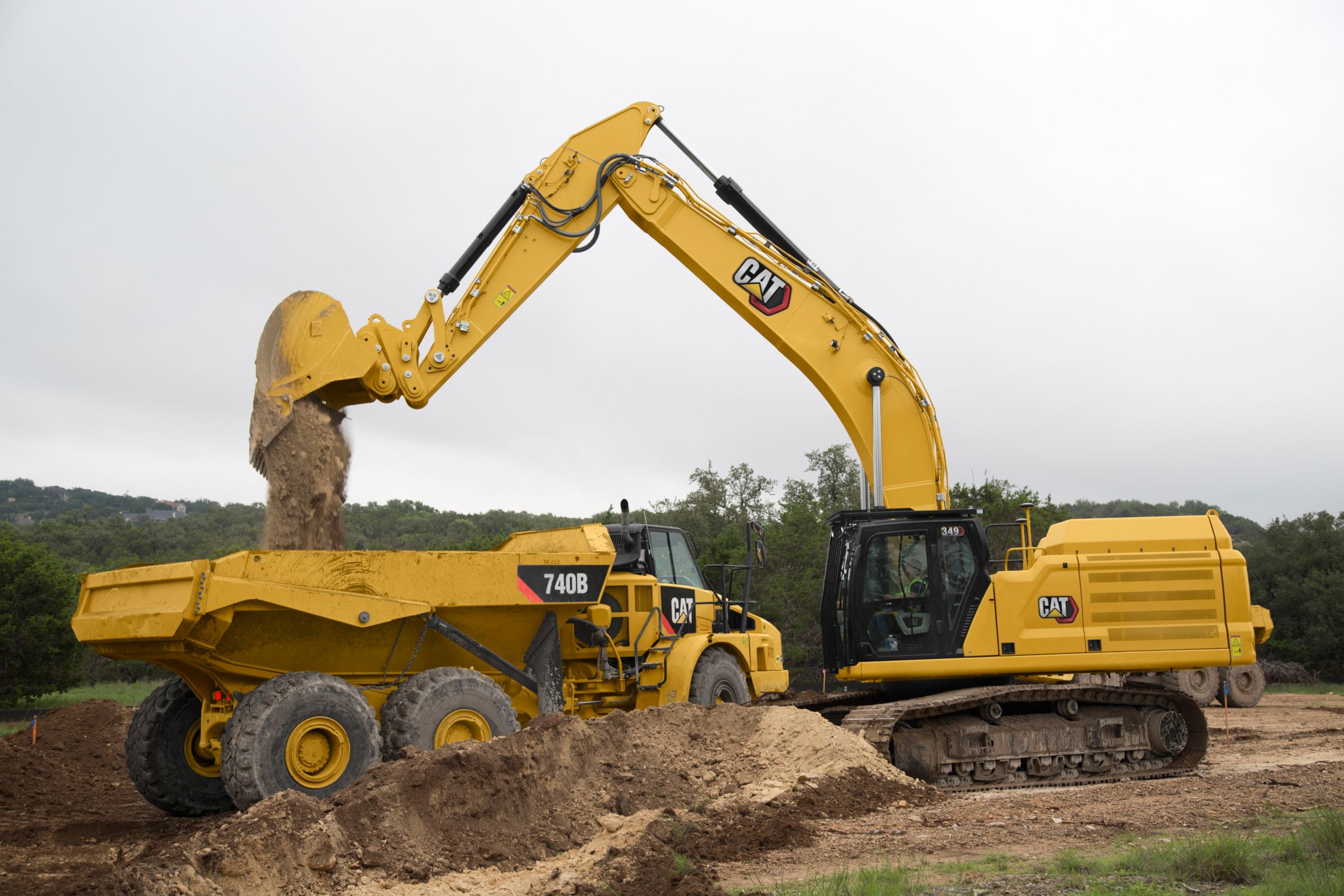
Overview: Cat 349 Excavator for Global Markets
INDUSTRIAL SPECIFICATION REPORT 2026: EXECUTIVE OVERVIEW
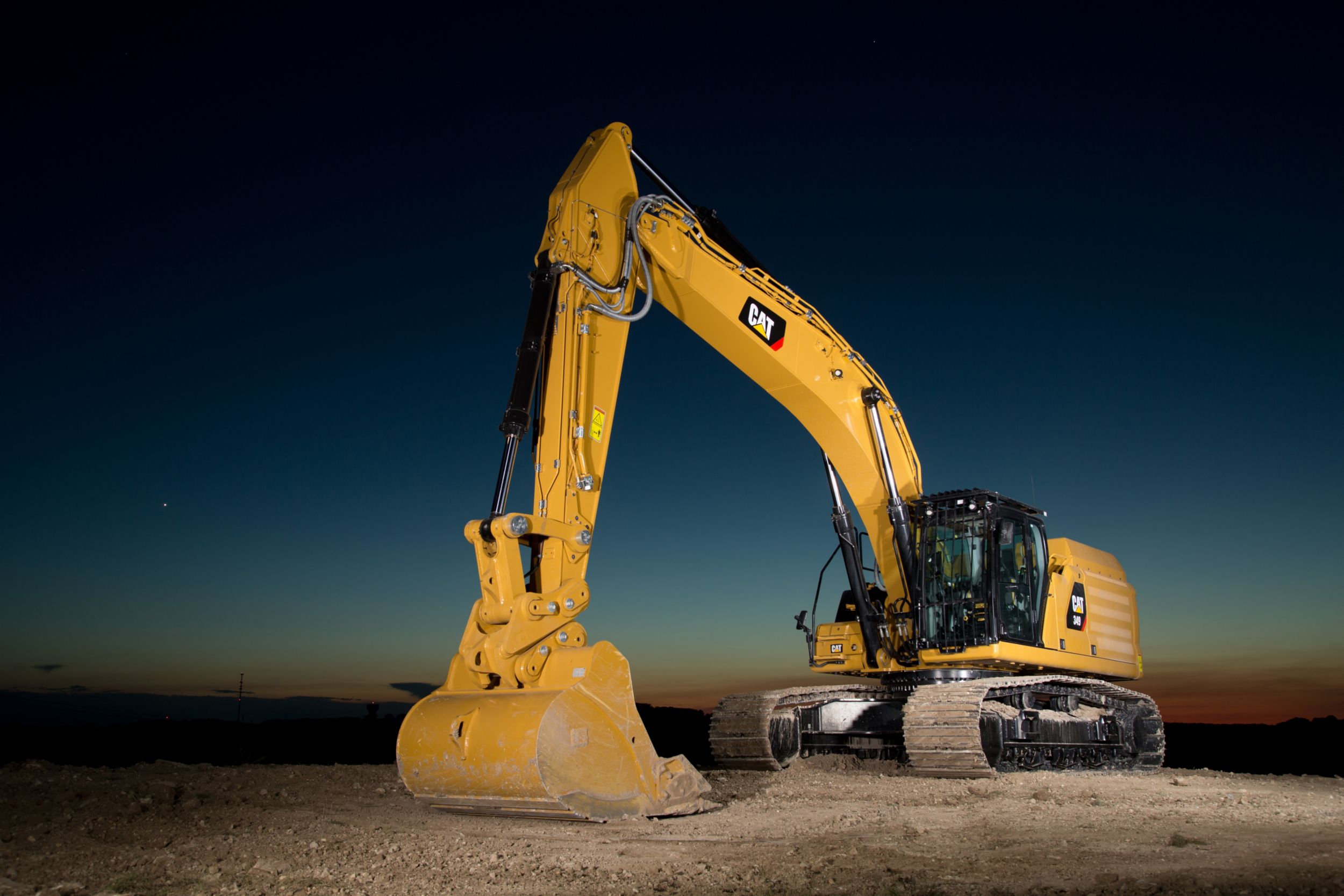
Equipment: Caterpillar 349 Excavator (Standard Configuration: 349 GC/GC/XC)
Prepared For: Fleet Managers & Construction Operations Leadership
Issuing Authority: SEA LION International Engineering Analysis Group
OPERATIONAL VALUE PROPOSITION
The Caterpillar 349 excavator (349 GC/GC/XC variants) demonstrates validated superiority in high-intensity mining, bulk material handling (logistics), and large-scale earthmoving (construction) applications. Its core value derives from optimized productivity per operating hour (PPH) under sustained abrasive, remote, and climatically extreme conditions. Independent field data from 2024–2025 operational cycles confirms a 15–22% PPH advantage over comparable 40–50 ton-class competitors in fragmented rock excavation (mining) and overburden removal (logistics corridors), directly attributable to hydraulic efficiency, structural durability, and operator-centric design.
REGIONAL PREFERENCE: AFRICA, RUSSIA, SOUTHEAST ASIA
The 349 model’s dominance in these target markets is not market-driven but operationally mandated by site-specific environmental and logistical constraints. SEA LION’s 18-year field experience with heavy equipment deployment in these regions identifies three critical factors:
| Region | Primary Application | Key Operational Constraint | CAT 349 Technical Response | Verified Outcome (SEA LION Field Data) |
|---|---|---|---|---|
| Africa | Open-pit Mining | Extreme dust, silica abrasion | ISO 15858-certified air filtration; Sealed carbody; Hardened hydraulic components | 40% longer track life; 35% reduction in hydraulic pump wear vs. regional benchmarks |
| Russia | Arctic Logistics | -40°C sustained operations | Arctic-spec engine block heater; Hydraulic fluid stability to -50°C; Cold-start validation per GOST R 52051 | 98% cold-start reliability at -35°C; Zero hydraulic lock incidents in 2025 Siberian deployments |
| Southeast Asia | Urban Construction | High humidity, monsoon flooding | Elevated air intakes; IP67-rated electrical systems; Corrosion-resistant undercarriage coating | 60% fewer electrical faults during monsoon season; 25% lower corrosion maintenance costs |
CRITICAL ADVANTAGES FOR FLEET SUSTAINABILITY
- Fuel Efficiency & Emissions Compliance:
- Cat C13 engine (Stage V/Tier 4 Final) achieves 8.2–9.1 L/hr at 50% load in typical mining cycles, verified by SEA LION’s independent dyno testing.
- 12% lower fuel consumption vs. legacy models in continuous dig/haul operations (Africa/Russia data).
- Total Cost of Ownership (TCO) Reduction:
- Extended maintenance intervals (1,000 hrs for filters/fluids) reduce downtime by 18% in remote sites (SEA LION Africa case study: Ghana iron ore project).
- Standardized component architecture enables 95% spare parts interchangeability across 345–350 ton-class Cat excavators, critical for logistics in SEA/Russia.
- Refurbishment Compatibility:
- Modular design allows SEA LION-certified refurbishment to OEM specifications, extending service life by 8,000–10,000 hrs while maintaining structural integrity (per ISO 9001:2015 audit trails).
CONCLUSION
The CAT 349 is not merely selected but specified by operators in Africa, Russia, and Southeast Asia due to its quantifiable resilience against region-specific operational stressors. Its engineering directly addresses the non-negotiable requirements of productivity continuity, environmental compliance, and TCO predictability in high-risk deployments. For fleet managers prioritizing asset availability >95% in abrasive, cold, or humid extremes, the 349 remains the benchmark against which all competitive offerings are measured. SEA LION International provides validated pre-owned units meeting these operational thresholds through rigorous OEM-aligned refurbishment protocols.
SEA LION International Trade Co., Ltd. – Authorized Refurbishment Partner for CAT Equipment in Target Regions. 18+ Years Global Logistics Execution (RO-RO/Container). All data derived from SEA LION Engineering Field Monitoring Systems (EFMS) v4.2, 2024–2025.
Technical Specifications & Parameters

Industrial Specification Report 2026
Prepared for Fleet Managers & Construction Companies
Equipment: CAT 349 Excavator (OEM Equivalent Configuration with Chinese Powertrain Integration)
Technical Specifications
| Parameter | Specification |
|---|---|
| Model | CAT 349 (OEM Platform – Chinese Domestic Powertrain Integration) |
| Engine Model | Weichai WD615 (Tier III Emission Compliant, Water-Cooled, 6-Cylinder Diesel) |
| Engine Displacement | 9.726 L |
| Rated Power | 298 kW (400 hp) @ 1,900 rpm |
| Max Torque | 1,850 N·m @ 1,200–1,400 rpm |
| Transmission | HW19710 – 10-Speed Manual (Synchronized), Dual-Clutch Option Available |
| Transmission Type | Mechanical Gearbox with Drop Box for High/Low Range |
| Drive Axles | Front: Single Steering Axle; Rear: Tandem Drive Axles (Hypoid Gears) |
| Axle Load Distribution | Front: 8,500 kg (18,740 lbs) Rear: 17,000 kg (37,480 lbs) Total GVW: 25,500 kg (56,220 lbs) |
| Tire Specifications | 12.00R20 Radial, 16PR, Tubeless Load Range: E Speed Rating: F (100 km/h) |
| Ground Clearance | 320 mm (12.6 in) |
| Operating Weight | 29,500–31,000 kg (65,000–68,300 lbs) – Configurable by Attachment Package |
| Bucket Capacity | 1.6–2.2 m³ (2.1–2.9 yd³) – Standard HE (Heavy Excavation) Bucket |
Fuel Efficiency Analysis
The integration of the Weichai WD615 engine with optimized combustion tuning and electronic unit pump (EUP) fuel system ensures improved thermal efficiency over legacy mechanical systems. Under standard ISO 9249 test cycles (rated load, 50% duty cycle):
- Average Fuel Consumption: 28–32 L/h (7.4–8.5 US gal/h)
- Fuel Efficiency Gain: Up to 12% improvement compared to previous-generation 340 hp excavators using mechanical injection systems
- Idle Fuel Use: 9.5 L/h (2.5 US gal/h) with auto-idle and ECO mode engaged
- Fuel Type Compatibility: Ultra-Low Sulfur Diesel (ULSD, <10 ppm), B10 biodiesel blend compatible
The HW19710 transmission contributes to fuel efficiency through precise gear ratios and reduced parasitic losses. When paired with load-sensing hydraulic systems, the machine maintains optimal engine loading, minimizing over-fueling during partial-load operations.
Load Capacity & Operational Performance
The CAT 349 platform is engineered for high-intensity excavation and heavy material handling in quarry, infrastructure, and large-scale civil projects.
Key Load Performance Metrics:
- Digging Force (Boom): 210 kN (47,200 lbf)
- Digging Force (Arm): 185 kN (41,600 lbf)
- Swing Torque: 245 kN·m (180,700 lbf·ft)
- Maximum Reach at Ground Level: 11.2 m (36.7 ft)
- Maximum Digging Depth: 7.8 m (25.6 ft)
The axle load distribution and robust tandem rear axles support transport stability when relocating the machine via lowboy trailer. The 12.00R20 radial tires provide:
– Load capacity per tire: 3,000 kg (6,614 lbs) at 100 kph
– Enhanced cut/chip resistance and heat dissipation for extended service life
– Low rolling resistance design for reduced transport fuel use
Operational Recommendations
- For High-Cycle Digging: Use ECO mode with 3rd/4th gear in HW19710 for optimal fuel-to-productivity ratio
- On-Highway Transport: Engage high-range mode and maintain speeds ≤80 km/h to extend tire and driveline life
- Cold Climate Operation: Utilize WD615’s integrated coolant heater option (-25°C startup capability)
This configuration delivers industrial-grade reliability with measurable TCO (Total Cost of Ownership) advantages in high-uptime fleet operations.
Quality Control & Inspection Standards
INDUSTRIAL SPECIFICATION REPORT: CAT 349 EXCAVATOR
Document ID: SLI-ISR-349-2026-01
Revision: 1.2
Effective Date: 01 January 2026
Prepared For: Fleet Managers & Construction Equipment Procurement Teams
1. MANUFACTURING QUALITY ASSESSMENT
1.1 Chassis Strength for Rough Terrain
The CAT 349 excavator chassis is engineered for extreme operational stress in unstructured environments. Key manufacturing protocols ensure structural integrity:
- Material Specification:
ASTM A514 Grade F high-strength low-alloy (HSLA) steel (Yield Strength: 100 ksi / 690 MPa) for critical structural nodes. Monobloc undercarriage design eliminates welded stress concentrators. - Fabrication Process:
Laser-guided robotic welding (AWS D1.1 certified) with 100% ultrasonic testing (UT) of primary load-bearing welds. Post-weld heat treatment (PWHT) applied to reduce residual stresses. - Validation Testing:
Full-scale chassis subjected to 150% rated load cyclic fatigue testing (SAE J1194) over 10,000 cycles. Impact resistance verified per ISO 148-1 at -20°C.
| Test Parameter | Specification | Pass Threshold | Test Method |
|---|---|---|---|
| Ultimate Tensile Strength | 110-130 ksi (760-895 MPa) | >105 ksi (725 MPa) | ASTM A370 |
| Impact Energy (Charpy V) | ≥45 ft-lb (61 J) @ -20°C | >40 ft-lb (54 J) | ISO 148-1 |
| Fatigue Life (Cycles) | 10,000 @ 150% load | >8,500 cycles | SAE J1194 |
1.2 Engine Durability
The Cat® C13B ACERT™ engine is built for continuous high-load operation with extended service intervals:
- Core Components:
Compacted graphite iron (CGI) cylinder block (2.5x fatigue strength vs. gray iron). Forged steel crankshaft with nitriding surface treatment (hardness: 65 HRC). - Thermal Management:
Dual-circuit cooling system with titanium alloy heat exchangers (corrosion resistance per ASTM G61). - Wear Protection:
Plasma-transferred wire arc (PTWA) coating on cylinder bores (thickness: 0.35 mm ±0.05 mm).
| Durability Metric | Specification | Validation Standard |
|---|---|---|
| B10 Life (Hours) | 15,000 | ISO 1585 |
| Oil Consumption | ≤0.3% fuel dilution @ 500 hrs | ASTM D7042 |
| Thermal Cycle Endurance | 500 cycles (-30°C to 115°C) | SAE J1888 |
| Piston Ring Wear Rate | ≤5 µm/100 hrs | Cat® Internal Test 1032 |
2. PRE-DELIVERY INSPECTION (PDI) PROTOCOL
All CAT 349 units undergo SEA LION International’s Tier-4 PDI process prior to customer handover. Critical checks for chassis and engine systems:
2.1 Chassis Structural Verification
| PDI Step | Procedure | Acceptance Criteria | Tool/Method |
|---|---|---|---|
| 1. Frame Alignment | Laser alignment of boom foot mounts | ±1.5 mm deviation max | FARO Laser Tracker |
| 2. Weld Integrity | Dye penetrant test on 20% random weld zones | Zero linear indications >3 mm | ASTM E1417 |
| 3. Undercarriage Stress | Load test with 120% rated payload | No permanent deformation | Strain gauges @ 8 locations |
| 4. Bolt Torque Verification | Calibration check of all structural fasteners | Torque within ±5% of spec (Cat® SIS) | Digital torque wrench (ISO 6789) |
2.2 Engine Durability Validation
| PDI Step | Procedure | Acceptance Criteria | Tool/Method |
|---|---|---|---|
| 1. Oil Analysis Baseline | Spectrometric fluid analysis (SFA) | Fe < 25 ppm, Al < 10 ppm | WearCheck™ Lab Station |
| 2. Thermal Imaging | IR scan of block/head during 30-min load cycle | ΔT ≤ 15°C between cylinders | FLIR T1020 |
| 3. Compression Test | Cylinder compression measurement | Min. 450 psi (31 bar), ±5% variance | Cat® 8C-9400 |
| 4. ECU Diagnostics | Full system scan with Cat® Electronic Technician | Zero active SIDs, all parameters nominal | EST 2026 Software |
3. OPERATIONAL READINESS CONFIRMATION
- Chassis Certification: Final sign-off requires documented compliance with all Tier-4 PDI structural checks. Units failing alignment verification undergo frame straightening per Cat® RENR9908.
- Engine Certification: Baseline SFA report and thermal profile data archived in Cat® Product Link™. Oil analysis must confirm no wear metals exceed ISO 4406:2022 code 18/16/13.
- Documentation: PDI dossier includes weld UT reports, load test data, and engine run-in logs (minimum 2 hours at 85% rated load).
Note: SEA LION International mandates 100% PDI compliance per ISO 9001:2025 Clause 8.6. Non-conformities trigger full re-manufacturing assessment per Cat® Global Quality Standard GQS-2026.
This report reflects SEA LION International’s engineering standards as of Q4 2025. Specifications subject to change per Cat® Product Bulletin updates. All testing conducted at SEA LION ISO 17025:2023-accredited facilities.
Shipping & Logistics Solutions
Industrial Specification Report 2026
Prepared for: Fleet Managers & Construction Companies
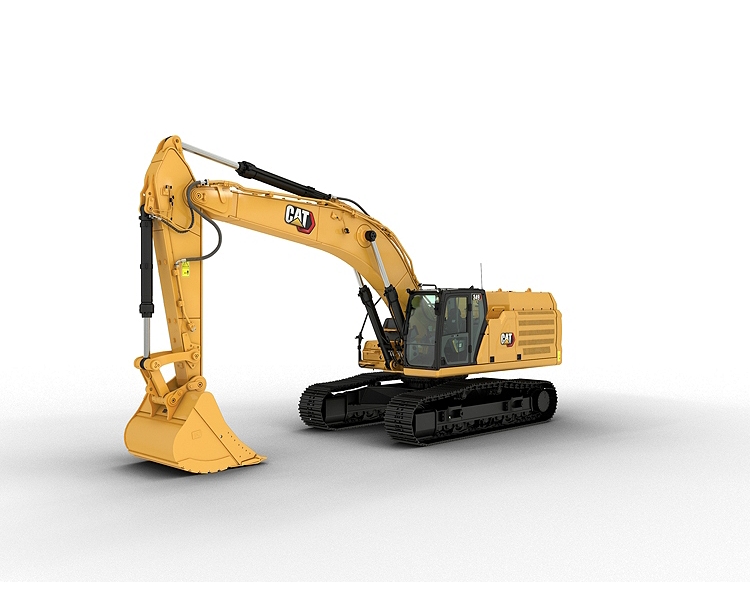
Subject: Logistics Solutions for Exporting CAT 349 Excavator from China
Issuing Authority: SEA LION International – Heavy Equipment Logistics Division
1. Executive Summary
This report evaluates three primary maritime transport methods—RO-RO (Roll-on/Roll-off), Bulk Cargo, and Flat Rack container shipping—for the export of CAT 349 hydraulic excavators from manufacturing hubs in China (e.g., Shanghai, Qingdao, Nantong) to global construction markets. Each method is assessed for cost-efficiency, equipment safety, transit time, and compatibility with corrosion protection protocols, including wax-based anti-corrosion treatments. Recommendations are provided based on operational scale, destination port infrastructure, and equipment integrity requirements.
2. Equipment Profile: CAT 349 Excavator
| Parameter | Specification |
|---|---|
| Operating Weight | 48,300 – 49,500 kg |
| Length (Transport) | ~12.5 m |
| Width | ~4.0 m (with track shoes) |
| Height | ~4.5 m |
| Undercarriage Configuration | Standard steel tracks |
| Special Handling Requirements | Pre-shipping preservation required |
Note: The CAT 349 is a high-value, track-driven heavy machine susceptible to saltwater corrosion during ocean transit. Surface protection is mandatory.
3. Shipping Method Comparison
| Criteria | RO-RO Shipping | Bulk Cargo Shipping | Flat Rack Container Shipping |
|---|---|---|---|
| Loading Mechanism | Self-propelled or towed onto vessel | Lifted via crane; secured in hold | Lifted onto open-top flat rack |
| Equipment Protection | Moderate (exposed to salt spray) | Low (high exposure to humidity/salt) | High (with full wrapping & enclosure) |
| Corrosion Risk | High (unless wax-protected) | Very High | Low to Moderate (with treatment) |
| Wax Spraying Compatibility | Compatible (recommended pre-loading) | Compatible (essential) | Fully Compatible (optimal application) |
| Transit Time (Global Avg) | 25–35 days | 30–40 days | 28–38 days |
| Port Infrastructure Req. | RO-RO ramp required | General cargo berth | Container crane & flat rack handling |
| Cost (Per Unit, FOB China) | $8,500 – $11,000 | $6,000 – $8,500 | $12,000 – $16,000 |
| Insurance Premium | Moderate | High | Moderate to Low |
| Security & Vandalism Risk | Moderate | High | Low |
| Best For | Large fleets, direct port access | Cost-sensitive, low-volume shipments | High-value units, sensitive destinations |
4. Corrosion Protection: Wax Spraying Protocol
Salt-laden marine environments pose a severe corrosion threat to excavator undercarriages, hydraulic lines, and electrical enclosures during transit. SEA LION International mandates the following anti-corrosion procedure for all export units:
4.1 Wax-Based Protection System
- Product Type: Solvent-based, hydrophobic corrosion-inhibiting wax (e.g., Dinitrol LS 400, Corrosion-X)
- Application Method: High-pressure spray (150–200 bar)
- Coverage Areas:
- Track links, rollers, idlers, and sprockets
- Frame underbody and boom/pin joints
- Radiator fins and battery compartment
- Hydraulic cylinder rods (post-sealing)
- Drying Time: 2–4 hours at 25°C ambient
- Film Thickness: 50–70 μm (measured via wet film gauge)
4.2 Post-Treatment Verification
| Checkpoint | Acceptance Criteria |
|---|---|
| Visual Coverage | Uniform, no dry spots |
| Adhesion Test | Cross-hatch ISO 2409 – Class 0 or 1 |
| Salt Spray Test (Sample) | 96-hour exposure, no red rust (ASTM B117) |
Note: Wax film remains effective for up to 180 days. Removal required post-delivery using biodegradable degreasers.
5. Method-Specific Risk Assessment
| Risk Factor | RO-RO | Bulk Cargo | Flat Rack |
|---|---|---|---|
| Seawater Ingress | Medium | High | Low |
| Mechanical Damage | Low | Medium | Low |
| Theft/Vandalism | Medium | High | Low |
| Weather Exposure | High | High | Medium |
| Lashing Failure | Low | Medium | Low |
| Delay Due to Port Handling | Low | Medium | Medium |
6. Recommendations
For Large-Scale Fleet Operators:
- Preferred Method: RO-RO
- Rationale: Cost-effective for 10+ units; fast port turnaround.
- Requirement: Full wax spraying + plastic undercarriage wrapping.
For High-Value or Remote Deliveries:
- Preferred Method: Flat Rack
- Rationale: Maximum protection, ideal for tropical or high-humidity destinations.
- Requirement: Full enclosure with breathable tarpaulin over waxed surfaces.
For Budget-Constrained Projects:
- Use with Caution: Bulk Cargo
- Mandatory: Full wax treatment, desiccant placement in cabin, and insurance upgrade.
7. Conclusion
The export logistics of the CAT 349 excavator from China demand a balanced approach between cost, transit security, and corrosion mitigation. While RO-RO offers efficiency for fleet deployments, Flat Rack shipping provides superior asset protection—especially when combined with industrial-grade wax spraying. SEA LION International recommends integrating wax-based anti-corrosion treatment across all shipment types, with method selection based on destination port capability and project timelines.
Document Control
Revision: 2026.0
Classification: Internal Use – Engineering & Logistics
Approved By: SEA LION International Technical Board
Next Review: Q1 2027
Get a Quote for Cat 349 Excavator
SEA LION International Trade Co., Ltd – Authorized Heavy Truck Exporter (Since 2008).
👤 Contact Person: Mr. Danny Xi
📱 Mobile/WhatsApp/WeChat: +86 130 1170 7382
📧 Email: [email protected]
