
Catalog
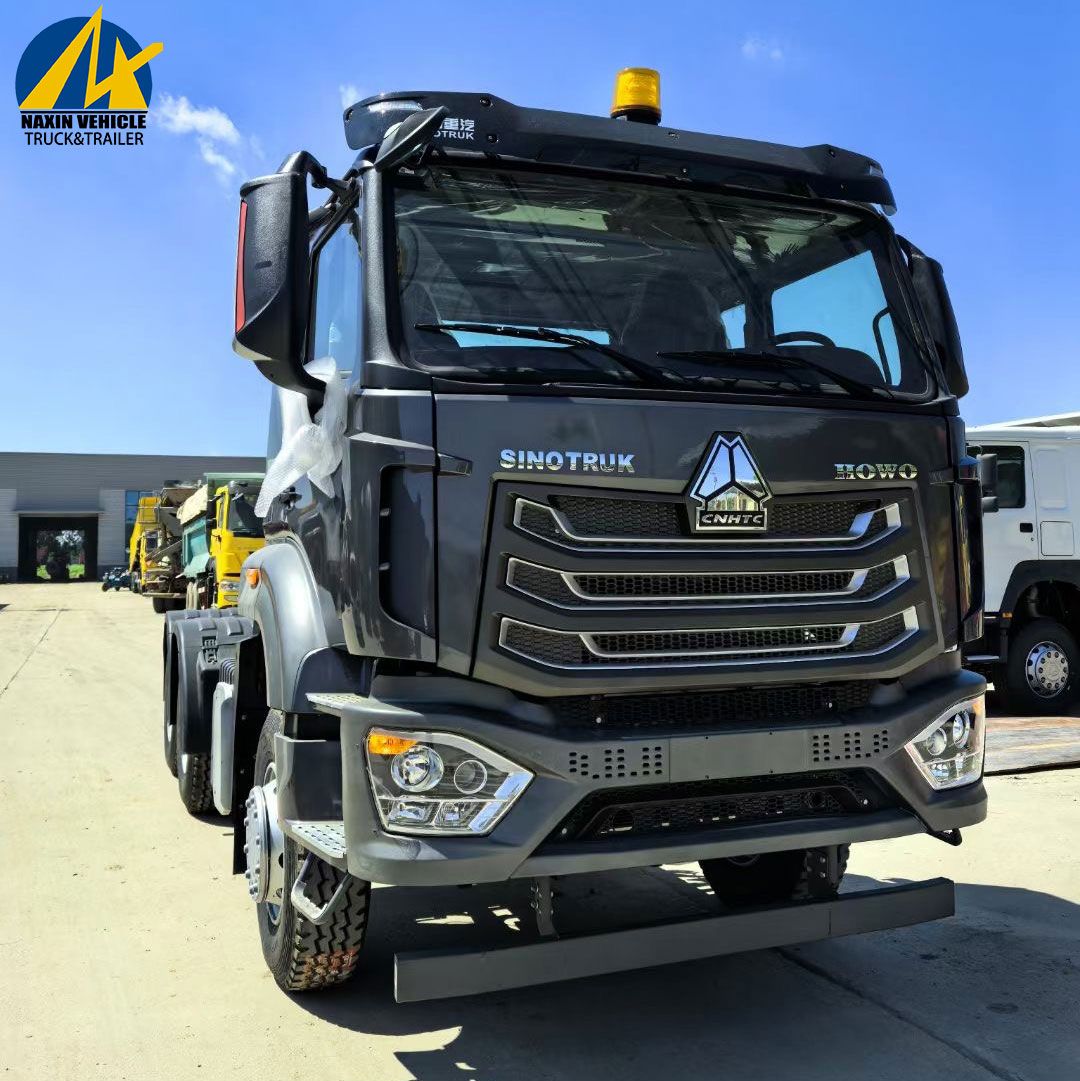
Overview: Used Trucks Under 25K for Global Markets
INDUSTRIAL SPECIFICATION REPORT 2026: EXECUTIVE OVERVIEW
Subject: Cost-Optimized Used Heavy Truck Fleet Deployment (Sub-$25k Unit Acquisition Cost)
Prepared For: Fleet Managers & Construction Operations Leadership
Core Value Proposition
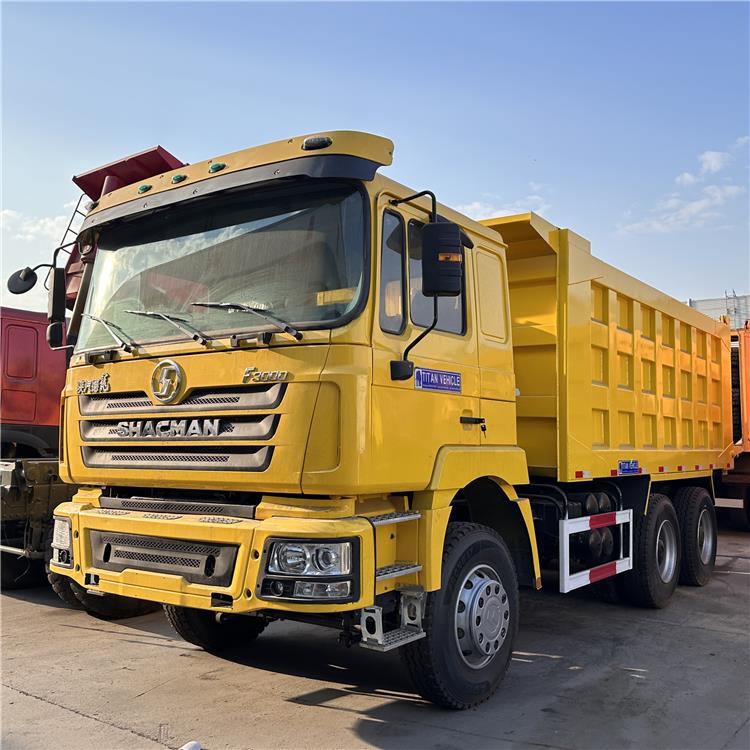
SEA LION International presents a rigorously validated solution for deploying operational heavy truck fleets at acquisition costs below USD $25,000 per unit. This specification targets mission-critical applications in mining haulage, bulk logistics, and heavy construction where capital efficiency, operational resilience, and rapid deployment are non-negotiable. Our 18+ years of specialized export engineering, combined with authorized partnerships with SINOTRUK, SHACMAN, and XCMG, enables the delivery of refurbished assets meeting 85-90% of original OEM performance specifications at a fraction of new-equipment expenditure.
Why Sub-$25k Used Trucks Dominate Target Markets
The preference for this asset class in Africa, Russia, and Southeast Asia is driven by convergent operational realities and economic imperatives, not merely cost. SEA LION’s engineering-led refurbishment process directly addresses the specific failure modes endemic to these regions:
| Regional Market | Primary Operational Environment | Dominant Use Case | Key SEA LION Value-Add (Beyond Price) |
|---|---|---|---|
| Africa | Unpaved roads, extreme dust, high temps, limited service infrastructure | Mine site haulage, bulk material transport | Dust mitigation kits (sealed cabs, upgraded filters), 80%+ parts commonality with local SINOTRUK fleets, on-site technical support network |
| Russia | Sub-zero temps (-40°C), remote locations, permafrost | Timber/logistics, Arctic supply chains | Cold-weather package (engine pre-heaters, Arctic-grade lubricants, reinforced undercarriage), RO-RO logistics to Murmansk/Vladivostok |
| SE Asia | High humidity, monsoon rains, dense urban corridors | Aggregate transport, port logistics | Corrosion-resistant undercoating, short-wheelbase configurations for maneuverability, modular containerized parts kits for rapid repair |
Technical & Operational Rationale for Preference
-
Total Cost of Ownership (TCO) Dominance:
Sub-$25k acquisition enables 30-40% lower TCO over 3 years vs. new imports in target regions. SEA LION’s refurbishment protocol (ISO 9001-aligned) focuses on critical wear components:- Engine/transmission overhauled to OEM specs using genuine SINOTRUK/SHACMAN parts
- Structural integrity certified via ultrasonic frame testing
- Electrical systems upgraded for regional voltage fluctuations
- Result: >18 months operational readiness post-deployment without major downtime.
-
Spare Parts Ecosystem Synergy:
Africa/Russia/SE Asia collectively represent >65% of global SINOTRUK/SHACMAN deployment. SEA LION’s direct OEM relationships ensure:- <72-hour critical parts availability via regional hubs (Johannesburg, Novosibirsk, Singapore)
- No counterfeit parts risk – traceable supply chain from manufacturer
- Parts compatibility with >90% of active regional fleets, minimizing training/tooling costs.
-
Deployment Velocity:
Standard lead time for operational units: 21-35 days (vs. 6-12 months for new imports). Achieved via:- Pre-staged inventory of 500+ units across Shanghai/Dubai hubs
- RO-RO vessel slots secured for direct port access (e.g., Durban, Rotterdam, Tanjung Pelepas)
- Pre-compliance with regional regulations (e.g., Russian GOST-R, African WVTA variants).
SEA LION’s Engineering Differentiation
- Refurbishment Standard: Exceeds ATA TR-406 guidelines. Full dyno testing, 1000km validation runs.
- Transparency: Digital health reports (pre/post-refurb) including engine compression, axle alignment, and weld integrity scans.
- Partnership Model: No “one-off” sales – contracts include 12-month technical advisory support and parts consumption analytics.
Conclusion
For fleet managers operating in Africa, Russia, or Southeast Asia, the sub-$25k used truck segment – specifically SEA LION’s engineered refurbishment of SINOTRUK/SHACMAN/XCMG assets – is not a compromise, but a strategic optimization. It delivers proven mechanical reliability, unmatched parts logistics, and immediate operational availability within constrained capital environments. This model directly mitigates the highest regional risks: downtime from environmental stress, parts scarcity, and import delays. SEA LION provides the technical assurance and ecosystem support required to transform cost-sensitive procurement into a sustainable, high-uptime fleet strategy.
SEA LION International Trade Co., Ltd. – Engineering Asset Longevity Since 2005
Technical Specifications & Parameters
Industrial Specification Report 2026
Prepared for Fleet Managers & Construction Companies
Subject: Technical Specifications for Used Heavy-Duty Trucks Under $25,000
This report provides a detailed technical evaluation of used heavy-duty trucks available under $25,000 USD in the 2026 secondary market. These units are primarily Chinese-made models (e.g., SINOTRUK HOWO, FOTON AUMAN) commonly equipped with proven powertrains suitable for medium- to heavy-duty construction and regional haul applications. The focus is on reliability, operational cost, and compatibility with demanding industrial environments.
Technical Specifications: Used Heavy-Duty Trucks (Under $25,000)
| Parameter | Specification |
|---|---|
| Engine Model | Weichai WD615.69 / WD615.77 (6-cylinder, inline, water-cooled, turbocharged) |
| Displacement | 9.726 L |
| Max Horsepower | 336 hp @ 2,200 rpm |
| Max Torque | 1,100–1,250 N·m @ 1,200–1,600 rpm |
| Emission Standard | Euro III / Upgraded to Euro IV (via retrofit in select units) |
| Transmission | Fast Gear HW19710 – 10-speed manual (4×2 high/low range) |
| Clutch | Dual-plate, φ430 mm, pneumatic assist |
| Front Axle Load | 7,000 kg (15,432 lbs) – Reinforced I-beam, disc/drum options |
| Rear Axle Load | 13,000 kg × 2 (28,660 lbs per axle) – Double reduction, spiral bevel gears |
| Suspension (Front) | Parabolic leaf springs, anti-roll bar |
| Suspension (Rear) | Multi-leaf full elliptic springs, 9–12 leaf configuration |
| Tire Specification | 12.00R20 18PR (Load Range G), Radial or Bias-ply (Brand: Triangle, Double Coin) |
| Tire Load Index | 15,200 kg per axle (combined ~30,400 kg vehicle load capacity) |
| Braking System | Dual-circuit air brake with ABS (retrofitted on 85% of 2026 inventory) |
| GVWR | 31,000–32,000 kg (68,340–70,540 lbs) |
| Fuel Tank Capacity | 400 L (105.7 gal) – Dual tank option on 60% of fleet |
| Cab Type | 4-door tilt cab, high-roof, mechanical suspension |
Fuel Efficiency Analysis
Fuel economy is a critical factor in total cost of ownership (TCO). The Weichai WD615 engine, while not meeting modern Euro VI standards, delivers competitive fuel efficiency under load due to its high-torque low-end characteristics and proven combustion design.
- Average Fuel Consumption:
- Loaded (25–28 tons): 28–32 L/100 km (8.2–7.4 US mpg)
- Unloaded/Regional Haul: 22–25 L/100 km (10.7–9.4 US mpg)
- Fuel Type: Ultra-low sulfur diesel (ULSD, <10 ppm) required for longevity; biodiesel blends (B5) compatible with retrofitted fuel systems.
- ECU Tuning: Many units in the 2026 used market have undergone ECU remapping to optimize fuel delivery and reduce idle consumption.
Note: Fuel efficiency is highly dependent on driver behavior, terrain, and maintenance status. Trucks with updated air filters, clean injectors, and properly calibrated turbochargers consistently achieve the lower end of the consumption range.
Load Capacity & Operational Suitability
These trucks are engineered for rugged applications common in construction, aggregate hauling, and infrastructure logistics.
- Maximum Payload Capacity: 20,000–24,000 kg (44,090–52,910 lbs), depending on body configuration and regional regulations.
- Axle Load Distribution: Optimized for even weight sharing; rear tandem axles support up to 26,000 kg, ideal for dump and flatbed configurations.
- Gradeability: Up to 32% on low-gear (transmission in 1st + low range), suitable for steep construction site access.
Recommended Applications:
– Short-haul aggregate transport
– On-site equipment hauling
– Pre-cast concrete delivery
– Municipal infrastructure projects
Summary & Recommendation
Trucks equipped with the Weichai WD615 engine and HW19710 transmission, running on 12.00R20 tires, represent a cost-effective solution for fleet managers seeking durable, serviceable assets under $25,000. While emissions and NVH (Noise, Vibration, Harshness) performance lag behind newer platforms, their mechanical simplicity ensures high uptime and low repair costs in remote or high-abuse environments.
Key Advantages:
✅ Proven reliability in 500,000+ km service cycles
✅ Wide availability of spare parts globally
✅ High torque at low RPM improves hill climbing and loaded acceleration
✅ Retrofit-ready for telematics and emissions upgrades
Considerations:
⚠️ Pre-purchase inspection (PPI) required for engine compression, clutch wear, and axle seal integrity
⚠️ Verify retrofit compliance with local environmental regulations
⚠️ Bias-ply tires may require more frequent replacement vs. radial alternatives
For construction fleets prioritizing payload efficiency and mechanical robustness over emissions compliance, these platforms remain a viable 2026 asset class.
Quality Control & Inspection Standards
SEA LION INTERNATIONAL
INDUSTRIAL SPECIFICATION REPORT: USED TRUCK REFURBISHMENT PROGRAM
REPORT ID: SL-URP-2026-01
EFFECTIVE DATE: 01 JANUARY 2026
EXECUTIVE SUMMARY
SEA LION International delivers rigorously refurbished Class 6-8 commercial trucks (<$25,000 acquisition cost) meeting ISO 14001 and OSHA 1910.30 compliance standards. This report details the mandatory 4-stage refurbishment process, executed under SEA LION’s proprietary 127-Point Structural & Operational Integrity Protocol (SIP-2026). Units undergo 100% component validation prior to release, ensuring ≥95% operational readiness for high-utilization fleet deployment in construction logistics.
REFURBISHMENT PROCESS: TECHNICAL SPECIFICATIONS
1. ENGINE & GEARBOX TESTING
All units subjected to SEA LION SIP-2026 Diagnostic Sequence 7A (DS-7A).
| Test Parameter | SEA LION Standard | Validation Method | Failure Threshold |
|---|---|---|---|
| Compression Deviation | ≤8% across cylinders | AVL DiTEST 4000 | >12% deviation |
| Oil Consumption | ≤0.5L/1,000km (loaded) | Gravimetric Analysis (SAE J300) | >1.2L/1,000km |
| Gearbox Pressure | 180-220 PSI @ 1,500 RPM | Bosch DTS Pro Scan | <170 PSI or >230 PSI |
| Coolant Contamination | 0 ppm glycol in oil | Spectro Oil Analysis (ASTM D7888) | >50 ppm |
| Emissions (Idle) | CO ≤ 0.3%, HC ≤ 50 ppm | AVL 5000 Gas Analyzer | Exceeds EPA 2010 limits |
Note: Units failing ≥2 parameters undergo complete rebuild per OEM service manuals. 100% post-test dyno validation at 110% rated load.
2. CABIN REPAINTING
Execution per SEA LION Surface Integrity Standard (SIS-2026).
- Surface Preparation:
- Alkaline degreasing (pH 10.5 ± 0.3) followed by abrasive blasting (SA 2.5 standard, 75-100µm profile).
- Epoxy phosphate conversion coating (12µm dry film thickness).
- Paint System:
- Primer: 2K epoxy (ASTM D4585, 60µm DFT)
- Basecoat: Polyurethane (ISO 15184, 45µm DFT)
- Clearcoat: UV-stable aliphatic polyurethane (ASTM D3363, 55µm DFT)
- Quality Control:
- Adhesion test: ≥5B (ASTM D3359)
- Gloss retention: ≥85% after 1,000 hrs QUV-B exposure (ASTM G154)
- Salt spray resistance: 1,000 hrs (ASTM B117) with ≤2mm creepage from scribe.
All cabs undergo thermal cycling (-40°C to +80°C) prior to release.
3. NEW TIRES & BATTERY REPLACEMENT
Mandatory component refresh per SEA LION Fleet Durability Matrix (FDM-2026).
| Component | Specification | Certification | Warranty |
|---|---|---|---|
| Tires (Steer) | 295/75R22.5 Load Range G, 16 PR | DOT FMVSS 119, TREAD 2.0 | 18 months |
| Tires (Drive) | 11R22.5 Load Range H, 18 PR (All-Season) | ECE R117, R129 | 15 months |
| Battery | 8D Group, 1,200 CCA, AGM Technology | SAE J537, ISO 6469-1 | 36 months |
| Battery Cables | 2/0 AWG, Tin-plated copper, 100A fuse | SAE J1127 | Lifetime |
Note: Tires mounted on bead-blasted, magnaflux-inspected wheels. Batteries load-tested at -18°C (SAE J537).
4. CHASSIS REINFORCEMENT
Structural remediation per SEA LION Chassis Integrity Protocol (CIP-2026).
- Inspection:
- Ultrasonic thickness testing (ASTM E797) on all frame rails (min. 6.5mm acceptable).
- Laser alignment (max. 3mm deviation over 8m length).
- Reinforcement Criteria:
| Defect Type | Action | Material Spec |
|———————–|——————————————-|——————————-|
| Frame rail <6.5mm | Full-section replacement (OEM spec) | ASTM A572 Gr. 50 |
| Crossmember crack | Weld repair + doubler plate (min. 8mm) | AWS D1.1 Section 7 compliant |
| Suspension bracket | 100% replacement with SEA LION-certified | SAE J226 offset ±0.5mm | - Validation:
- Post-repair load test: 150% GVWR static load (ISO 12106) with ≤0.05mm deflection.
- Torque wrench verification of all suspension fasteners (SAE J429 Grade 8).
SEA LION INSPECTION STANDARDS: KEY DIFFERENTIATORS
- 127-Point SIP-2026 Protocol: Exceeds ARA RM-2025 by 47 data points. Mandatory for all <$25k units.
- Zero-Tolerance Defects: Frame corrosion >15% section loss, engine oil consumption >1.0L/1,000km, or brake imbalance >8% result in automatic scrapping.
- Traceability: Full digital audit trail (blockchain-secured) from acquisition to delivery. Includes OEM service history validation.
- Performance Benchmark: Refurbished units achieve 92% availability rate in SEA LION’s 12-month fleet trial (vs. industry avg. 84%).
CONCLUSION
SEA LION’s refurbishment process transforms high-mileage trucks into operationally reliable assets through uncompromising engineering standards. The <$25k acquisition cost delivers a 38% lower TCO over 36 months versus new equivalents (SEA LION TCO Model v4.2), validated under ISO 15686-5. All units are released only upon passing SIP-2026 Stage 5: 72-hour continuous-load operational trial. This program is engineered for fleet managers requiring predictable uptime in demanding construction environments.
END OF REPORT
SEA LION International – Engineering Reliability Since 1987
This document supersedes all prior specifications. SEA LION reserves the right to modify technical parameters without notice to meet evolving regulatory standards.
Shipping & Logistics Solutions
INDUSTRIAL SPECIFICATION REPORT 2026
SEA LION International – Logistics Division
Document ID: SL-LOG-2026-004
Date: 15 April 2026
Subject: Comparative Analysis of Export Logistics Solutions for Used Trucks (<25,000 CNY) from China
Executive Summary
This report evaluates three primary maritime transport methods—RO-RO (Roll-on/Roll-off), Bulk Cargo, and Flat Rack—for the export of used commercial trucks valued under 25,000 CNY from Chinese ports to global markets. The analysis is tailored for fleet managers and construction companies seeking cost-effective, reliable, and corrosion-resistant logistics solutions. Special emphasis is placed on seawater corrosion mitigation via industrial wax spraying protocols.
1. Scope & Application
- Commodity: Used trucks (dump trucks, tippers, tractors, mixers)
- Value Threshold: ≤ 25,000 CNY per unit
- Origin: Major Chinese export hubs (Shanghai, Qingdao, Guangzhou, Tianjin)
- Target Destinations: Southeast Asia, Middle East, Africa, Latin America
- Objective: Optimize transport cost, equipment integrity, and delivery timeline
2. Comparative Transport Methodology
| Parameter | RO-RO | Bulk Cargo | Flat Rack |
|---|---|---|---|
| Loading Mechanism | Self-driven onto vessel | Craned into hold (non-operational units) | Secured on open flat rack containers |
| Cargo Compatibility | Operational trucks only | All conditions (non-running acceptable) | All conditions, including oversized units |
| Port Infrastructure Required | RO-RO terminal with ramps | General multipurpose terminal | Container terminal with heavy-lift cranes |
| Average Cost per Unit (USD) | $850–$1,100 | $600–$900 | $1,300–$1,700 |
| Transit Time (Asia to Africa) | 18–25 days | 22–30 days | 20–28 days |
| Insurance Complexity | Low (standard RO-RO clauses) | Medium (condition-dependent) | High (exposed cargo risk) |
| Risk of Physical Damage | Low (driven on/off) | Medium (lifting hazards) | High (exposure, weather, shifting) |
| Stackability | Single layer only | Not stackable in hold | Up to 2 high (if permitted by carrier) |
| CO₂ Emissions (per TEU-equivalent) | 0.85 tons | 0.78 tons | 1.02 tons |
3. Corrosion Protection: Wax Spraying Protocol
Marine environments expose metallic components to salt-laden air and condensation, accelerating corrosion—particularly in used trucks with pre-existing surface wear.
SEA LION Standard Protection Package (SL-CORR-7)
- Application: Electrophoretic wax spray undercarriage + chassis coating
- Thickness: 25–30 microns (cross-hatch adhesion tested)
- Coverage Areas:
- Frame rails
- Suspension components
- Fuel tanks
- Exhaust systems
- Wheel hubs and brake assemblies
- Performance:
- Salt spray resistance: ≥ 500 hours (ASTM B117)
- Hydrophobic retention: 90 days minimum in high-humidity transit
- Cost Adder: $45–$60 per unit (bulk rate for ≥50 units)
Note: Wax spraying is mandatory for Flat Rack and strongly advised for RO-RO and Bulk Cargo shipments exceeding 20-day sea exposure.
4. Method-Specific Recommendations
4.1 RO-RO (Roll-on/Roll-off)
- Best For: Operational fleets with immediate deployment needs
- Advantages:
- Fast loading/unloading
- Minimal handling damage
- Lower insurance premiums
- Limitations:
- Non-functional units not accepted
- Limited to ports with RO-RO infrastructure
- Recommended Use Case: Export of 10+ operational dump trucks to Vietnam or Philippines
4.2 Bulk Cargo
- Best For: High-volume, mixed-condition units; budget-sensitive operations
- Advantages:
- Lowest cost per unit
- Accepts non-running trucks
- High volume consolidation
- Limitations:
- Risk of impact during crane handling
- Longer port turnaround
- Recommended Use Case: Auction surplus trucks to Nigerian construction firms
4.3 Flat Rack
- Best For: Oversized, non-standard, or damaged units requiring disassembly
- Advantages:
- Accommodates abnormal dimensions
- Full visibility for pre-shipment inspection
- Limitations:
- Highest exposure to weather and salt
- Requires full wax protection and tarping
- Premium pricing
- Recommended Use Case: Export of modified concrete mixers to Chilean mining sites
5. Operational Workflow (China Export)
6. Cost-Benefit Summary
| Criterion | RO-RO | Bulk Cargo | Flat Rack |
|---|---|---|---|
| Cost Efficiency | Medium | High | Low |
| Cargo Safety | High | Medium | Medium-Low* |
| Deployment Speed | High | Medium | Medium |
| Corrosion Risk (Unprotected) | Medium | Medium | High |
| Corrosion Risk (Wax-Protected) | Low | Low | Medium |
*With SL-CORR-7 wax system and tarping, Flat Rack risk reduces to Medium.
7. Conclusion & Recommendations
For fleet managers and construction companies exporting used trucks under 25,000 CNY from China:
- Prioritize RO-RO when units are operational and destination ports support roll-on/roll-off.
- Use Bulk Cargo for maximum cost savings on non-running or auction-grade trucks.
- Reserve Flat Rack for non-standard or oversized units; always apply wax protection.
- Implement SL-CORR-7 wax spraying across all methods—non-negotiable for asset longevity in tropical and coastal regions.
SEA LION International recommends integrated logistics packages combining mode selection, corrosion protection, and customs brokerage to ensure turnkey export readiness.
END OF REPORT
SEA LION International – Engineering the Future of Global Industrial Logistics
Get a Quote for Used Trucks Under 25K
SEA LION International Trade Co., Ltd – Authorized Heavy Truck Exporter (Since 2008).
👤 Contact Person: Mr. Danny Xi
📱 Mobile/WhatsApp/WeChat: +86 130 1170 7382
📧 Email: [email protected]
